
If you’re weighing college debt against a paycheck, the HVAC technician salary in Philadelphia is one of the strongest arguments for skipping the four-year path. Heating, ventilation, and air conditioning work pays real money fast, doesn’t require a degree, and stays in demand no matter what the economy does — homes and buildings need climate control every single season. For a Philly high schooler weighing options right now, the HVAC training program at PTTI can lead to a paycheck in under a year, with no student loans.
This guide breaks down exactly what HVAC technicians earn nationally, across Pennsylvania, and in the Philadelphia metro specifically — plus how fast your pay grows as you stack experience and certifications.
National HVAC Salary Overview (2026)
| Metric | Amount |
| National median annual wage | $61,010 |
| National median hourly wage | $29.33 |
| Lowest 10% (entry-level) | $40,050/yr |
| Highest 10% (senior/specialist) | $95,210/yr |
| Projected job growth (2025–2035) | 11% (much faster than average) |
| Annual job openings nationally | ~40,600 |
Source: BLS Occupational Employment and Wage Statistics, May 2025
This is where it gets interesting for Philly grads Pennsylvania and the Philadelphia metro both pay above the national median. The Philadelphia region has a good pay scale compared to a few other cities. Developing states require much more human effort and skilled trade technicians. During winter and summer, the nation sees more installations and maintenance of HVAC Units. Due to severe weather conditions, this becomes more necessary for people.
| Area | Median Annual | Median Hourly | vs. National Median |
| United States | $61,010 | $29.33 | — |
| Pennsylvania (statewide) | $62,400 | $30.00 | +2.3% |
| Philadelphia–Camden–Wilmington metro | $64,600 | $31.06 | +5.9% |
Philadelphia’s metro service area stretches into Camden, Wilmington, King of Prussia, Cherry Hill, and Norristown, so a PTTI diploma opens up job opportunities across four states, not just the city.
| Experience Level | Years | Annual Salary | Hourly Rate |
| Entry-Level (Apprentice) | 0–2 yrs | $40,000–$46,000 | $19–$22 |
| Intermediate | 2–4 yrs | $58,000–$66,000 | $28–$32 |
| Senior / Journeyman | 4–7 yrs | $70,000–$80,000 | $34–$38 |
| Master / Supervisor | 7+ yrs | $85,000–$95,000+ | $41–$46+ |
Entry ████████░░░░░░░░░░░░ $43K
Intermediate ████████████████░░░░ $62K
Senior ███████████████████░ $75K
Master ████████████████████ $90K
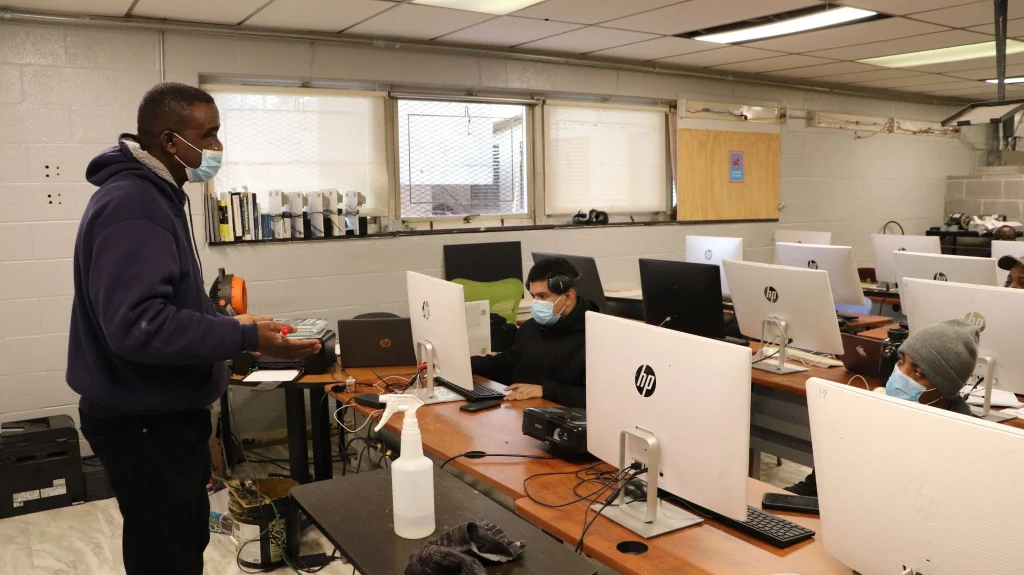
The path from apprentice to journeyman is the biggest single jump — most PTTI grads see it happen within their first 2–4 years on the job, especially once they add certifications on top of their diploma. Once you enroll in the PTTI Heating, Ventilation, and Air Conditioning program. You will be guided by industry instructors. 60-70 percent will be practical training. You will be taught everything from refrigeration basics for large warehouses to managing HVAC units in residential and commercial buildings.
| Work Setting | Typical Annual Range |
| Residential service | $45,000–$62,000 |
| Commercial/light commercial | $55,000–$78,000 |
| Industrial/commercial refrigeration | $65,000–$95,000+ |
| Union (building trades) | +18–23% above non-union scale |
Philadelphia has a strong union presence in the building trades and strong connections with local business owners, making union apprenticeship pathways a realistic option for PTTI grads seeking the fastest route to top-tier pay.
| Trade | Median Annual Wage | Projected Growth |
| HVAC Technician | $61,010 | 11% (2025–2035) |
| Electrician | $71,490 (mean) | Faster than average |
| Plumber/Pipefitter | $72,170 (mean) | Faster than average |
| Automotive Technician | $47,770 | Average |
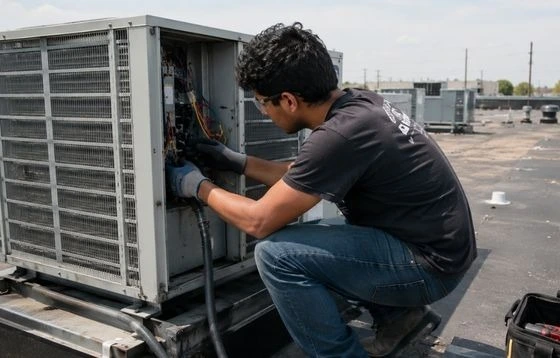
HVAC growth outpaces most other skilled trades because aging buildings, energy-efficiency retrofits, and heat pump adoption all require more installers and service techs — not fewer. HVAC, as a skilled program, is one of the most in-demand and ever-growing skilled trade programs in the United States. It is flourishing day by day. As it involves not only repair and maintenance but also digital installation using thermostats, the program becomes more interactive and tech-friendly for youth.
| Timeline | Milestone | Expected Salary |
| Month 0–12 | PTTI training + EPA 608 + OSHA 30 | In training |
| Year 1 | First job, entry-level tech | $40,000–$46,000 |
| Year 2–3 | Add NATE cert, build speed | $50,000–$60,000 |
| Year 4–6 | Journeyman, possible union scale | $65,000–$80,000 |
| Year 7+ | Master tech, supervisor, or owner | $85,000–$100,000+ |
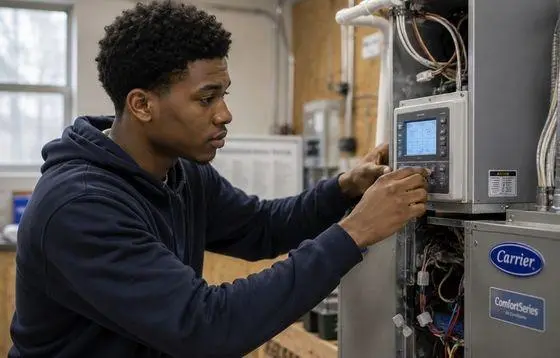
PTTI’s HVAC Technology program trains you through a hands-on course sequence — from HVAC fundamentals and refrigeration through electrical systems, heating, indoor air quality, energy management, and three levels of commercial refrigeration. You’ll also complete a real-world externship before you graduate.
Every student gets EPA Section 608 Type I certification and OSHA 30 certification included in the program at no additional cost — two credentials employers actively look for on day one. If you are learning in your mid-age, looking for quick money after your graduation. Then this HVAC program might help you fulfill your financial desires. As so many youngsters are moving towards skilled trade programs. It offers quick money, less debt, and hands-on training, but it demands client visits and outdoor activities, and if you love doing outdoor activities like roaming from place to place. This job must be a savior for your career.
How to enroll:
There are a few simple and easy steps to follow
The Philadelphia metro median is about $64,600 per year, roughly $31.06 an hour — about 5.9% above the national median.
No. PTTI’s HVAC program is designed to get you job-ready without a four-year degree or the debt that comes with one.
PTTI’s HVAC Technology program is designed to be completed in well under a year and includes EPA 608 and OSHA 30 certifications.
NATE-certified technicians typically earn $3,000–$10,000 more per year than their uncertified peers, and EPA 608 certification is required to legally handle refrigerant.
Yes. HVAC offers fast entry, strong starting pay relative to training time, and a projected 11% job growth through 2035 — well above the average for all occupations.
Read More