
Construction is one of the largest sources of stable, well-paying work in the United States, and in 2026 it remains a career that people can enter quickly, without a four-year degree, and grow into for decades. But like any career, it comes with real trade-offs. If you are planning to enroll in skilled trade training program, you must know the benefits of a construction worker on 2026.The work pays well and is consistently in demand, yet it is physically demanding and carries safety risks that must be taken seriously.
This article gives an honest, balanced look at the advantages and disadvantages of being a construction worker in 2026. In 2026, construction trades jobs remain an attractive option for students, career changers, and adults who want to enter the workforce without spending four years earning a college degree. Moreover, the industry needs skilled workers who can build, repair, install, and maintain the infrastructure that communities depend on every day. It covers pay, job outlook, advancement, physical demands, safety, and weather, and it explains how the right training changes the equation. Whether you are a high school graduate weighing your options, a career changer, a veteran, or an adult learner in the Philadelphia region, the goal here is to help you decide with clear eyes rather than hype. The short version: construction rewards those who prepare, and preparation turns most disadvantages into manageable parts of a strong career.
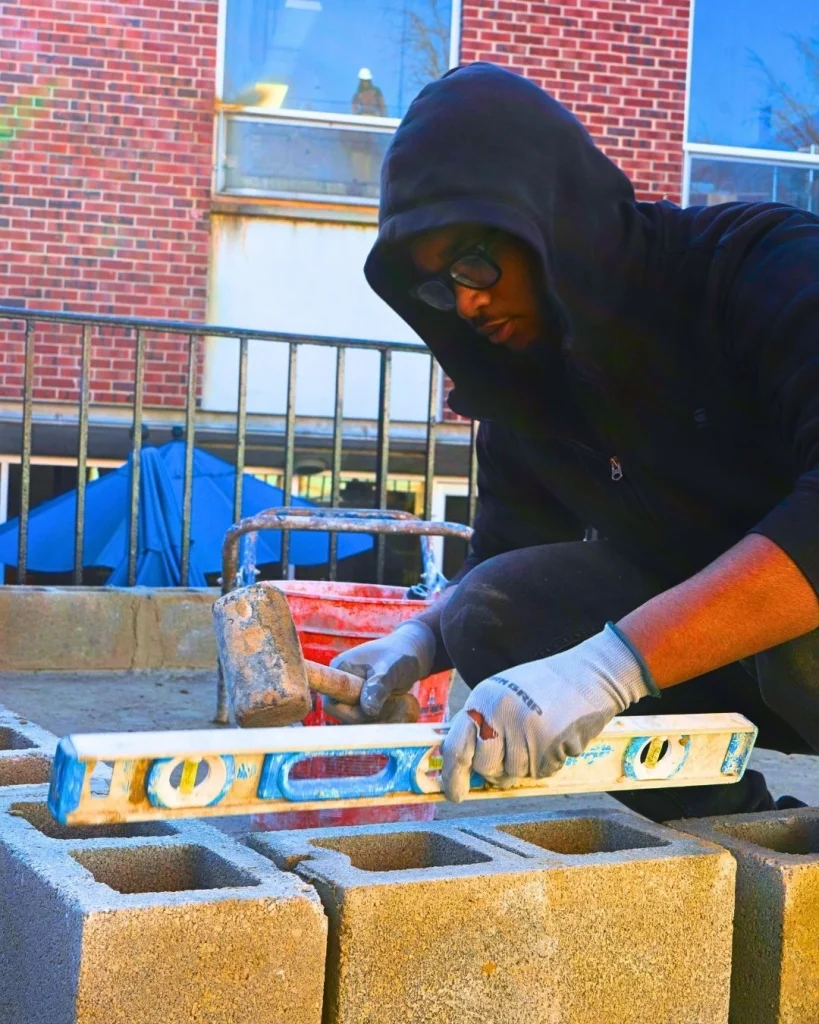
Yes, construction is a good career in 2026 for people who want stable, well-paying work without a four-year degree. Demand is strong, pay is above the national median for many roles, and advancement is realistic. The main trade-offs are physical demands and safety risks, both of which are significantly reduced by proper training. skilled trades career can provide more than a paycheck. It allows you to develop practical abilities, gain hands-on experience, and build a professional reputation.
That balanced answer is the theme of everything below. Construction is not a shortcut to easy money, and it is not a dead-end job either. It is a legitimate, skilled career with clear upside and honest downsides.
Construction offers a combination of benefits that few careers can match for people entering the workforce without a degree.
Construction demand in 2026 is durable. The U.S. Bureau of Labor Statistics projects that overall employment in construction and extraction occupations will grow faster than the average for all occupations through the mid-2030s, with roughly 587,000 openings each year across these occupations. For construction laborers and helpers specifically, employment is projected to grow about 7 percent from 2024 to 2034 — much faster than average — with around 149,400 openings each year.
Two forces drive this. Aging infrastructure across the country needs repair and replacement, and a large share of the current construction workforce is nearing retirement. Both create a constant need for new workers, which translates into real job security for people entering the field.
One of the strongest arguments for construction is the pay relative to the education required. Construction and extraction occupations had a median annual wage of about $59,540 in May 2025, higher than the $50,980 median across all occupations. Entry-level construction laborers earned a median near $46,050, and specialized trades earn considerably more. As a result, construction careers 2026 can offer strong opportunities for individuals who prepare with the right technical and safety skills.
Because most roles require no college degree, workers avoid the debt that often comes with a four-year path and start earning almost immediately. That combination — no tuition debt plus early income — is why many people find the return on a trade far outpaces a general degree.
Construction is one of the quickest skilled-trade paths to a paycheck. Many entry-level roles require only short-term, hands-on preparation rather than years of schooling. With a focused program that teaches core skills and job-site safety, a motivated learner can become job-ready in months. This speed is a major advantage for people who need to start earning soon or who are changing careers and cannot afford a long training runway.
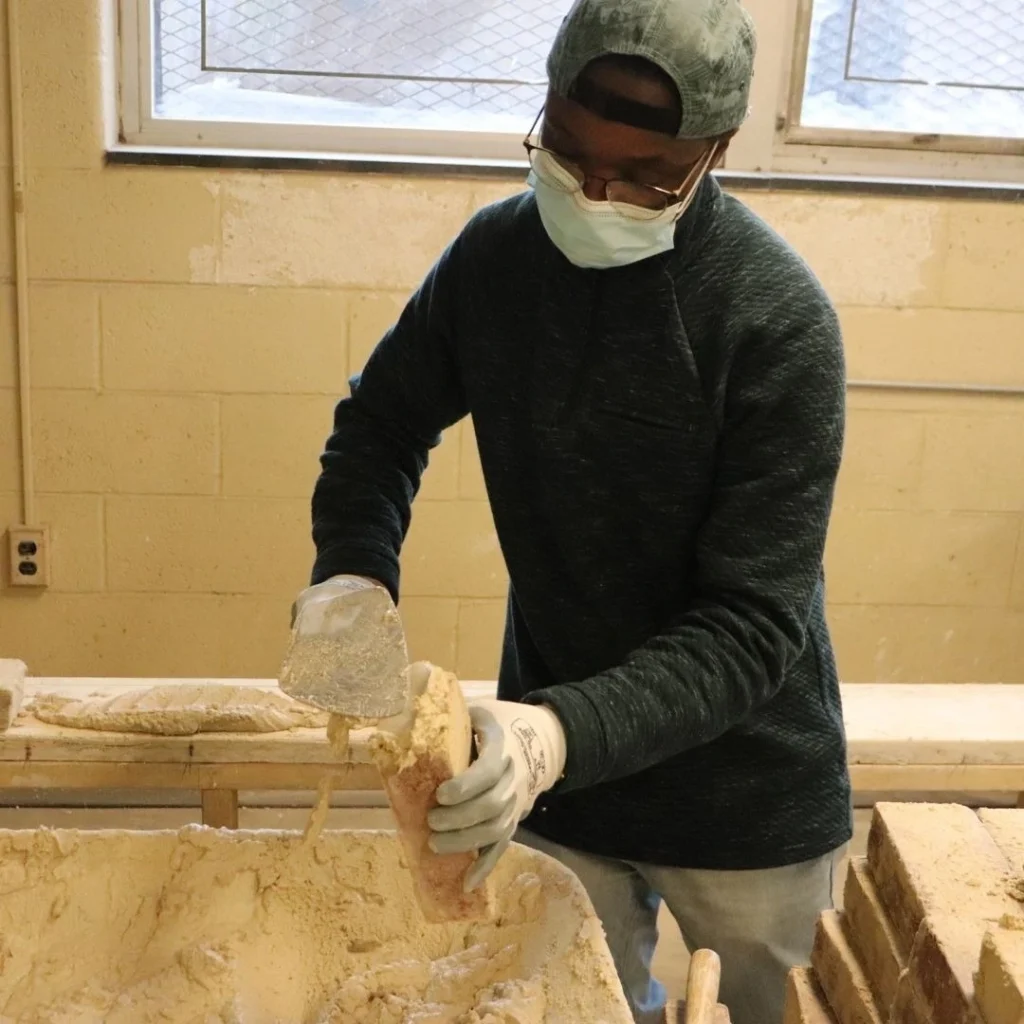
Construction is not a career with a low ceiling. Workers routinely move from general labor into specialized trades such as concrete and masonry, framing, welding, or pipefitting, each of which commands higher pay. Construction training in Philadelphia gives students the opportunity to practice essential techniques while learning from instructors who understand real workplace expectations. From there, the path continues to lead roles, foreman positions, superintendent roles, and project management, where compensation rises well into six figures. The person who enters as a laborer and commits to building skills has a genuine ladder to climb.
Many people underestimate how much this matters. Construction produces something real and lasting — buildings, bridges, systems that a community depends on. Workers can see the result of their effort at the end of the day, which many find far more satisfying than abstract office work. That sense of pride and purpose is a real, if less quantifiable, advantage. High-paying trade jobs can provide competitive wages as workers gain experience, certifications, and specialized skills. In addition, overtime and advancement.
In markets with a strong union presence, construction offers organized pathways to higher wages and benefits. Union construction workers earned a median of roughly $1,585 per week in 2025, compared with about $1,132 for nonunion workers. Beyond pay, these pathways often include structured apprenticeships, benefits, and retirement plans. The Philadelphia region has a strong building-trades presence, which makes these routes especially relevant locally.
🏗️ Want to build toward these advantages? Explore PTTI’s Concreting, Masonry & Framing program and see how hands-on training opens the door.
An honest assessment has to weigh the downsides just as seriously. These are real, and anyone considering the field should understand them.
Construction is hard on the body. The work involves lifting, bending, standing for long periods, climbing, and repetitive motion, often while handling heavy materials. Most workers are on their feet all day. For people who thrive on physical activity, this is a feature rather than a bug — but it is demanding, and it requires reasonable fitness and good body mechanics to sustain over years.
This is the most important disadvantage to understand clearly. Construction job outlook records the highest number of workplace fatalities of any U.S. industry, with roughly 1,069 construction worker deaths reported in 2024. Most of these are concentrated in what OSHA calls the “Fatal Four” hazards: falls, being struck by objects, electrocution, and caught-in or -between incidents. Together these account for well over half of construction deaths, and falls alone are the single leading cause.
The critical point is that these hazards are largely preventable. OSHA fall-protection standards, proper equipment, hazard awareness, and disciplined safety practices dramatically reduce risk. Falls, for example, are addressed through required fall protection at heights of six feet or more. This is precisely why safety training is not optional in a serious construction education — it is the difference between a hazardous job and a manageable one.Strong construction trades demand, accessible training, career advancement, and opportunities for high-paying trade jobs make the industry an appealing choice.
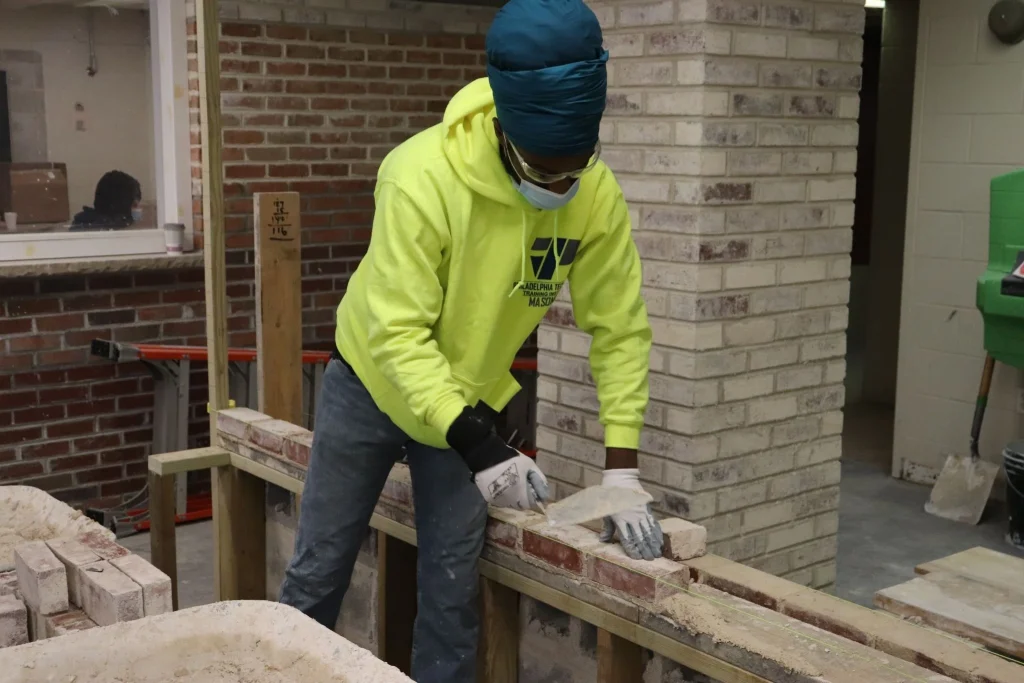
Much construction work happens outdoors, which means heat, cold, rain, and snow are part of the job. In some regions and trades, winter can slow work and affect hours or income. Workers need to be prepared for the elements and, in some cases, for seasonal fluctuations in workload.
The cumulative effect of physically demanding work can take a toll over decades. Joints, back, and general wear are real considerations. Construction job outlook in 2026 in expected to grow tremendously in the coming years. This is another reason advancement matters: many workers deliberately move into supervisory, specialized, or management roles over time, which are less physically punishing and better compensated. Construction jobs in Philadelphia are expected to grow in the coming years.
Construction schedules can vary. Early start times, overtime during busy stretches, travel to different job sites, and occasional pressure to meet deadlines are all common. For some, the variety is appealing; for others, the unpredictability is a drawback to weigh.
| Advantages | Disadvantages |
| Strong, faster-than-average job demand | Physically demanding work |
| Good pay without a college degree | Real safety risks (manageable with training) |
| Fast entry into the workforce | Weather exposure and possible seasonality |
| Clear advancement to specialized and lead roles | Physical wear over a long career |
| Tangible, meaningful work you can see | Variable schedules and job-site conditions |
| Union and apprenticeship pathways | Early start times and overtime during peaks |
Construction pay depends heavily on role, trade, experience, region, and union status. Entry-level laborers earn a median of about $46,050, while the broader construction and extraction group has a median of about $59,540, and specialized and supervisory roles pay substantially more.
| Role | Approximate Median Annual Pay (National) |
| Construction laborer / helper (entry) | ~$46,050 |
| Skilled trades (electrician, plumber, sheet metal, etc.) | ~$55,000 – $76,000 |
| Construction and extraction group (overall) | ~$59,540 |
| Construction manager | ~$104,000+ |
A few points shape real earnings. Union roles tend to pay meaningfully more than nonunion roles. Specialized trades — concrete, masonry, welding, pipefitting — command premiums over general labor. And overtime, common in busy periods, can raise take-home pay. The clearest way to raise your earnings in construction is to move from general labor into a skilled specialization, which is exactly what trade training is designed to do.
💰 Curious how pay grows with skill? See related insights on skills that build a construction career.
The construction job outlook for 2026 and beyond is positive. The Bureau of Labor Statistics projects faster-than-average growth for construction and extraction occupations, with hundreds of thousands of openings each year, driven by infrastructure investment, ongoing building activity, and the need to replace a retiring workforce.
For the Philadelphia region specifically, the demand picture is reinforced by continued commercial and healthcare construction, infrastructure repair, and a strong building-trades presence. That means trained workers in and around the city have real, local opportunities rather than having to relocate to find work.
No. Most construction roles do not require a college degree. Employers generally value demonstrated skills, safety knowledge, reliability, and the willingness to learn on the job. A high school diploma or GED helps, and focused trade training gives new workers a significant advantage in both hiring and starting pay. There are so Many construction jobs in Philadelphia due to its growing infrastructure.
This is a core reason construction appeals to people weighing their options after high school. Instead of years of tuition and debt, a construction path lets you build a marketable skill quickly and start earning. For a fuller comparison, it helps to weigh the trade school versus traditional college decision against your own goals.
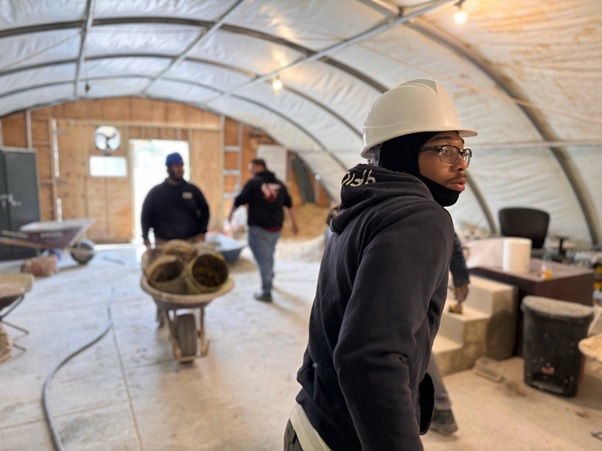
Here is the practical insight that most “pros and cons” discussions miss: the biggest disadvantages of construction — physical strain and safety risk — are precisely the areas that good training addresses.
This is where a hands-on program matters. Real labs, industry-standard equipment, and safety-first instruction don’t just teach you to build — they teach you to build safely and advance quickly. That is the difference between simply “being a construction worker” and building a durable, well-paid career.
🛡️ Safety and skill from day one. Learn how PTTI’s hands-on approach prepares students for real job sites at our programs overview.
One reason construction training pays off locally is the breadth of the Philadelphia-area job market. Opportunities span the city’s neighborhoods — from North and South Philadelphia to West Philadelphia, Mantua, Powelton Village, and the Spring Garden corridor — and extend well beyond city limits.
Construction demand in Philadelphia reaches nearby Pennsylvania communities such as Yeadon, Lansdowne, Darby, Drexel Hill, and Ardmore, and across the river into South Jersey towns including Camden, Pennsauken, Collingswood, Cherry Hill, Maple Shade, Cinnaminson, Haddonfield, Gloucester City, and Audubon. Training centrally in Philadelphia positions graduates to take work in whichever direction the strongest opportunity appears, including into Delaware and the wider tri-state market.
Construction suits a wide range of people:
If the advantages resonate with you and the disadvantages feel manageable — especially knowing that training reduces them — construction is worth serious consideration.
Being a construction worker in 2026 comes with a clear set of advantages — strong demand, good pay without a degree, fast entry, and real advancement — balanced against honest disadvantages like physical demands and safety risks. The decisive factor is preparation. The downsides that worry most people are exactly the ones that solid, safety-first training reduces, while the upsides are the ones that skill and specialization amplify.
If construction appeals to you, the smartest first move is training that builds both skill and safety awareness from day one. That is what turns a physically demanding, higher-risk job into a stable, well-paid, long-term career.
🚀 Ready to build your future? Explore PTTI’s construction and trades programs, request information, or schedule a campus tour to see the labs for yourself. To take the next step, contact admissions and start your construction career this year.
The main advantages are strong job demand, good pay without a college degree, fast entry, and clear advancement. The main disadvantages are physically demanding work, safety risks, weather exposure, and variable schedules. Proper training significantly reduces the safety and physical downsides.
Yes. Construction offers stable, above-average pay for many roles, faster-than-average projected growth, and realistic advancement, all without requiring a four-year degree. The trade-offs are physical demands and safety risks, both of which are manageable with training.
Entry-level construction laborers earn a median near $46,050, while the broader construction and extraction group has a median around $59,540. Specialized trades and supervisory roles earn considerably more, and union roles typically pay above nonunion roles.
Construction carries real risks and records the highest number of workplace fatalities of any U.S. industry, concentrated in OSHA’s Fatal Four hazards: falls, struck-by, electrocution, and caught-in/between. These hazards are largely preventable through safety training, proper equipment, and disciplined practices.
No. Most construction roles require no college degree. A high school diploma or GED plus hands-on training gives new workers a strong advantage in hiring and starting pay.
Construction is one of the fastest skilled-trade paths to a paycheck. With a focused, hands-on program, a motivated learner can become job-ready in months rather than years.
Choose training that emphasizes job-site safety, hazard recognition, and OSHA-aligned practices, and learn proper technique and body mechanics. These directly lower injury risk and help sustain a long career.
Philadelphia Technician Training Institute (PTTI) offers hands-on construction-related training — including concreting, masonry, and framing — using industry-standard equipment, serving students across Philadelphia, the surrounding Pennsylvania counties, and South Jersey.
If you’re weighing a construction career in the Philadelphia area, these related PTTI guides go deeper on the topics covered above: