
If you are looking for electrical-related trades training in Philadelphia, you may be exploring more than traditional electrical work. Many skilled trades now involve a mix of electrical, mechanical, and automated systems. Pipefitting, steam systems, HVAC equipment, and industrial machinery are good examples.
These fields can work together on construction sites, in manufacturing facilities, commercial buildings, and industrial settings. As a result, learning how different systems operate can give you a broader understanding of technical work.
Philadelphia Technician Training Institute offers hands-on training in several skilled trades. Its programs include Manufacturing and Automation, Steam, Sprinkler and Pipe Fitting, HVAC, and Welding Technology. These programs can help students build practical skills for different technical career paths.
Electrical and mechanical systems often work together. Modern machines may use motors, sensors, electrical controls, wiring, and mechanical components at the same time.
For example, an automated manufacturing machine may need electrical controls to operate its mechanical parts. HVAC equipment also combines electrical components with heating and cooling systems.
Pipefitting and steam systems have a similar connection. Technicians may work around pumps, valves, boilers, controls, and other equipment that can involve both mechanical and electrical components.
Because of this connection, students searching for electrical technician training in Philadelphia may also want to explore related mechanical trades.
Manufacturing and Automation is one option for students interested in electrical systems, machinery, and industrial technology.
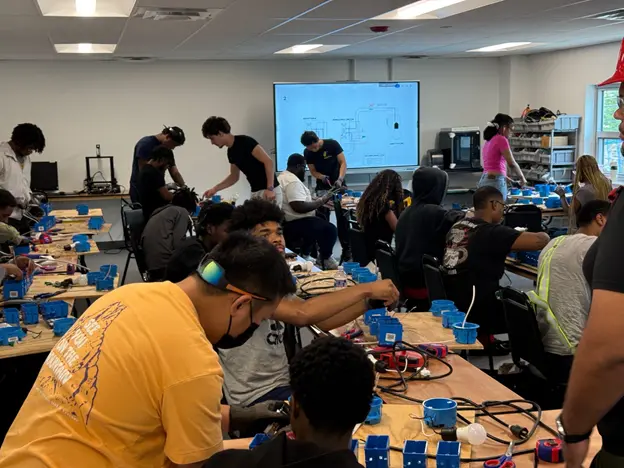
At PTTI, students can learn about electrical wiring, electrical controls, panel installation, wiring codes, and manufacturing equipment. The training also covers areas related to automation, robotics, and computer-controlled machinery.
This type of program can be useful for students who enjoy working with machines and want to understand how electrical and mechanical systems operate together.
It can also provide a practical starting point for students interested in industrial maintenance, automation, manufacturing, and related technical fields.
Students who are more interested in pipes, valves, steam, and industrial systems can consider pipefitting training in Philadelphia.
Pipefitters work with piping systems used in many commercial and industrial environments. Their work can involve reading technical drawings, measuring and cutting pipe, installing fittings, working with valves, and following workplace safety procedures.
PTTI’s Steam, Sprinkler and Pipe Fitting program focuses on practical skills used in these areas. Students can learn about pipe fabrication, valve installation, blueprint reading, shop mathematics, rigging, and safety.
The program also gives students an opportunity to develop hands-on skills before entering the workplace.
Steam systems are used in many large buildings and industrial facilities. They can be connected to heating systems, boilers, manufacturing equipment, and other mechanical applications.
Steam fitting training can introduce students to the tools and techniques used to work with these systems. It can also help students understand pipe layouts, fittings, valves, measurements, and safety practices.
If you enjoy practical work and are interested in large mechanical systems, steam fitting training can be one pathway to explore.
Mechanical systems are found across many industries. They can include heating equipment, pumps, piping, machinery, ventilation systems, and industrial equipment.
Mechanical systems training can help students understand how these components work and how technicians maintain or troubleshoot them.
PTTI provides several programs that connect with mechanical systems. These include pipefitting, HVAC, manufacturing and automation, and welding.
Choosing between them depends on the type of equipment you want to work with.
HVAC is another field to consider if you want to work with both electrical and mechanical systems.
Heating and cooling equipment uses several components that need to work together. These can include motors, electrical controls, sensors, fans, compressors, and other mechanical parts.
PTTI’s HVAC training introduces students to heating, ventilation, and air conditioning systems. Students can develop practical skills while learning about equipment operation, maintenance, safety, and related technical procedures.
For someone looking for mechanical systems training in Philadelphia, HVAC can be an option worth exploring.
Welding is also closely connected to pipefitting and industrial work. Some piping systems require metal fabrication and welding skills during installation.
PTTI’s Welding Technology program provides hands-on training in different welding methods. Students can also develop skills related to fabrication, safety, equipment use, and pipe welding.
Learning welding alongside an interest in pipefitting can be useful for students who enjoy working with metal and industrial equipment.
Skilled trades require more than classroom knowledge. You also need to know how to use tools, follow safety procedures, read technical information, and work with equipment.
That is why hands-on training can be important when choosing a trade school.
At PTTI, students receive practical training alongside classroom instruction. This gives them an opportunity to practise technical skills in a training environment before entering the workforce.
Hands-on learning can also help students become more comfortable with tools and equipment used in their chosen trade.
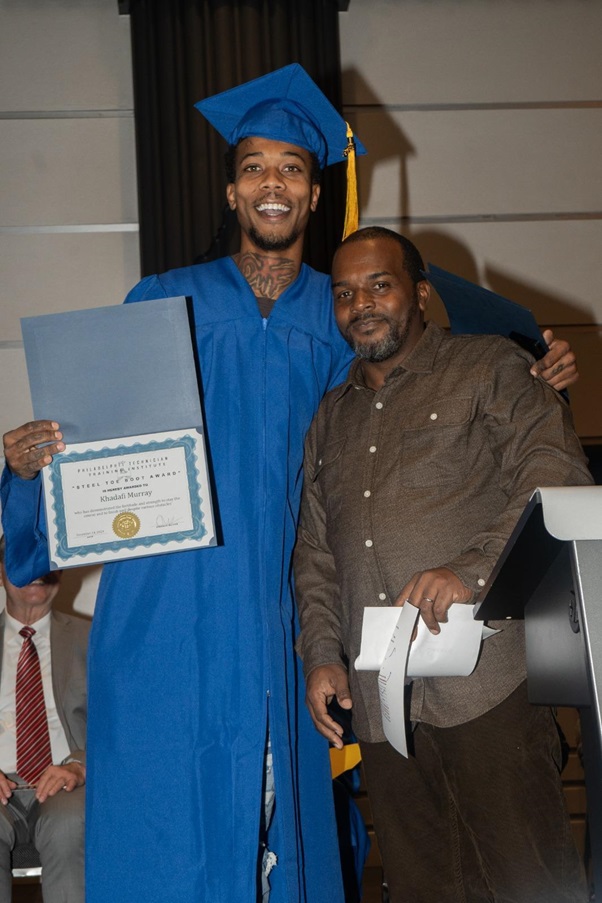
The best program for you depends on the type of work you want to do.
If you enjoy electrical wiring, automation, robotics, and industrial machinery, Manufacturing and Automation may be a good area to explore.
You can also consider welding if you enjoy working with metal fabrication and want skills that can complement pipefitting.
Before enrolling, look at the program curriculum, training length, class schedule, hands-on opportunities, and career support. Make sure the training matches your career goals.
Finding the right electrical-related trades training in Philadelphia does not mean limiting yourself to one type of technical work.
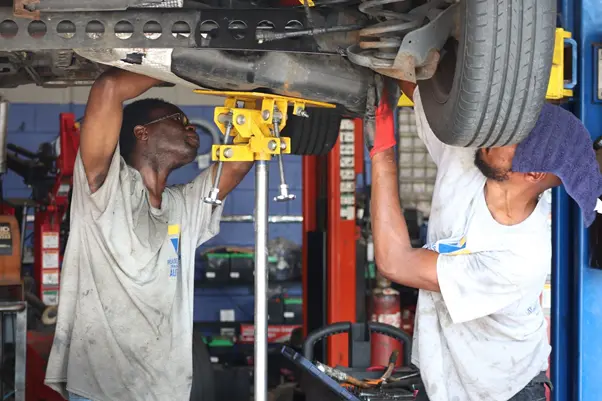
Electrical systems, pipefitting, steam, HVAC, welding, and automation can all connect with mechanical systems in modern workplaces. Learning the right combination of skills can help you understand the equipment and systems used in your chosen field.
PTTI offers hands-on programs for students interested in these areas. Whether you are exploring electrical technician training in Philadelphia or looking for pipefitting training in Philadelphia, you can explore different programs based on the type of work you want to pursue.
Take time to understand each program before making your decision. A clear idea of your interests can help you choose training that fits your career goals.
Does PTTI offer pipefitting training in Philadelphia?
Yes. PTTI offers a Steam, Sprinkler and Pipe Fitting program. The training covers areas such as pipe fabrication, valves, blueprint reading, rigging, measurements, and safety.
What does steam fitting training involve?
Steam fitting training can cover pipe systems, fittings, valves, measurements, technical drawings, safety practices, and other skills used when working with steam and industrial piping systems.
Is HVAC an electrical or mechanical trade?
HVAC combines both electrical and mechanical skills. HVAC equipment can include motors, controls, sensors, compressors, fans, and other components that work together.
Can welding skills help with pipefitting?
Yes. Welding and pipefitting can overlap in industrial and construction environments. Welding skills can be useful when working with metal pipes and fabricated components.
Why is hands-on training important for skilled trades?
Hands-on training allows students to practise using tools, equipment, measurements, technical drawings, and safety procedures. It can help students become more comfortable with practical work before entering the workplace.
Read more blogs