
Trade school gives students the chance to focus on practical skills related to a specific career. Instead of spending most of their time studying general subjects, students can learn about a trade and practice the work involved. This can be a good fit for people who enjoy working with tools, equipment, machines, or technical systems.
Alt Text: Students gaining hands-on learning experience in a technical workshop
Description: Students learn through practical workshop activities, working with tools, equipment, and electrical components in a hands-on training environment.
However, hands-on learning does not mean there is no classroom instruction. Students still need to understand safety rules, technical information, measurements, equipment, and other important parts of their trade. The difference is that they can take what they learn in class and use it during practical training.
Everyone learns differently. Some students enjoy reading, taking notes, and studying from textbooks. Others understand a subject much faster when they can actually work with it. For these students, practical training can make education feel more useful and easier to understand.
Think about learning how to repair a vehicle. Reading about an engine can teach you how its parts work, but it does not give you the same experience as working on one. The same idea applies to welding, manufacturing, 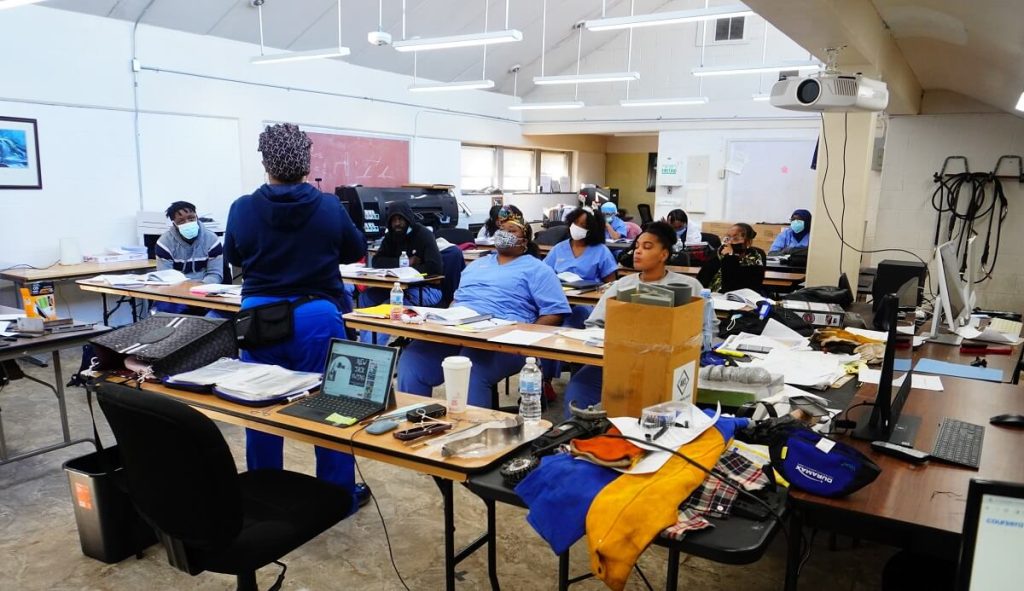 .
.
Students need to understand the technical side of their work, but they also need practice. Hands-on training gives them an opportunity to use tools, follow procedures, solve problems, and become familiar with equipment.
That experience can also help students become more comfortable with their chosen field. They can ask questions when something is unclear and learn from mistakes while they are still in a training environment.
Philadelphia trade schools learn to use information in a more focused approach to education. Instead of working toward a broad academic degree, students can choose a program connected to a specific career.
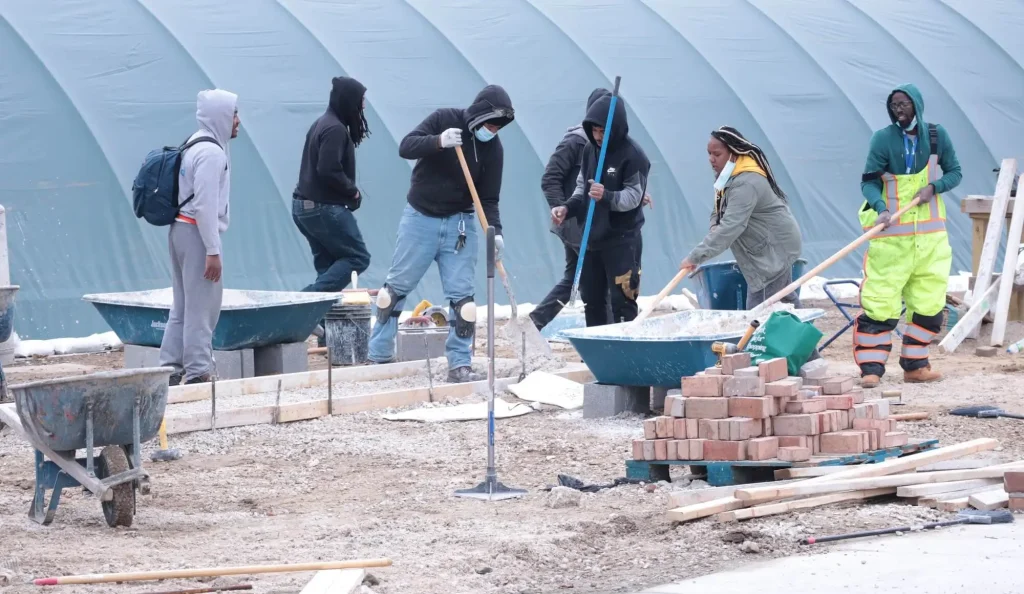
For example, someone interested in working with metal may choose welding. A student who enjoys machinery and technology may consider manufacturing and automation. Someone who likes repairing vehicles may look into automotive training.
This focused approach can help students spend their time learning skills related to the work they want to pursue. It can also give them a clearer idea of what a particular career is actually like.
Choosing a trade still requires effort. Students have to study, attend training, follow instructions, and practice regularly. The difference is that much of the learning connects directly to a practical skill or occupation.
Hands-on career training usually combines classroom learning with practical work. Students first learn the information they need and then get opportunities to apply it.
A welding student, for example, may learn about welding processes, materials, equipment, and safety. Practical training then gives the student a chance to work with welding equipment and practice those techniques.
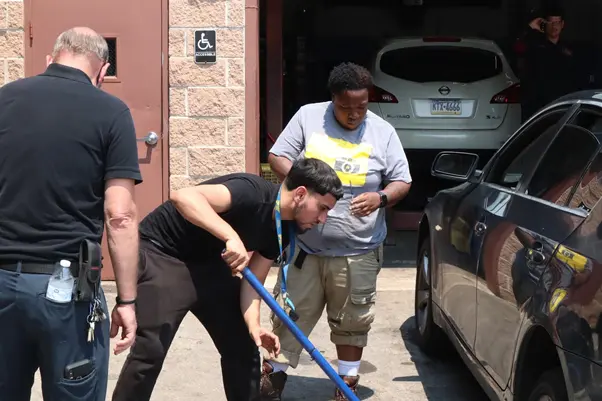
Manufacturing students may learn about mechanical and electrical systems before working with machinery, controls, wiring, or automation equipment. Automotive students can learn about vehicle systems and then apply that knowledge during repair training.
This type of learning helps students understand the connection between information and actual work. They are not simply memorizing something for a test. They are learning how that information can be used in a workplace.
Philadelphia Technician Training Institute, or PTTI, offers several career-focused programs for students interested in skilled trades. Its programs include Welding Technology, Manufacturing and Automation, Automotive and repair and Pipe Fitting, Concreting, Masonry and Framing, Drywall, Framing and Finishing, and Central Processing and Service.
Each program focuses on a different area of work, so the practical experience depends on the career path a student chooses. Welding students can develop skills related to weldlearnediques. Manufacturing students can learn about machinery, electrical systems, automation, and controls.
Students interested in automotive work can develop skills related to vehicle repair and maintenance. Those interested in HVAC can learn about heating, ventilation, and air conditioning systems.
When comparing Philadelphia trade schools, it is important to look at more than the name of the program. Think about how the training is actually delivered.
Find out how much practical training students receive and what type of equipment they use. Look at the subjects covered in the program and consider whether they match the type of work you want to do.
It is also a good idea to learn about the length of the program, admission process, certification/career required and training environment. If possible, visiting the chance helps you understand what the day-to-day experience may be like.
Most importantly, choose a program that matches your interests. You are more likely to stay motivated when you are learning about something you genuinely want to do.
PTTI focuses on technical education for students who want to develop practical skills for skilled careers. Its programs combine classroom instruction with hands-on training, allowing students to learn the concepts behind their trade and then practice them.
This approach can be useful for students who do not want an education based entirely on lectures and textbooks. They can spend time learning technical information while also getting to learn best the tools, equipment, and processes connected to their program.
For someone developed in touring, use/turing, automotive repair, HVAC, or another skilled trade, this type of learning can provide a more direct connection between school and work.
Choosing a career starts with understanding what kind of work suits you. If you enjoy building, repairing, operating equipment, working with machines, or solving practical problems, a skillrade may be worth exploring.
You should also think about the tin environment you want to work in. Some people prefer fabrication shops or manufacturing facilities. Others may enjoy automotive shops, construction sites, or building service work.
Once you have an idea of what interests you, you can look for a training program that matches those goals.
Hands-on career training will still require studying and classroom learning, but it gives you the opportunity to put that knowledge into practice. For many students, that makes the learning process feel more connected to their future career.
If you are looking for hands-on trade schools in Philadelphia, PTTI is one option you can explore. The school offers several skilled trade programs for students who want practical, career-focused training.
You do not need to know exactly what you want to do on the first day. Start by thinking about the kind of work that interests you and the skills you would like to develop. From there, you can explore different programs and see which one feels like the right fit.
A skilled trade can provide a practical career path for people who enjoy learning through experience. With the right training and consistent careers you can start developing skills that can be used beyond the classroom.
Not every student learns best by sitting through long lectures. Some students need to work with a tool, machine, or piece of equipment before a concept really makes sense. For them, hands-on trade schools in Philadelphia can offer a more practical way to learn.
Trade school combines technical knowledge with practical experience. Students can learn the basics in the classroom and then use that knowledge during hands-on training. PTTI offers several skilled trade programs that follow this approach. Whether you are interested in welding, manufacturing, automotive repair, HVAC, pipe fitting, or construction-related work, you can explore a program based on your interests and career goals.
Yes, several Philadelphia trade schools combine classroom lessons with practical training to help students learn skills through real practice.
Students can explore programs such as welding, manufacturing, automotive repair, HVAC, pipe fitting, and other skilled trade careers.
Hands-on training lets students practice what they learn, work with equipment, build confidence, and better understand the skills used on the job.
Yes, PTTI combines classroom instruction with practical training to help students develop skills for different skilled trade careers.
Read More blogs: