
Workplace readiness for a fresh start in the skilled trades industry is very important. Ever wish someone had handed you a workplace readiness cheat sheet before your first day on the job? Most trade school grads figure these lessons out the hard way, through trial and error and a few awkward moments. However, a little preparation in advance can save a lot of stress once training ends. Below, we break down what recent grads consistently wish they’d known sooner, so you can walk in more prepared.
Workplace Readiness is not limited to technical skills. It goes beyond that, even if you graduate from the best technical institutes. PTTI not only provides practical training but also prepares you for Industry. However, while the institute’s trade school builds strong technical skills, the transition from the classroom to the job site requires more than hands-on skills. Workplace readiness also includes habits, communication, and expectations that training alone doesn’t always cover.
Here’s what grads often realize only after starting their first job:
Therefore, workplace readiness prepares students for industry and also for those situations, filling the gap between finishing training and thriving on the job.

Punctuality is one of the most required skills in vocational training. Reaching on time sounds obvious, but reaching always makes you noticed. Many underestimate how closely employers watch this. If you arrive on time at the client site, the client notices and supports your career growth. Punctuality matters a lot, especially when you are a beginner. Moreover, punctuality often shapes an employer’s first impressions more than technical skill does.
Here’s what grads wish they’d known:
Many new hires stay quiet out of fear of looking inexperienced. However, experienced technicians consistently say asking questions early prevents bigger mistakes later.
Here’s what grads learn the hard way:
Therefore, asking questions early actually builds credibility, rather than undermining it.
First job in the trades, especially the technical training, prepares you for the work itself. Additionally, soft skills, like communication and reliability, get tested immediately, often before your technical skills even come into play.
In skilled trades, a job’s professionalism is about 30% communication (especially with customers and business owners),25% problem-solving under pressure, and 20% teamwork. 25 percent soft skills. Your dedication to the company determines your career opportunities.
| Soft Skill | What It Looks Like on Day One | Why It Matters Early |
| Communication | Explaining problems clearly | Builds trust with coworkers and supervisors |
| Reliability | Consistent attendance and follow-through | Shows you can be counted on |
| Problem-Solving | Staying calm under pressure | Prevents small issues from escalating |
| Teamwork | Coordinating with experienced coworkers | Speeds up on-the-job learning |
Overall, grads who practice these skills during training adjust to real job sites much faster.
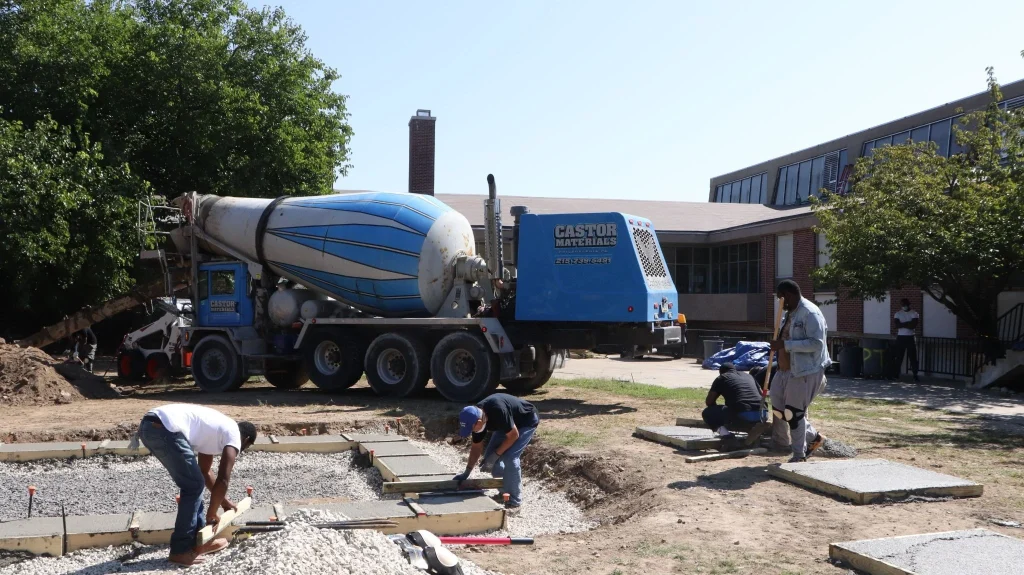
Training labs allow time to think through problems carefully. However, real job sites often move faster and are less forgiving, especially under deadline pressure.
Here’s what grads wish they’d prepared for:
Therefore, adjusting to this faster pace takes intentional effort during the first few months.
A few job-ready certifications, like EPA 608, OSHA 30, AWS D1.1, or CRCST, help trade school grads get hired. They open the doors to various career opportunities. Moreover, trade school mentors consistently report that attitude and work ethic matter just as much once they’re actually on the job.
Here’s how this plays out in practice:
Finally, this balance between credentials and attitude shapes long-term career growth.
Trade school grads assume networking matters later in a career. However, coworkers, supervisors, and even customers form early impressions that follow you throughout your career.
Here’s what grads wish they’d understood sooner:
Therefore, treating every interaction as part of your professional reputation pays off over time.
Looking back, many grads point to specific habits they wish they’d built more intentionally before graduation:
These habits also translate directly into smoother transitions once training ends.
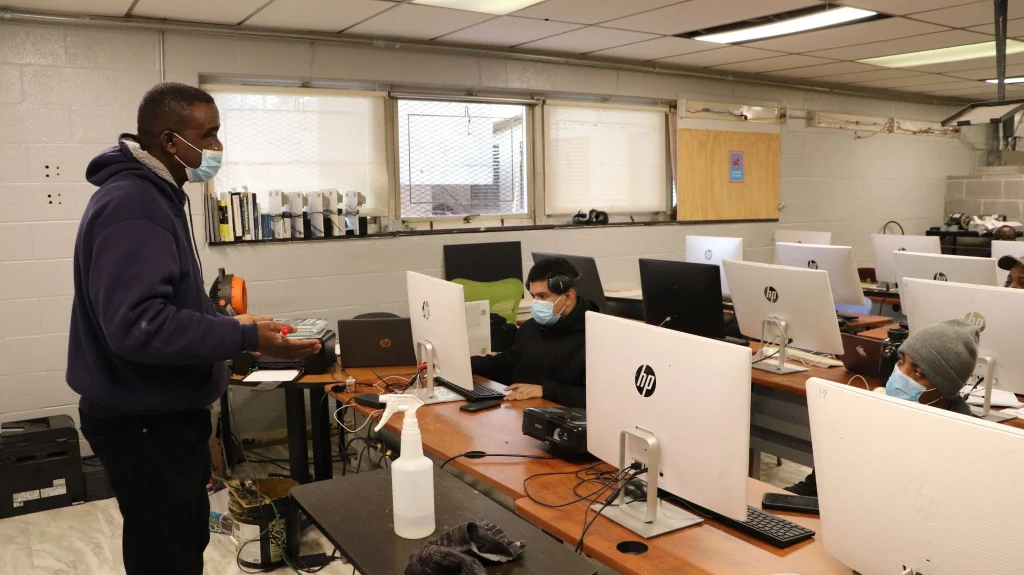
There are Various job openings in vocational trade training expected in the coming years. Recent BLS reports project steady growth in employment across skilled trade training like pipefitting, HVAC, automotive repair, welding, and healthcare creating strong demand for well-prepared, workplace-ready graduates.
Therefore, combining technical skill with workplace readiness gives graduates a real, lasting advantage.
Philadelphia Technician Training Institute (PTTI) integrates workplace readiness directly into its programs, not as an afterthought. Additionally, coursework like Job Application Skills covers resumes, interviews, and professional expectations before graduation.
Here’s how this shows up across PTTI’s programs:
PTTI, the best technical institute in philadelphia reports a placement rate around 90%, showcasing the placement assistance in terms of job assistance leading to interview questions,contact details of business owners, the vacancy , alumni assistance , getting placed with those employers where the student is already working, and those who have good terms with PTTI.
PTTI makes you job-ready with its placement assistance. Job site professionalism and workplace readiness cover far more than technical skill,The mentors at Institute focus most training conversations there. However, punctuality, communication, and attitude often shape a grad’s early career just as much as certifications do. From asking questions and building soft skills to treating every interaction as part of your reputation, these lessons make the transition from training to the job site much smoother. Overall, learning these lessons before your first day, rather than during it, gives grads a genuine head start.
Contact PTTI Placement Assistance team if you are looking to connect with them at 215-381-9403 or info@ptt.edu to speak with an advisor.
This is part of Soft skills, a combination of habits, communication, and professionalism that shapes success beyond technical skill alone.
Yes. Strong programs, like PTTI’s, include job application and interview coursework alongside technical training.
Student who are ready to start their career. Clarifying instructions early prevents costly mistakes and builds trust with experienced coworkers.
Yes, both matter. Soft skills and certification get you hired, but attitude and dedication support career growth.
PTTI combines hands-on labs, externships, and dedicated job application coursework across its programs. It also helps to develop soft skills that matter a lot in industry.
Read More: