
What do PTTI alumni career paths look like a few years down the road? Landing that first trade job is just the beginning, not the finish line. However, most people don’t think past graduation day when picturing a trade career. Below, we break down how careers typically grow after that first job, and what steps help graduates keep moving forward.
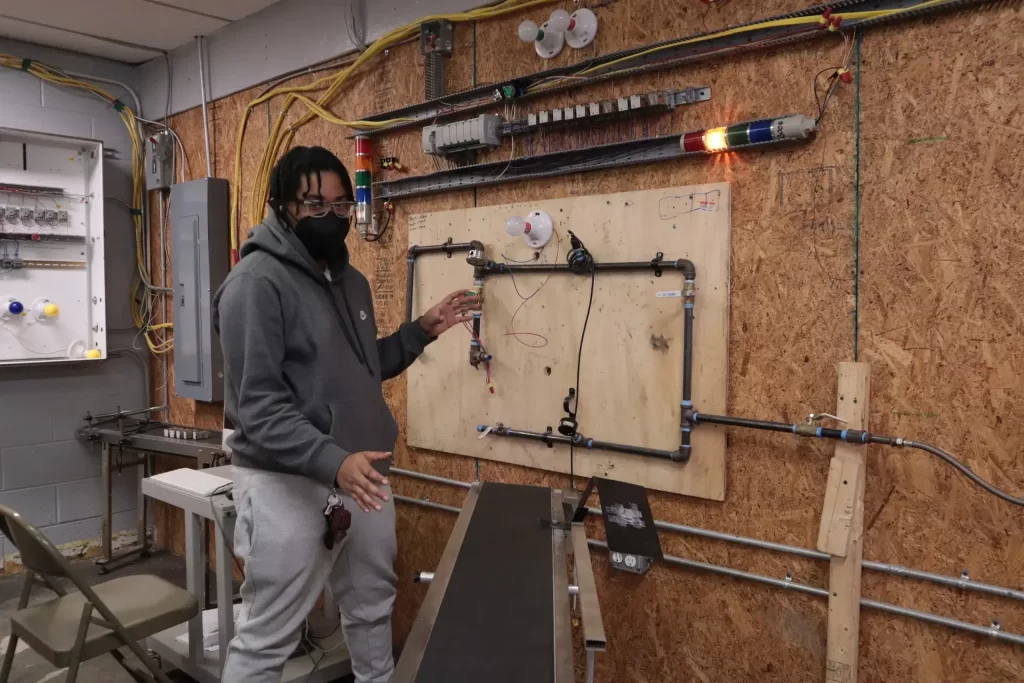
Graduating from a trade program and landing a first job feels like a big milestone. Additionally, it is a huge accomplishment. However, most skilled trades offer real room to grow well beyond that entry-level position.
Let’s understand why the first job matters in the skilled trades industry:
Therefore, that first job is really a launching point, not a ceiling.
Career growth in the skilled trades tends to follow a general pattern. Moreover, this pattern shows up across HVAC, automotive, welding, and healthcare support fields.
A typical trade career path unfolds:
Overall, each stage builds directly on the skills and reputation developed in the one before in skiled trade career growth
Different trades open up slightly different paths after graduation. Additionally, understanding these differences helps students picture where their specific training could lead.
HVAC Technician Career Path
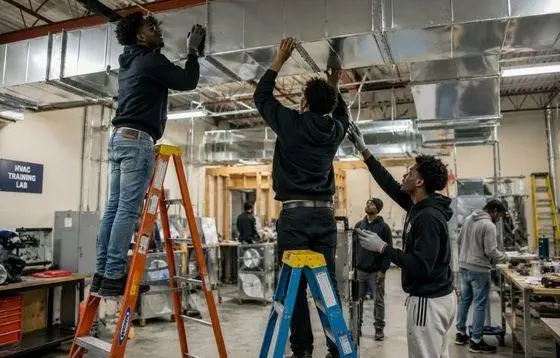
HVAC Graduates often move from general residential repair to more specialized roles in commercial refrigeration or energy management. After a few years of experience, they are sent to large warehouse installations and HVAC unit maintenance. At the beginner level, students accompany the senior PTTI Alumni to understand the procedure. Therefore, technicians who pursue additional certifications tend to advance faster.
Automotive Technician Career Path
Automotive technicians frequently progress from general repair work like engine failure to brakes and tire alignment checks. However, they also get OSHA certification at PTTI, which says that the technician is aware of the safety and procedures in the workplace, including newer areas such as EV and hybrid systems. Moreover, specialized technicians often command stronger pay than general repair technicians.
Welding and Pipefitting Career Path
Welders and pipefitters’ career paths often progress from general fabrication work to specialized certifications and larger industrial projects. These two professions work simultaneously, as they both deal with piping. Welders function as welders, welding the pipe if any leaks. Also, molding and pipe system welding are required. Certified welders also use safety precautions when handling metal equipment.
Sterile Processing Career Path
Sterile processing graduates typically move from entry-level technician roles . Beginners are mostly assisted by senior managers. Later, the new technician can move into lead technician or department supervisor positions within hospital systems, especially with CRCST certification. This skilled trade is suitable for women and working mothers. Confined within a safe space. Career progression in the skilled trades is very important. Each PTTI Skilled trade program involves different wages and different business owner connections.
The Entry-level wage in vocational training for the PTTI Alumni career path is around $18–22/hour for certified/specialized roles, which also depends on the city and state. Anyways in trade careers, experience matters a lot. If you keep working, one day you will achieve the financial stability you have been waiting for. The first trade job pays $18/hour, whereas once you gain experience, that rate rises to $40/hour. However, for senior roles, it’s around $25–30/hour; lead technicians are around $30–38/hour, and supervisor roles often exceed $40/hour. That steady climb reflects how experience and added responsibility translate into higher pay over time, leading to career advancement in the trade.
Therefore, the demand th
| Career Stage | General Pay Range |
| Entry-Level | $18 – $22/hour |
| Certified/Specialized | $25 – $30/hour |
| Lead Technician | $30 – $38/hour |
| Supervisor/Foreman | $40+/hour |
Note: These figures are general estimates and should be verified against current BLS or industry data before publishing.
Certification, along with dedication, drives every student’s career progression in their trade. Not every graduate moves through these stages at the same pace. Therefore, certain habits and choices tend to speed up career growth.
Here’s what tends to make the biggest difference:
Additionally, graduates who stay engaged with their trade, rather than treating their first job as the end goal, tend to advance more quickly.
According to the U.S. Bureau of Labor Statistics, occupations with job outlooks for trade career advancement, especially in HVAC, automotive repair, and healthcare support, are projected to see steady job growth over the next decade. Trade career progression depends upon experience and cognitive ability, supporting long-term career stability well beyond entry-level positions.
Therefore, the demand that gets graduates hired in the first trade jobplace tends to support their growth for years afterward.
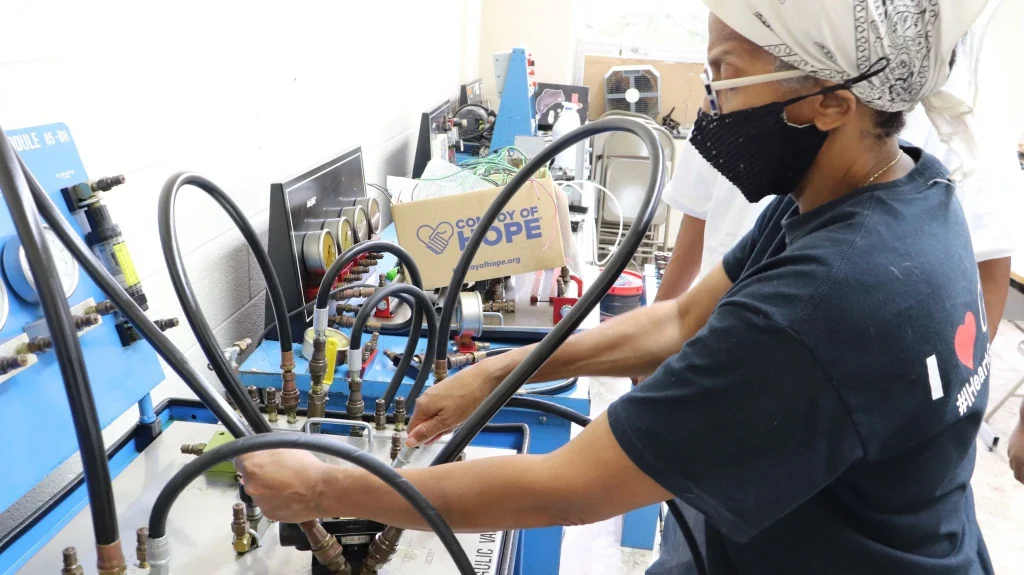
Philadelphia Technician Training Institute (PTTI) builds programs around hands-on skills and includes certifications that support long-term career paths, not just entry-level placement. Additionally, coursework such as Job Application Skills in skilled trade career growth helps graduates continue to build communication and leadership skills beyond their first job.
Here’s how PTTI supports the full career journey:
Finally, PTTI reports a placement rate near 92%, giving graduates a strong starting point for the career growth that follows.
PTTI alumni career paths rarely stop at that first trade job; it is usually about keep building from there. However, it takes more than just time on the job; it takes valuable certifications, soft skills, and a willingness to keep growing. From entry-level roles and specialized certifications to eventual leadership positions, the trades offer a real, long-term career ladder. Overall, that first job is just the beginning of a career path with plenty of room to climb.
Ready to start building your own career path? Want to be a PTTI Alum? For extraordinary trade career advancement. Then must connect with the career services department, which is built to assist. Aspirants, contact PTTI at 215-381-9403 or info@ptt.edu to speak with an advisor.
You will be a trainee under a manager. Most move through stages of additional certification, specialization, and eventually leadership roles.
Sometimes Growth patterns vary by trade, but most programs offer clear paths toward specialization and leadership.
Timelines vary, but added certifications and experience generally speed up advancement. Will help you you to grab the job easily
Yes. Exactly. Many experienced technicians move into supervisory roles or start independent businesses.
Yes. Absolutely, PTTI’s coursework and certifications are designed to support long-term career growth.
Read More