
Technical skills can help you qualify for a skilled-trade job. However, employers also need workers who communicate clearly, arrive prepared, follow instructions, and work well with others.
A student may know how to use tools and equipment. Yet, workplace success also depends on how that student interacts with supervisors, coworkers, customers, and other professionals.
That is why communication skills for skilled trades matter.For Philadelphia students preparing for technical careers, developing strong work habits alongside hands-on skills can create a stronger foundation for entering the workforce.
Trade workers rarely work completely alone.
A technician may need to explain a problem to a supervisor. A plumber may discuss a repair with a customer. An electrician may coordinate work with another trade. An HVAC technician may explain equipment issues to a property owner.
Clear communication helps everyone understand what needs to happen. Poor communication can create confusion, delays, mistakes, or safety concerns.
Therefore, students should treat communication as part of their technical training. You do not need complicated vocabulary. You need to listen carefully, speak clearly, ask questions, and provide accurate information.
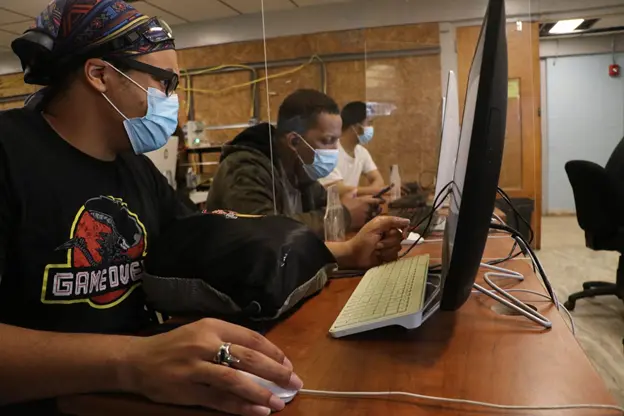
Good communication starts with listening. When an instructor or supervisor explains a task, avoid interrupting. Pay attention to the instructions and make sure you understand the expected result.
If something remains unclear, ask. This shows understanding and interest in learning, instead of pretending to understand. Say: Can you show me that step one more time?” That simple question can prevent mistakes. It also shows that you care about completing the task correctly. It will also show dedication
Questions can demonstrate curiosity and attention.However, ask questions at the right time.First, listen to the complete instruction. Then identify what you do not understand.Useful questions might include:
Ask about certification or license needed
These questions help you understand the task rather than simply copy it. Over time, asking thoughtful questions can strengthen your job-ready skills.
Every trade program has its own management regarding classes and procedures, as sometimes it might happen. A tool may stop working. A measurement may look incorrect. Equipment may behave unexpectedly. Explain what happened without exaggerating or blaming someone else.
Professional communication does not mean sounding formal all the time. It also means communicating respectfully and appropriately with the client. Use clear language with instructors, supervisors, coworkers, customers, and other professionals.
Avoid unnecessary arguments or disrespectful responses. If you disagree with someone, explain your concern calmly. Even communication at the job site matters a lot. Text messages, emails, scheduling updates, and workplace platforms can all affect how others view your professionalism.
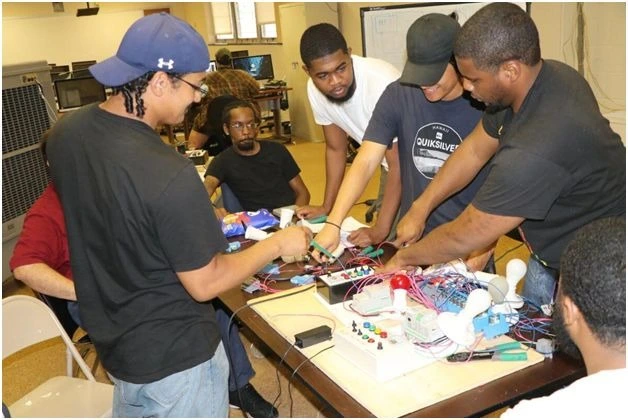
Work ethic matters a lot in skilled trades because it supports promotions and other career opportunities. Work ethic also shows your readiness to handle tasks with respect. Employers need workers who take their responsibilities seriously. That includes showing up on time, following procedures, staying focused, caring for equipment, and completing assigned work. Work ethic develops through daily habits. You do not build it overnight. Instead, you demonstrate it through consistent behavior.
Punctuality matters in construction, HVAC, automotive, electrical, welding, plumbing, and other technical fields. It shows your dedication to work. Also helps you get more projects; clients also give good ratings for your performance for being on time. One late worker can affect an entire team.
Therefore, plan your schedule before the workday begins. Know where you need to go. Prepare your clothing and equipment. Check your transportation plans. Allow extra time for unexpected delays.Arriving early can give you time to prepare instead of rushing into the workday.
Preparation shows responsibility. Before training or work begins, make sure you have the items you need.Depending on the trade, that may include appropriate work clothing, safety equipment, notebooks, tools, identification, or other required materials. You should also review previous instructions when necessary. Preparation helps you spend more time learning and less time searching for what you need.
Tools are the backbone of any essential skilled trade. Learn how to use them correctly and safely. Also take care of them. Keep your workspace organized. Report damaged tools. Follow storage procedures. These small actions demonstrate professionalism. They also help create a safer and more efficient work environment.
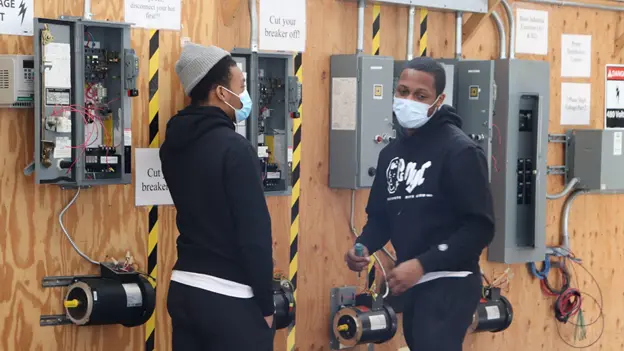
Feedback is the real motivation behind any work. Especially if you are a skilled trade professional or a beginner, feedback improves you at every step. Training exists because students need opportunities to learn. Your instructor may correct your technique.
Instead of taking every correction personally, treat useful feedback as information that can help you improve. Then apply it during your next attempt. This will help you develop more professional abilities.
Many skilled trades in Philadelphia involve teamwork. Construction projects, maintenance work, manufacturing environments, and service calls can require several people to coordinate their responsibilities. Teamwork means more than being friendly.You need to communicate, share information, respect responsibilities, and do your part.
Keep learning the existing tools along with the newly added machines. This will help you grow professionally. Completing trade school does not mean learning stops.
Technology changes.Equipment changes. Safety procedures change. Industry expectations change. Successful technicians continue developing their knowledge. Therefore, stay curious after graduation. Ask experienced workers questions. Read technical information. Attend additional training when appropriate. Explore certifications that apply to your career. A willingness to learn can help you remain valuable as your field develops.
Students do not need to wait for their first job to develop workplace communication. A trade school in Philadelphia can provide opportunities to practice these habits during training.
For example, students can practice communicating with instructors, working alongside classmates, following demonstrations, asking questions, and completing assignments.
Hands-on training also creates situations where students must communicate while performing technical tasks.That experience can make the transition into the workplace more familiar.
At PTTI, students receive hands-on training across multiple technical fields.
Programs include areas such as welding, HVAC, automotive technology, electrical technology, plumbing, pipefitting and steam systems, construction, concrete masonry, drywall and framing, sterile processing, and manufacturing and automation.
Students can build technical skills while learning to operate in a structured training environment. For Philadelphia students, this combination can help connect classroom concepts with practical work. However, students should also take responsibility for developing their professional habits.
Show up on time. Listen to managers or mentors at the client site. Ask questions to your supervisor if you need to get clarity on any of the tasks assigned to you . Practice the tools . Accept the feedback from supervisors. Work safely. Help your team. Those habits can matter as much as technical knowledge.
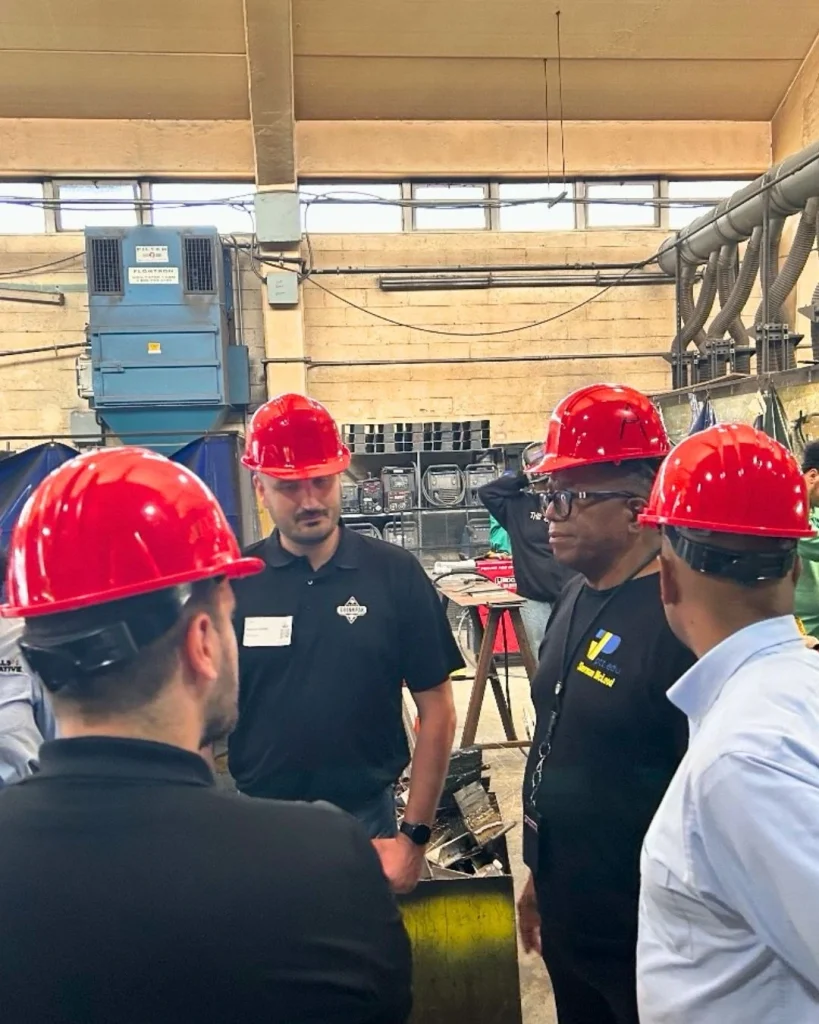
Your interview gives an employer more than a chance to review your technical experience. It also lets you demonstrate communication and professionalism. When answering questions, speak clearly and stay focused. Instead of giving one-word answers, briefly explain your experience.
For example, if an employer asks about teamwork, describe a specific training project where you worked with classmates. If they ask about a mistake, explain what happened and what you learned. If you lack work experience, discuss relevant training activities. Your hands-on experience can show how you approach practical problems.
Technical knowledge, communication, and work ethic should not operate separately. They support each other. Imagine a technician who understands a complicated repair but cannot explain the problem clearly.
Now imagine another technician who communicates well but cannot perform the technical task safely. Both situations create challenges. A strong worker needs a combination of abilities. Technical skills help you perform the work. Communication helps you coordinate the work.
A strong work ethic helps you complete the work responsibly. Together, these qualities can strengthen your professional foundation.
Preparing for a skilled-trade career involves more than learning technical procedures. You also need communication, reliability, teamwork, professionalism, and a strong work ethic. For Philadelphia students, developing these qualities during training can make the transition from school to employment smoother.
A trade school in Philadelphia can provide the technical environment where students practice real tasks. Students can then strengthen that experience by developing strong professional habits. These habits can help you enter the workforce with more than technical knowledge. They can show you are ready to contribute, learn, and grow.
Yes, communication helps workers follow supervisor instructions and handle tasks effectively. coordinate tasks, explain problems, and work safely with others.
Students can build work ethic by arriving on time, staying focused, completing tasks, and accepting feedback.
Employers may value technical ability, communication, teamwork, reliability, problem-solving, safety awareness, and professionalism.
Yes, hands-on projects and instructor interaction give students opportunities to practice workplace communication.
Skilled trades can provide practical career pathways for students who enjoy technical work, problem-solving, and hands-on learning.
Read More :