
After completing high school, thinking about joining the workforce can bring excitement, pressure, and plenty of questions. Along with all those feelings, one question comes up: What comes next? Should you attend college, find a job, or learn a practical skill?
However, training costs can feel like a major barrier. To avoid any financial barrier. That is where financial aid for trade school can make a difference. Programs such as FAFSA-based aid and other funding options can help eligible students manage the cost of career training.
PTTI combines classroom instruction, hands-on learning, career preparation, and student support. Its high school and after-school programs also give younger students an opportunity to explore technical careers before graduation.
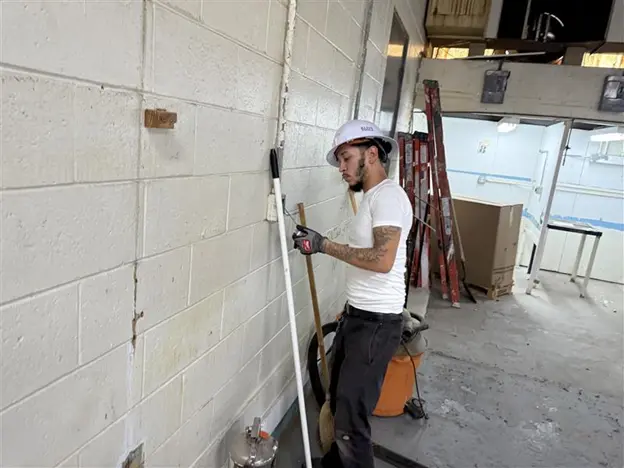
Not every student wants the same educational experience. Some students enjoy working with tools, equipment, technology, machines, vehicles, buildings, or electrical systems.
A skilled trade lets students turn those interests into practical abilities. Welding, automotive technology, HVAC, electrical work, construction, pipefitting, manufacturing, and other technical fields require focused training. Students learn how systems work and then practice applying that knowledge.
Therefore, skilled trades training can provide a direct way to develop career-ready abilities.
PTTI programs are designed for students entering technical training without extensive previous experience. The school states that many students begin with no prior experience and work toward job-ready skills through its curriculum.
Students do not have to wait until graduation to explore technical careers.
PTTI’s high school and after-school programs provide students with structured opportunities to experience different trade areas. According to PTTI, students can attend trade-learning sessions twice monthly and access hands-on activities involving tools, safety practices, VR technology, and instructor-guided demonstrations. This early exposure can help students make more informed decisions.
Instead of choosing a career based only on what they see online, students can experience technical environments firsthand. They can discover whether they enjoy welding, construction, healthcare-related technical work, robotics, or other fields.
Moreover, early exposure helps students understand the expectations of technical careers.
Choosing a trade school in Philadelphia gives local students the opportunity to pursue career-focused education within their community.
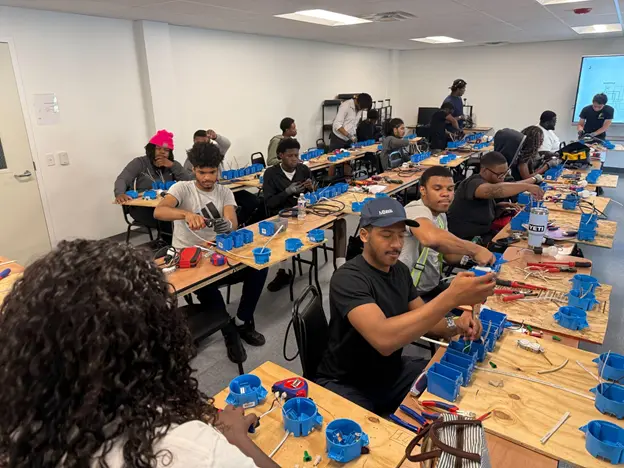
At PTTI, students receive technical instruction alongside practical experience. The training environment allows students to work with equipment and practice procedures under instructor guidance. That combination matters because trade careers require more than memorizing information.
Hands-on practice helps connect classroom knowledge with real work situations. PTTI offers programs covering areas such as automotive technology, welding, sterile processing, steam sprinkler and pipefitting, concrete and masonry, and manufacturing and automation.

Cost often becomes one of the first concerns after high school. Fortunately, students should not assume they must pay the entire training cost themselves.
Financial aid for trade school can come from different sources. Depending on eligibility, students may receive federal grants, loans, state assistance, institutional financing, or other forms of support. FAFSA plays an important role in this process. The Federal Student Aid office explains that completing the FAFSA can provide access to federal student aid for career schools and trade schools. Federal aid can include grants, work-study funds, and student loans.
PTTI also states that qualifying students can access federal financial aid through FAFSA. Its school code is 042213. PTTI’s financial aid office provides information about award letters, payment timing, billing procedures, and payment plans.
Students planning to begin training during the 2027–28 academic year should pay attention to the correct FAFSA form.
The 2027–28 FAFSA is currently available for students seeking aid for attendance between July 1, 2027, and June 30, 2028. Students should use the form corresponding to their enrollment period rather than automatically using an older application. The FAFSA helps determine eligibility for federal aid. Its information may also support aid decisions made by states and educational institutions. The Federal Pell Grant is one important example.
For the 2026–27 award year, the maximum Pell Grant is $7,395. However, the maximum amount for 2027–28 will be announced in early 2027. Therefore, students planning for 2027 should check StudentAid.gov for the latest amount instead of relying on the 2026–27 figure.
Federal assistance is not the only possibility. Pennsylvania offers several financial-assistance programs for eligible students. One example is the PA Targeted Industry Program, or PA-TIP. The Pennsylvania financial-aid guide states that PA-TIP provides need-based awards for qualifying students enrolled in eligible programs lasting at least 10 weeks but less than two academic years. Eligible programs must prepare students for high-demand fields, including energy, health, advanced materials, and diversified manufacturing. The listed maximum award is $6,000.
However, eligibility depends on the student’s circumstances and the specific program. Students should therefore review current requirements before counting on any particular state award. A financial aid advisor can help students understand which options may apply. Pennsylvania’s 2026–27 budget also includes additional investment in career and technical education, with the state reporting a $10 million increase for CTE funding.
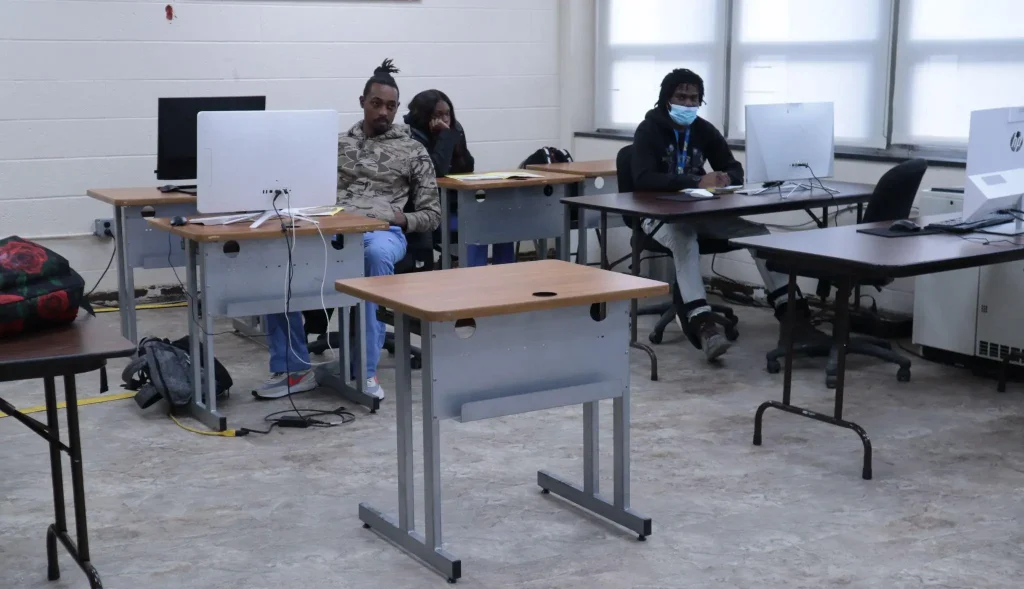
Applying for aid can feel confusing, especially for a student completing the process for the first time. PTTI financial aid support can help students understand the steps involved. The Admission process generally begins by identifying the training program, reviewing eligibility, completing the appropriate FAFSA, submitting required information, and reviewing the resulting financial aid information.
PTTI states that its Financial Aid Office prepares an award letter after the application and verification processes. The letter identifies the aid for which the student qualifies based on financial need and FAFSA information. Advisors can also explain payment schedules, billing procedures, and payment-plan options.
Students should still read every award carefully and ask questions about grants, loans, repayment requirements, and remaining balances before enrolling.
Financial aid addresses the cost side of training. Practical instruction addresses the skills side. At PTTI, students spend time learning technical concepts and applying them through hands-on activities. This approach can help students become more comfortable using equipment and following workplace procedures. For example, an HVAC student may practice installing and maintaining equipment. A welding student can work on welding techniques. Automotive students can develop diagnostic and repair skills.
Construction students can practice framing, finishing, masonry, or related techniques. As a result, skilled trades training connects education with practical work.
Students also develop soft skills along the way. Reliability, teamwork, communication, attention to detail, and problem-solving matter in almost every technical workplace.
Students can approach the transition from high school to technical training in manageable steps. Let’s explore steps:
Step 1: Explore Your Interests
Think about the work you enjoy. Do you prefer machines, vehicles, buildings, electrical systems, technology, or hands-on work? Do you prefer an office job, or do you prefer to stay in hands-on work??
Step 2: Know about Trade Programs
Skilled trade programs that match your interests. Compare course curriculum, training duration, equipment, student support, and career services.
Step 3: Review Your Financial Aid Options
Explore financial aid for trade school before assuming it’s affordable. Look into FAFSA, grants, state programs, payment plans, and other available options.
Step 4: Complete the FAFSA
Students planning for 2027–28 can complete the 2027–28 FAFSA. Make sure the information is accurate and review the resulting FAFSA Submission Summary.
Step 5: Talk With the School
Speak with the financial aid and admissions teams. What documentation you need, which programs qualify for financial aid, and what costs remain after your awards.
Step 6: Commit to the Training
Once you understand the program and finances, focus on building your skills. Attend consistently, practice carefully, ask questions, and learn from your instructors.
A four-year degree is not the only way to continue learning after high school.For some students, a technical education provides a more practical starting point. Instead of spending years deciding on a career path, students can explore a specific occupation and build specialized skills.
That does not mean every trade will suit every student. Career choice should depend on interests, abilities, financial circumstances, training requirements, and long-term goals.
For students who enjoy practical work, however, a trade school in Philadelphia can provide a structured environment for developing technical skills.
PTTI also emphasizes hands-on education and career preparation as part of its approach to technical training.
High school graduation does not have to mean having every career decision figured out immediately.
It can mark the beginning of exploration.
With the right program, students can learn practical skills, build confidence, prepare for employment, and create a foundation for future career growth. At the same time, financial aid for trade school can help eligible students address one of the biggest concerns: training costs.
Start by exploring the trade that fits your interests. Talk to the PTTI financial aid team and learn the process. Your future career can begin with one practical decision: learning a skill that you can build on.
Yes, eligible students can use FAFSA to apply for federal aid at qualifying trade and career schools.
Yes, absolutely. The 2027–28 FAFSA is available for students attending school in 2027- 2028.
Yes, PTTI states that qualifying students can access FAFSA-based federal aid and other financing options.
PA-TIP provides need-based awards to eligible Pennsylvania students in qualifying short-term programs connected to high-demand fields.
Yes, PTTI offers high school and after-school programs that provide hands-on exposure to technical career areas.
Read More :