
For many Philadelphia students, choosing a career can feel like choosing between two extremes. Go to college for four years and take on major costs. Or start working immediately and hope you can move up.
A skilled trade career can combine focused education, hands-on training, technical skills, and a faster path into the workforce. For students who want to build a career without spending years in a classroom, manufacturing and automation can be an especially practical choice.
A manufacturing training program Philadelphia students can access at Philadelphia Technician Training Institute (PTTI) focuses on the technologies behind modern production. Students learn electrical, mechanical, automation, troubleshooting, and other practical skills. And yes, robots are part of the picture. But don’t worry. They have not taken over the admissions office yet.
Manufacturing is no longer simply about assembly lines and repetitive tasks. Modern facilities use automation, robotics, sensors, programmable controls, electrical systems, and computer-based equipment. Someone still needs to install, operate, maintain, troubleshoot, and repair those systems. That creates opportunities for technicians with the right technical skills.
The U.S. Bureau of Labor Statistics reports that industrial machinery mechanics, machinery maintenance workers, and millwrights had a $64,100 median annual wage in May 2025. Employment across these occupations is projected to grow 14% from 2025 to 2035, much faster than average. That does not mean every graduate will immediately earn $64,100.
Your starting wage depends on your position, experience, location, employer, certifications, and skills. However, the numbers show why technical manufacturing careers deserve attention.
PTTI offers a Manufacturing and Automation Technician program designed around practical training. The current program states that students can complete it in 26 weeks. It includes hands-on experience, support, certifications, and industry connections. PTTI also lists grants, scholarships, loans, and institutional financing options among possible ways students may finance the program. Imagine graduating from high school and spending several years wondering what career you want.
Now imagine spending roughly six months building technical skills that can help you pursue manufacturing and automation opportunities. The second option does not guarantee success. However, it gives you a clear starting point.
A good manufacturing training program Philadelphia students choose should teach more than how to push buttons. Modern technicians need to understand what happens behind the button.
PTTI’s program covers areas such as:

The program’s curriculum also includes career preparation such as resume writing, interviewing, teamwork, and communication. Employers need people who understand equipment. They also need people who can communicate, follow safety procedures, solve problems, and work with a team.
One reason students should consider manufacturing automation training is its range. You are developing skills that can connect to different technical environments.
Depending on your training, experience, number of workshop you have attended along with certifications, and employer requirements, potential career directions can include:
| Career direction | Skills that can matter |
| Manufacturing technician | Equipment, production, troubleshooting |
| Industrial maintenance | Mechanical systems and maintenance |
| Automation technician | Controls, sensors, PLCs |
| Electrical technician | Wiring, electrical systems and diagnostics |
| Robotics technician | Robotics, controls and troubleshooting |
| Production technician | Manufacturing processes and equipment |
| Controls technician | Instrumentation, controls and automation |
The exact requirements vary by employer. Some positions may require additional credentials or experience. That is why learning several connected skills can make your training more useful over time.
A certificate does not magically turn a beginner into an expert. However, it can show that you completed structured training and developed specific skills. That distinction matters when you are starting out. Think about it from an employer’s perspective.
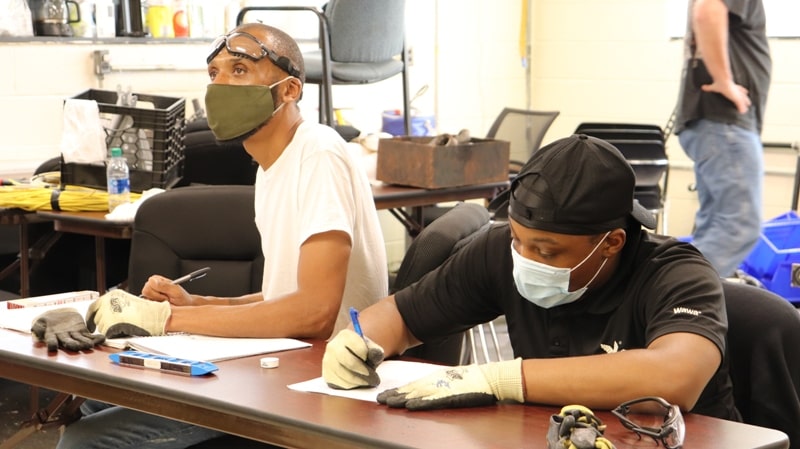
A young applicant walks in and says, “I can learn anything.” Another applicant says, “I completed technical training, practiced electrical systems, learned PLC fundamentals, worked with automation equipment, and can explain how I troubleshoot a problem.” The second candidate has something concrete to discuss.
PTTI identifies certifications as part of its Manufacturing and Automation program. That gives students another reason to take training seriously.
A manufacturing certification Philadelphia students earn can become one part of a longer career strategy. Financial stability usually develops over time.
It can come from gaining experience, increasing responsibility, developing specialized skills, earning additional credentials, and moving into better positions.
Manufacturing automation is worth considering because modern production depends on increasingly sophisticated equipment.
BLS reports that industrial machinery mechanics, machinery maintenance workers, and millwrights had 547,300 jobs in coming year as projected 2034, with manufacturing accounting for 51% of employment in this occupational group. That gives students a useful picture of where technical skills can lead.
Cost is one of the biggest concerns for students from lower-income h ouseholds .However, students should not automatically assume that trade school is financially out of reach.
PTTI states that financial aid is available to students who qualify. The Institute provides aid to students through FAFSA and provides its school code, 042213, for the financial-aid process. Applicable for programs like Welding , pipefitting . etc., including grants, scholarships, federal and private loans, and institutional financing plans. Eligibility varies, so students should speak directly with the school about their individual situation.
Before enrolling in any manufacturing technician training Philadelphia students should compare programs carefully.
Look for:
Do not choose a program because someone promises that you will become rich quickly. Choose it because the skills make sense for the career you want.
High school students can start exploring these careers before graduation.
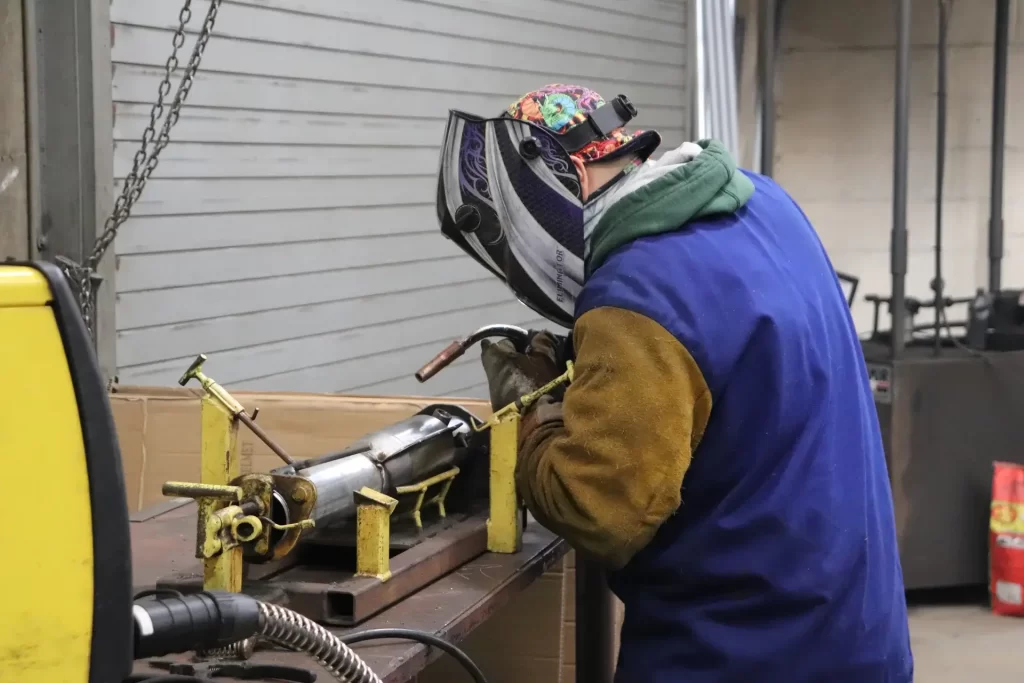
PTTI’s high-school trade program gives students exposure to practical trade learning while they continue their regular high-school education. The program includes hands-on lessons, actual tools and equipment, technology-enhanced learning, and exposure to manufacturing, electrical, robotics, HVAC, and related fields.That early exposure can help students make smarter decisions. Instead of asking, “What am I supposed to do with my life?”You can start asking better questions.
If the answer is yes, manufacturing automation deserves a closer look.
The best career decision is not always the one that sounds impressive at a family gathering. The one that gets you into a lab instead of keeping you behind a desk all day. The one that lets you work with technology while solving real problems.
For Philadelphia students, a manufacturing training program Philadelphia pathway at PTTI can provide a focused starting point in manufacturing, electrical systems, automation, robotics, and troubleshooting. PTTI reports a 92% job-placement rate for students who complete its manufacturing training programs. Students should still understand that individual employment outcomes vary by skills, experience, employer demand, and other factors.
The bigger point is simple. And you do not have to figure everything out alone. PTTI can help students explore skilled trade education, understand financial-aid options, develop practical skills, and prepare for the workplace. If manufacturing, automation, robotics, or electrical technology interests you, start by asking questions. Your future does not need to look like everyone else’s. Sometimes, the smartest move is simply learning a skill that the real world needs.
PTTI currently lists the Manufacturing and Automation Technician program as a 26-week program.
Students who qualify may have access to financial aid and other financing options, so they should discuss eligibility with PTTI.
Students can learn electronics, PLCs, robotics, controls, troubleshooting, equipment maintenance, and related technical skills.
Manufacturing can offer several technical career pathways, particularly for students who enjoy hands-on problem-solving and technology.
Yes. PTTI offers high-school trade learning opportunities that expose students to practical skills and trade environments.
READ MORE BLOGS