
Choosing a trade school is a big decision. You want to learn skills that you can actually use at work, not just memorize information for a test. That is why many students pay close attention to the instructors when comparing trade schools in Philadelphia.
An instructor with real-world experience can make technical lessons easier to understand. They can explain how a skill is used on the job, demonstrate the right way to complete a task, and share examples that go beyond what you may find in a textbook.
For students considering a career in the skilled trades, this kind of practical knowledge can make training feel more connected to the career they want.
Learning a skilled trade takes practice. You need to become comfortable using tools, following procedures, working safely, and solving problems.
This is where an experienced instructor can make a real difference. Instead of simply explaining how something works, they can show you what to do and help you correct mistakes as you learn.
For example, an automotive student may learn about vehicle systems in the classroom. However, working on an actual vehicle can provide a much better understanding of how those systems work together.
The same applies to welding, manufacturing, pipe fitting, concrete work, drywall, and other technical fields. Students benefit when classroom lessons connect with practical work.
At Philadelphia Technician Training Institute (PTTI), hands-on learning is an important part of the student experience. The school focuses on technical education that helps students develop practical skills for the workplace.
PTTI’s instructors bring trade knowledge into the classroom and training environment. Students have opportunities to ask questions, practice skills, and learn how technical work is performed.
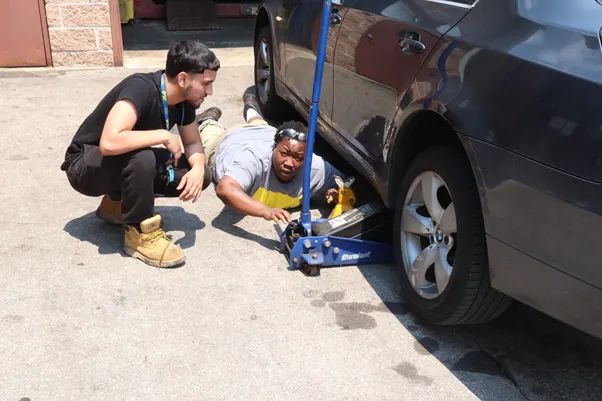
This approach can be especially helpful if you prefer learning by doing rather than spending most of your time sitting in a classroom.
A good instructor does more than teach the basics. They help students understand what the work can actually be like.
That can include explaining how to use equipment, how to approach a technical problem, and what mistakes to avoid. These small lessons can become valuable when students eventually start working in the field.
At PTTI, students train in programs such as Automotive Repair, Welding Technology, Manufacturing and Automation, Drywall Framing and Finishing, Concrete and Masonry, and other skilled trades.
Each program requires different technical skills. Having instructors who understand those skills can help students feel more prepared as they move through their training.
It is one thing to read about a tool or machine. It is another thing to actually use it.
Hands-on trade training gives students the opportunity to practice what they learn. Over time, this practice can help students become more comfortable with tools, equipment, safety procedures, and technical tasks.
At PTTI, practical training is built into the learning experience. Students can work on real training projects and develop skills under instructor guidance.
This also gives instructors an opportunity to see where a student needs help. If something is not being done correctly, the instructor can demonstrate the process and allow the student to try again.
Online reviews can give you an idea of what other students think, but they should not be the only thing you consider.
When comparing trade schools in Philadelphia, take some time to learn about the instructors and the training itself.
Ask whether instructors have experience in the trade they teach. Find out how much hands-on training students receive. You can also ask what type of equipment students use and how instructors help students who need extra practice.
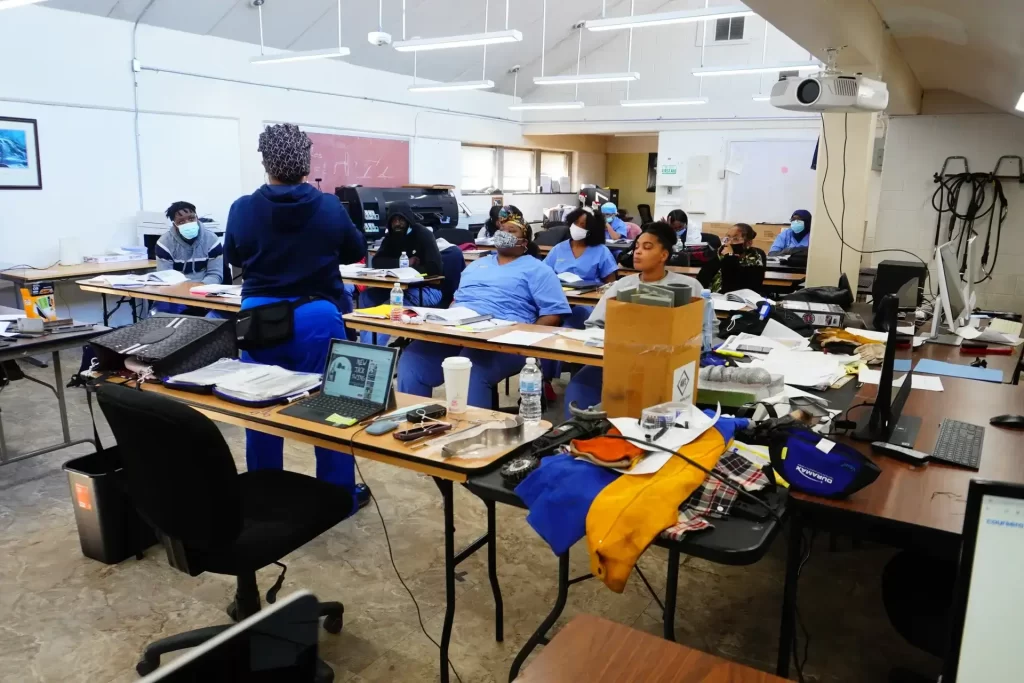
It is also worth reading student reviews and testimonials. Look for comments about whether instructors explain things clearly, answer questions, provide support, and help students become more confident with their skills.
A school visit can also tell you a lot. Seeing the classrooms, workshops, tools, and training environment can help you decide whether the school feels like the right fit.
Technical training can feel challenging at first. New tools, unfamiliar equipment, and technical terms can take time to understand.
That is why instructor support matters. Students should feel comfortable asking questions and making mistakes while they learn.
PTTI focuses on creating a supportive learning environment where students can work with instructors and continue developing their technical abilities.
The school’s alumni testimonials also give prospective students an opportunity to learn about the experiences of people who have completed their training.
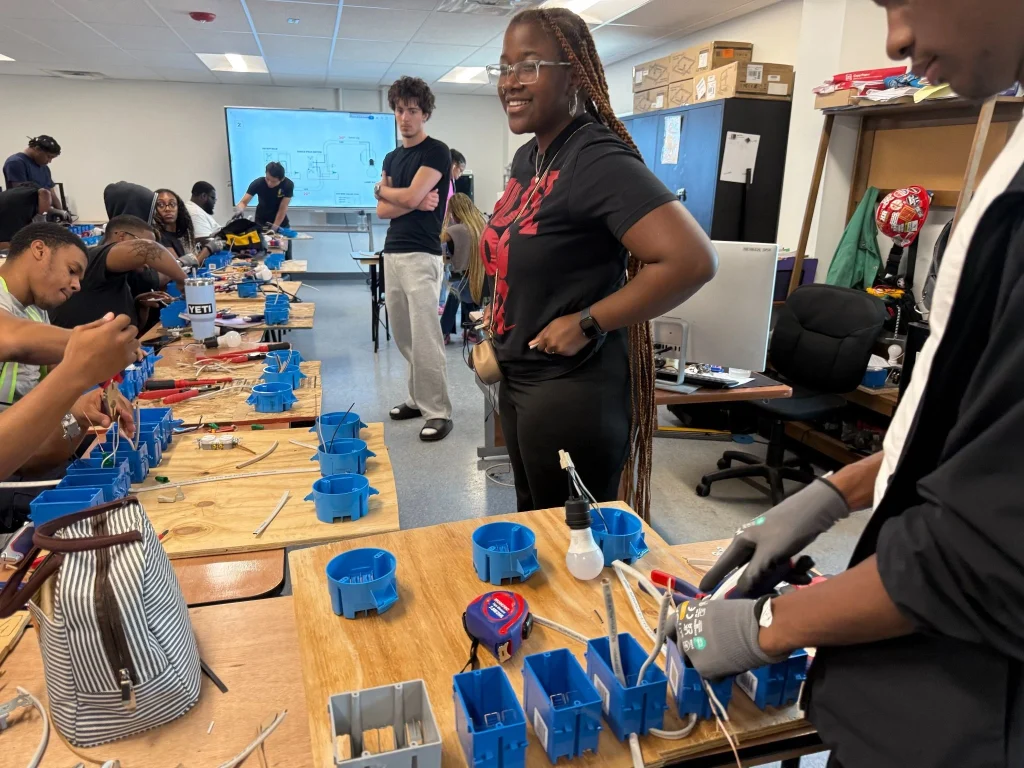
The goal of trade school is not simply to finish a course. You are preparing for a job that requires you to use your skills every day.
Experienced instructors can help bridge the gap between learning a skill and knowing how to use it in a workplace.
They can explain why safety matters, how to approach a difficult task, and what employers may expect from someone entering the trade. These lessons can be just as useful as the technical information taught in class.
For students looking for vocational training in Philadelphia, it is worth finding a school where practical learning and instructor guidance are part of the experience.
If you prefer practical learning, PTTI is worth considering. The school offers several career-focused trade programs and combines classroom instruction with hands-on training.
Students can develop technical skills while working with instructors and practicing the tasks connected to their chosen field.
The right school will depend on your career goals and the type of learning environment you prefer. Before enrolling, take the time to visit the school, ask questions, learn about the program, and understand what your training will look like.
Choosing between trade schools in Philadelphia is about more than finding a program that sounds interesting. You also want instructors who can teach the skills clearly and help you understand how those skills are used in the real world.
Hands-on training, instructor support, practical experience, and career preparation can all make a difference in your education.
At PTTI, students have the opportunity to learn skilled trades through practical training while receiving guidance from instructors throughout the process. If you learn best by doing, this type of training can give you a more direct way to build your skills and prepare for your next step.
Q1. Why are experienced trade instructors important?
Experienced instructors can connect classroom lessons with practical situations and show students how technical skills are used at work.
Q2. Does PTTI provide hands-on trade training?
Yes. PTTI provides hands-on training across several programs, including automotive repair, welding, manufacturing, concrete, drywall, and other skilled trades.
Q3. How can I choose the right trade school in Philadelphia?
Compare instructor experience, hands-on training, equipment, program content, student feedback, and career support before making your decision.
Q4. Can hands-on training help students prepare for work?
Yes. Practical training gives students opportunities to use tools, practice technical tasks, and build confidence before entering the workplace.
Read more blogs