
If you like working with tools, machines, metal, or electrical equipment, a career in a fabrication shop or industrial plant may be worth considering. These workplaces need people who can operate equipment, follow technical instructions, solve problems, and do the job safely.
The good news is that you do not necessarily need a four-year college degree to get started. A trade school can help you learn the practical skills needed for many technical jobs. In Philadelphia, students can choose from different programs depending on the type of work they want to do.
Philadelphia Technician Training Institute, or PTTI, is one option for students looking for hands-on technical training. Its programs include Welding Technology and Manufacturing and Automation, two areas closely tied to fabrication and industrial work.
Fabrication work involves making, assembling, modifying, or repairing parts and products, often using metal. The exact work depends on the shop and the industry. Some workers may cut and shape metal, while others may weld parts together or operate equipment used during production.

Accuracy is important in this kind of work. A small mistake in a measurement or weld can affect the final product. Workers also need to understand how to use tools properly and follow safety rules throughout the job.
This is why hands-on practice matters. Students can learn the basics in a classroom, but working with actual tools and equipment gives them a better idea of what the job is really like.
Welding is an important part of many fabrication shops. Welders join metal parts using different techniques and equipment, depending on the project and the type of material they are working with.
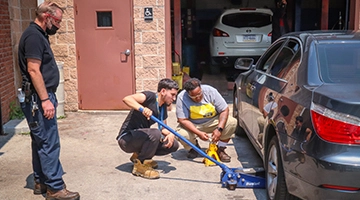
Welding skills can be used in several industries. A trained welder may find opportunities in fabrication, manufacturing, construction, maintenance, repair, and other areas where metalwork is required.
PTTI’s Welding Technology program focuses on teaching students how to work with welding equipment and apply different welding techniques. Students also learn about workplace safety, troubleshooting, and other skills that are important when working in a professional setting.
For someone who enjoys practical work and would rather learn a skill than spend years in a traditional classroom, welding can be a career worth exploring.
Not every industrial job involves welding. Manufacturing facilities have become more dependent on automation, which has created a need for workers who understand machinery, electrical systems, controls, and automated equipment.
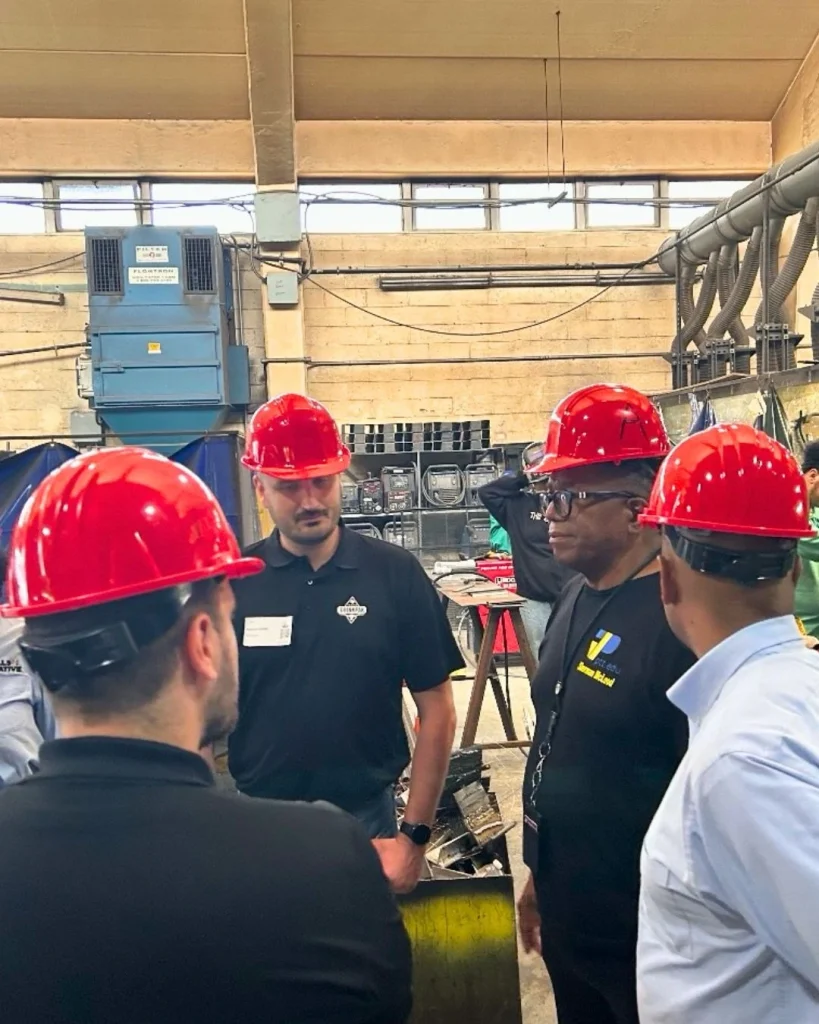
This is where manufacturing and automation training can be useful. Students can learn how different mechanical and electrical systems work and how they are used in production environments.
PTTI’s Manufacturing and Automation program covers areas such as electrical systems, mechanical systems, robotics, wiring, controls, automated equipment, and troubleshooting. These skills can be useful for students who want to work around modern manufacturing equipment.
The work can also be varied. One day may involve checking equipment, while another may involve troubleshooting a system or helping keep a production process running.
Imagine learning how a welding machine works but never getting the chance to use one. Or studying an automated system without ever seeing how its components work together. The gap between knowing something and being able to do it can be significant.
Hands-on training helps close that gap. Students can practice using equipment, handling tools, following safety procedures, and solving common technical problems.
At PTTI, practical training is an important part of the learning experience. Students get opportunities to apply what they learn instead of relying only on textbooks and lectures.
This can also help students understand what type of work they enjoy before they enter the workforce.
The right school depends on the career you have in mind. If you want to work mainly with metal, welding and fabrication training may be a better fit. If you are more interested in machinery, robotics, electrical systems, or automated production, manufacturing and automation may make more sense.
Before enrolling, look at what the program actually teaches. Find out what equipment students use, how much hands-on training they receive, whether certifications are available, and how the school prepares students for employment.
It is also worth considering the instructors and the overall learning environment. You want a program where you can ask questions, practice your skills, and get comfortable with the work before entering a professional setting.
For many students, trade school provides a practical way to learn job-specific skills. Instead of spending several years studying a broad range of subjects, students can focus on the technical area they want to pursue.
That does not mean every graduate will follow the same career path. A welding student may eventually work in fabrication, manufacturing, maintenance, or another industry. A student trained in automation may find work around production equipment, electrical systems, or industrial machinery.
Your first job may also not be your final destination. Once you have experience, you can continue learning, earn additional certifications, and take on more responsibilities.
For Philadelphia students who want a hands-on approach to career training, PTTI offers programs connected to several areas of skilled trade work.
Its Welding Technology program can be a good fit for students interested in metalwork and fabrication. Its Manufacturing and Automation program is aimed at students who want to understand the machinery, electrical systems, robotics, and automation used in modern manufacturing.
The focus is practical. Students spend time developing skills they can use outside the classroom, which can make the learning experience more relevant to the type of work they want to pursue.
You do not have to know exactly where your career will take you before you start. What matters is finding a training program that matches your interests and gives you a chance to develop real skills.
If you enjoy working with metal, welding could be a natural starting point. If machines, robotics, and automated systems interest you more, manufacturing and automation may be the better direction.
For students searching for Philadelphia fabrication training, exploring hands-on programs like those offered at PTTI can be a useful first step. With practical training and a willingness to learn, you can start building skills that can take you into fabrication shops, manufacturing facilities, and other industrial workplaces.
Here’s a more natural, human-sounding ending that fits the PTTI website blog and doesn’t feel overly SEO-written.
Starting a career in fabrication or manufacturing begins with learning the right skills. If you enjoy working with tools, metal, machinery, or technology, there are several skilled trade paths you can explore in Philadelphia. The right training can help you understand the work, gain practical experience, and feel more prepared when you enter the workforce.
PTTI allows students to learn through hands-on training in areas such as Welding Technology and Manufacturing and Automation. Whether you see yourself working in a fabrication shop or around modern industrial equipment, choosing a program that matches your interests can help you take the next step toward a career you can build on.
Basic welding, measuring, equipment operation, material handling, and workplace safety are useful skills for students interested in fabrication work.
Welding can be a good option for people who enjoy hands-on work and working with metal. Training can also open opportunities in fabrication, manufacturing, construction, and repair.
Manufacturing and automation programs can cover electrical systems, machinery, robotics, controls, wiring, automated equipment, and basic troubleshooting.
Not necessarily. Many fabrication and skilled trade careers focus on technical skills and practical experience. Trade school can provide focused training for students who want to enter these fields.
Read more blogs