
If you’re thinking about a career in automotive repair, the first question you probably have is simple: how much money will I actually make? That’s a fair question. And the answer might surprise you.
Automotive technicians earn strong, stable salaries — and with the right training and certifications, that pay grows fast. In this blog, we break down real salary numbers by experience, location, and specialty. We also show you exactly how PTTI’s automotive training program in Philadelphia helps you start this career the right way.
Explore PTTI’s Automotive Technology Program →
According to the Bureau of Labor Statistics (BLS), the median annual salary for automotive service technicians and mechanics was $49,670 in May 2024. That’s the national midpoint — meaning half of all technicians earn more than that.
But here’s what most people don’t realize. That number is just the starting point.
The average automotive technician salary across the U.S. is $64,398 as of 2026, with most professionals earning between $58,333 and $69,581 per year. Top earners push well above that.
So when you combine base pay, flat-rate bonuses, and certifications, the actual earning potential is a lot higher than people expect.
Automotive Technician Salary by Experience Level
One of the biggest factors that affects your pay is how long you’ve been in the field. Here’s a clear picture of how auto technician pay by experience changes over time:
| Experience Level | Annual Salary (U.S.) | Annual Salary (Philadelphia) |
| Entry-Level (0–3 years) | $38,000 – $44,000 | $43,680 – $55,000 |
| Mid-Level (3–5 years) | $49,000 – $60,000 | $55,000 – $67,000 |
| Experienced (5–8 years) | $60,000 – $74,000 | $67,000 – $77,000 |
| Senior/Master Tech (8+ years) | $74,000 – $95,000+ | $77,662 – $95,974+ |
In Philadelphia specifically, the average annual salary for an automotive technician is $67,283, with top earners reaching $77,662 per year.
This is the biggest one. The ASE certification salary boost is real and significant. Holding certifications from the National Institute for Automotive Service Excellence (ASE) can significantly boost earnings. Expertise in areas like hybrid or electric vehicles often leads to higher pay.
Technicians with ASE Master Technician status are among the highest earners in the field. Shops actively compete to hire them.
Where you work matters.Especially the kind of environment you face. Dealerships, independent shops, and fleet companies all pay differently.
The top five paying industries for automotive technicians include government and public administration, information technology, financial services, retail and wholesale, and manufacturing.
Dealerships tend to pay higher flat-rate wages and offer additional brand training. Government fleet jobs often come with strong benefits, too.
Earnings for auto mechanics in USA vary significantly by state and metropolitan area. States with higher living costs and a high demand for skilled technicians tend to offer higher wages.
Philadelphia is a strong market. The demand for trained technicians here remains consistent year-round due to the city’s large population and high number of registered vehicles.
Automotive mechanics who pursue automotive engineering and who specialize in electric vehicles or advanced diagnostics earn more. As the automotive technician career in Philadelphia grows rapidly with rising EV adoption, specialists in this field are already commanding premium paychecks.
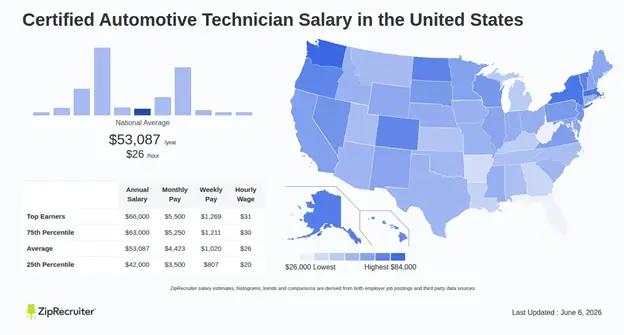
Source image: Zip recruiter
Here’s a simple at-a-glance chart to show how salary grows across key career stages:
Entry-Level [$38K–$44K] ████████░░░░░░░░░░░░░░░░
Mid-Level [$49K–$60K] ████████████░░░░░░░░░░░░
Experienced [$60K–$74K] ████████████████░░░░░░░░
Senior/Master [$74K–$95K+]████████████████████████
The takeaway here is simple. The more skills and certifications you have, the more you earn. And the fastest way to build those skills is through focused, hands-on training — not four years of general education.
Employment of automotive service technicians and mechanics is projected to grow 4 percent from 2024 to 2034, about as fast as the average for all occupations. About 70,000 openings are projected each year, on average, over the decade. Moreover, due to rising gas prices, the shift toward electric vehicles is creating entirely new specialties. Shops need technicians who understand both traditional combustion engines and EV systems. That makes skilled, trained techs even more valuable right now.
The automotive technician career in Philadelphia specifically get benefits from the city’s active commuter and the steady demand for vehicle repair and maintenance across dealerships, fleet services, and independent garages.
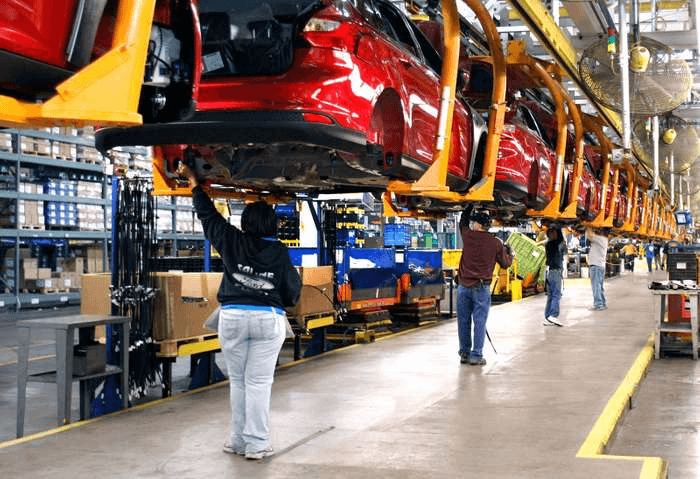
PTTI’s Automotive Technology and Repair Program gives students comprehensive hands-on experience with engines, transmissions, electrical systems, steering, suspension, diagnostics, and braking — with equipment that mirrors what professionals use in real shops.
But the program goes further than just technical skills. Here’s what makes it different:
PA State Emissions and Safety License Prep Students learn about the Pennsylvania Emissions Inspection, fraud prevention, and how to explain inspection results to management and customers. PTTI helps schedule the PA State Emissions Licensing Exam, a critical credential for securing a job in automotive repair in Pennsylvania. This alone puts PTTI graduates ahead of the line when applying to local shops and dealerships.
EV and Modern Vehicle Training PTTI ensures that students are acquainted with the most modern technology and sustainable vehicle systems, including electric and hybrid vehicles. As EV demand rises, this is a serious advantage that boosts your ASE certification salary boost potential from day one.
Career Services Before You Graduate Once a student reaches approximately 700 hours, PTTI’s Career Services department prepares them for their career with professional development classes covering resume writing, career identification, interview coaching, and financial management.
That means you’re not job hunting alone after graduation. You’re walking in with a polished resume, a prepared pitch, and a network of local employers already in place.
Job Placement Support Due to PTTI’s job placement programs, many students begin earning even before they graduate. That’s not a promise most programs can make.
| Employer Type | Estimated Annual Salary |
| Automotive Dealership | $55,000 – $80,000 |
| Independent Repair Shop | $44,000 – $65,000 |
| Fleet Service Company | $50,000 – $72,000 |
| Government / Municipal Fleet | $52,000 – $75,000 |
| EV Specialty Shop | $60,000 – $90,000+ |
The more specialized your skills, the higher your position on this table. That’s why PTTI focuses on building a broad technical foundation — and prepares students for both traditional repair and modern EV systems.
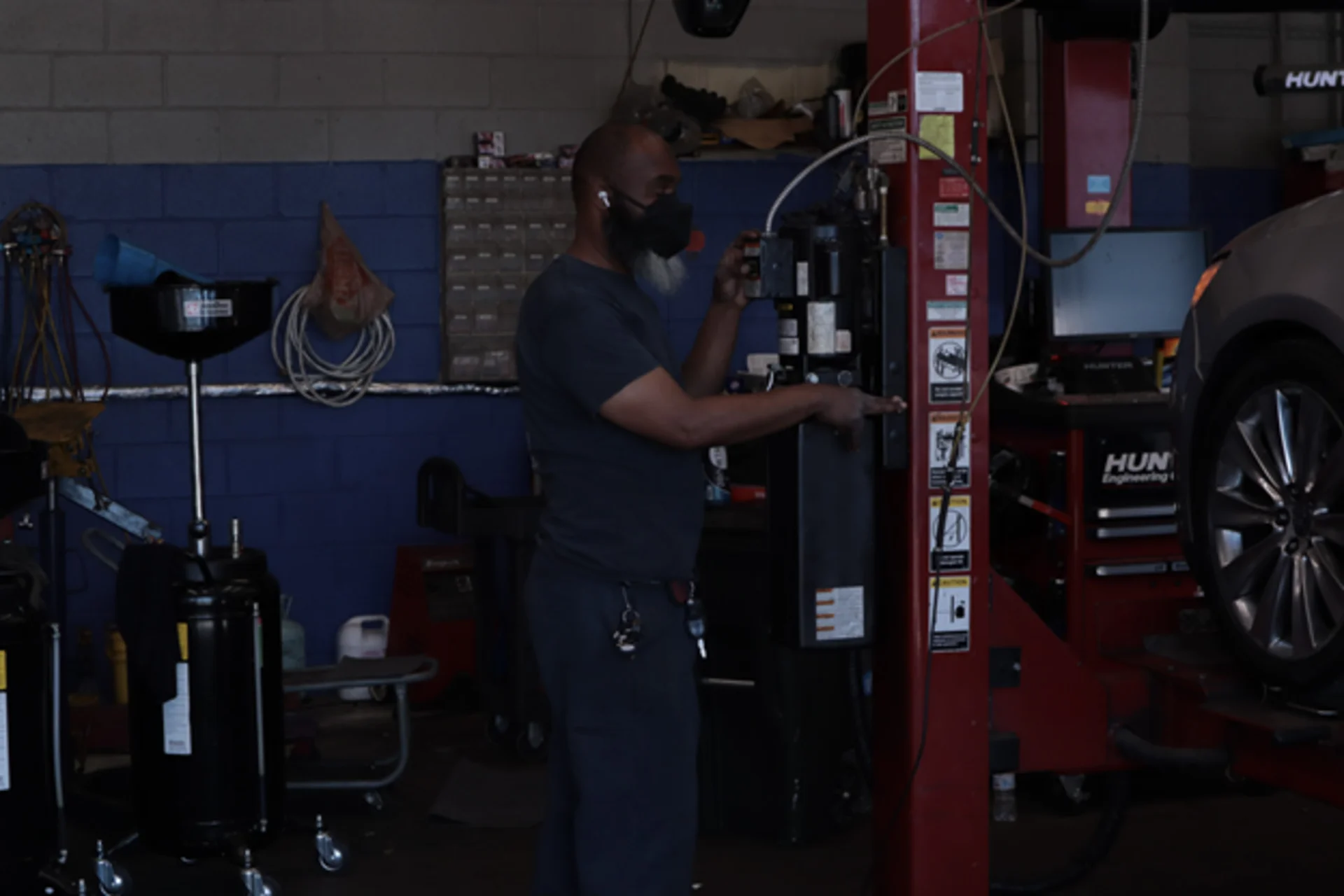
You don’t need prior experience. You just need a high school diploma or GED and the drive to learn a real skill.
The PTTI automotive training program is a strong fit if you:
Financial aid is also available. PTTI accepts FAFSA (school code: 042213), and grants, federal loans, and institutional financing are all options for qualifying students.
The automotive technician salary in Philadelphia is competitive, growing, and directly tied to the skills and certifications you build. The faster you get trained, the faster you start earning — and the faster your pay grows.
PTTI’s automotive training program gives you the hands-on skills, state licensing prep, modern EV knowledge, and career support to step into this field with confidence.
Q1. How much does an automotive technician make in Philadelphia specifically?
In Philadelphia, the average automotive technician salary is around $67,283 per year. Entry-level positions typically start between $43,000 and $55,000, while experienced technicians with ASE certifications and specializations can earn upwards of $67,000 to $85,000 annually. That will be helped by PTTI Mentors.
Q2. Does getting ASE certified actually increase your pay?
Yes — significantly. ASE certifications are the industry standard for automotive technicians, and most employers pay more for certified techs. Achieving ASE Master Technician status opens the door to the highest-paying positions in dealerships, specialty shops, and EV service centers. PTTI’s automotive program prepares students to pursue ASE certification during their training.
Q3. How long does PTTI’s automotive training program take?
PTTI’s automotive training program is a fast-track, accelerated program designed to get students job-ready without spending years in school. Most students complete the program within a year. Career services begin once you reach approximately 700 hours of training, so you’re already preparing for your job hunt before you even finish.
Q4. Do I need prior experience to enroll in PTTI’s automotive program?
No. PTTI programs are built for beginners. Most students come in with zero hands-on automotive experience, and the curriculum is designed to build your skills from the ground up. All you need is a high school diploma or a GED to get started.
Q5. What types of jobs can I get after completing PTTI’s automotive program?
PTTI graduates go on to work at automotive dealerships, independent repair shops, fleet service companies, municipal vehicle departments, and EV specialty centers across Philadelphia and the surrounding region. PTTI’s job placement support and Career Services team help connect graduates directly with employers, and many students receive job offers before graduation.
Read More blogs :