
You can walk into a fabrication shop, an HVAC company, or a construction site in Philadelphia and sometimes get hired on the spot as a helper, no training required. So a fair question follows: is trade school worth it if you could get hired without it? The honest answer is that getting hired and building a career are two very different things, and the gap between them is exactly what trade school is designed to close. This guide looks at that gap directly, without hype. We will compare the real difference between an untrained entry job and a trained skilled-trades career, weigh the true cost and length of training, and look at where a hands-on trade school in Philadelphia fits for people who want a faster, more affordable path than a four-year degree. That is the question many people weighing trade schools in Philadelphia are really asking. Whether you are a high school graduate, a career changer, a veteran, or an adult learner, you will leave with a clear framework for deciding whether formal training is the right move for your goals.
For most people who want a real career rather than a temporary paycheck, trade school is worth it even when you could get hired without it. An untrained job gets you in the door, but formal training builds the certifications, safety knowledge, and job-ready skills that lead to higher pay, faster advancement, and far more stability over a career.
The confusion usually comes from treating “I can get hired” as the finish line. In the skilled trades, it is the starting line. Plenty of employers will hire an untrained worker as a laborer or helper because that role needs a willing body more than a specific skill set. That is genuinely a way in. The problem is what happens next. Without training, you often stay in the lowest-paid, most physically punishing tasks while the trained technicians handle the skilled work that actually pays. So the real question is not whether you can get a first job without school, but whether you want to spend years hoping to be taught versus arriving already able to do the work.
The entire question of whether trade school is worth it comes down to one distinction: the difference between being employable and being skilled. These sound similar, but they produce very different careers and very different paychecks.
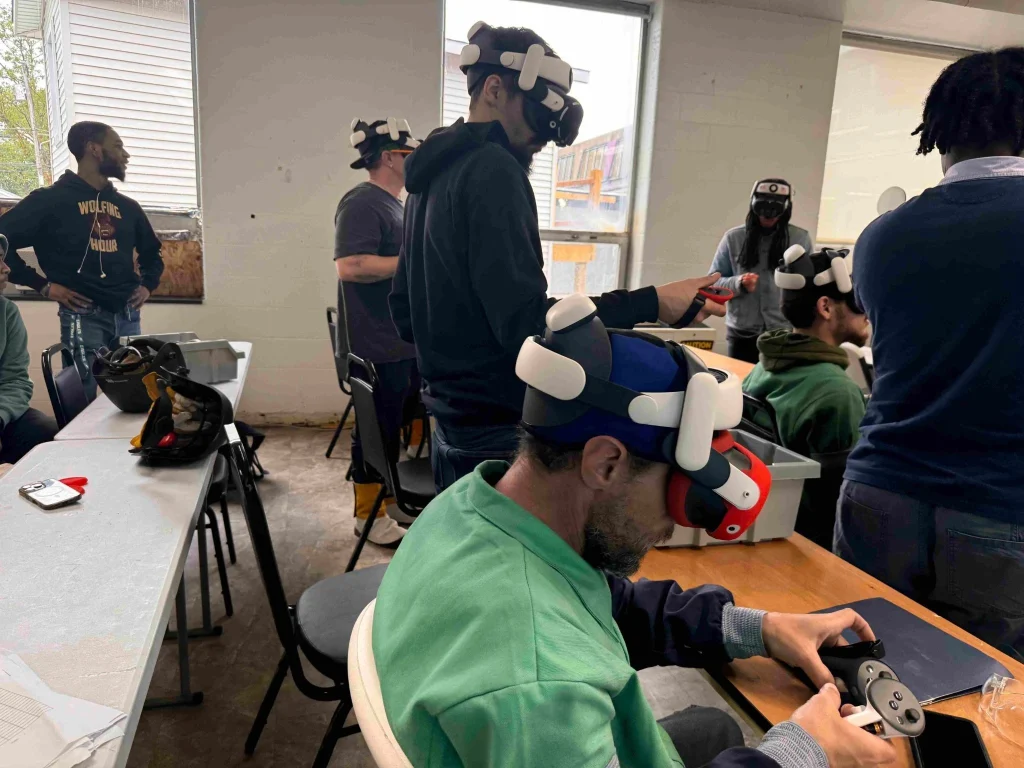
When you start untrained, employers have every reason to keep you doing the simple tasks you were hired for. On-the-job learning is real, but it is unstructured, inconsistent, and dependent on whether a busy crew has time to teach you. Many workers spend two or three years fetching materials and cleaning up before anyone invests in their skills. Formal training flips that: you enter the workforce able to contribute skilled work from the start, which is why a graduate of a Welding Technology program is usually considered for different, better-paid roles than an untrained helper doing the same hours.
This is the core reason skilled trades careers reward preparation. The worker who can read a blueprint, pass a weld test, or diagnose an HVAC fault is simply worth more than one who cannot, regardless of how hard either one works.
Pay in the trades tracks skill, certification, and the ability to work unsupervised. According to the U.S. Bureau of Labor Statistics, many skilled trades pay solid wages that do not require a bachelor’s degree, and earnings rise as workers add specialized, verifiable skills. An untrained helper and a trained technician may start only a few dollars apart per hour, but the trained worker reaches the higher pay tiers far sooner because they are not waiting years to be taught. Over a decade, that difference compounds into a significantly different income, which is why high paying trade jobs almost always sit behind demonstrated, certified ability rather than raw time served.
A good program is not just “learning faster.” It delivers specific things that are genuinely hard to get by simply showing up to an untrained job:
For trades like HVAC, where diagnostics and refrigerant handling are tightly regulated, this matters even more. A structured HVAC training path prepares you for both the technical work and the certifications employers legally need you to hold, which is difficult to replicate by learning piecemeal on a crew.
Most people frame this as trade school vs. college, but when you can get hired without any school, you really have three paths to weigh. Here is how they compare on the factors that matter most.
| Factor | Trade School | Four-Year College | Getting Hired Untrained |
| Time to start earning well | Months to about a year | About four years | Immediate, but low and slow to grow |
| Upfront cost | Lower, focused tuition | Often significant debt | None |
| Skill at entry | Job-ready, certifiable | Broad, often non-applied | Minimal; learn as you go |
| Path to higher pay | Fast, skill-based | Varies widely by major | Slow and uncertain |
| Certifications | Built into training | Usually not trade-specific | Must self-arrange |
| Risk | Low, trade-aligned | Debt without guaranteed fit | Risk of stalling as a helper |
The comparison shows why the trade school vs college debate often misses the real choice for hands-on people. College makes sense for careers that require a degree. But if your goal is a skilled trade, a more useful comparison is trade school vs getting hired untrained, and structured training usually wins on speed to real earnings and long-term ceiling. This is also why many families weigh trade school vs college differently once they understand that the trades reward verifiable skill, not seat time. When the goal is a skilled trade, the trade school vs college decision depends less on prestige and more on which path gets you to a high-paying trade job faster.
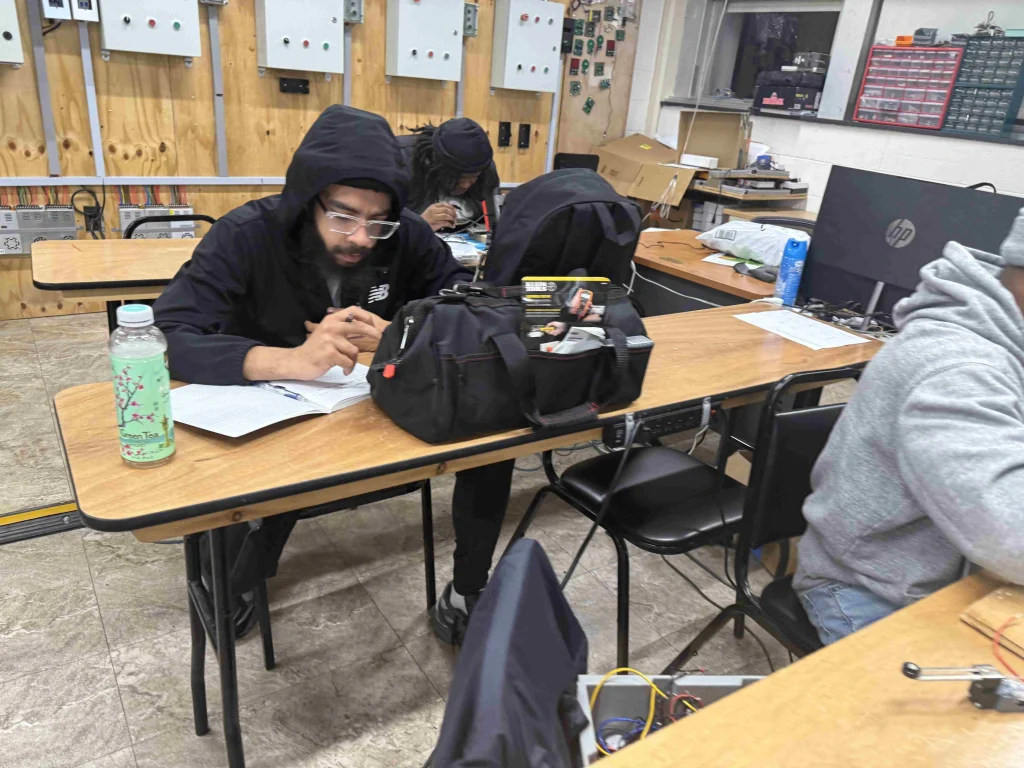
So is trade school worth it once you factor in the price? For most students, yes. Trade school cost is generally far lower than a four-year degree, often a fraction of the total, and the timeline to earning is much shorter. That combination, lower cost plus faster income, is a large part of why so many people conclude that formal training pays off even though they could technically start working untrained.
Cost always deserves honest scrutiny, so look at total cost, not just tuition: fees, tools, and materials all count. The right way to evaluate trade school cost is against the income it helps you reach and how quickly. A program that costs a fraction of a bachelor’s degree and gets you into higher-paying skilled work in under a year is a fundamentally different financial equation than years of college debt. For students worried about affordability, reviewing financial aid options early is the practical first step, because many trade school students qualify for assistance that changes the math considerably.
This is also the answer to a very common question about trade schools in Philadelphia: what training options exist for people who do not want to take on a lot of student debt? The skilled trades are one of the clearest answers, because the cost is contained and the earning starts sooner, which keeps total debt low relative to lifetime earnings. Just avoid programs that are vague about total trade school cost or that pressure you into loans you do not understand.
Is trade school worth it when you look at the time commitment? The short timeline is a big reason it often is. Most focused programs, including those at trade schools in Philadelphia, take from a few months up to about a year, far shorter than a four-year degree. The exact length depends on the trade and the schedule, but the short timeline is a major reason the trades appeal to career changers, veterans, and adults who need to start earning quickly rather than spending years in a classroom.
That speed is part of the value equation. A shorter program means less time with no income and a faster return on whatever the training costs, which strengthens the case that trade school is worth it for people who are motivated to get to work.
Is trade school worth it for the specific trade you have in mind? That depends on demand, certification paths, and pay. The trades most worth training for are the ones with steady local demand, clear certification paths, and room to grow your pay. Across the Philadelphia region, that includes welding, HVAC, pipefitting, automotive repair, manufacturing and automation, masonry, and sterile processing, all fields where skilled, credentialed workers are genuinely needed.
Understanding earning potential is central to deciding whether any program is worth it, and the better trade schools in Philadelphia should help you see realistic numbers rather than hype. The U.S. Bureau of Labor Statistics is a reliable, neutral place to check median wages and job outlook for each occupation before you commit. In general, high paying trade jobs in the region reward specialization and certification, so the trades with strong credential ladders tend to offer the best long-term returns and the highest paying trade jobs over a full career. Automotive is a good example: modern vehicles are rolling computers, and a graduate of an automotive technology program who can run diagnostics on today’s electronics is far more valuable than a general “car guy.”
Local demand also extends well beyond the city core. Skilled trades careers trained in Philadelphia travel easily across Pennsylvania, New Jersey, and Delaware, from Camden and Cherry Hill to Drexel Hill, Darby, and Lansdowne, because a verifiable trade skill is portable. Mechanical trades are a strong case in point: training in steam, sprinkler, and pipe fitting positions graduates for commercial and institutional work across the entire tri-state area, not just one neighborhood.
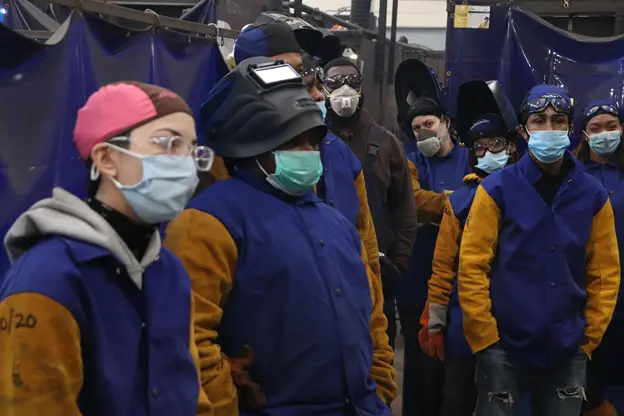
Trade school is not automatically right for everyone, but it is a strong fit for several groups:
For all of these groups, the deciding factor is usually the same: do you want to simply be employed, or do you want to advance? If it is the latter, is trade school worth it? For that person, almost always, because it buys you skills, credentials, and a faster path into skilled-trades careers that an untrained job rarely provides. This is also why so many people searching for trade schools in Philadelphia are not teenagers at all, but adults who already have a job and want a better career.
So, is trade school worth it if you could get hired without it? For anyone who wants a real, growing future in skilled trades careers rather than a stopgap job, the answer is usually yes. Getting hired untrained is a door, but trade school is the difference between walking through it as a disposable helper and walking through it as a skilled technician with certifications, safety training, and a faster path to higher pay. The cost is lower than college, the timeline is shorter, and the demand across the Philadelphia region is real. Among trade schools in Philadelphia, the ones worth your time are transparent about cost, timelines, and the high paying trade jobs their training actually leads to. The decision ultimately rests on your ambition: if you want to advance, specialize, and earn more, formal training is almost always the smarter investment.
If you are ready to compare your options, schedule a visit with PTTI’s admissions team to talk through programs, timelines, and the career path that fits your goals.
Usually, yes, if you want a career rather than a temporary job. Getting hired untrained puts you in helper roles that can stall. Trade school gives you certifications, safety training, and job-ready skills that lead to higher pay and faster advancement, which an untrained job rarely delivers on its own.
A focused, hands-on trade program is often the strongest path. It is shorter and far less expensive than college, aligns directly with employer needs, and prepares you for certifications. For many graduates, it means starting a skilled career in under a year instead of taking on four years of college debt.
It depends on your goal. For careers that legally require a degree, college is necessary. For hands-on skilled trades careers, the trade school vs college comparison usually favors trade school on cost, speed, and return, because the trades reward verifiable skill and certification rather than a four-year credential.
Trade school cost is generally a fraction of a four-year degree, and most programs take from a few months to about a year. Always evaluate total cost, including tools and fees, against how quickly the training helps you reach higher-paying work.
Across Philadelphia, high paying trade jobs tend to be skilled, certified roles in welding, HVAC, pipefitting, automotive, and manufacturing. Pay varies by experience, employer, certification, and specialization, so check current Bureau of Labor Statistics data for any trade before you decide.