
Let’s know the role of women in skilled trades leading the future . Here’s something that doesn’t get said enough. Women aren’t just entering the trades. They’re running crews, starting companies, and teaching the next class. Women in skilled trades are shaping how this work gets done, and the shift is only picking up speed. If you’ve wondered whether there’s room for you, there is. Plenty of it. Here’s what leading looks like in this field, and how to start building toward it.
Not long ago, the big question was “can women do this work?” Skill answered that long ago. Now the question has changed. It’s about who moves into the lead role, who owns the shop, and who sets the standard.
That’s a different conversation. Additionally, it’s a more exciting one.
Leadership in the trades shows up in a few ways:
None of these require a four-year degree. They require skill, experience, and the guts to keep going.
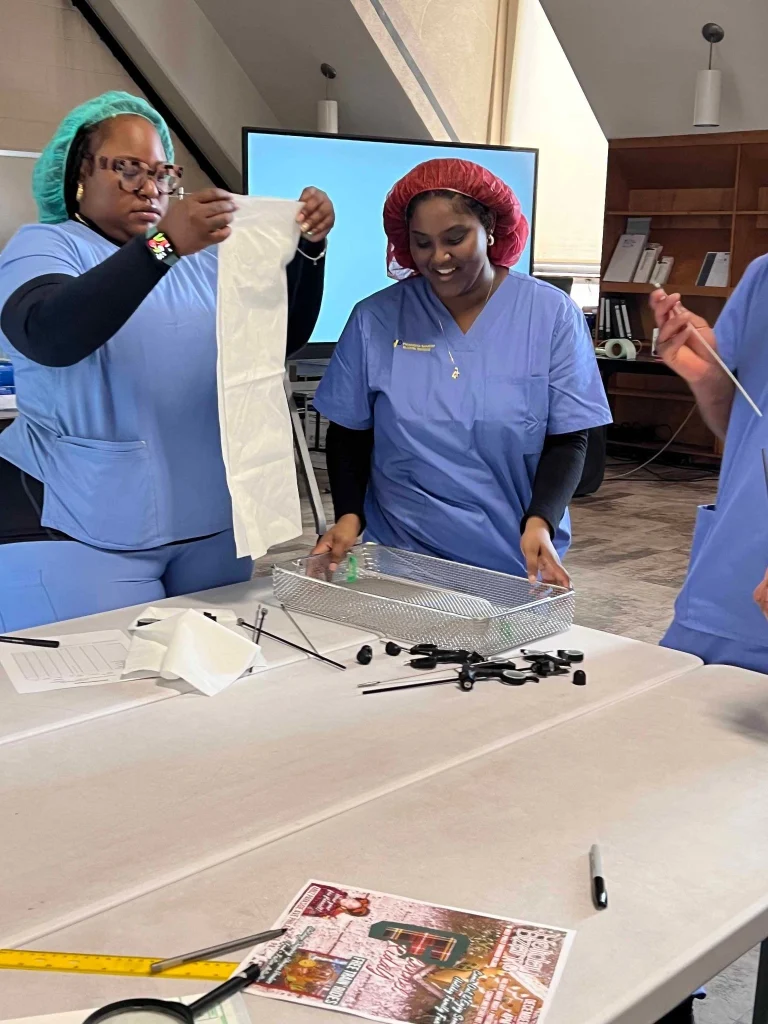
Women are considered the most passionate and most hardworking group. They are considered best when it comes to leadership . According to a survey, women are doing much better in Skilled trades reward what you can do. If you fix the system right, customers notice. If you run a safe, organized crew, employers notice. Therefore, merit tends to speak loudly here, even if some workplaces still need to catch up.
A recent BLS report projects steady growth in employment across HVAC, automotive repair, welding, and healthcare support trades over the next decade. When employers need good people, they notice the ones who deliver. Especially in healthcare, the demand is high as more women are turning their careers toward sterile processing technician jobs.
Nobody starts as the boss. Everybody learns the trade and achieves success. However, it starts with a trainee, and the ladder is clearer than most people think. Each step builds on skills you’ve already picked up.
| Stage | Role | What You’re Learning |
| Training | Student or apprentice | Core skills, safety, certifications |
| Early Career | Entry-level technician | Speed, accuracy, customer communication |
| Growth | Certified or senior technician | Harder jobs, troubleshooting, independence |
| Leadership | Lead tech or supervisor | Guiding crews, planning, quality control |
| Ownership | Contractor or business owner | Pricing, hiring, running operations |
You can stop at any step and still have a solid career. Or you can keep climbing. That choice stays yours.
Technical skill gets you noticed. Other skills get you promoted. Therefore, build both from day one.
Supervisors often value in a promotion if you are dedicated promotion will happen for sure As all these require when good technican turns into leader .: about 30% technical skill, 25% reliability, 20% communication, 15% safety habits, and 10% teamwork. Skill matters most, but it isn’t the whole picture.
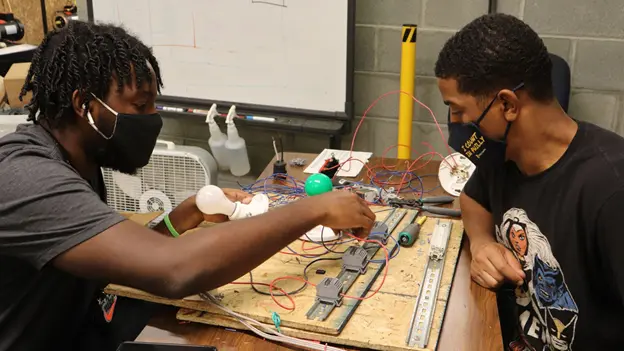
You don’t have to pick the loudest trade. Choose the one that fits you. Additionally, each of these pairs hands-on training with credentials employers recognize.
| Skilled Trade | What You Do | Credential Example |
| HVAC | Install and repair heating and cooling systems | EPA 608, OSHA 30 |
| Welding | Join and fabricate metal | AWS D1.1 |
| Automotive | Diagnose and repair vehicles | ASE certification |
| Sterile Processing | Prepare surgical instruments for safe use | CRCST |
| Manufacturing/Automation | Maintain robots and control systems | Diploma plus hands-on skills |
| Concrete/Framing | Build foundations and structures | OSHA 30 |
Note: Confirm current credentials and program details with each school before enrolling.
Ask women who’ve made it in the trades what helped them most. Mentorship shapes the way you process your training. Mentorship in the trades isn’t fluffy; it gives students protective guidance. It’s practical. A good mentor tells you which tools to buy, how to prepare for job interviews .which employers treat people right, and how to handle a tough day.
Here’s how to find one:
And once you’ve got experience, pass it on. That’s how leaders multiply.
Some job sites still feel like boys’ clubs. You might be the only woman on a crew. Some people will doubt you before you’ve picked up a tool. However, that’s changing, and plenty of employers now want diverse, capable teams.
Here’s how to prepare:
Ownership is where leadership gets big. You become the soul of your business. You work hard and achieve that success. Many experienced techs eventually go out on their own. Moreover, a skilled trade gives you something valuable to sell: work people always need. Always try to sell value and trust .
Running a shop adds new skills:
It’s not for everyone. But the door is open if you want it. Start by getting great at the trade first. Everything else builds on that.
Here’s a simple plan, no fluff:
One step at a time. You don’t have to map out the whole career today. Maintain your work-life balance by enrolling in sterile processing technician training at PTTI . A wonderful career opportunity for women.
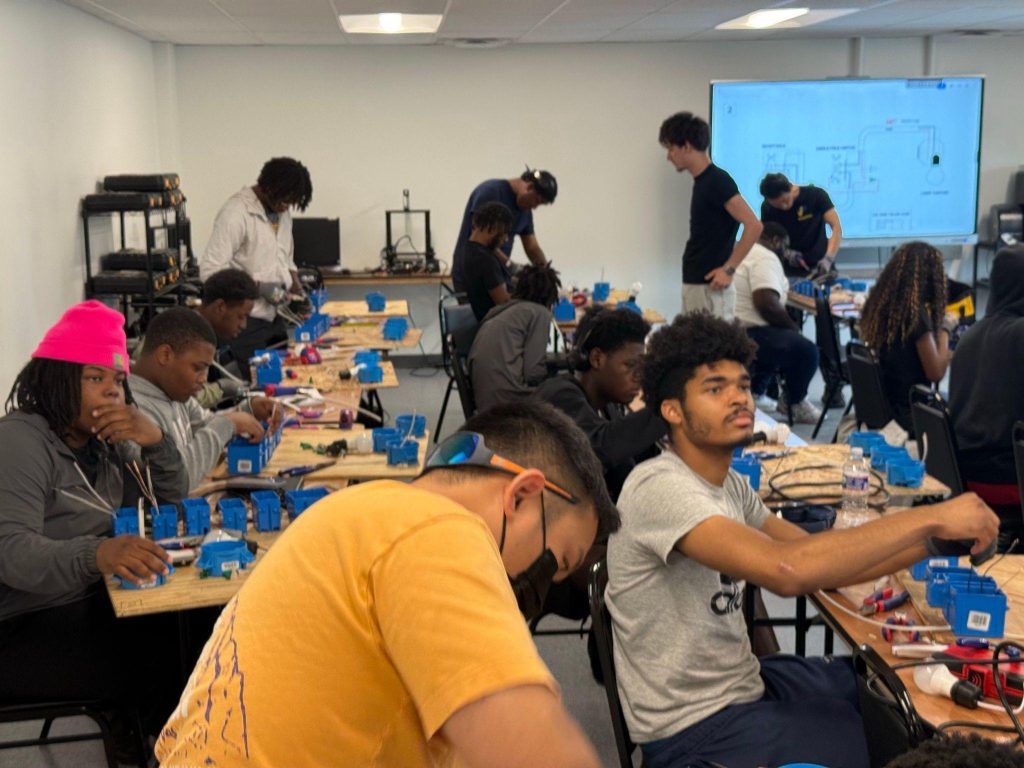
Philadelphia Technician Training Institute (PTTI) offers hands-on programs in HVAC, welding, automotive technology, sterile processing, manufacturing and automation, concrete and framing, steam/sprinkler/pipefitting, and drywall. Women in sterile processing are doing wonders, as PTTI also offers hybrid training that makes flexible learning helpful, especially for women in trades. Additionally, programs include career coursework like Job Application Skills, plus externship experience in real work settings.
Here’s how to begin:
PTTI reports a placement rate near 92% across its trade programs. Also, women are more likely to be hired by the skilled trade industry, like sterile processing , Automobile, welding, automation, and more . Ask how it’s calculated.
Women in skilled trades aren’t waiting for approval. They’re conquering skilled jobs. They’re training, leading crews, mentoring newcomers, and opening their own shops. However, the path still takes effort, patience, and the right support. With massive training, recognized certifications, and strong mentors, the future of work has room for you. With growing career opportunities.Overall, start with one skill, build it well, and let your work do the talking. If you know someone looking for a stable career with financial security.
Ready to take the first step? Call PTTI at 215-381-9403 or email info@ptt.edu to talk with an advisor.