
Are you feeling a little overwhelmed by how much traditional institutions cost? You’re not the only one. As a result, a lot of people are thinking about trade schools and want to get into employment faster and in a wiser way in 2026. Now, people in Pennsylvania who want to skip the four years of fluff and get directly to the “good stuff”—the real skills that pay the bills—are going for trade school programs. Is there a ballpark for the initial investment, though?
Let’s go over all the costs, from tuition and lab fees to your first set of professional tools, so you may confidently plan your future.
When you look at vocational school programs, you’ll see that the prices vary a lot. In 2026, the average cost of programs in Pennsylvania is between $12,000 and $32,000. However, don’t let those statistics frighten you away just yet. You can often get short-term credentials for even less than $5,000.
On the other hand, if you want to go there, very specialized pathways like aviation or advanced medical tech trade school might cost up to $40,000.
Ultimately, the most important thing to remember is that higher prices don’t necessarily indicate better quality. However, they do indicate more specialization and quicker advancement to higher-paying positions.
When you think about your budget, keep in mind that public schools are usually the affordable trade schools in PA, with total costs often under $15,000. In contrast, private schools may cost more up front, but they frequently include smaller classes and the latest technology, which is just like what you’ll use on the job.
Beyond tuition costs, have you thought about the “gear” part? You only need a notebook for a history class, but you need equipment for a career in trades. These are usually included in the estimates from most trade schools in PA, but it’s always a good idea to check.

Good news: you don’t have to pay for it all by yourself. Most trade schools in PA can get the same federal and state financial aid as prominent colleges.
In fact, some colleges even make the paperwork a lot easier than others if you’re worried about it. For instance, the Philadelphia Technician Training Institute (PTTI) is known for really helping its students get financial aid. We don’t simply send you to a website; we also help you figure out how to pay for your education.
There are many ways to find affordable trade schools in PA that won’t put you in a lot of debt, such as grants and specialized scholarships for skilled trades.

At the end of the day, you want to know if this will pay off. In Pennsylvania, the answer is a big yes. The return on investment (ROI) for a trade school is frequently significantly larger than for a regular degree because you start working and earning money years sooner.
What do you think you’ll make?
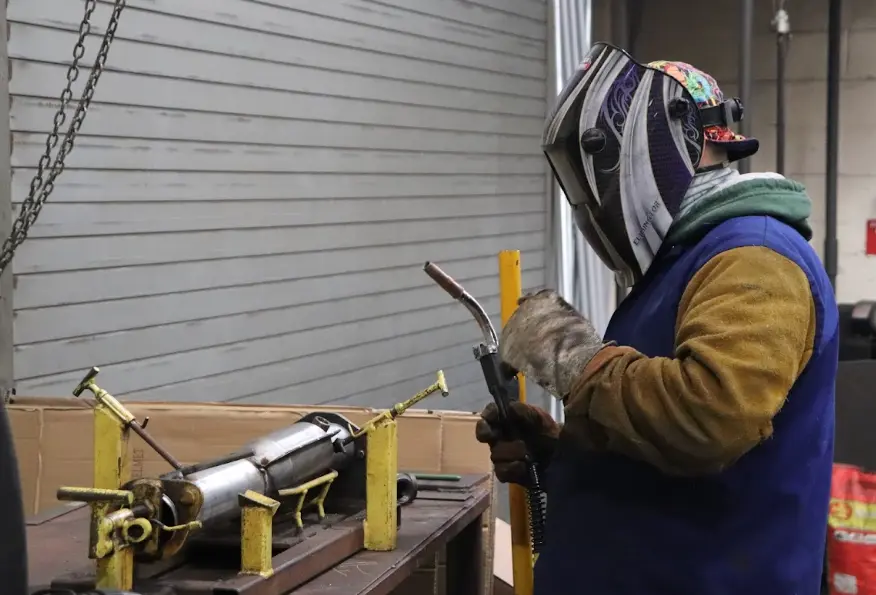
In addition to high salaries, people don’t talk about career support enough.
Apprenticeships, networking with local businesses, and helping find a career are all part of many vocational school curricula. As a result, many students rely on this assistance to help them transition from college to full-time work.
Particularly in highly competitive fields, such advice can make a world of difference to someone whose goal is a career in trades.
In conclusion, it’s not only about the lowest price when you choose between vocational school programs; it’s also about selecting the one that works best for you and your future. Tuition may go up every upcoming year, but if you start now, you will be on your way to a steady, high-paying career in trades.
Because experienced tradespeople will be in high demand in 2026, investing in a trade certificate now will guarantee you a job in a field that will be difficult, if not impossible, to outsource.
So, this is your sign to get a trade school degree in a field that is in high demand. You can graduate with less debt by taking advantage of financial assistance and enrolling in affordable trade schools in PA. Hope this guide helped you!
Read more: