
The truth about the health care industry is that it cannot be replaced by an AI bubble, not today, not in the future. The safest job right now, especially for women. You are working in safe, secure place with job security without any fear of losing your job. Healthcare jobs often require a four-year degree and $60,000 in student loans. But that’s just not true, and a lot of women in Philadelphia are figuring that out right now.
Sterile processing training for women in Philadelphia is one of the fastest, most affordable ways to get into a real hospital job. No degree, no years of waiting. Focused training, dedication, and certification leading to a job that actually pays.
If you’ve ever thought about working in healthcare —but felt like the door was shut — this blog is for you.
Talk to a PTTI Admissions Advisor Today →
Before anything else, let’s make sure you know what this career actually is.
Sterile processing technicians are the people who clean, inspect, and sterilize all surgical instruments and medical tools used in hospitals and surgical centers. Every single surgery depends on their work. If the instruments aren’t sterile, patients get infections. Surgeries get canceled. That means hospitals literally cannot function without sterile processing technicians. And right now, they need a lot more of them.
This is a central service technician career that sits right in the middle of the healthcare system — and it’s one most people have never heard of.
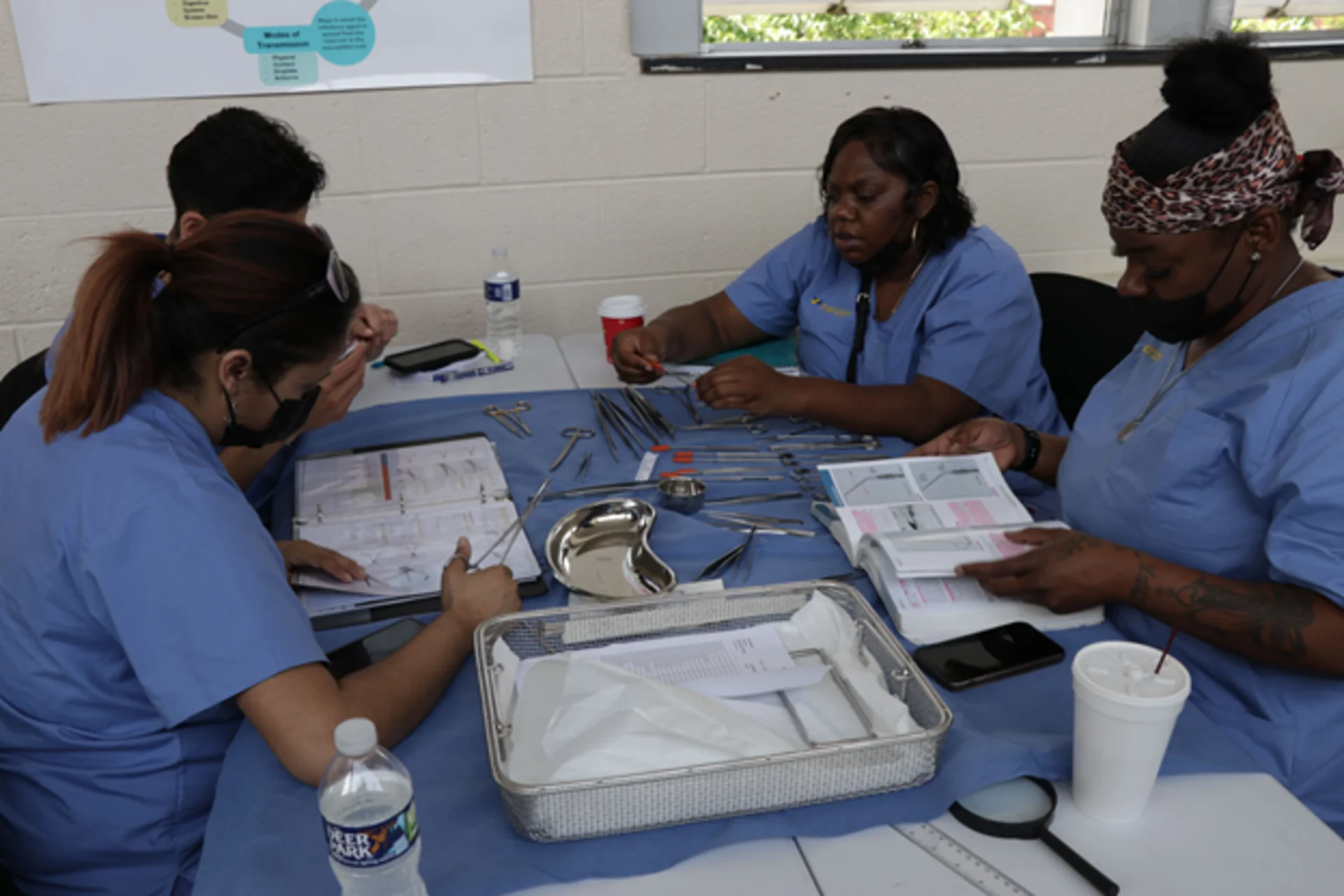
Here’s what’s happening out here. However, Women, especially young Black women, are tired of being told they need four years and a mountain of debt just to get a decent job. And the truth is, they’re right to push back on that. Young black women are termed as very strong and hard working with good stamina and strength.
Sterile processing is a field where your skills speak louder than your diploma. You earn a certification, you pass your CRCST exam, and hospitals want to hire you. Simple as that.
A few reasons why women are gravitating toward this career right now:
Therefore, the central service technician career for women is blowing up right now for a reason. It works.
Okay, let’s talk money because that’s always the real question. Overall, the motive in life is to grab quick money within less time with long term sustainability and fulfilling financial goals. The sterile processing technician salary in Philadelphia starts strong and grows fast:
| Entry-Level (0–2 years) | $38,000 – $47,000 |
| Mid-Level (2–5 years) | $47,000 – $56,000 |
| Experienced (5+ years) | $56,000 – $69,000+ |
| Lead / Supervisor | $65,000 – $80,000+ |
The average sterile processing technician salary in Philadelphia is around $50,355 per year, about 4% above the national average. Top earners in the city push close to $69,000 annually.And here’s the thing, you’re earning that after just 8 months of training. Not four years of college.
PTTI, the Philadelphia Technician Training Institute, offers an 8-month Central Processing and Sterile Services program. And it’s built around real, hands-on learning. Here’s what you learn inside the program:
You learn how infections spread and how to stop them. In sterile processing training, you learn contamination rules, tray assembly, and sterilization equipment, the exact skills hospitals ask for.
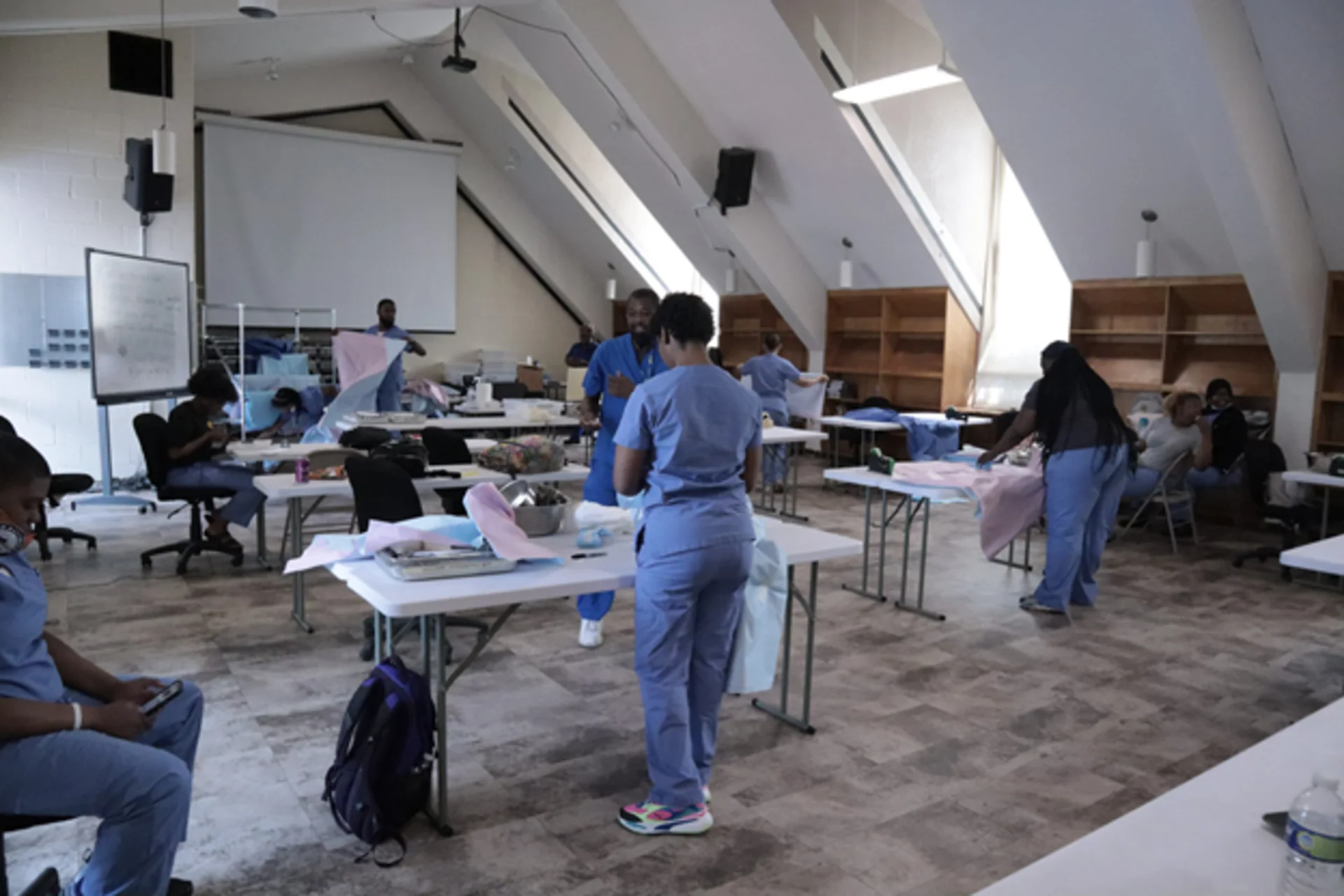
Students train on autoclaving, chemical sterilization, and multiple decontamination techniques. All of it is practiced in simulated environments that reflect real hospital conditions.
You learn to sort, inspect, and package surgical instruments correctly. You train on washer-disinfectors and ultrasonic washers — the machines that do the heavy cleaning work in every surgical center.
You don’t need to be a nurse. However, In sterile processing technician training job role,But you do need to understand how the body works and what surgeons are dealing with. PTTI teaches you exactly what you need nothing more, nothing less.
PTTI women in healthcare training is 80% hands-on. You’re not sitting in a lecture room all day. You’re working with actual equipment, in real-world conditions, from day one.
Once you finish the program, you sit for the CRCST exam — the national certification from IAHCSMM (International Association of Healthcare Central Service Materiel Management).
Passing that exam, plus completing 400 clinical hours, is what most Philadelphia hospitals require for hire. Penn Medicine, Temple Health, Jefferson Health — they all want to see that credential.PTTI prepares you for the exam with practice tests and exam prep built into the program. So you go in ready.
That certification is what separates candidates in a competitive job market. Especially ,PTTI makes sure you have it before you graduate.
A lot of vocational training schools train you and then wish you luck. PTTI doesn’t do that.PTTI will wish you good luch but with all assistance to get hired by local employers from resume writing to cracking job interview questions.
Once students hit approximately 700 hours of training, PTTI’s Career Services team kicks in. They cover:
PTTI also works directly with Philadelphia-area hospitals. Therefore, Many students receive job offers before they even finish the program because local demand for trained techs is that high.
That’s what PTTI women in healthcare training actually looks like in practice. You don’t just get a certificate. You get a full launch into a real career in just 8 months.
This program is not for everyone. But it might be exactly right for you if:
You don’t need prior healthcare experience. PTTI’s healthcare trade school Philadelphia program builds your skills from scratch. Students from all kinds of backgrounds walk in and walk out with jobs.
Financial aid is also available. So that there should not be in any obstacles in achieving career opportunities.Moreover, PTTI accepts FAFSA (school code: 042213), and grants, federal loans, and institutional financing all apply for qualifying students.
Sterile processing training for women in Philadelphia isn’t a backup plan. It’s a real career move one that gets you into the healthcare field faster than almost any other path, with real pay and real growth potential on the other side.
The central service technician career for women is growing fast. And PTTI is right here in your city to train you for it. Don’t wait on a four-year degree that may or may not work out. Get trained, get certified, and get hired.
Q1. Do I need a college degree to become a sterile processing technician?
No — and that’s exactly the point. Sterile processing training for women in Philadelphia at PTTI takes just 8 months. All you need to start is a high school diploma or GED. After completing the program and passing your CRCST exam with 400 clinical hours, you’re eligible to apply for hospital roles at Penn Medicine, Temple Health, Jefferson Health, and other Philadelphia healthcare systems.
Q2. How much does a sterile processing technician make in Philadelphia?
Entry-level sterile processing technicians in Philadelphia earn between $38,000 and $47,000 per year. With 2–5 years of experience, that grows to $47,000–$56,000. Experienced techs and supervisors in the city can earn $65,000–$80,000 or more annually.
Q3. How long does PTTI’s sterile processing program take?
The Central Processing and Sterile Services program at PTTI is an 8-month program. That’s it. Eight months of hands-on, real-world training — and then you’re ready to sit for your CRCST certification and enter the workforce. PTTI’s career services team begins working with you on job placement well before you finish the program.
Q4. Does PTTI help women find jobs after graduation?
Yes. PTTI has a dedicated Career Services department that starts working with students once they hit approximately 700 hours of training. They provide resume writing, interview coaching, career identification, and direct connections to Philadelphia-area hospital employers. Q5. Is financial aid available for PTTI’s sterile processing program?
Yes. PTTI accepts federal financial aid through FAFSA (school code: 042213). Grants, federal loans, and institutional financing options are also available for students who qualify. T
Read More link :