
Knowing how to use tools is important in the skilled trades. However, technical ability alone does not build a successful career. Employers also need workers who communicate clearly, arrive on time, solve problems, work well with others, and take responsibility for their work. These qualities matter most when technicians work with customers, supervisors, contractors, and other tradespeople.
That is why soft skills for trade careers deserve just as much attention as technical training.
For Philadelphia students considering a career in HVAC, electrical, welding, automotive technology, plumbing, construction, or another skilled trade, developing both skill sets can create a stronger foundation. Technical skills show what you can do. Soft skills show how you work.
Hard skills are the technical abilities you learn through education, practice, and experience.
For example, an HVAC student may learn how to install equipment, troubleshoot systems, read diagrams, and perform maintenance. An electrical student may learn wiring, circuit testing, and safety procedures.
These skills require practice.
A student cannot become a skilled technician simply by reading about equipment. Instead, students need practical instruction and opportunities to work with tools and systems.
That makes skilled trades training an important part of career preparation.
Hands-on practice helps students understand how technical concepts work in real situations.
Technical knowledge gets you started. But soft skills matter on the job site . However, your behavior can influence how coworkers and supervisors view your work.
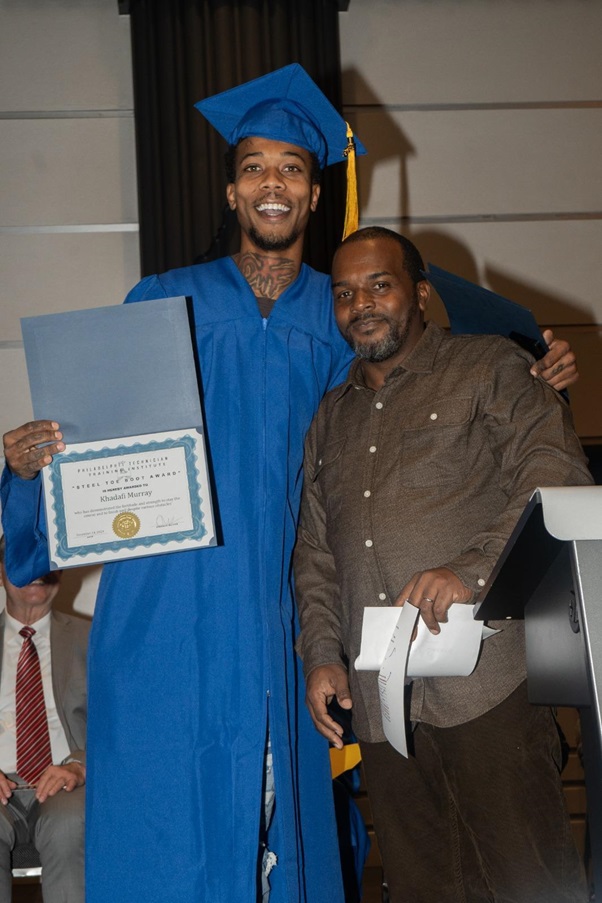
Imagine two technicians with similar technical abilities. One communicates clearly, arrives on time, listens to instructions, and keeps the work area organized. The other frequently arrives late and struggles to communicate problems.
Employers may notice the difference quickly.
That is why soft skills for trade careers matter.
Important soft skills include:
These skills help technicians handle the everyday challenges that come with a trade career.
Trade workers communicate throughout the day. A technician may need to explain a repair to a customer. A construction worker may need to coordinate with another crew. An apprentice may need to ask a supervisor for clarification.Clear communication prevents mistakes.
For example, if you do not understand an instruction, asking a question can prevent an expensive error later.Good communication also means listening. Instead of rushing to respond, listen carefully to what a customer, instructor, or supervisor says. Then confirm what you need to do. This simple habit can build trust.
Most trade workers do not work alone. A large construction project can involve electricians, plumbers, HVAC technicians, welders, carpenters, and other specialists. Each person has a specific responsibility. Therefore, workers must coordinate their efforts.
A technician who communicates well with the rest of the team can help projects move smoothly.For Philadelphia students entering a trade school in Philadelphia, teamwork can start during training. Students can practice completing projects together, sharing equipment, solving problems, and supporting classmates. Those experiences can prepare them for real job sites.
Every job can bring unexpected problems.
A machine may stop working. A measurement may not match the blueprint. A replacement part may not fit. A customer may describe a problem that does not have an obvious solution.
Technicians must stay calm and investigate.
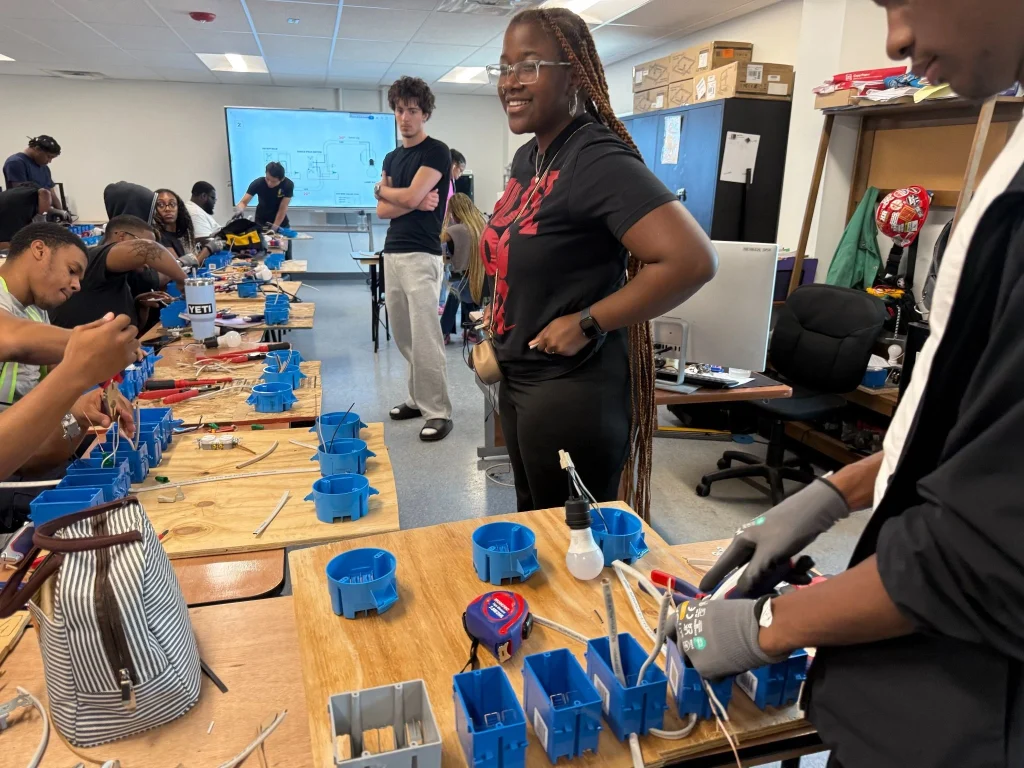
Technical knowledge helps identify possible solutions. However, patience and critical thinking help workers choose the right approach.
That combination makes problem-solving one of the most useful career skills for trades.
Students can develop this ability through hands-on projects. Instead of immediately giving students an answer, instructors can encourage them to investigate the issue and find a solution. Therefore, reliability should become a habit during training.
Arrive on time for class. Bring the equipment you need. Complete assignments. Follow safety procedures.
These small actions help students develop professional habits before they enter the workforce.
Trade jobs often involve deadlines. A contractor may need work completed before another crew arrives. A repair technician may have several service calls in one day. Workers need to manage their time without sacrificing quality. Students can start developing this skill while training.
Create a schedule. Organize tools before starting a project. Break larger assignments into smaller tasks. Leave enough time to review your work. Over time, these habits become part of your routine.
Technology continues to change the skilled trades.HVAC systems now use smart controls. Automotive technician work with advanced electronics. Construction crews use digital tools and new materials.
Technicians must keep learning. A worker who refuses to learn new methods may struggle as technology changes. On the other hand, someone who stays curious can continue developing valuable skills.
That is why adaptability belongs alongside technical training. You do not need to know every new technology today. You do need to remain willing to learn.
Professionalism does not begin after graduation. Students can practice it from their first day of training.
That means treating instructors and classmates with respect, following safety rules, maintaining equipment, and taking assignments seriously. It also means accepting feedback.
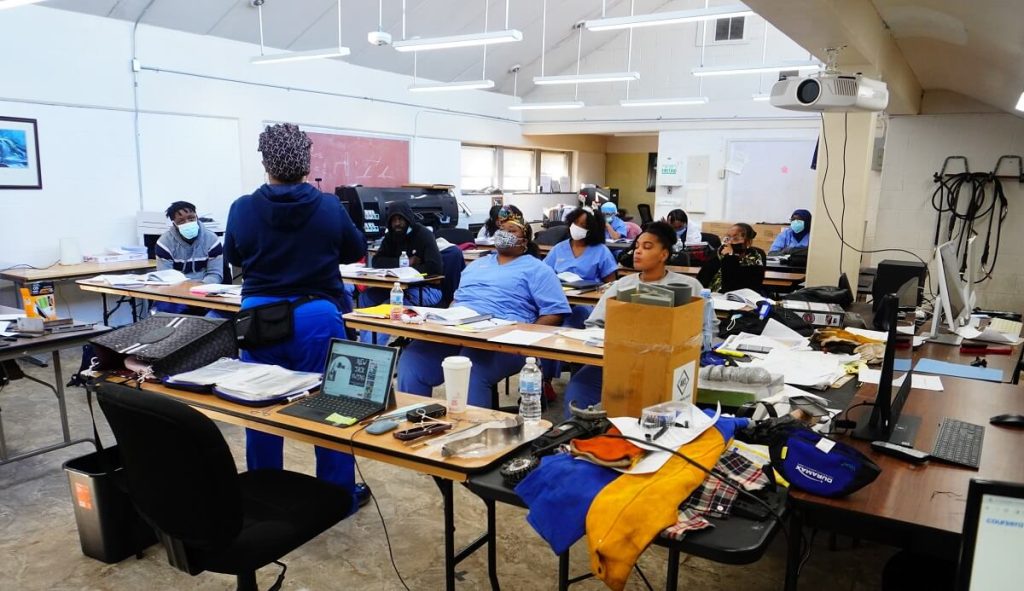
Nobody starts a trade career knowing everything. Good technicians continue learning throughout their careers. When instructors correct a mistake, use that feedback to improve rather than taking it personally. That attitude can help you grow faster.
Philadelphia students can develop technical and interpersonal abilities at the same time. Start with a training program that provides hands-on experience. Then look for opportunities to work with classmates on practical projects. It also teaches soft skills, including punctuality and readiness to complete every task on time. Communicating and coordinate with crew members.
During training, these steps matter a lot:
These habits can strengthen both your technical abilities and your trade job skills.
Soft skills do not only matter when you are looking for your first job.
They can also support long-term career growth. As technicians gain experience, they may take on additional responsibilities. They might train apprentices, communicate with customers, supervise projects, or manage teams. At that point, communication and leadership become even more important.
A technician who develops strong career skills for trades can eventually move beyond basic technical tasks and take on greater responsibility. Some experienced tradespeople also use their technical knowledge and business skills to start their own companies.
Confidence comes from preparation.
A student who practices technical tasks repeatedly will usually become more comfortable with equipment and tools. Similarly, a student who communicates with instructors and classmates regularly will become more comfortable speaking in a professional setting. Do not expect confidence to appear immediately.
A successful trade career in Philadelphia requires more than knowing how to operate tools or repair equipment. Soft skills help technicians communicate, manage responsibilities, solve problems, and work effectively with others.
For Philadelphia students, skilled trades training offers a chance to build technical skills while gaining workplace experience. A quality trade school in Philadelphia can help students build practical experience alongside communication, teamwork, and professionalism.
Ultimately, strong trade job skills and career skills for trades work together. Hard skills help you perform the job, while soft skills help you become someone employers, coworkers, and customers can trust.
That combination can give young workers a stronger foundation as they begin building their future in the skilled trades.
Sure. Here are the FAQs with approximately 20 words each, keeping them SEO-friendly and aligned with the blog.
Soft skills for trade careers include communication, teamwork, reliability, problem-solving, time management, adaptability, and workplace professionalism.
Soft skills help trade workers communicate clearly, solve workplace problems, follow instructions, manage responsibilities, and work effectively with others.
Develop communication, teamwork, problem-solving, reliability, time management, adaptability, attention to detail, accountability, and technical trade job skills.
Yes, skilled trades training provides practical opportunities to develop teamwork, communication, punctuality, problem-solving, professionalism, and workplace responsibility.
Practice listening carefully, asking questions, explaining technical problems clearly, following instructions, and confirming important information with coworkers or supervisors.
Read more blogs