
No, it is not too late. Skilled trades reward reliability, judgment, and a strong work ethic far more than age, and employers across the Philadelphia region are hiring. With the skilled trades facing a genuine worker shortage as experienced tradespeople retire, a trade career started in your 50s can be a smart, stable move rather than a gamble.
This guide is written for adults who are rethinking their work in midlife: people leaving a desk job, warehouse work, or retail, veterans transitioning to civilian careers, and anyone who wants hands-on work that pays without spending four years and tens of thousands of dollars on a degree. We will look honestly at whether a career change at 50 makes sense, which skilled trades suit older adults, how long training actually takes, what the work pays, and the practical steps to begin in Philadelphia and the surrounding area. The goal is to help you make an informed decision, not to sell you a dream.
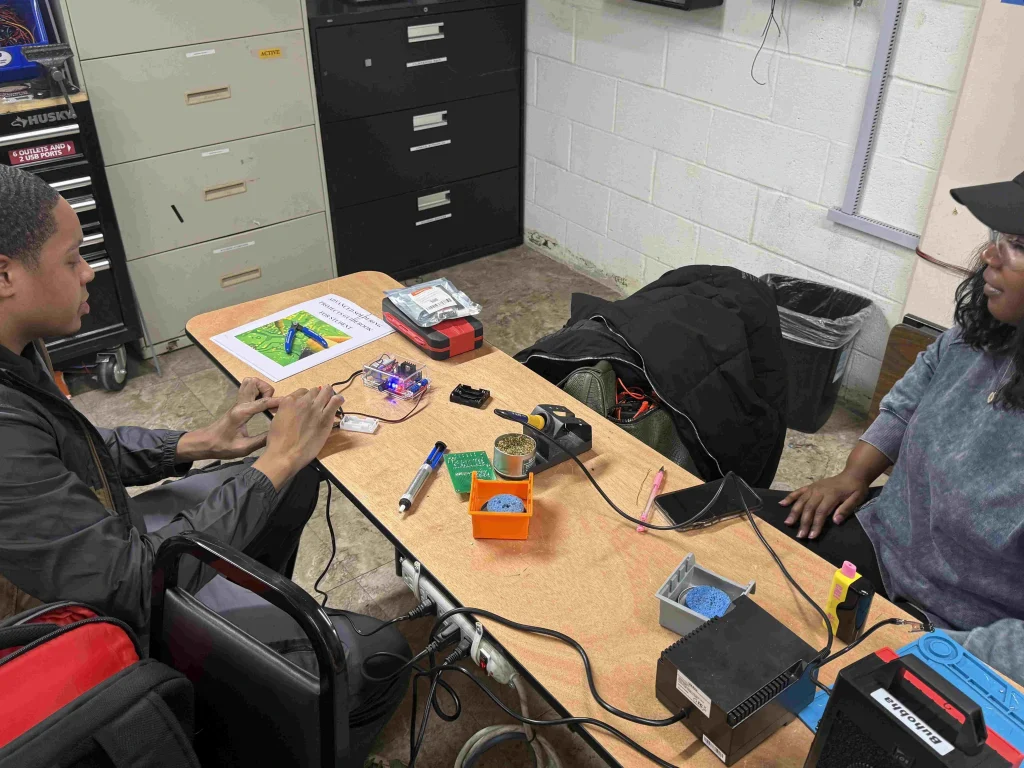
For decades, the standard advice was that stable, well-paying work required a college degree. That assumption has shifted. Today, many of the most reliable middle-income jobs are in the trades, and they are increasingly hard to fill. A large share of the current trade workforce is approaching retirement age, and there are not enough younger workers entering the field to replace them. That gap is exactly where a career change at 50 becomes an opportunity.
Older adults bring something employers in the trades genuinely value. After twenty or thirty years in the workforce, you already know how to show up on time, communicate with coworkers and customers, follow procedures, and solve problems under pressure. In many shops, those “soft skills” are harder to find than raw technical ability, which can be taught. A second career in the trades lets you convert a lifetime of work habits into a new, in-demand skill set.
There is also a financial logic to it. A trade career typically requires far less time and money to enter than a traditional degree. Instead of borrowing heavily and waiting years to earn, you can complete focused training, enter the workforce, and begin recovering your investment quickly, which matters more, not less, in your 50s.
The best trades for older workers are ones that reward experience and judgment, offer steady demand, and can be entered through short, focused training. Welding, HVAC, pipefitting, sterile processing, and automotive repair all fit that description and make a sensible second career because none require a four-year degree to begin.
Not every trade is equally suited to starting later in life. Some are more physically demanding than others, and the right choice depends on your health, interests, and goals. Here is an honest comparison of several trades that career changers in the Philadelphia area commonly consider.
| Trade | Typical Training Length | Physical Demand | Good Fit For |
| Welding | Under a year | Moderate–High | Detail-focused people who like precise, hands-on work |
| HVAC | Under a year | Moderate | Problem-solvers who enjoy diagnostics and variety |
| Steam, Sprinkler & Pipe Fitting | Under a year | Moderate–High | Those who want mechanical, systems-based work |
| Sterile Processing | Short, focused | Low–Moderate | People who want steady indoor healthcare-adjacent work |
| Automotive Repair | Under a year | Moderate | Those who enjoy diagnosing and fixing vehicles |
Sterile processing deserves special mention for older career changers. It is less physically strenuous than many construction trades, takes place in clean indoor hospital and surgical-center settings, and plays a critical role in patient safety. For someone who wants stable, meaningful work without heavy lifting outdoors, PTTI’s Sterile Processing and Central Services program is worth a close look.
If you prefer the classic hands-on trades, welding remains one of the most recognizable and portable options. Training through a structured Welding Technology program builds a skill that transfers across construction, manufacturing, and repair work throughout the region.
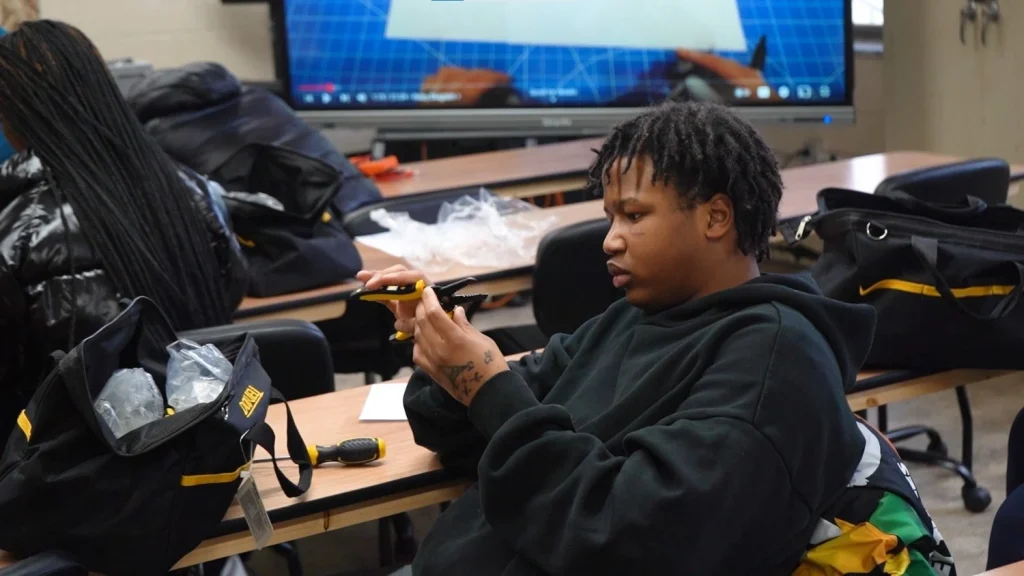
Most hands-on trade school programs for adults can be completed in under a year, and some focused programs are shorter. Unlike a four-year degree, trade training concentrates only on job-relevant skills, so a motivated career changer can move from beginner to job-ready in a matter of months rather than years.
This speed is one of the biggest reasons a trade career appeals to people over 50. Time matters more in midlife, and a program measured in months, not years, means you can re-enter the workforce and start earning while the investment is still fresh. Training typically combines classroom fundamentals with substantial hands-on lab time, because employers want to see that you can actually do the work, not just describe it.
The exact length depends on the trade and the schedule you choose. Programs built for working adults often offer schedules designed to fit around existing responsibilities. Because availability and start dates vary, the most reliable way to get an accurate timeline for your situation is to ask a school’s admissions team directly.
Yes. Employers facing a shortage of skilled workers are focused on whether you can do the job reliably, not on your age. The retiring generation of tradespeople is leaving a real gap, and hiring managers increasingly welcome dependable adults who complete proper training and show up ready to work.
According to the U.S. Bureau of Labor Statistics, trades like welding alone are projected to see tens of thousands of openings each year through the mid-2030s, with most driven by the need to replace workers who retire or leave the field. That replacement demand is steady and age-neutral. When a shop needs a qualified technician, a trained, reliable 52-year-old is a strong candidate, and often a preferred one because of proven work habits.
Maturity can be an advantage in a second career in particular, especially in customer-facing trades. HVAC, automotive repair, and pipefitting all involve explaining problems and solutions to customers or coordinating on a job site. Older workers who already communicate well and inspire confidence tend to do well in these roles. Training in a modern HVAC program pairs that interpersonal strength with the technical diagnostics today’s systems require.
Adults in the Philadelphia area can retrain for a skilled trade at a hands-on trade school in Philadelphia such as PTTI, where focused programs are designed to prepare career changers for the workforce in under a year. The key is choosing a program built around real lab practice and industry-relevant skills rather than lectures alone.
Philadelphia is a practical place to make this change. The city and its surrounding communities, from North and South Philadelphia to nearby areas like Darby, Lansdowne, Drexel Hill, and across the river in Camden and Cherry Hill, all generate ongoing demand for skilled tradespeople. A credential earned locally travels with you throughout Pennsylvania, New Jersey, and Delaware, so you are not locked into a single employer or neighborhood.
When comparing options, look for a trade school for adults that offers genuine hands-on training, industry-standard equipment, certification preparation, and support moving into a job afterward. Cost and schedule matter too. Ask directly about total costs and about financial aid so you can plan the investment realistically before you enroll.
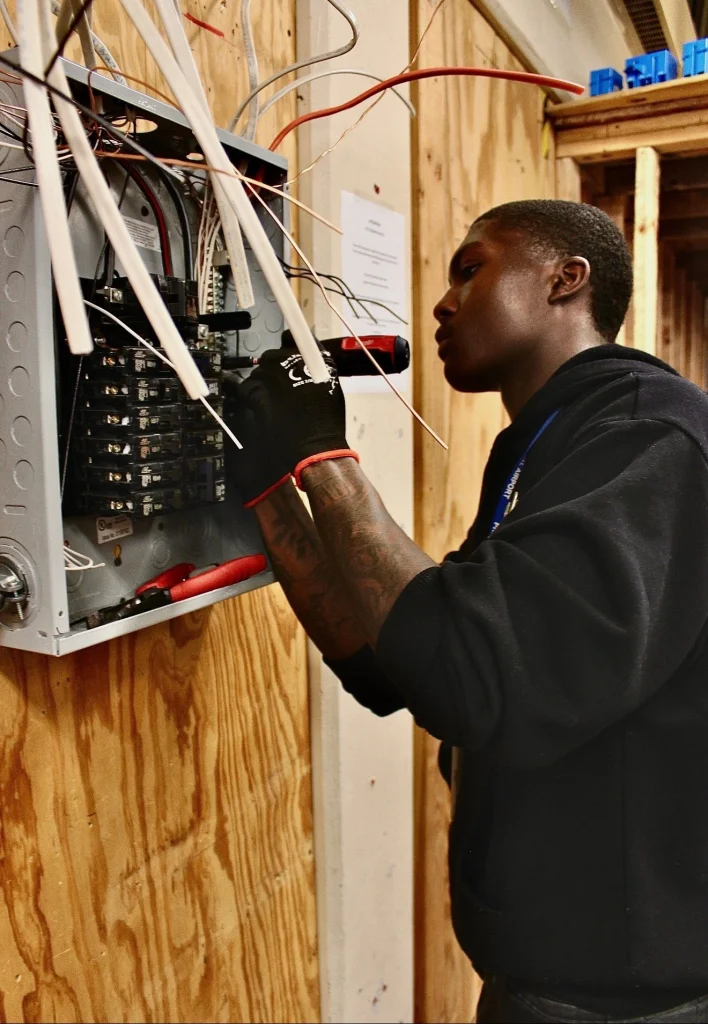
Many successful tradespeople did not start there. People move into the trades from retail floors, warehouse jobs, driving, and office roles every year, and the transition is often smoother than they expect. The skills that made you dependable in those jobs, showing up, following through, staying organized, and working with others, are exactly what a new trade is built on.
The practical shift is mostly about learning a specific technical skill and getting comfortable with tools and safety procedures. That is what training provides. For someone leaving physically repetitive or low-advancement work, a trade offers something those jobs often lack: a clear path to higher pay as you gain certifications and experience, and work that is genuinely needed.
For career changers who like building and mechanical systems, trades such as welding, pipefitting, and manufacturing offer strong footing. Those interested in systems and infrastructure often gravitate toward the Steam, Sprinkler, and Pipe Fitting program, which trains the kind of mechanical skills commercial buildings across the region rely on every day.
Skilled trades pay competitive middle-income wages, and many do so without requiring a college degree. Actual earnings vary widely by trade, certification, experience, employer, overtime, and location, so no honest guide can promise a specific number, but the trades are broadly recognized as a path to stable, livable pay.
As a reference point, the U.S. Bureau of Labor Statistics reports that welders nationally earn a median wage near the high $40,000s, with experienced and specialized welders earning considerably more, and local union-influenced markets like Philadelphia often trending higher. Other skilled trades follow similar patterns: entry-level pay that grows meaningfully as you add certifications and specialized skills. The trades that pay well without a degree tend to reward people who keep stacking credentials over time.
For a career change at 50, the relevant comparison is not just the top salary but how quickly you can reach solid earnings. Because training is short and demand is steady, a second career in the trades can move you to competitive pay faster than many alternatives that require years of additional schooling. Treat published salary figures as general guidance and verify current local numbers for your specific trade before deciding.
A trade career in your 50s is not a consolation prize; for many adults it is the smartest, most practical move available. The trades reward exactly what you already have, reliability, judgment, and a strong work ethic, and they offer short training, steady demand, and competitive pay without the cost of a four-year degree. A thoughtful career change at 50 can turn decades of work experience into a stable, respected second career.
If you are ready to explore whether this path fits you, connect with PTTI’s admissions team to talk through programs, schedules, and the realistic steps to begin training this year.
No. Skilled trades hire based on ability and reliability, not age. With a worker shortage driven by retirements, trained and dependable older adults are strong candidates. Many people successfully begin a trade career in their 50s and work productively for years.
It depends on your health and interests, but sterile processing is often cited as a good fit for older adults because it is indoor, lower in heavy physical strain, and focused. Welding, HVAC, and automotive repair are also accessible through short, hands-on training for career changers.
Costs vary by program, and trade school is typically far less expensive than a four-year degree. Many schools, including PTTI, offer financial aid options for those who qualify. Ask the admissions team for a clear breakdown of total costs before enrolling.
Many programs are built with working adults in mind, and schedule options vary by program and start date. Because availability changes, the most accurate way to find a schedule that fits your life is to contact the school’s admissions team directly.
Trades tied to infrastructure, construction, manufacturing, and building systems, such as welding, HVAC, and pipefitting, remain in steady demand, largely because of retirements across the skilled workforce. These fields offer dependable opportunities for new entrants, including career changers.