
As we know it already, tunnel construction services are the spine of urban enlargement and global connectivity. As cities grow and environmental regulations tighten, the method used in underground construction is undergoing a rapid transformation. Consequently, we’re witnessing a shift away from purely manual labor. Instead, we’re embracing a sophisticated blend of geotechnical expertise and the innovations of “Industry 4.0.”
To become a tunnel engineer, a civil engineering degree is just the beginning. In fact, the field demands a more specific toolkit. This blog explores the evolving landscape and future of tunneling. In addition, the skills that will be essential for upcoming projects, and how infrastructure project management services are adapting to these shifts.
What is Actually Driving this Change?
These days, tunneling companies focus on more than just basic construction; instead, they also want to build “smart” tunnels. To achieve this, future ecosystems will be “closed-loop” systems. Essentially, rather than a person manually making each little modification, the machine can “sense” the ground thanks to real-time data.
Why is this important? The margin for error becomes zero. Therefore, to safeguard the city’s finances and infrastructure, top-tier project management firms are increasingly placing an emphasis on digital foresight rather than reactive repairs.
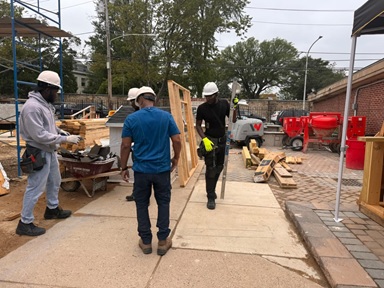
Digital technology will be used in the future of tunneling. We don’t just use physical blueprints anymore. “Digital Twins” and Building Information Modeling (BIM) have now become the norm in the sector.
BIM is the process of making 3D digital copies of structures that are underground. These models show how construction will go, which subsequently helps teams find possible problems with utility lines and the tunnel wall before they even start digging.
BIM is used by effective infrastructure project management services to cut down on waste and keep projects from becoming behind schedule. Furthermore, there is very little room for error in complicated city settings. Digital tools let managers see dangers in a safe, virtual space.
Professionals need to understand how to use software like Revit or Civil 3D to be successful. To ensure that the future generation of workers can use these high-tech interfaces, many trade school programs are now teaching fundamental digital skills.
The civil engineering talent gap is getting bigger, which puts the timeline of global infrastructure at risk. Moreover, in the civil engineering industry, a lack of mid-level engineers with 4-12 years of experience is a major problem right now. In response, the industry is using Artificial Intelligence (AI) and Machine Learning (ML) to fight this.
Large volumes of geological data can now be sorted through by AI systems in a matter of seconds. As a result, they can then predict ground subsidence—essentially, the sinking of the Earth above a tunnel—with remarkable precision. This proactive capability is a key differentiator for contemporary tunnel construction services.
Tunnel Boring Machines (TBMs) operate like enormous underground factories. Specifically, “smart TBMs,” which can instantly modify their torque and thrust in response to the density of the rock. This prolongs the machine’s life and speeds up the excavating process in general.

To become a tunnel engineer demands a deep understanding of geotechnical modeling. It’s far more than just excavation; rather, it’s about grasping the intricacies of the Earth’s behavior and movements in the land.
You need to know how to use tools like Rocscience or Plaxis for future projects. Specifically, these tools show how concrete linings react to changes in soil and water pressure. To offer the best tunnel building services, you must master these tools or any other tools first.
“Mixed-face” tunneling is one of the hardest jobs in the field. This happens when the machine cuts through hard rock on top and soft soil on the bottom. Because of this, it takes a steady touch and specialist mechanical expertise.
A university degree is just the usual way to get into the field; however, many people start their careers at trade school programs. The Philadelphia Technician Training Institute offers trade programs that teach the basic technical skills needed to work in heavy construction. Specifically, these programs are great for people who want to learn how to do the mechanical or electrical parts of tunneling.
Tunneling will be green in the future. Currently, governments want tunnel builders or providers of tunnel construction services to keep track of their carbon footprint. From the first day, this change has been affecting how projects are run.
There are more and more lower-carbon concrete and recyclable steel liners. Therefore, anyone who wants to become a tunnel engineer needs to know how these materials act when they are under underground stress.
“Lean” ideas are being used by infrastructure project management services. Essentially, this involves cutting down on waste, whether it’s time, materials, or gasoline. When teams find unexpected groundwater or geological faults, an agile approach lets them change direction quickly.
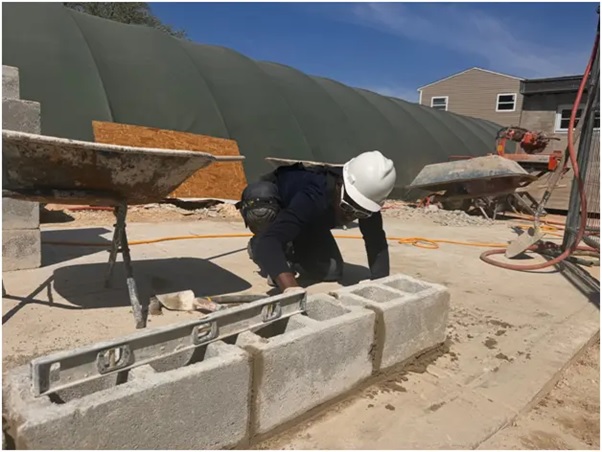
Even though robots are becoming more common, people are still needed. For high-quality tunnel construction services, different teams need to be able to talk to each other easily.
Civil engineers, geologists, electricians, and people from the local administration all work together on a tunnel project. Thus, you need to be able to turn technical information into plans that even non-technical partners can use. This is a key part of infrastructure project management services.
As seasoned veterans retire, they need to pass on their “manual engineering judgment” to others who have just graduated from trade school programs. Ultimately, the best engineering happens when “old school” intuition and “new school” data come together.
The tunnel itself will be “smart” in the future of tunneling. Specifically, sensors for the Internet of Things (IoT) are built into the walls of the tunnel to keep an eye on its stability for decades.
These sensors give us information about:
In the end, tunnel construction services make sure that maintenance happens before a fracture ever appears by giving these data-driven insights. Precisely, this kind of long-term planning is what makes top infrastructure project management services different from standard contractors.
You need to know everything there is to know about the Geotechnical Baseline Report (GBR) in order to become a tunnel engineer. Essentially, this paper lays out the “ground rules” for what the contractor thinks they will discover underground.
There is always a risk involved with tunneling. Therefore, infrastructure project managers should be able to navigate complex topics of safety regulations and environmental considerations. This demands a keen eye for detail and strict adherence to established safety protocols.
The demand for these skills will only grow as our construction methods get more advanced. Moreover, improved, more efficient, and less harmful to the environment are the goals. Additionally, both things are being taught by 4-year colleges and trade school programs.
Infrastructure project management is also evolving, incorporating sustainable materials and risk models driven by artificial intelligence, reflecting the sector’s rapid transformation. A career in this vital field is within reach for those who blend practical training from a trade school with a solid foundation in computer science and software applications. Therefore, the need for tunnel construction services will continue, driven by our ongoing pursuit of progress, improved transportation, and the creation of a better future.
Q: What are the biggest hurdles when it comes to tunnel construction?
A: The most pressing issues include reducing the environmental impact of concrete, dealing with unpredictable groundwater, and managing dense urban utilities. Consequently, leading infrastructure project management services are leveraging AI and BIM to address these potential pitfalls.
Q: As a tunnel engineer navigating a tough job market, what can you do?
A: To become a tunnel engineer, you typically need a degree in either civil or geological engineering. But, to stand out, it is becoming more and more important to gain real-world expertise through trade school programs or specific certifications in BIM management and TBM operation.
Q: The future of tunneling, in terms of automation, seems to be heading towards “closed-loop” systems?
A: These systems use artificial intelligence to analyze data from geological sensors. This allows for the automatic adjustment of Tunnel Boring Machine settings. As a result, the potential for human error is reduced, and the efficiency of tunnel construction is improved.
Q: A major reason for the shortage of civil engineering professionals?
A: In tunneling, it is the retirement of experienced workers, along with the rapid growth of technology, that is outpacing current teaching methods. To address this, new vocational programs should be developed. These programs should focus on computer skills and mechanical training.
Read more: