
When someone mentions trade school, the first thing that often comes to mind is physical work. Students work with welding equipment, repair vehicles, handle construction materials, or operate machinery. While these activities are certainly part of technical education, they do not tell the whole story.
Behind almost every practical task is a series of decisions. A welder needs to understand the material before choosing a technique. An automotive technician must identify what is causing a vehicle problem before attempting a repair. A construction worker needs to read measurements and understand a plan before starting work.
In other words, skilled trades require more than strong hands. They require people who can think, observe, calculate, and solve problems.
The skills needed for skilled trades include both practical abilities and mental skills. Learning how these two sides work together can help students understand what trade school really prepares them for.
There is a common assumption that technical education mainly involves physical tasks. Students learn to use tools, operate equipment, and perform specific jobs. But before they can do any of that correctly, they need to understand what they are working on.
Imagine a student learning automotive repair. Knowing how to use a wrench is useful, but it will not help much if they cannot identify which component needs attention. They need to understand how different vehicle systems work and how one problem can affect another.
The same applies to construction. A worker may be physically capable of installing a frame, but they still need to understand measurements, drawings, materials, and safety requirements.
Technical work involves a combination of:
These abilities are connected. A person may know how to operate a machine, but understanding how it works helps them use it more effectively.
Problems are part of almost every technical job. A machine may stop working, a vehicle may develop an unusual sound, or a construction measurement may not match the original plan.
The important thing is knowing how to respond.
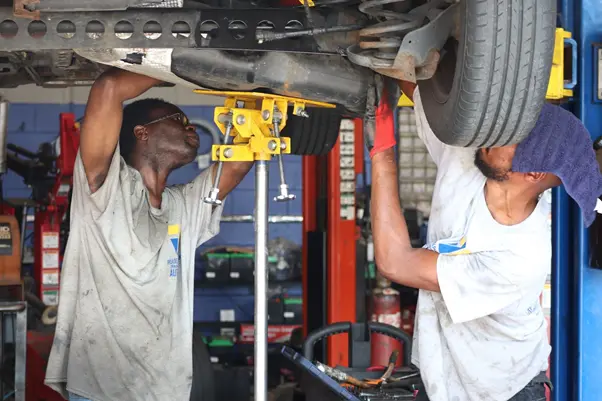
Good technicians do not immediately start replacing parts or changing equipment settings. They first try to understand what happened.
For example, an automotive technician dealing with a vehicle that will not start needs to consider several possibilities. The problem could involve the battery, starter, wiring, or another component. Checking the system helps narrow down the cause before any repair begins.
This is what problem-solving looks like in a skilled trade. It involves looking at the situation, considering possible explanations, testing them, and choosing the right solution.
Without problem-solving skills, workers may spend time correcting the wrong issue. This can lead to unnecessary repairs, wasted materials, and delays.
Being able to work through a problem also makes technicians more confident when they encounter something unfamiliar.
At PTTI, programs such as Automotive Training and Repair and Manufacturing and Automation introduce students to technical systems and troubleshooting as part of their training.
Many students do not expect mathematics to play such an important role in technical careers. However, measurements and calculations are part of everyday work across several trades.
A construction worker needs accurate measurements to prepare a foundation. A pipe fitter must understand pipe dimensions and angles. A welder may need to work with measurements and material specifications before beginning fabrication.
These tasks require practical mathematics rather than complicated calculations.
Here are a few examples:
Students do not need to be mathematics experts before entering a trade school. However, becoming comfortable with basic arithmetic, fractions, decimals, and measurements can make technical training easier.
The key is understanding how numbers are used in actual work situations.
Imagine being asked to install a piping system without knowing where the pipes should go or how the connections need to be arranged. You would have to guess your way through the job.
Blueprints help prevent that.
They provide workers with information about dimensions, layouts, materials, symbols, and technical requirements. Reading them correctly helps ensure that the work follows the intended design.
However, understanding a blueprint takes more than recognizing symbols. Workers must interpret the information and picture how it will translate into a finished structure or installation.
Blueprint reading is especially useful in construction, pipe fitting, and welding.
A construction worker may refer to a drawing to understand foundation layouts and framing measurements. A pipe fitter needs to understand pipe routes and connection points. A welder may use technical drawings to identify joint designs and fabrication requirements.
These details matter because a small misunderstanding can affect the quality of the entire project.
PTTI includes blueprint reading and interpretation of engineering plans in its technical training programs, including Steam, Sprinkler, and Pipe Fitting and Concreting, Masonry, and Framing.
Modern trade work is not limited to traditional tools and equipment. Technology has become part of many technical occupations.
Automotive repair shops, for example, use computerized diagnostic systems to identify vehicle problems. Manufacturing facilities rely on automated equipment, robotics, and advanced electrical controls. HVAC technicians work with systems that use electronic controls and digital components.
This means technicians need to understand how to work with technology as well as physical equipment.
Consider a manufacturing technician responsible for checking a production machine. They may need to understand electrical wiring, control panels, sensors, and automated processes.

Similarly, an automotive technician may use a diagnostic scanner to identify a fault before inspecting the vehicle further.
These situations require workers to understand what the equipment is showing them and decide what action to take.
At Philadelphia Technician Training Institute (PTTI), students can explore technology-focused fields such as Manufacturing and Automation, Automotive Training and Repair, and HVAC.
The institute’s training infrastructure includes equipment and facilities used for technical instruction across different fields.
Knowing how to perform a task is important, but knowing what to do in an unexpected situation is equally valuable.
A technician may understand the standard procedure but still face a situation where something does not go according to plan. Perhaps a component does not fit, a measurement is incorrect, or a machine behaves differently than expected.
In such cases, workers need to assess the situation before moving forward.
Good decision-making involves considering the available information, understanding possible risks, and choosing an appropriate response.
Technical work often involves heavy machinery, electrical systems, hot materials, and specialized equipment. A rushed decision can create safety risks for the worker and everyone nearby.
For example, if a machine starts making an unusual noise, continuing to operate it without checking the problem could cause further damage. A responsible technician knows when to stop, inspect the equipment, and follow the required safety procedure.
This is why safety training is not simply about memorizing rules. Students also need to understand when and why those rules matter.
Technical knowledge is important, but workers also need to communicate clearly.
An automotive technician may have to explain a vehicle problem to a customer. A construction worker needs to understand instructions from a supervisor and coordinate with other workers. A manufacturing technician may need to report an equipment fault to the maintenance team.
Poor communication can lead to misunderstandings, incorrect work, and delays.
Students can start developing this skill during training by asking questions, discussing practical tasks, listening carefully to instructions, and learning how to explain the work they have completed.
Being able to communicate what went wrong, what was checked, and what needs to happen next is a useful part of professional life.
In technical work, small details often have a direct impact on the finished result.
A slightly incorrect measurement, a loose connection, or a missed inspection can affect the quality and safety of a project. For example, a welder needs to pay attention to the preparation of a joint and the quality of the finished weld. An automotive technician must check components carefully rather than assume that everything is working properly.
Attention to detail develops through practice. Students learn to check their work, follow instructions, notice differences, and correct mistakes before moving to the next step.
It is not about being perfect every time. It is about building the habit of taking the work seriously.
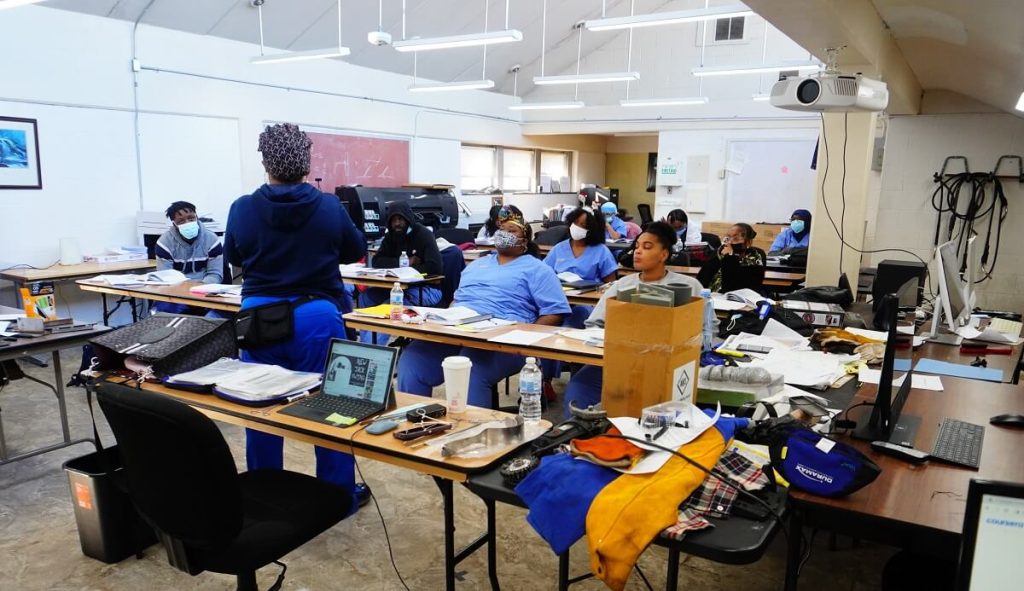
Students do not need to enter trade school with all these abilities already developed. Most are built gradually through instruction, practical exercises, and regular feedback.
At Philadelphia Technician Training Institute, students learn through a combination of classroom instruction and hands-on training. This allows them to understand the concepts behind a task and then apply that knowledge during practical work.
For example, a student may first learn about a vehicle’s systems before working on repair and diagnostic activities. Someone studying pipe fitting may learn about measurements and technical drawings before applying that knowledge to pipe fabrication and installation.
This connection between learning and practice helps students understand why a particular task needs to be performed in a certain way.
PTTI offers programs across several fields, including:
You can learn more about the institute’s approach and available courses by visiting PTTI’s official website.
Yes. Not everyone learns in the same way.
Some students understand a concept more easily when they see it demonstrated. Others prefer reading instructions or discussing a problem before trying it themselves. Technical education gives students opportunities to learn through different methods.
If mathematics has never been your strongest subject, you can still become comfortable with the measurements used in your chosen trade. If you have never read a blueprint, you can learn to understand basic drawings with practice.
What matters is being willing to ask questions, learn from mistakes, and keep practising.
You do not need to know everything on your first day. Trade school is where you begin building the knowledge and practical abilities required for your chosen field.
Employers need workers who can complete tasks correctly, but they also value people who can work responsibly and handle everyday challenges.
Depending on the role, employers may look for:
These qualities help workers adjust to different workplace situations and continue developing their technical abilities.
PTTI also provides career and job placement assistance to graduates. Students can use the available support to prepare resumes, practise for interviews, and explore employment opportunities related to their training. Job placement is not guaranteed, so graduates must remain actively involved in their job search.
Trade school is certainly about learning practical skills, but there is a lot of thinking behind the work. From reading blueprints and calculating measurements to troubleshooting equipment and making safe decisions, technicians use their minds throughout the working day.
The skills needed for skilled trades are developed through a combination of instruction, practice, and experience. Students do not have to enter training knowing everything. They need curiosity, patience, and a willingness to understand how things work.
At PTTI, students get opportunities to connect technical knowledge with hands-on learning across different career fields. Being good at a trade is not just about knowing which tool to pick up. It is also about knowing why you need it, how to use it, and what to do when something does not go as planned.
No. Trade school includes practical activities, but students also learn mathematics, blueprint reading, technical concepts, troubleshooting, safety procedures, and decision-making. These abilities are important for completing technical tasks correctly.
Basic mathematics is useful in many trades. Workers regularly use measurements, fractions, angles, dimensions, and calculations. Students can develop these abilities during technical training.
Technicians regularly deal with equipment faults, repair challenges, and unexpected situations. Problem-solving helps them identify the cause of an issue and choose an appropriate solution instead of relying on guesswork.
Yes. Many technical programs are designed for beginners. Through classroom instruction, practical training, and instructor guidance, students can gradually develop the knowledge and abilities required for their chosen trade.
Read More