
A good trade school should offer more than a certificate. It should offer real hands-on training, experienced instructors, honest support, and a clear path to work. Before you spend a dollar, you deserve to know what standards to expect. This guide explains exactly what a good trade school should offer, and the questions that reveal whether a school lives up to it.
Many students worry that trade schools are chaotic or disorganized. That fear is fair. Some programs overpromise and underdeliver. But a well-run school follows clear standards you can check for yourself. When you know what to look for, you stop guessing. You start evaluating like a professional.
This article gives you a practical framework. You will learn the core trade school standards that matter, the green flags of a well-run program, and a checklist of questions to ask. You will also see how these standards apply across programs in Philadelphia, from welding to sterile processing.
A good trade school should offer hands-on training on real equipment, experienced and consistent instructors, small enough classes for individual attention, responsive support, transparent cost and accreditation, and career help that continues after graduation. These trade school standards, not glossy marketing, are what actually predict whether you finish job-ready.
Think of it this way. You are not buying a brochure. You are buying skill, credibility, and a path to work. So the right question is simple. What will this school actually do for you, and how will it prove it?
Marketing tells you how a school wants to be seen. Standards tell you how it operates. The gap between the two is where students get burned.
A school can claim to be “hands-on” in an ad. Only its labs prove it. A school can promise “support.” Only its response times and staff prove it. When you focus on trade school standards, you cut through the noise. You judge the school on what it delivers.
This is why knowing what to expect from trade school is so valuable. It turns a confusing decision into a clear one.
Philadelphia Technician Training Institute (PTTI) is built around applied, hands-on training. Students learn on industry-standard equipment in real labs. The focus stays on the skills employers test for.
That approach reflects the standards this guide describes. You can explore how it works across all PTTI programs and see the model for yourself. A good trade school in Philadelphia should make that easy to verify, not hard.
A good trade school should offer a set of core standards you can check before enrolling. These cover instruction, class size, hands-on ratio, support, and problem resolution. Together, they separate a reliable program from a chaotic one. Below, each standard comes with the exact questions to ask.
These standards apply to every field. Whether you study welding or sterile processing, the fundamentals of a well-run school stay the same.
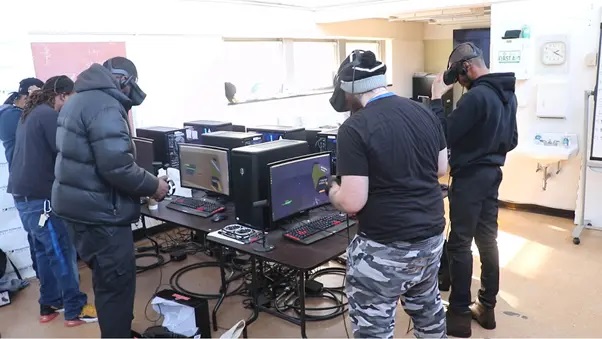
Direct answer: your instructor is the single biggest factor in your training. Good schools keep experienced instructors who have worked in the field. High instructor turnover is a warning sign.
You want to learn from people who have done the work. Field experience shows up in every lesson. It shapes how you are taught to handle real job-site problems.
Ask whether instructors have industry backgrounds. Ask how long they have taught at the school. Stable, experienced instructors are a core part of what a good trade school should offer.
Direct answer: smaller classes mean more attention and more practice time. A strong hands-on ratio is one of the clearest trade school standards. More reps on real equipment build real skill.
In the trades, you learn by doing. So the number of students per station matters. Fewer students means more time with your hands on the tools.
This is where applied training beats lectures and online-only courses. You cannot learn to weld or diagnose a fault through a screen alone. PTTI’s model centers on this kind of real hands-on trade training.
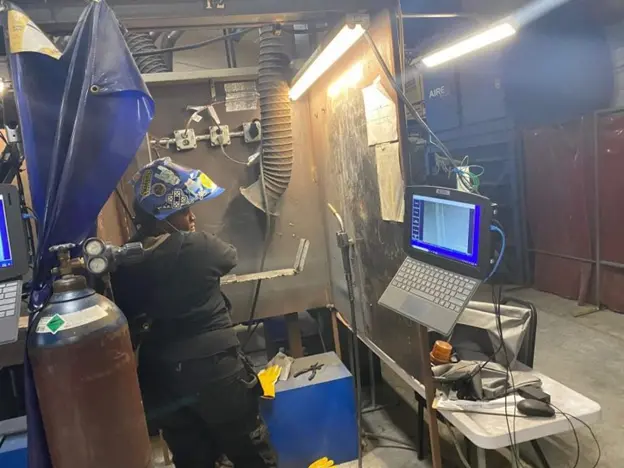
Direct answer: a good trade school should offer responsive support before, during, and after your program. Slow or vague communication is a red flag. Reliable schools answer questions clearly and quickly.
Support is not a luxury. It is part of the product. You will have questions about scheduling, cost, and careers. A good school helps you solve them.
Ask how the school handles student questions. Ask who you contact for help. PTTI’s approach to guiding students from enrollment to employment reflects this standard of continuous support.
Direct answer: every well-run school has a clear way to raise and resolve concerns. This shows accountability. A school with no process is a school to question.
Problems happen anywhere. What matters is how a school handles them. A fair, written process protects you.
Ask how concerns are handled. Ask who reviews them. A transparent resolution path is a quiet but important part of trade school standards.
A well-run trade school shows clear green flags: experienced instructors, real hands-on labs, transparent cost and accreditation, honest career support, and easy campus access. When you see these signs together, you are likely looking at a program that delivers what to expect from trade school.
Green flags are the opposite of red flags. They are the visible signs of a program that operates with integrity. You can spot them on a tour or a call.
Look for these positive signals when you evaluate any program:
When most of these are present, you have found a strong candidate. This is your trade school quality checklist in action.
A good trade school in Philadelphia should connect training to real regional demand. Skilled trades hire steadily across the area. According to the U.S. Bureau of Labor Statistics, many trades see consistent openings as experienced workers retire.
That demand spans the region. Employers hire across North, South, and West Philadelphia. Opportunities extend to nearby communities like Camden, Cherry Hill, Drexel Hill, Lansdowne, and Darby. A well-run school ties its training to that market, not to vague promises.
Before you enroll, ask direct questions about training quality, support, cost, and outcomes. Good schools answer clearly. Vague or defensive answers are a warning. This simple set of questions is the most reliable trade school quality checklist you can use.
You do not need to be an expert to ask good questions. You just need to know what matters. Use the two groups below on any tour or call.
PTTI publishes clear admissions and financial aid information, which is exactly the transparency you should expect when you ask these questions.
Follow these steps to evaluate any school with confidence:
Across every field, a good trade school should offer the same core standards. PTTI applies them consistently, from the shop floor to career support. That consistency is what makes the standards meaningful rather than marketing.
Each program is built around applied learning on real equipment. Career support runs alongside the training. The goal stays fixed on making you job-ready.
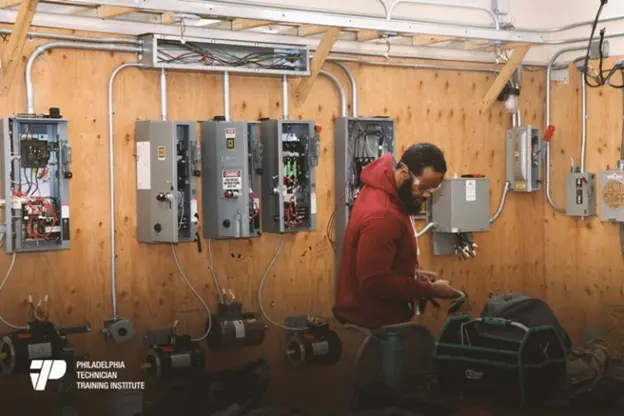
PTTI trains for six in-demand fields, each with a hands-on core:
Each program reflects what to expect from trade school done right.
Good schools support students the whole way through. PTTI’s career-focused approach continues beyond graduation. Students get help moving toward real work.
You can see how this support connects to jobs through PTTI’s careers and job opportunities resources. Continuous support is a defining part of what a good trade school should offer.
A good trade school differs sharply from college, online courses, and self-teaching. It delivers speed, hands-on skill, certification readiness, and employer-aligned training in one package. Understanding these differences helps you judge what to expect from trade school versus the alternatives.
Each path has trade-offs. But for the skilled trades, applied training wins on the factors that get you hired.
A four-year degree takes years and often heavy debt. A hands-on program moves faster and costs less. You start building real skill right away.
Online-only courses teach theory. They cannot give you booth time or shop time. Employers know the difference. That is why many students choose skilled trades training over college.
Self-teaching builds curiosity, not credentials. It rarely prepares you for certification or safety standards. A structured program closes that gap.
Generic vocational programs may lack real equipment or employer ties. A good trade school in Philadelphia offers both. That combination is what makes training pay off.
Now you know what a good trade school should offer and how to check for it. Use the standards. Ask the questions. Trust what you see in the labs over what you read in an ad. The right school will welcome that scrutiny.
When you are ready to see these standards in person, schedule a campus tour and watch the training firsthand. You can also explore the programs or contact admissions with your questions. A good trade school in Philadelphia should make that next step simple.
A good trade school should offer hands-on training on real equipment, experienced instructors, small classes, responsive support, transparent cost, and career help after graduation. These standards predict job readiness. PTTI’s programs are built around this applied, support-driven model in Philadelphia.
Expect a strong hands-on ratio, stable and experienced instructors, clear communication, verifiable accreditation, and a fair process for concerns. These trade school standards signal a well-run program. PTTI reflects them across its hands-on, career-focused training.
A well-run school shows green flags: field-experienced instructors, current equipment, honest cost details, and open campus access. Vague answers or pressure are warnings. Touring the labs, as you can at PTTI, is the fastest way to confirm quality.
Ask what career support continues after graduation, how the school helps you apply and interview, and who you contact for help. Good schools answer clearly. PTTI supports students from enrollment through employment, not just until the diploma.
A good checklist covers hands-on hours, certifications, instructor experience, class size, transparent cost, accreditation, and post-graduation support. Use it on every tour. PTTI’s programs are designed to meet these standards for students across the Philadelphia region.