
Walk into any repair shop today and you’ll hear the words “mechanic” and “technician” used almost interchangeably. But in the modern automotive industry, they no longer describe the same job. The gap between a mechanic and an automotive technician has widened dramatically as vehicles have become rolling computers, packed with sensors, control modules, and software that require diagnostic skill as much as mechanical ability.
For anyone weighing a career in automotive repair, understanding this distinction is more than trivia. It shapes what you’ll learn, how you’ll be paid, which certifications matter, and how future-proof your career will be. This guide breaks down the real difference between a mechanic and an automotive technician, covering the skills, training, certifications, salary, and job outlook that matter in 2026, with a clear focus on opportunities across Philadelphia, Pennsylvania, New Jersey, and Delaware.
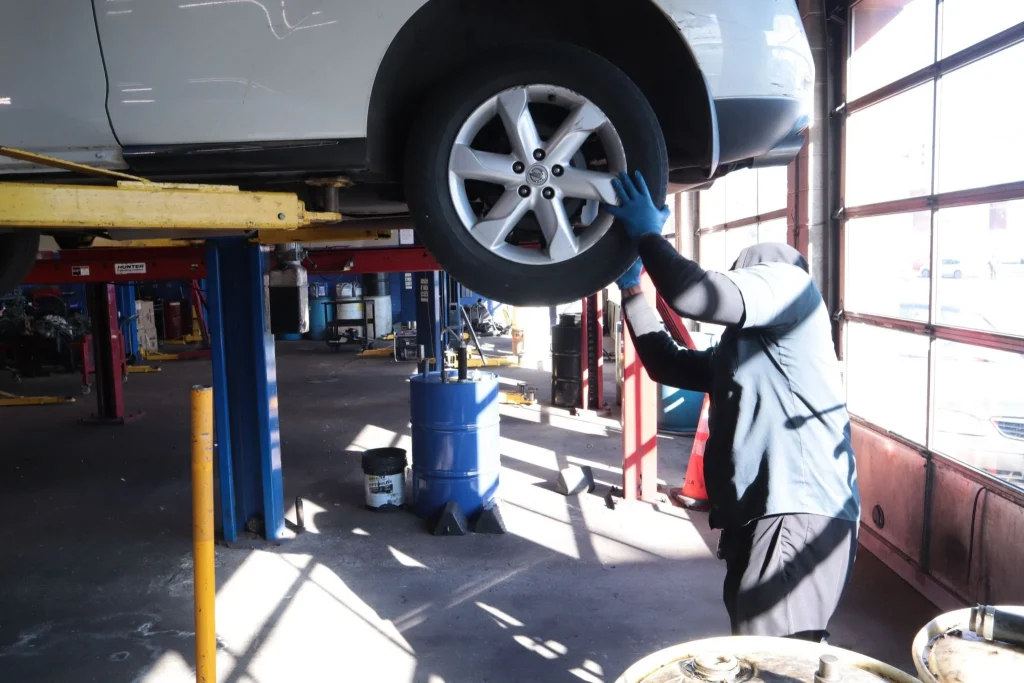
A mechanic primarily performs hands-on mechanical repairs such as brakes, suspension, and engine work. An automotive technician does that too, but also diagnoses and services the electronic and computerized systems in modern vehicles using scan tools and software. In short, every automotive technician is a mechanic, but not every mechanic works as a full automotive technician.
The distinction is really about scope and tools. The traditional mechanic’s toolbox was wrenches, sockets, and mechanical intuition. Today’s automotive technician still needs all of that, plus the ability to read fault codes, interpret live sensor data, reflash control modules, and follow structured diagnostic procedures. As cars have changed, the job title has evolved to reflect a broader, more technical skill set.
The term “mechanic” traditionally describes a professional who repairs and maintains the mechanical components of a vehicle. Think of the systems you can physically touch and move: the engine, transmission, brakes, steering, suspension, and exhaust. A skilled mechanic can diagnose a worn wheel bearing by sound, replace a clutch, rebuild a brake system, and keep a vehicle running reliably.
Mechanics remain essential. Much of daily shop work still involves core mechanical tasks that require strength, precision, and experience. The word carries a proud history, and many outstanding professionals proudly call themselves mechanics. What has changed is that pure mechanical knowledge, on its own, no longer covers everything a late-model vehicle needs.
An automotive technician performs mechanical repairs while also servicing the electronic, electrical, and computer-controlled systems that define modern vehicles. This includes running computerized diagnostics, testing sensors and modules, calibrating driver-assistance systems, and working with hybrid and electric vehicle components. The role blends traditional repair with technology.
Consider a common scenario: a check-engine light. A mechanic might replace the part a code points to. An automotive technician interprets the code as a symptom, examines live data, tests the circuit, and identifies the actual root cause, which may be wiring, a sensor, or a software issue rather than the obvious component. That diagnostic discipline is the heart of the modern automotive technician role, and it’s why the job increasingly resembles modern diagnostic work that combines hands-on skill with data analysis.
While the roles overlap, the differences are meaningful for anyone planning a career. The table below summarizes how a mechanic and automotive technician compare in practice.
| Factor | Mechanic | Automotive Technician |
| Primary focus | Mechanical repair | Mechanical repair + electronic diagnostics |
| Core tools | Hand tools, power tools | Hand tools plus scan tools, software, diagnostic equipment |
| Training emphasis | Mechanical systems | Mechanical systems + electronics, computers, software |
| Vehicle types | All vehicles, older and newer | Emphasis on late-model, hybrid, and EV systems |
| Typical credential | Experience, some certification | ASE certification, often Master Technician |
| Career ceiling | Solid | Higher, with specialization opportunities |
It’s worth noting that a related but separate path exists in collision and cosmetic repair. Anyone comparing career tracks may also want to understand the auto body vs. auto mechanic roles, since body repair is a distinct specialty from mechanical and diagnostic service.
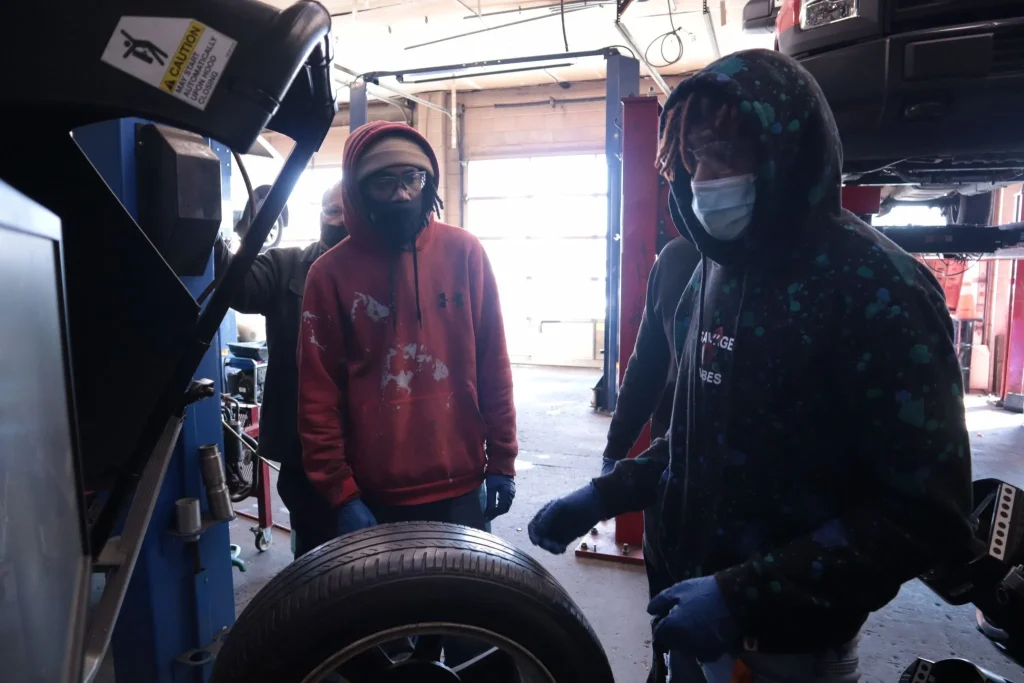
The line between a mechanic and automotive technician has hardened because vehicles have fundamentally changed. A new car can contain dozens of electronic control units and millions of lines of code. Advanced driver-assistance systems, electronic throttle control, and complex emissions systems all require diagnostic tools and structured procedures to service correctly.
Two forces make this especially relevant right now. First, electric and hybrid vehicles are moving into the mainstream, and servicing high-voltage systems safely requires specialized training that goes well beyond traditional mechanical work. Developing EV battery repair skills is quickly becoming a differentiator for technicians who want the highest pay. Second, connected-vehicle features and over-the-air software updates mean diagnostics increasingly happen through data, not just disassembly.
For students entering the field, the takeaway is clear: training built around today’s technology positions you for the roles employers are actually hiring for. Staying current with automotive technology trends is now part of the job, not an optional extra.
Hiring managers look for a blend of mechanical ability, diagnostic reasoning, and professional soft skills. Based on what shops and dealerships actually screen for, the most valuable competencies include:
These are exactly the skills a strong, hands-on program is designed to build. Real lab time on running vehicles and current diagnostic equipment is what turns classroom theory into job-ready capability.
ASE certification is not legally required to work, but it is the recognized industry standard and is often expected for hiring and advancement. Administered by the National Institute for Automotive Service Excellence since 1972, ASE certification proves verified competence through independent testing, and many shops prefer or require it.
Here is how the credential works in practice. The core Automobile series runs from A1 through A8, covering engine repair, transmissions, drivetrain, suspension and steering, brakes, electrical, heating and air conditioning, and engine performance. A technician who passes all eight earns the respected ASE Master Automobile Technician designation. Certifications are valid for five years, after which a recertification test is required to stay current.
An important detail for students: you can take and pass an ASE test before you have logged the required hands-on experience, and ASE will issue the certificate once your work history qualifies, generally two years, or one year if you completed a qualifying training program. That means starting your training now lets you begin banking credentials early. Understanding which automotive technician certifications matter most helps you plan a smart, efficient path toward higher pay.
Automotive technicians and mechanics earn competitive wages, and pay rises significantly with certification and specialization. According to the U.S. Bureau of Labor Statistics, the national median annual wage for automotive service technicians and mechanics was $50,620 in May 2025, with the top 10 percent earning more than $81,790.
In the Philadelphia area, pay tends to run above the national midpoint. Local market data places the typical automotive technician salary around $55,000, with entry-level roles starting lower and experienced, certified technicians earning well beyond that. Real Philadelphia job postings frequently offer hourly pay in the $28 to $44 range, with additional pay for ASE certifications and weekend or overnight shifts.
| Career Stage | Approximate Annual Range (Philadelphia Area) |
| Entry-level technician | $36,000 – $45,000 |
| Mid-career technician | $48,000 – $60,000 |
| Senior / ASE Master / EV-specialized | $65,000 – $85,000+ |
Two factors reliably raise earnings. ASE Master Technician status commonly adds a meaningful premium, and specialization in diesel, hybrid, or electric-vehicle systems commands some of the highest rates in the market. In other words, the more an automotive technician invests in diagnostics and certification, the higher the earning ceiling climbs.
The outlook is steady and durable. The Bureau of Labor Statistics projects employment of automotive service technicians and mechanics to grow about 5 percent from 2025 to 2035, faster than the average for all occupations, with roughly 66,200 openings each year over the decade. Much of that demand comes from replacing technicians who retire or move on.
Several forces sustain this demand. There are more vehicles on the road than ever, and they stay in service longer, which means more maintenance and repair over each vehicle’s life. At the same time, growing complexity means shops need technicians who can diagnose, not just replace parts. For the Philadelphia region, with its dense population, dealerships, fleets, and independent shops, that translates into consistent local hiring.
Becoming an automotive technician follows a clear path, and you do not need a four-year degree to start. Employers prefer candidates who complete a postsecondary automotive program, then earn certification once employed. Here is the typical route in the Philadelphia region:
PTTI’s Automotive Training and Repair Technician program is built around this exactly: hands-on instruction, industry-standard diagnostic tools, and certification readiness. Prospective students can also read a practical overview of how to become an automotive technician in Philadelphia to map the timeline and expectations before enrolling.
Training in Philadelphia carries a regional advantage. Graduates find work across city neighborhoods from North and South Philadelphia to West Philadelphia and the Spring Garden corridor, as well as throughout nearby communities including Yeadon, Lansdowne, Darby, Drexel Hill, and Ardmore in Pennsylvania, and Camden, Pennsauken, Cherry Hill, Collingswood, Maple Shade, and Cinnaminson across South Jersey.
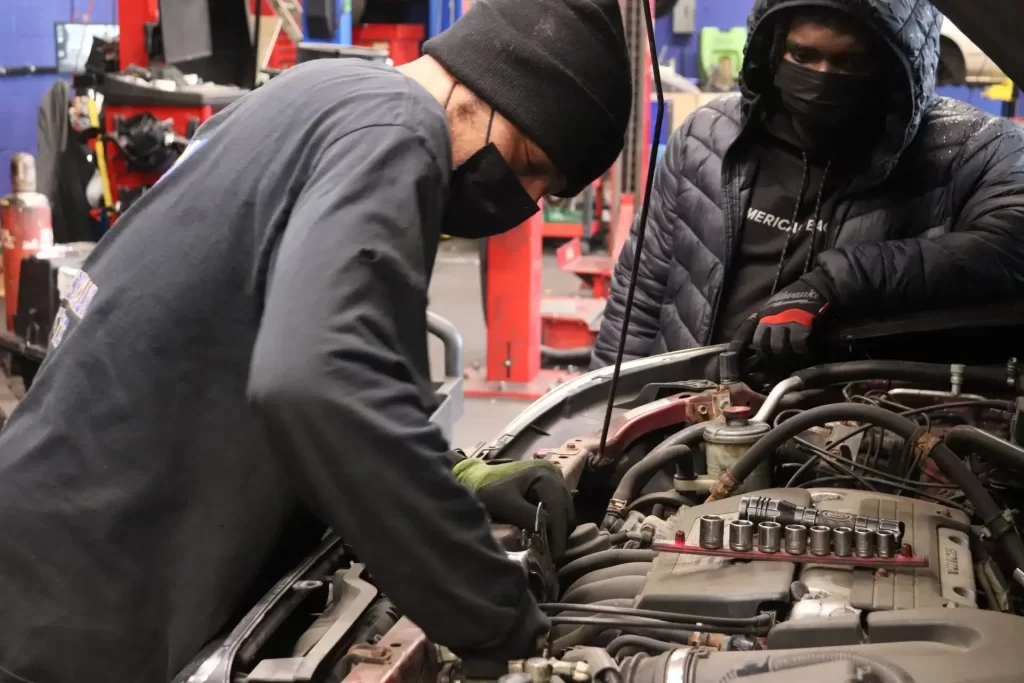
Both a mechanic and automotive technician can build a stable, rewarding career, so the right choice depends on your goals. If you love mechanical work and want to start earning quickly, the fundamentals of the trade are your foundation. If you want the highest earning potential and the most future-proof role, leaning into the automotive technician path, with its emphasis on diagnostics, electronics, and EV systems, positions you best for where the industry is heading.
This path suits a wide range of people: high school students and graduates seeking a direct career, career changers wanting hands-on work with growth, veterans whose discipline transfers well, and adult learners who want efficient training that leads to real jobs. For those using military education benefits, PTTI’s veterans education benefits resources can help clarify funding options.
The difference between a mechanic and an automotive technician comes down to scope, tools, and technology. A mechanic keeps vehicles running through skilled mechanical repair. An automotive technician does that and also masters the diagnostics, electronics, and software that define today’s cars, which is exactly why the technician path offers the strongest earning potential and the most future-proof career.
Understanding that distinction is the first step. The next is training for it. Whether you’re a recent graduate, a career changer, a veteran, or an adult learner, structured, hands-on training is the most reliable way to enter this field prepared for the roles employers are hiring for right now.
🚀 Ready to start? Explore PTTI’s automotive programs, schedule a campus tour to see the auto repair labs in person, or contact admissions to request information and take the first step toward your automotive technician career.
A mechanic focuses on hands-on mechanical repair, while an automotive technician combines mechanical work with electronic and computerized diagnostics. Every automotive technician is a mechanic, but the technician role adds diagnostic and software skills required by modern vehicles.
Not quite. The roles overlap heavily, but “automotive technician” reflects a broader, more technical skill set that includes diagnosing electronic systems, sensors, and software, in addition to traditional mechanical repair.
Often, yes. Because automotive technicians handle diagnostics and advanced systems, and typically hold ASE certifications, they tend to command higher pay. ASE Master Technician status and EV or hybrid specialization can raise earnings significantly.
No. A four-year degree is not required. Employers prefer candidates who complete a postsecondary automotive program and then earn ASE certification once employed. A high school diploma or GED plus hands-on training is the standard entry point.
The industry standard is ASE certification. Passing the A1 through A8 Automobile tests earns Master Automobile Technician status. Certifications last five years and require recertification to stay current.
Automotive technicians in the Philadelphia area typically earn around $55,000, with entry-level roles starting lower and experienced, certified, or specialized technicians earning $65,000 to $85,000 or more.
Yes. With steady demand, roughly 66,200 openings projected nationally each year, rising vehicle complexity, and strong local hiring, automotive technician is a stable, in-demand career with clear paths to higher pay.
Philadelphia Technician Training Institute (PTTI) offers hands-on automotive training using modern diagnostic equipment, serving students across Philadelphia, the surrounding Pennsylvania counties, and South Jersey.
Training in Automotive repair
How to become Automotive technician is just 3 steps
Automotive classes: Keeping up with the innovations of the industry