
The healthcare industry is changing fast. You do not need to attend school for a long time to get a job in healthcare.
In fact, Sterile Processing Technician Programs in Philadelphia offer a way for people to still pursue a career in healthcare without spending much time in educational institutions.
Short-term programs administered by institutions such as Philadelphia Technician Training Institute can now lead to entry into the healthcare field at a significantly faster rate than previously.
These Sterile Processing Technician Programs focus on teaching you the skills you need, getting you certified, and providing real-world experience. This makes them a great choice for people who want to change careers or are just starting. If you are looking for a way to get into healthcare, understanding how these Sterile Processing Technician Programs work can help you make a decision.
A Sterile Processing Technician plays a role in healthcare systems. They are responsible for cleaning, sterilizing, and preparing instruments used in procedures. This role helps keep people safe and prevents infections. It makes sure surgical operations go smoothly.
The demand for Sterile Processing Technicians is increasing across the United States, particularly in cities like Philadelphia that have many healthcare facilities. Several factors are driving this growth, including surgeries performed with a focus on infection prevention and healthcare facilities expanding.
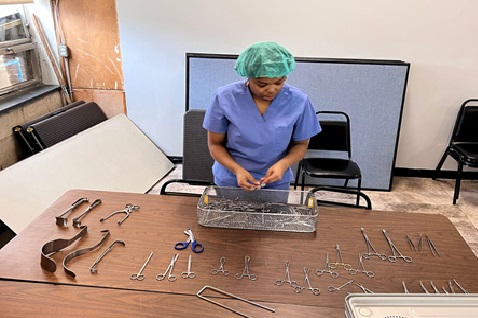
Sterile Processing Technician Programs are changing the way people enter the healthcare industry in various ways.
A lot of healthcare careers require years of study. In contrast, medical technician training programs like Sterile Processing can be completed in under a year. At Philadelphia Technician Training Institute, students can complete their training in less than 10 months.
Processing Technician training is more related to skills than theory. The Processing Technician training curriculum is more focused on empirical skills than theory. The curriculum, therefore, emphasizes processing skills that are more practical than theoretical to ensure that students can take on jobs immediately after graduation.
One advantage of these programs is that they give students real-world experience. Students accumulate training hours and practical experience in healthcare environments, engaging directly with industry professionals. This experience bridges the divide between education and employment, boosting graduates’ confidence and making them more employable..
Most programs are designed to prepare students for Sterile Processing certification, such as the CRCST credential. Certification helps by increasing job opportunities, validating skills, and improving long-term career growth. Employers often prefer candidates who are certified, making this step essential.
One of the things about Sterile Processing Technician Programs in Philadelphia is that they are accessible.
1-No Degree Required
You do not need a college degree to start. A school diploma is usually enough. This opens the paths for first-time job seekers, people looking to switch careers, and individuals returning to work.
2-Flexible Learning Options
Programs often offer day classes, evening schedules, and hybrid formats. This flexibility allows students to balance work, family responsibilities, and education.
3-Cost-Effective Career Path
Compared to degrees, these medical technician training programs are more affordable and quicker to complete. Because students spend less time in school, they enter the workforce faster and see a return on their investment.
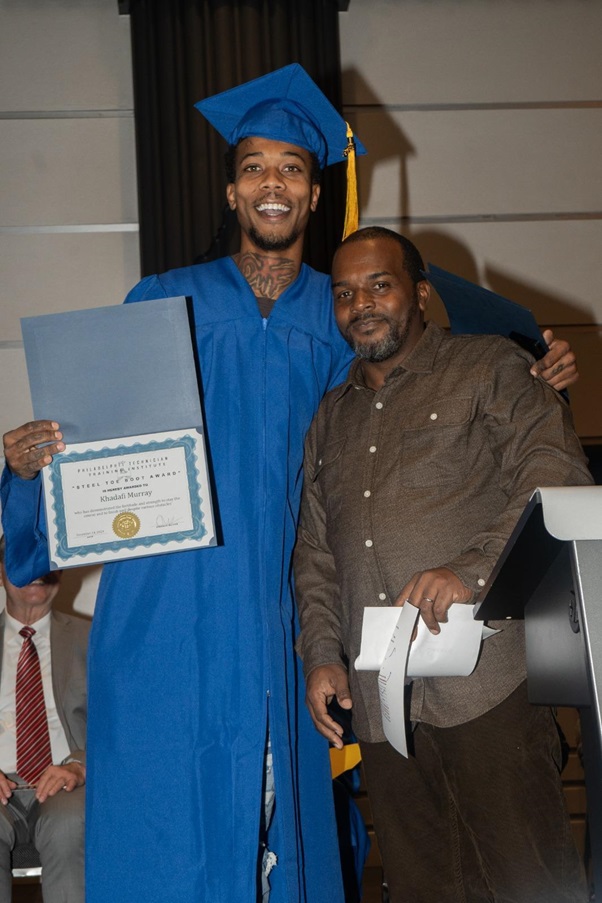
After finishing their Sterile Processing training, graduates can work in hospitals, surgical centers, dental clinics, and medical labs. Sterile Processing Technician, Instrument Technician, and Central Service Technician are some of the most common jobs.
Programs at PTTI are designed with employer needs in mind. Students are trained in sterilization technologies and industry-standard practices. procedures, and workplace readiness.
1-Soft Skills and Career Readiness
Beyond skills, students also learn communication, professional behavior, and interview preparation. These skills are essential for long-term success in any healthcare career program in Philadelphia.
2-Impact on Healthcare Systems
These programs are not just changing careers; they are also improving healthcare systems.
Philadelphia is one of the leading healthcare hubs in the United States. The city has hospitals, research institutions, and a high demand for trained technicians. Because of this, Sterile Processing Technician Programs in Philadelphia have significant potential for job placement.
This career might suit you if you enjoy hands-on work, paying attention to detail, want to enter healthcare, and prefer not to work directly with patients. It is especially ideal for those looking for stability and growth without needing formal education.
Sterile Processing Technician Programs are changing how people start their careers in healthcare. With training periods, hands-on learning, and solid job opportunities, these programs offer a way to succeed in this field. Schools like Philadelphia Technician Training Institute are helping individuals move into healthcare jobs.
If you want a career that is stable, in demand, and can be completed in about a year, this might be the right choice for you.
Most Processing Technician Programs take 8 to 10 months to complete.
No beginners can enroll without having any healthcare experience.
The CRCST is the recognized Sterile Processing certification.
Yes, there is a demand for Sterile Processing Technicians in cities like Philadelphia.
Yes, it offers stability, growth, and advancement opportunities.
Read more blogs