
At a bustling construction site in Philadelphia, a giant machine stops working. Every second is a dollar lost. In those situations, good problem-solving skills early in your career differentiate the get-by from the crew leaders. After all, the physical workforce challenges are totally unpredictable. Thus, you need to be able to think clearly while working with your hands. As a result of this shift, many young professionals in Philly are finding out that technical skills alone are not sufficient to secure long-term financial freedom.
Find out how Philadelphia Technician Training Institute’s (PTTI) hands-on training programs can change your career. PTTI provides the hands-on experience companies want — from specialised welding qualifications to advanced auto tech — helping you launch a rewarding skilled trades career.
TL;DR: Technical skills will earn you your first job, but critical thinking and adaptability will ensure you never go without one. In this guide, we’ll show you how real-world critical analysis turns blue-collar work into high-paying expertise, keeps you safe on the job, and speeds up your journey to financial freedom.
To begin with, we’ll describe in detail how this mindset manifests itself on the shop floor. We will also lay out a simple plan for consistent growth and talk about why local businesses value these abilities more than physical strength alone.
Essentially, this approach is about looking at a physical defect not as a frustrating inconvenience, but rather as a problem to be solved. In any steady skilled trades career, workers will confront blueprints that don’t match the real room or parts that just won’t fit together well.
Instead of throwing down your tools in frustration, clear thinking allows you to step back, look at the whole system, and find a safe workaround. That’s where your good soft-skills training really pays off, in addition to your physical toolbox. Ultimately, if you’re a young professional looking for independence in Philly, this kind of flexibility is your passport to job security. Consequently, you stop being just a follower and become a trusted specialist who can take a whole project and run with it.
The full importance of critical thinking is realised when you understand that patchwork solutions lead to recurring expensive failures. By contrast, focusing on the root cause of a problem saves your organization thousands of dollars in lost material and hours of downtime.
Facts Supporting the Demand: Local companies are on the lookout for people who have developed the habit of critical thinking. The vast majority of employers (93%) said that soft and durable skills—such as the ability to think critically and solve difficult problems—are important when hiring new employees (CFTEA data).
Furthermore, thinking ahead means you and everyone on your crew are safe from unforeseen, deadly workplace hazards. To illustrate how this works in real life, here are four particular ways this strategy changes your daily life on the job:
A great technician doesn’t just slap a hasty bandage on a leak. They go deep into the system to figure out why it happened. For example, a student in the Automotive Technology and Repair Program might run into a dead battery. Instead of merely replacing the battery, they employ their problem-solving skills to trace the electrical circuitry. Deep diving, they found they had a buried bare ground wire that was completely depleting the system, and hence changed it.
The reality of Philadelphia construction sites rarely matches the ideal measurements on paper. For instance, a graduate of the Drywall, Framing, and Finishing trade program may realise that a subfloor is way out of whack. Instead of quitting, students apply their problem-solving skills and talents to shim the foundation structures and trim the edges just right. As a direct result of this fast fix, the project can keep going without expensive delays or lumber being wasted.
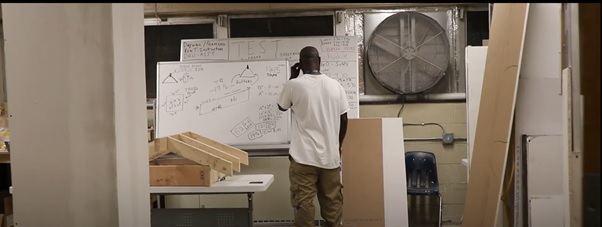
It is worth noting that if you don’t think ahead or skip steps in a heavy work setting, you can get very badly hurt in no time. To avoid this, look at how an expert handles it: when replacing an old item, an electrician can realise the main breaker panel is very old. Immediately, they use their problem-solving skills, stop the work, properly explain the fire hazard to the client, and suggest a modern solution. This professional caution safeguards the property and creates their reputation as an honest, reliable professional.
There is a hidden lesson in every job error that might help you become a better employee in the long run. Consider the following scenario: a novice welder joins two thick metal sheets, yet the resulting weld is weak. He/she keeps trying, using their problem-solving skills to keep an eye on the gas flow, adjust the torch’s angle, and quickly adjust the heat settings. Then, their next attempt produces a powerful and attractive joint.
Developing these mental habits demands a consistent, disciplined strategy, emphasizing the importance of critical thinking so that you never panic when the pressure is on and things go wrong. Experts advocate that a simple four-step procedure be used to safely break down complex mechanical problems:
Using tried and true industry standards like the ASQ Problem Solving Process can allow you to stay cool and organised amid difficult emergencies. Without a doubt, this is a cornerstone of professional soft-skills training that distinguishes top earners.

If you want to move up into management or establish your own local firm, you have to exhibit these skills to your supervisors. When doing so, do not use complicated industry jargon when presenting a difficult technical problem to a consumer. Instead, explain the situation properly. How does your solution save them money, avoid future breakdowns, and keep their property entirely safe?
Over time, these open methods of communicating are among the most effective career advancement strategies to climb the ladder. Investment in soft-skills training yields early returns since local business owners are always seeking technicians with strong communication skills and the ability to manage problems independently. To sum up, when you have excellent people skills in addition to your technical expertise, you are completely indispensable on any job site.
There are huge advantages to going to a specialist vocational school in Philadelphia that go much beyond just learning from books. The great thing about vocational training is you get to practise on real, sophisticated industrial machines before your first day on the job. At the Philadelphia Technician Training Institute, teachers stress the importance of both technical know-how and how to survive on the job.
Therefore, whether you choose the Steam, Sprinkler, and Pipe Fitting program or the Concreting, Masonry, and Framing program, you will naturally become confident in your abilities. Throughout your training, you will learn how to deal with challenging clients, manage tight project deadlines, and address physical layout issues securely. This two-pronged approach ensures you leave here ready to make an independent income and develop a life you can be proud of.
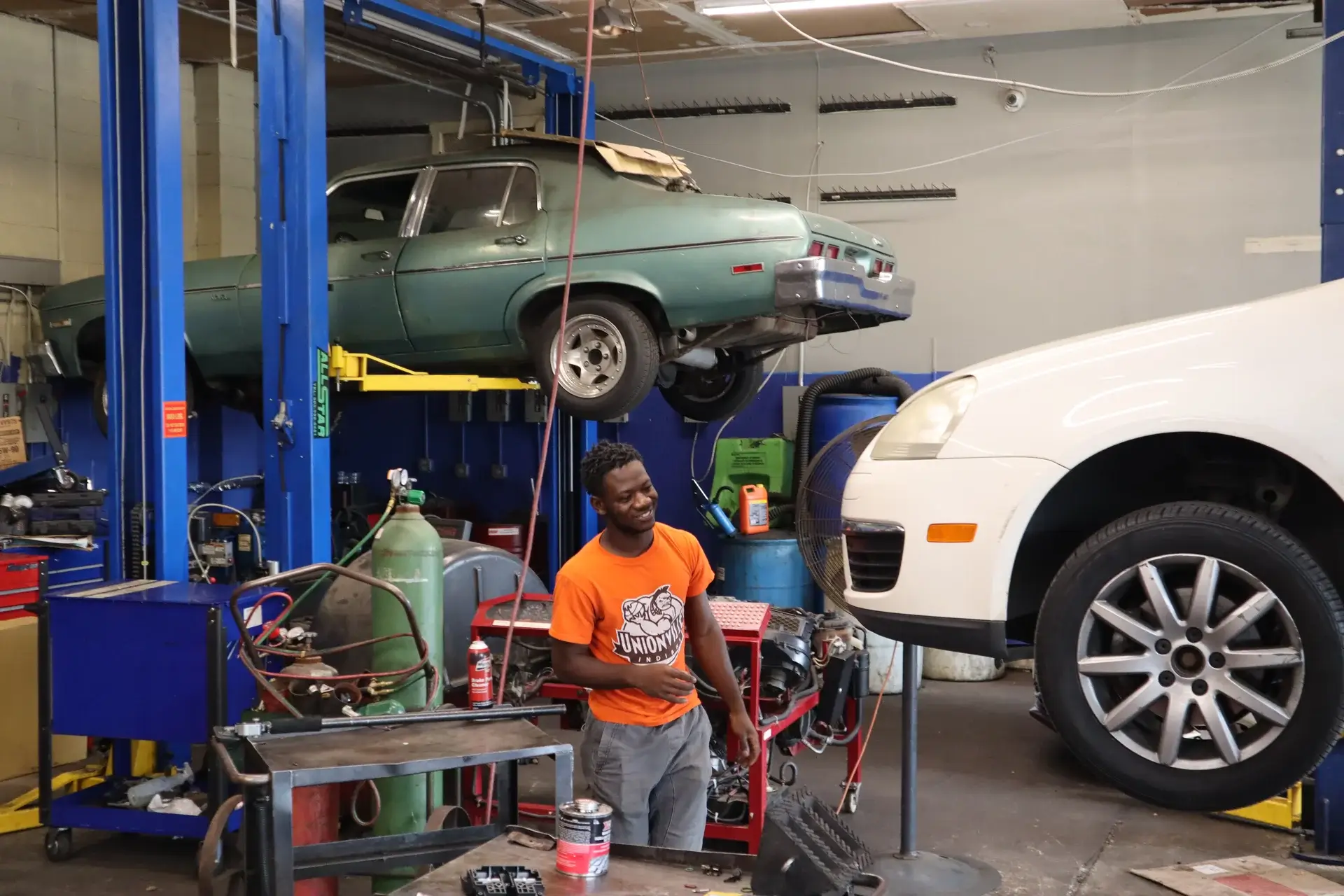
The best approach to convert physical labour into a highly regarded, well-paid profession is by developing exceptional problem-solving skills and implementing proactive career advancement strategies. Ultimately, it helps you deal with unforeseen challenges with poise, safeguard your colleagues, and deliver huge value to your organization.
So, don’t leave your professional development to luck. Visit the PTTI campus to get a better idea of which field aligns with your own aspirations and take charge of your future. Talk to a local admissions counsellor today, find a career path that inspires you, and start gaining the practical skills you need to achieve your financial freedom!
Q: What makes problem-solving skills so critical for a skilled trades career?
A: Problem-solving skills make sure that you can safely handle the unanticipated without interrupting the process. That freedom makes you hot property for local businesses, so you get promoted faster and enjoy far greater employment security.
Q: Can I develop critical thinking if I do not have a technical background?
A: Yes, absolutely. Critical thinking is a muscle that becomes stronger with disciplined repetition, explicit step-by-step diagnostic frameworks, and hands-on experience. A good trade program will train you to analyse mechanical systems from the ground up, in a systematic manner.
Q: How can soft-skills training help me make more money in Philadelphia?
A: It teaches you how to communicate clearly with clients, explain repair charges in layman’s terms, and handle difficult emergencies in the workplace without losing your cool. But the tradespeople who have not just exceptional technical competence but also top-tier communication abilities will command a premium from employers.
Q: What are the primary ways for young professionals to enhance their careers in the trades?
A: Some of the top techniques include showing up early each day, understanding your technical foundations, and proactively finding solutions to challenges on the job site. Match these qualities with specialised credentials from a reputable school such as PTTI, and you’ll be well on your way to supervisory responsibilities.
Read more: