
Philadelphia’s skilled trades market is one of the tightest in years. Employers across construction, manufacturing, healthcare support, and facilities all report the same problem. They cannot find enough trained hands. For anyone deciding what to train for, that shortage is good news. It means the right skills lead to real openings, not empty promises.
This guide breaks down the Philadelphia trade jobs hiring 2026 by sector. You will see which industries are hiring, why demand keeps rising, which training maps to each field, and how fast you can become job-ready. It is written for high school graduates, career changers, veterans, and adult learners who want to train for something with guaranteed local demand.
Demand is rising for two simple reasons. First, experienced tradespeople are retiring faster than new ones arrive. Second, major projects keep launching across the region. Together, these forces create a steady stream of openings.
The numbers back this up. The Associated Builders and Contractors estimates the construction industry needs about 349,000 net new workers in 2026 alone. Around 92% of construction firms report difficulty finding qualified workers. In manufacturing, McKinsey research has shown employers fill only about 60% of open trade roles. That gap is not a temporary dip. It is a structural shortage.
A large share of skilled workers is nearing retirement. As they leave, employers must replace them. This replacement hiring happens every year, no matter what the wider economy does. For new workers, that means openings stay consistent even during slower periods.
Philadelphia is not a slow market. The region is home to active shipbuilding, a growing life-sciences and Cell & Gene Therapy cluster, ongoing healthcare construction, and infrastructure repair on systems that are a century old. The Navy Yard and new industrial sites add further demand. According to Philadelphia Works, the city’s workforce development board, the local labor market entered 2026 with continued workforce growth. These projects need tradespeople now.
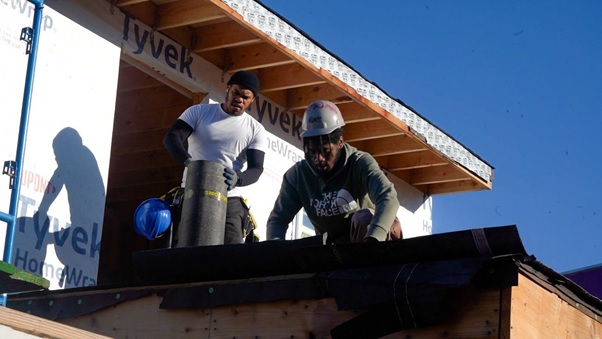
Four sectors drive most of the Philadelphia trade jobs hiring 2026: construction and the building trades, advanced manufacturing, healthcare support, and automotive and facilities maintenance. Each one faces a worker shortage. Each one maps directly to a hands-on training path that gets you job-ready fast.
The table below gives a quick overview. Details follow in each section.
| Hiring Sector | In-Demand Roles | Maps to Training |
| Construction & building trades | Welders, pipefitters, masons, framers | Welding; Pipe Fitting; Concreting & Masonry |
| Advanced manufacturing | Automation techs, maintenance, machine operators | Manufacturing & Automation |
| Healthcare support | Sterile processing technicians | Central Processing & Sterile Services |
| Automotive & facilities | Auto technicians, facilities maintenance | Automotive Repair; cross-trade skills |
You do not have to guess which field fits you. If you want to match your interests to a hiring sector, the Program Matchmaker Quiz is the fastest way to start. You can also browse all PTTI programs to see how each one connects to local demand.
Construction is the largest source of skilled trades demand in Philadelphia. Contractors need welders, pipefitters, masons, and framers on nearly every project. The shortage is real, and it is driving up pay and opportunity.
Construction also resists automation. You cannot pour a foundation or run a pipe system through a screen. That keeps skilled hands essential, even as technology reshapes planning and scheduling.
Welding sits at the center of construction, fabrication, and shipbuilding. Philadelphia’s maritime and metal-fabrication sectors keep welders busy year-round. Welders in the area typically earn between $52,000 and $60,000, with certified and union welders often exceeding $70,000.
A recognized weld-test credential travels anywhere. That portability makes welding one of the strongest fast-track trades. Hands-on booth time is what employers want, and a focused Welding Technology program builds exactly that.
Every large building in Philadelphia relies on steam, sprinkler, and pipe systems. That keeps fitters in steady demand across commercial and industrial work. Pipefitters in the area commonly earn around $60,000, with experienced and union workers reaching the $74,000 to $82,000 range.
This work is mechanical, hands-on, and consistent. A Steam, Sprinkler & Pipe Fitting program builds the mechanical and safety skills employers expect from day one.
Concrete, masonry, and framing form the backbone of every build. As Philadelphia repairs aging structures and adds new ones, these trades stay in demand. Training that mirrors real job-site conditions matters here. A hands-on Concreting, Masonry & Framing program prepares students for the pace and precision of actual construction work.
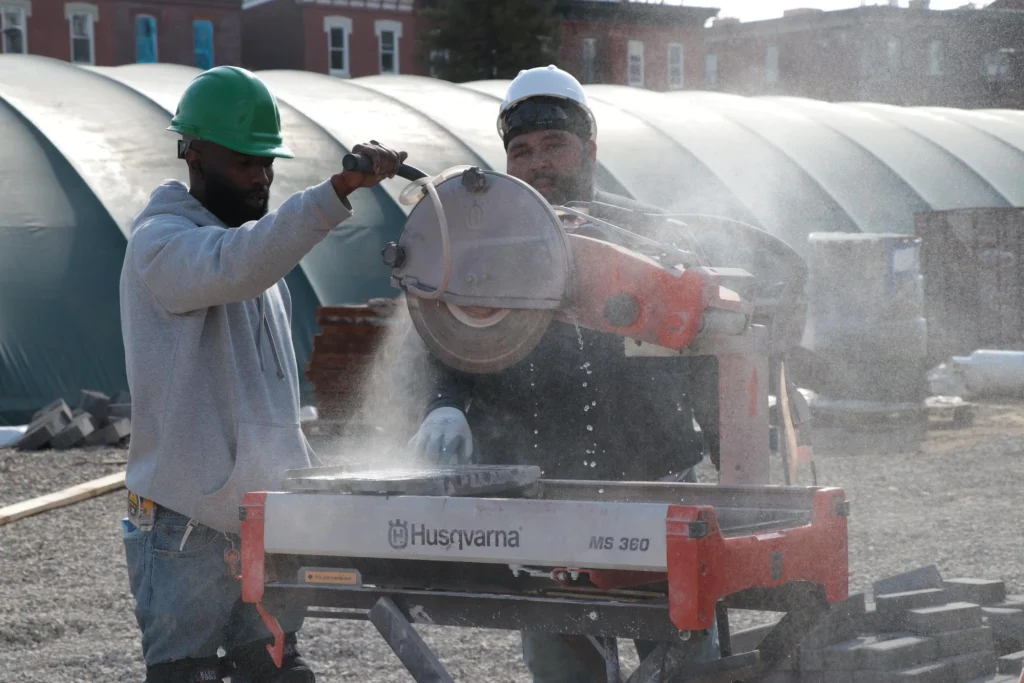
Manufacturing offers some of the highest pay ceilings in the region. Automation, industrial maintenance, and machine operation roles are hard to fill and well compensated. In the Philadelphia area, these roles often reach $80,000 or more with experience.
Modern manufacturing is not the factory work of decades past. It runs on robotics, smart systems, and precision equipment. Employers need technicians who can run and repair that technology. That is why the manufacturing and automation jobs in Philadelphia sector stays strong even in slower years.
Two forces keep this field hiring. First, reshoring and new production lines add industrial work. Second, skilled maintenance and automation workers are genuinely hard to find. When employers fill only a fraction of open roles, trained workers gain real leverage.
Manufacturing employers look for specific, applied skills:
A hands-on Manufacturing & Automation program builds these on real equipment. That applied training is what separates a job-ready graduate from a résumé.
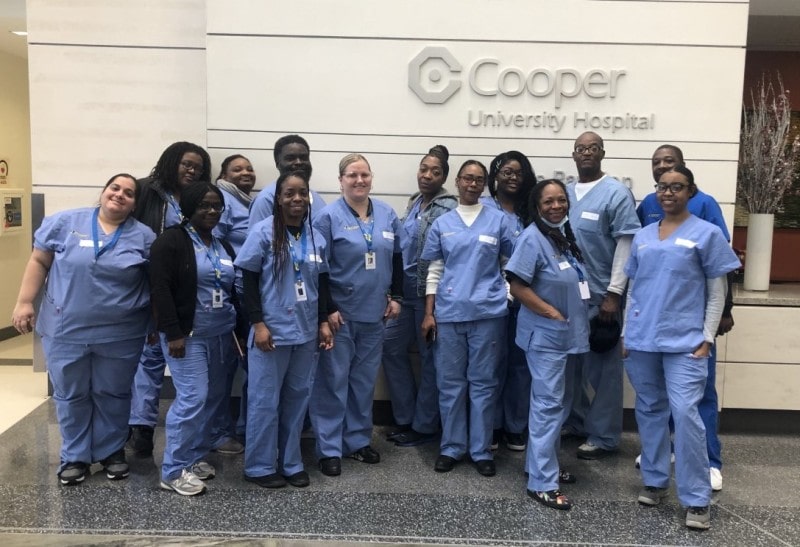
Philadelphia is a healthcare city. Major hospital systems and a fast-growing life-sciences sector anchor the local economy. That creates steady demand for a role many people overlook: the sterile processing technician.
According to the U.S. Bureau of Labor Statistics, healthcare and social assistance is projected to be the fastest-growing sector through 2034. In a hospital-dense region like Philadelphia, that demand shows up locally and consistently.
Sterile processing technicians clean, sterilize, and prepare surgical instruments. Every surgery depends on their work. It is precise, essential, and behind-the-scenes. The role suits people who value detail and stability over the spotlight.
This is also one of the fastest paths into healthcare without a nursing degree. A certification-focused Central Processing & Sterile Services program prepares students for recognized credentials and hospital hiring.
Sterile processing rewards reliability and care. Many career changers move into it from retail, warehouse, or other hands-on work. The training is focused, and the demand is steady. For anyone seeking trade jobs in Philadelphia with healthcare stability, it is a strong option.
Cars are not going away, and neither are the buildings that need maintenance. Automotive repair and facilities work keep hiring across Philadelphia. Both reward skill, certification, and reliability.
Vehicles keep getting more complex. Modern cars run on advanced electronics, diagnostics, and hybrid or EV systems. That makes skilled technicians harder to replace, not easier. Automotive technicians in the area commonly earn $60,000 to $67,000, with top earners reaching well above that.
Earnings rise with ASE-aligned certifications and diagnostic skill. Shop-based, hands-on training builds that ability faster than any tutorial. A focused Automotive Training & Repair program prepares students for the systems in today’s vehicles.
Facilities work cuts across every sector. Hospitals, factories, and commercial buildings all need maintenance techs who understand mechanical, piping, and electrical systems. These roles are steady because buildings always need upkeep.
Multi-skilled workers do especially well here. A worker who can weld, fit pipe, and troubleshoot systems is more valuable than a single-skill specialist. This is why cross-trade training pays off in the long run.
You can become job-ready in most of these trades in well under a year. Many focused programs prepare students for entry-level work in a matter of months. Speed is possible because the trades hire on demonstrated skill, not on years of study.
What matters is that “job-ready” means real ability. You should be able to perform core tasks, meet safety standards, and prepare for the certifications employers screen for. That is the standard hands-on training should meet.
PTTI supports this path through careers and job opportunities resources and direct employer connections. That bridge from training to hire is what turns a program into a career.
Hands-on training is a different product from the alternatives, and employers know it:
For a broader look at local momentum, this overview of rising job growth in skilled trades adds useful context.
Skilled trades in Philadelphia pay competitively, and pay climbs with certification and experience. The table below shows typical local ranges. Actual pay varies by employer, specialty, shift, and overtime.
| Trade | Typical Philadelphia Range | Growth Path |
| Welding | $52,000 – $60,000+ | Pipe/specialty welding, certification |
| Pipefitting | $45,000 – $82,000+ | Union, specialty systems |
| Manufacturing & Automation | $50,000 – $90,000+ | Robotics, controls, supervision |
| Automotive | $39,000 – $92,000 | ASE certs, diagnostics, flat-rate |
| Sterile Processing | Entry to mid-range, steady | Certification, specialization |
These ranges reflect why the Philly job market trades picture is so strong. You can start earning quickly and grow your income as you add skills. For nationwide context, the Bureau of Labor Statistics reports median pay near $62,000 for electricians and for plumbers and pipefitters.
Skilled trades openings span the entire region, not just one neighborhood. Graduates find work across Philadelphia and the surrounding communities. Because credentials are portable, training centrally opens doors in every direction.
Opportunities reach across nearby Pennsylvania towns like Yeadon, Lansdowne, Darby, Drexel Hill, and Ardmore. They extend into South Jersey communities including Camden, Pennsauken, Cherry Hill, Collingswood, and Maple Shade. Demand also stretches into Delaware and the broader tri-state market. This regional reach is a core advantage of the Philadelphia trade jobs hiring 2026 landscape.
Start by matching demand to your interests. Every sector above is hiring, so the best choice is the one you will commit to. Consider what kind of work energizes you, whether you prefer building, fixing, or precision detail.
Then confirm the training delivers real skills. Look for hands-on labs, current equipment, and certification preparation. These features predict whether you graduate genuinely job-ready. When you are ready to take the next step, admissions and financial aid resources can help you plan the move.
The Philadelphia trade jobs hiring 2026 story is clear. Employers across construction, manufacturing, healthcare support, and automotive need trained workers now. The shortage is your opportunity. The fastest way to seize it is focused, hands-on training that maps to real local demand.
Take the Program Matchmaker Quiz to match your interests to a hiring sector. Explore all programs to see how each connects to the job market, or schedule a campus tour to see the labs in person. When you are ready, contact admissions to start training for a trade that is hiring.
What trades are hiring in Philadelphia in 2026?
Construction trades like welding, pipefitting, and masonry are hiring strongly, along with manufacturing automation, sterile processing, and automotive repair. All four sectors face worker shortages. Hands-on training at PTTI maps directly to each of these in-demand Philadelphia trade jobs.
Which industries need skilled trades workers most?
Construction, advanced manufacturing, healthcare support, and facilities maintenance lead the skilled trades demand in Philadelphia. Each faces retirements and open roles employers struggle to fill. PTTI’s programs are built to prepare students for exactly these hiring sectors.
Which trade has the most openings in Philadelphia?
Construction trades generally have the highest volume of openings, driven by a national shortage and local infrastructure work. Manufacturing has the highest pay ceiling. The right fit depends on your goals, which the PTTI Matchmaker Quiz can help you identify.
How fast can I become job-ready in a skilled trade?
Many hands-on trades prepare you for entry-level work in months, not years. What matters is that job-ready means real skill and certification readiness. PTTI’s applied training is built around getting students workforce-ready quickly for local demand.
Do these trade jobs pay well in Philadelphia?
Yes. Most skilled trades in Philadelphia pay competitively, often $50,000 to $70,000, with certified and experienced workers earning more. Manufacturing and specialty roles reach the highest ranges. Pay climbs with certification, which PTTI programs help students prepare for.
Read More