
Drywall Technician and Concrete Mason are two skilled trade jobs that require almost the same set of projects. First, understand in very basic terms what a drywall technician and a mason’s technician are. Drywalling is a skilled job performed after the building or residential construction is complete.
That’s the question facing many Philly residents or graduates looking for a job in this industry. Maybe you’re finishing high school. Maybe you’re just tired of jobs that don’t pay right. Either way, construction trades are calling your name. However, before you pick a lane, you need real numbers. Not guesses. Not what your cousin’s friend said. Let’s break it down.
Visit PTTI Admissions for more information.
The Quick Answer
Nationally, drywall technicians’ pay varies by state. According to the U.S. Bureau of Labor Statistics, drywall and ceiling tile installers earned an average of $64,540 a year in 2025. That’s about $31.03 an hour. Cement masons and concrete finishers averaged closer to $60,050 a year, or roughly $28.87 an hour. Additionally, both numbers vary by state, experience, and whether you work in a union or non-union setting.
| Drywall Technician | $64,540 | $31.03 |
| Concrete Mason | $60,050 | $28.87 |
Here’s a simple visual to picture it:
DRYWALL TECH ████████████████████████████████ $64,540
CONCRETE MASON ██████████████████████████████ $60,050
Overall, drywall techs earn a bit more on paper. Therefore, if the top-line number is all you care about, drywall wins. But money isn’t just one number, so keep reading.
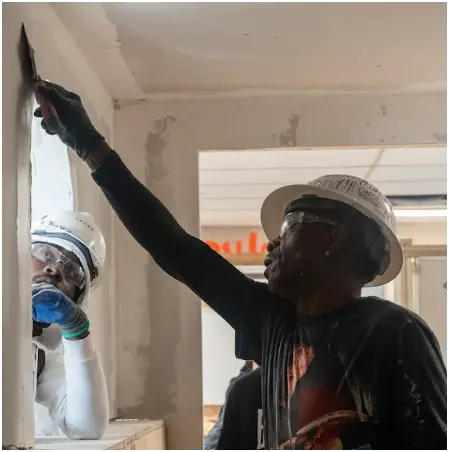
Drywall technicians hang panels, paint the interior structure of the house, and finish wall work so the walls are smooth and ready for paint. Crews finish whole rooms in a day. Moreover, the tools are lighter than concrete work, and most training runs shorter, too. That means you can start earning a drywall technician salary sooner.
Pay factors for drywall techs:
Concrete masons pour, level, and finish concrete for sidewalks, driveways, and residential and large commercial buildings. This work is heavier. However, it often pays well because fewer people want to do it. Concrete mason salaries climb quickly once you’re licensed and experienced.
Pay factors for concrete masons:

Pay for both trades increases significantly with time on the job. Finally, here’s how that typically plays out:
| Entry-level (0–1 yr) | $35,000–$42,000 | $34,000–$41,000 |
| Mid-career (3–5 yrs) | $50,000–$58,000 | $48,000–$56,000 |
| Experienced (5+ yrs) | $60,000–$68,000 | $58,000–$72,000 |
Notice something? Concrete masons can pass drywall techs at the experienced level. Additionally, masons who run their own crews often out-earn everyone on this list.
Money today matters. However, future demand matters just as much.
Construction trade jobs aren’t slowing down. Philly keeps building, and both trades stay in demand.
| Drywall Technician | Steady growth | Constant demand from remodels and new builds |
| Concrete Mason | Steady to strong growth | Infrastructure and commercial projects need concrete |
Overall, neither trade is going anywhere. Therefore, your choice should come down to what you enjoy doing every day, not just the paycheck.
So, Which One Should You Pick?
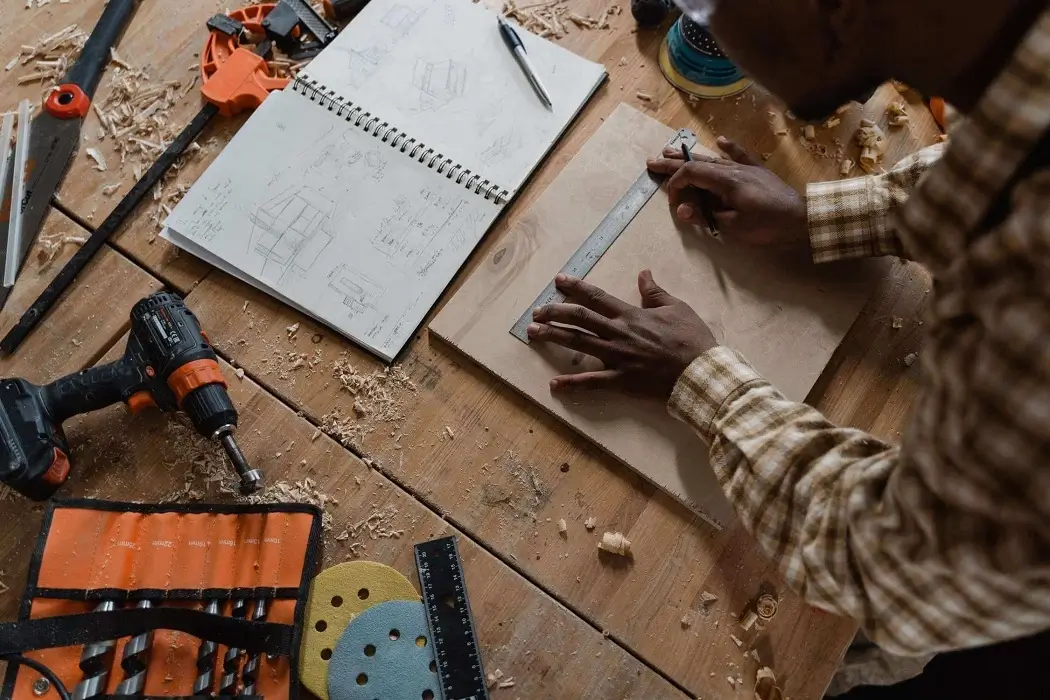
If you want speed, indoor work, and quicker training, go with drywall. If you want higher long-term pay and don’t mind working outdoors, concrete masonry pays off. Moreover, some techs learn both and stay flexible across job sites. That choice completely depends on what kind of activity you prefer for your job site, whether indoor or outdoor.
Philadelphia Technician Training Institute trains students and high schoolers for real jobs, not just certificates that sit in a drawer. Our Drywall Framing and Finishing program gets you job-ready fast. From the day you enroll until then, you are placed under the guidance of industry experts who will also help you with resume writing. Our Masonry and Concrete program covers everything from footings to finish work. Additionally, our placement rate sits around 92%, and FAFSA school code 042213 makes financial aid simple to access.
Ask yourself these questions honestly.
In simple terms, both trades offer real paychecks and real respect on the job site.
Philadelphia Technician Training Institute trains people for both paths. Whether it is drywall finishing and framing or concrete training, the Drywall Framing and Finishing Program gets you job-ready in months. Meanwhile, the Concreting, Masonry, and Framing Program builds hands-on skills in concrete and masonry from day one.
PTTI keeps a strong job placement rate. Additionally, financial aid and grants are available for students who qualify. Call 215-381-9403 or email info@ptt.edu to talk to an admissions rep today. Ready to enroll? or call 215-381-9403.
Does a drywall technician’s salary beat a concrete mason’s salary everywhere?
No. It varies by state and city. However, national averages slightly favor drywall techs.
Which trade pays more with experience?
Experienced concrete masons often out-earn drywall techs. Therefore, long-term goals matter here.
Can I train for both trades?
Yes. Many workers cross-train to stay flexible on job sites.
Do I need a diploma to start?
No. Most programs, including PTTI’s, accept students without a college degree.
How fast can I start earning?
Drywall training runs shorter, so you can start working sooner.
Read More