
Skilled trades are hands-on careers that build, fix, and power the world around us. They include welding, automotive repair, pipefitting, HVAC, and more. These careers pay well, hire steadily, and rarely require a four-year degree. If you are new to this world, the choices can feel overwhelming. This guide keeps it simple. It explains what skilled trades are, why they matter in 2026, and exactly how to choose a skilled trade that fits your goals.
You do not need experience to start. You only need a clear way to compare your options. Below, you will find each major trade explained in plain language. You will also learn what these careers pay, who is hiring, and how to begin training in Philadelphia. By the end, choosing the right path will feel far less confusing.
Skilled trades are careers built on practical, hands-on ability. Workers learn a specific craft and use it to build or repair things. Think of welders joining metal, technicians fixing engines, or pipefitters installing systems. These jobs run on skill, not on a college transcript. That is what makes skilled trades careers so accessible and so valuable.
Unlike many office roles, trades produce something real. You can see your work at the end of the day. You also carry your skill wherever you go. A certified welder or technician can find work in almost any city.
A skilled trade is a job that requires specialized, hands-on training. Workers master tools, safety, and techniques through practice. Common examples include welding, automotive repair, HVAC, pipefitting, masonry, and drywall finishing. Most trades reward speed and precision. You learn by doing, not just by reading.
Skilled trades keep society running. They build homes, power hospitals, and keep vehicles safe. Demand stays strong because these jobs cannot move overseas or vanish into a screen. In fact, many are hard to automate. That gives skilled trades careers real staying power.
Across the country, experienced tradespeople are retiring. Employers need new workers to replace them. This shortage creates steady openings for beginners. In the Philadelphia region, that demand shows up daily. Employers in construction, manufacturing, and healthcare all need trained hands.
Local demand is broad. Neighborhoods from North Philadelphia to West Philadelphia feed into the same regional job market. So do nearby areas like Camden, Cherry Hill, Drexel Hill, and Lansdowne. To explore how these fields connect to real jobs, review PTTI’s skilled trades programs in Philadelphia.
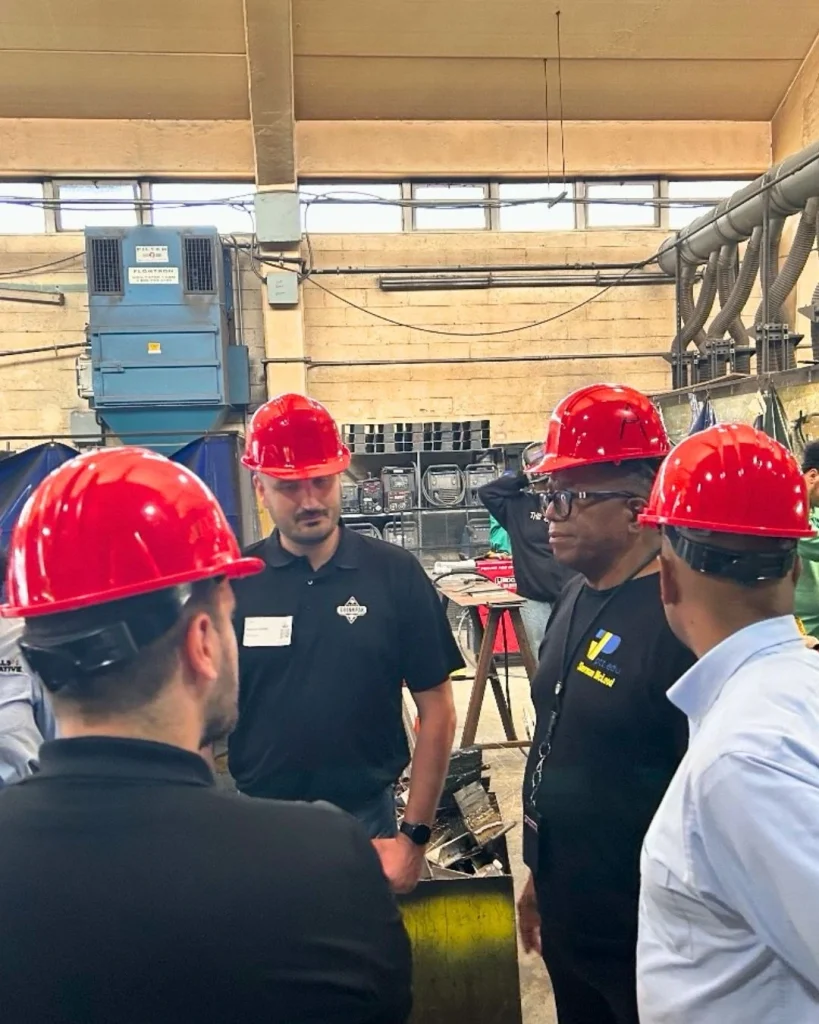
Many students choose a skilled trade because it saves time and money. A four-year degree takes years and often creates debt. Skilled trades careers move faster. You can train, certify, and start earning far sooner. For many people, that speed changes everything.
This does not mean college is wrong for everyone. It means trades offer a proven alternative. You gain job-ready skills without years of unrelated coursework. You also enter a market that actively wants trained workers.
Trade training focuses only on what employers need. That focus keeps programs short and affordable. You spend your time building real skills, not sitting through filler classes. Many students weighing trade school versus traditional college find the trade route far more direct.
Skilled trades offer strong job security. The work is essential and constant. Homes need heating. Cars need repair. Buildings need welders and pipefitters. That steady demand protects your income over time.
Here is a simple comparison many beginners find helpful:
| Factor | Skilled Trade Path | Four-Year College |
| Time to start earning | Months to about a year | Around four years |
| Typical cost | Lower, focused tuition | Often high, with debt |
| Learning style | Hands-on, applied | Mostly classroom |
| Job readiness | Directly employer-aligned | Broader, less applied |
In Philadelphia, this path carries real weight. Employers here value trained, certified workers. A focused trade school in Philadelphia helps you enter that market quickly and confidently.
Learning how to choose a skilled trade starts with honest self-reflection. Ask what kind of work excites you. Do you like working with metal, engines, or building systems? Do you prefer outdoor job sites or clean indoor settings? Your answers point you toward the right trade. There is no single “best” trade, only the best fit for you.
Next, weigh practical factors. Look at pay, demand, and daily lifestyle. A trade should match both your interests and your goals. When those line up, you are far more likely to finish training and thrive.
Every trade rewards different strengths. Welding suits steady hands and focus. Automotive repair rewards curiosity and problem-solving. HVAC and pipefitting reward logic and system thinking. Masonry and framing reward physical, precise craftsmanship. Start by matching the work to what you naturally enjoy.
Pay matters, but so does daily life. Some trades involve travel or outdoor work. Others keep you indoors year-round. Think about what you want your workday to feel like. Then compare that to demand and earning potential.
If you are still unsure, that is normal. Many beginners feel the same way. A quick tool can help you narrow it down fast. Try the Program Matchmaker Quiz to find a trade that fits your strengths. You can also read this guide on choosing the best skilled trades career for more direction.
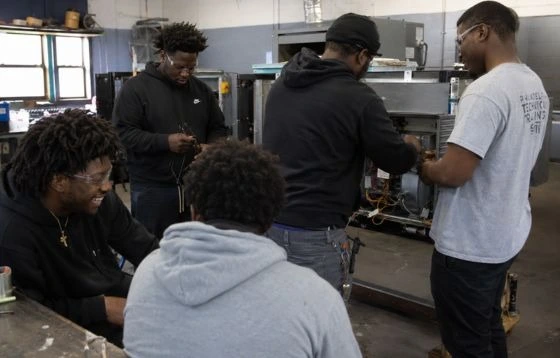
Here is each major skilled trade explained in plain language. Use this section to compare careers side by side. Each one offers real demand and strong entry-level potential. Together, they show why so many students pick a trade school in Philadelphia. PTTI trains for all of these fields with hands-on labs and industry-standard equipment.
Below is a quick overview to orient you before the details.
| Trade | What You Do | Where You Work |
| Welding | Join and repair metal | Shops, shipyards, construction |
| Automotive Repair | Diagnose and fix vehicles | Repair shops, dealerships |
| Manufacturing & Automation | Run and maintain machines | Plants, factories |
| Steam, Sprinkler & Pipe Fitting | Install piping systems | Commercial buildings, sites |
| Concreting, Masonry & Framing | Build structures | Construction job sites |
| Drywall, Framing & Finishing | Build and finish interiors | Residential, commercial builds |
| HVAC | Install and service climate systems | Homes, businesses |
| Sterile Processing | Sterilize medical instruments | Hospitals, surgical centers |
Welders join metal to build and repair vital structures. The work spans construction, shipbuilding, and manufacturing. Demand stays steady because welding is hard to automate. It rewards focus, precision, and steady hands. Explore the Welding Technology program to see how training works.
Automotive technicians diagnose and fix modern vehicles. Today’s cars rely heavily on electronics and diagnostics. That makes this trade both technical and hands-on. It suits curious problem-solvers who like variety. Learn more through the Automotive Repair program.
This trade blends machines, robotics, and technology. Technicians run and maintain automated production systems. Demand is rising as factories adopt smart manufacturing. The field rewards logic and technical curiosity. See the Manufacturing & Automation program for details.
Pipefitters install and maintain piping systems. Their work supports heating, water, and fire protection. These skills stay in demand across commercial construction. The trade rewards precision and system thinking. Review the Steam, Sprinkler & Pipe Fitting program to learn more.
These trades build the structures we live and work in. Workers pour concrete, lay brick, and frame buildings. The work is physical, precise, and highly visible. It suits people who enjoy building tangible results. Explore the Concreting, Masonry & Framing program.
Drywall professionals shape and finish interior spaces. They frame walls, hang board, and create smooth finishes. Demand grows with construction and renovation activity. The trade rewards patience and attention to detail. See PTTI’s Drywall, Framing & Finishing program for more.
HVAC technicians install and service climate systems. They keep homes and businesses comfortable year-round. Demand rises with new construction and energy upgrades. The trade blends mechanical and electrical skills. PTTI’s HVAC-related training prepares beginners for this growing field.
Sterile processing technicians work behind the scenes in healthcare. They clean and sterilize surgical instruments. This trade offers a fast path into hospitals. It suits detail-focused people who value stability. This program is one of PTTI’s most popular, and you can learn more through the Sterile Processing program.
Philadelphia’s mix of hospitals, factories, and construction supports every trade above. That variety gives graduates real choice across the region.
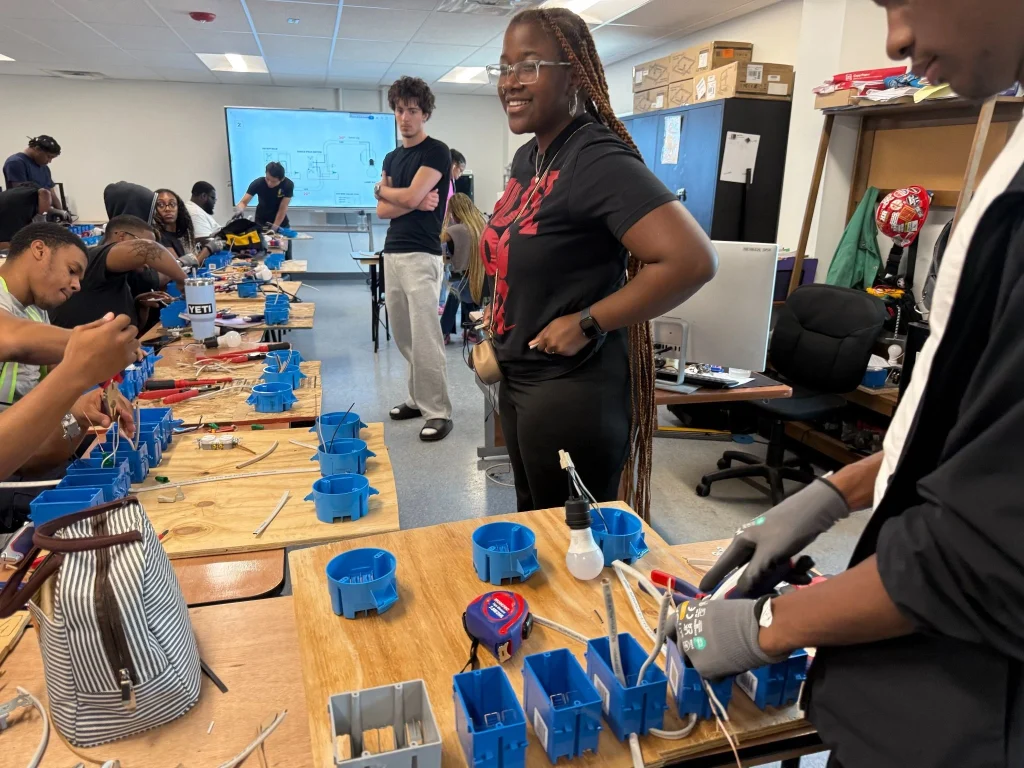
Skilled trades pay competitively, often without a four-year degree. Entry-level wages vary by trade and region. Many workers earn solid incomes early, then grow steadily. Certifications and specialization raise pay further. In short, these are real high-paying trades without a degree.
Demand is equally encouraging. A national skilled labor shortage keeps openings steady. That trend is expected to continue through the decade. For beginners, that means real opportunity.
Beginner pay depends on the trade and employer. Some trades start higher due to certification demand. Overtime and specialty skills boost earnings quickly. As you gain experience, your income climbs. Certified, skilled workers often earn well above entry level.
The outlook for skilled trades stays positive. According to the U.S. Bureau of Labor Statistics, many trades see steady openings each year. Much of that demand comes from replacing retiring workers. This keeps the field open to newcomers.
Local demand drivers include:
Philadelphia sits in a strong regional market. Employers across Pennsylvania, New Jersey, and Delaware hire trained graduates. To see how demand translates locally, read about in-demand trade careers in Philadelphia for 2026.
Hands-on training is the fastest route into skilled trades careers. You learn by doing, on real equipment. That builds the muscle memory employers expect. Online videos and self-teaching cannot match that. Skills like welding or wiring require real practice.
This is where a strong trade school stands apart. Applied labs prepare you for real job sites. You also gain certification readiness and safety training. Together, these make you genuinely job-ready.
Online courses can teach theory, not touch. You cannot learn to weld through a screen alone. Self-teaching often skips safety and certification prep. Employers notice that gap immediately. Hands-on trade training closes it fast.
For beginners with no background, structure matters most. A guided program builds skills in the right order. Start with this overview of skilled trades for beginners if you are starting from zero.
Employers want workers who can perform, not just explain. They look for real skills and safety awareness. They also value reliability and teamwork. Hands-on programs build all of these.
Key skills employers expect include:
PTTI builds these skills through applied practice and career support services. That focus helps graduates meet employer expectations from day one.
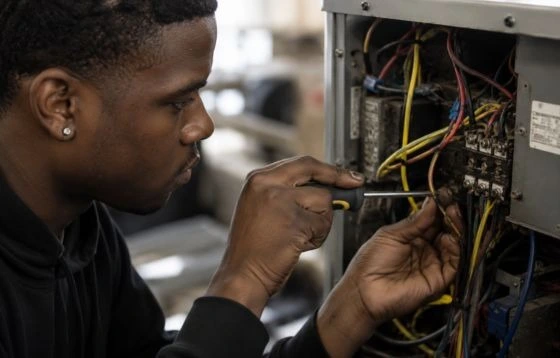
Starting is simpler than most beginners expect. First, pick a trade that fits your goals. Then enroll in a hands-on program with real labs. From there, training, certification, and job support follow. Many students go from beginner to job-ready in under a year.
Philadelphia offers a strong launchpad for this journey. Local employers actively hire trained graduates. Support along the way makes the path smoother.
Cost should never stop a motivated student. Many trades qualify for financial support. Grants, aid, and payment options can lower your cost. Explore financial aid options to understand your real numbers. When you feel ready, the admissions team can guide your next steps.
Skilled trades welcome people from all backgrounds. Career changers bring focus and maturity. Veterans bring discipline and a strong safety mindset. Adult learners often thrive in hands-on settings. If you are changing paths, this guide on trade jobs for career changers can help. Veterans can also review dedicated veterans’ program support.
You can also see the campus for yourself. A visit shows the labs and equipment up close. Schedule a campus tour or contact admissions to begin.
Now you understand what skilled trades are and why they matter. You also know how to choose a skilled trade that fits you. The next step is action. Pick a field, tour a campus, and start training. A rewarding, in-demand career can begin this year.
Skilled trades careers reward people who take that first step. If you are ready, explore all PTTI programs, request information, or apply through admissions. Your future in the trades starts with one decision.
Start by matching your strengths to the work you enjoy. Then compare pay, demand, and daily lifestyle. Visit a campus and watch the labs in action. PTTI’s hands-on programs and Matchmaker Quiz make choosing a skilled trade easier for beginners.
The best skilled trades to learn depend on your goals and interests. Welding, HVAC, automotive, pipefitting, and sterile processing all show strong demand. Each offers solid entry-level pay. PTTI trains for all of these fields with hands-on, employer-aligned programs in Philadelphia.
Yes. Most skilled trades careers start from zero. You learn tools, safety, and technique through hands-on training. A structured program builds your skills in the right order. PTTI’s beginner-friendly labs prepare new students for real job sites.
Yes. Many high-paying trades without a degree offer competitive wages early. Overtime, certifications, and specialization increase your pay. Demand keeps earnings stable over time. Skilled trades in Philadelphia connect you to a strong regional job market.
Many hands-on programs prepare you for entry-level work in under a year. Length varies by trade and schedule. What matters most is real job readiness. PTTI’s applied training focuses on the skills employers actually test for.
It depends on your goals. Trade school in Philadelphia offers faster, lower-cost, hands-on training. College takes longer and often adds debt. For hands-on careers, trades are a direct and proven path to employment.