
If you’re considering an automotive certification program, safety training probably isn’t the first thing on your mind. However, it’s one of the most important parts of your education. Before students ever touch a torque wrench or run a diagnostic scanner, they learn how to work safely around vehicles, lifts, and heavy equipment. This blog breaks down what OSHA training actually covers and why it matters for your future career.
OSHA stands for the Occupational Safety and Health Administration. It’s the federal agency responsible for setting workplace safety standards across the country. OSHA 30 is a certification course that teaches workers how to recognize hazards, prevent injuries, and follow safety regulations on the job. Additionally, it’s widely recognized by employers as proof that a worker takes safety seriously. In many shops, having OSHA 30 on your resume can be the difference between getting hired and getting passed over.
OSHA training matters a lot when you are working in a skilled trade industry. Automotive repair shops involve real physical risk. Therefore, shop safety training must be given to every student. However, they deal with heavy equipment, materials, chemicals, etc. Technicians work under vehicle lifts, handle chemicals, and operate power tools every single day. Therefore, safety training isn’t optional. It’s foundational.
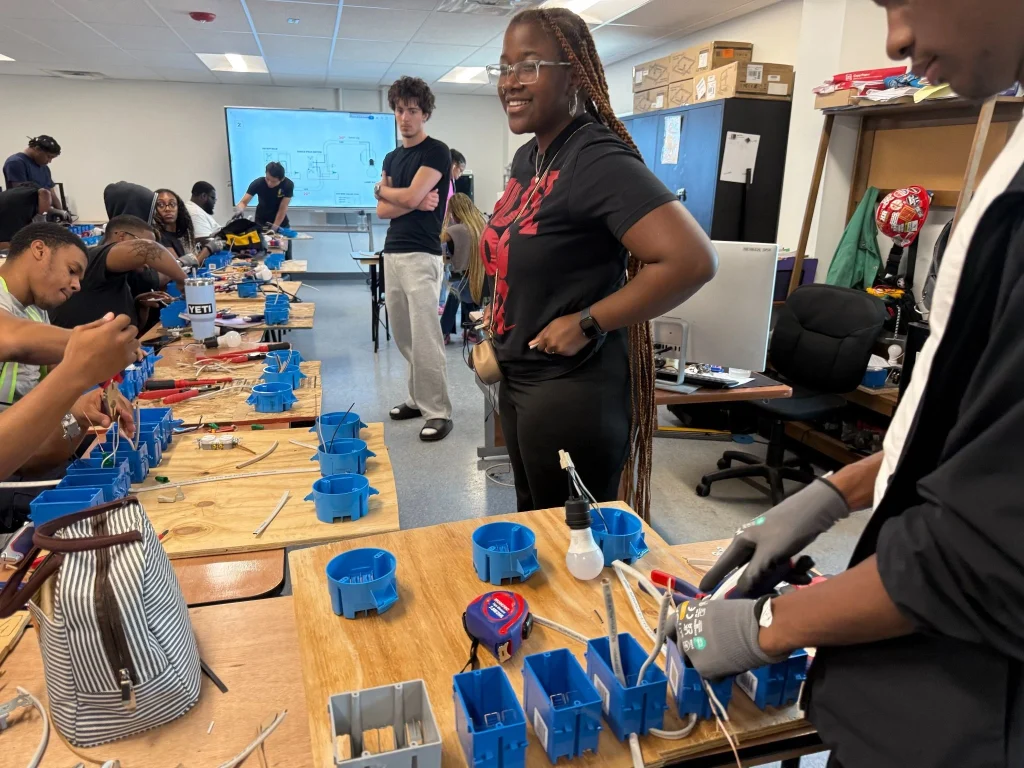
OSHA is a government safety agency that ensures a worker’s health is not compromised during any technical job. The worker or technician does not face any health hazard. Vehicle lifts and shop equipment can cause serious injury if used incorrectly. The automotive technology field requires OSHA certification, which provides proper information about safety and health hazards. Students learn proper procedures for truck and passenger lifts before they ever operate one independently. Moreover, this training reduces accidents and builds confident habits that stay with technicians throughout their careers.
Automotive shops use fluids, solvents, and chemicals that require careful handling. Therefore ,Students learn to read safety data sheets and understand chemical hazards. This knowledge protects both the technician and everyone else working in the shop.
Students are taught how to work with client requirements. By ensuring there are no health hazards or chronic diseases for any worker when using any equipment. Tire machines and hand tools are common sources of workplace injury when used improperly. Consequently, students train on proper operation and maintenance from day one. This hands-on safety foundation carries into every other course in the program.
PTTI’s Automotive Technology and Repair program includes OSHA 30 certification at no additional cost. Students earn this certification directly through the program’s Shop Safety course, which covers equipment operation, safety data sheets, chemical handling, and proper use of lifts and tire machines. In this certification, students are taught about the safety precautions they need to keep in mind while performing tasks. Certification is granted upon completing the 26-week, 900-hour program.
This means students graduate with more than just repair skills. They leave with a federally recognized safety credential that employers actively look for when hiring new technicians.
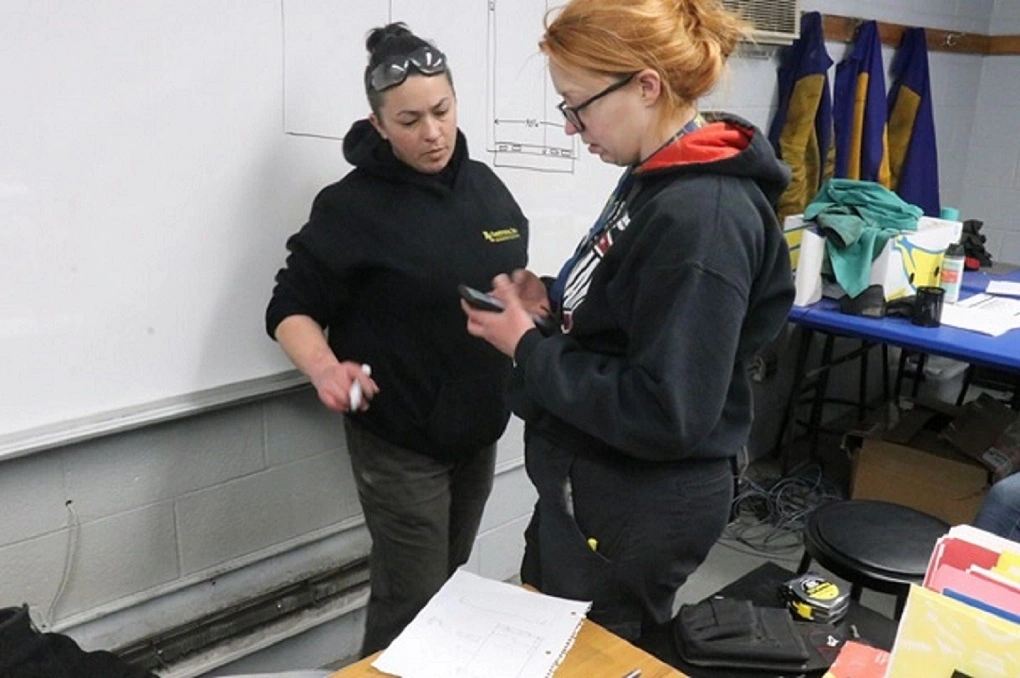
Safety training is just the starting point. From there, students move into hands-on repair work across a full range of automotive systems.
Additionally, the program prepares students for ASE certification, one of the most recognized credentials in the automotive repair industry. Furthermore, students complete coursework in resume writing, interviewing, and job retention skills, so they graduate ready to enter the workforce with confidence.
Every day, technicians deal with heavy equipment, hazardous chemicals , materials, and tools . Therefore, in this career, knowing about safety procedures at the work site is the right of every worker and technician in the field. Employers want technicians who can work safely and independently from day one. An OSHA 30 certification shows hiring managers that you already understand workplace hazards and safety protocols. Combined with hands-on repair training and ASE certification prep, graduates leave this program fully prepared for entry-level automotive technician roles.
It is not always important to deliver customer satisfaction, but it is also important to maintain technician health and safety. Safety training builds habits that protect your health over a long career. Automotive work involves physical demands year after year. Starting with strong safety fundamentals helps technicians avoid injuries that could otherwise shorten their careers.
Before enrolling in any skilled trade education program . Students or any professional who is seeking enrollment. They must see the OSHA certification option and what it delivers. OSHA safety not only matters to the automotive industry, but it is important in welding, construction, and pipefitting. OSHA safety training might not be the flashiest part of an automotive certification program, but it’s one of the most valuable. It protects students during training, strengthens their resumes, and prepares them for real shop environments. If you’re considering this career path, look for a program that builds safety training directly into your education, backed by real hands-on repair experience and industry-recognized certification.
Read More: