
Every few years, headlines predict that automation will erase millions of jobs. Yet walk onto any active job site, hospital, or manufacturing floor in 2026, and you will see the opposite: employers competing for skilled hands they cannot find. As artificial intelligence reshapes office work, a clear pattern is emerging. The careers most protected from disruption are often the ones that require physical skill, on-site judgment, and hands-on problem solving. These are the future-proof trades, and they are increasingly the trades that can’t be automated. They are also the AI-proof jobs that stay open when the economy tightens, which is why so many students now search for skilled trades in demand rather than another crowded desk career.
This guide looks past the hype and answers a practical question for anyone planning the next decade: which skilled careers will still be hiring in 2035, and why? Drawing on U.S. Bureau of Labor Statistics projections through 2034 and current workforce trends, it breaks down the trades with durable demand, what they pay, how automation actually affects them, and how quickly you can train for one. It is written for high school students, career changers, veterans, and adult learners who want stability, strong pay, and a career that technology reinforces rather than replaces. If you are weighing high-paying trades without a degree, or researching which trade school Philadelphia offers the fastest route into one, this is the roadmap.
A future-proof trade is a skilled career with durable, long-term demand that technology tends to support rather than eliminate. These trades share three traits: they require hands-on physical skill, they involve judgment in unpredictable environments, and they solve problems that cannot be shipped overseas or handed to software. That combination keeps them hiring through economic and technological change.
In practical terms, a machine can weld a repeated seam on a factory line, but it cannot climb scaffolding to repair a bridge joint in the rain. Software can schedule a service call, but it cannot diagnose why a specific furnace is short-cycling in a century-old row home. The work that resists automation is the work that varies from job to job and depends on a trained person making decisions on the spot. That is the core of every future-proof trade, and it is why these roles function as AI-proof jobs. The trades that can’t be automated are simply the trades where showing up, adapting, and solving a real problem is the whole job.
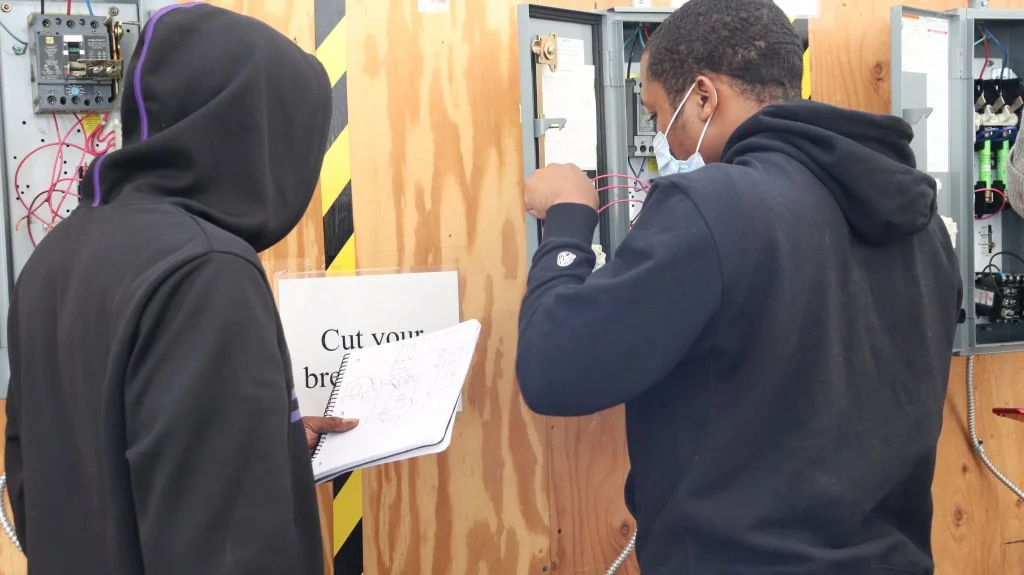
No, automation and AI are not projected to replace skilled trades by 2035. While robotics can handle repetitive factory tasks, most trade work happens in varied, unpredictable settings that require human dexterity and judgment. In fact, automation is creating new demand for technicians who install, program, and maintain the machines themselves.
This is the point most “robots are coming” headlines miss. Every industrial robot on a plant floor needs people to set it up, keep it running, and fix it when it fails. The rise of automation has not shrunk the skilled workforce so much as reshaped it, shifting demand toward technicians who can work alongside advanced equipment. The trades built around that reality, especially manufacturing and automation, are strengthened by the very technology people assume will threaten them. That is what makes them genuine AI-proof jobs and, because the systems they service are essential, recession-proof careers as well. For a deeper look at this dynamic, PTTI’s related article on why AI can’t replace skilled trades work is a useful companion read.
Thinking about a career that technology reinforces? Explore PTTI’s hands-on programs built around trades with durable, real-world demand.
The following trades stand out for long-term stability. Each is grounded in federal employment projections for the 2024–2034 decade, and each maps to hands-on training available in the Philadelphia region. Together they show where the skilled trades in demand are concentrated and which future-proof trades give the strongest return on a short training investment.
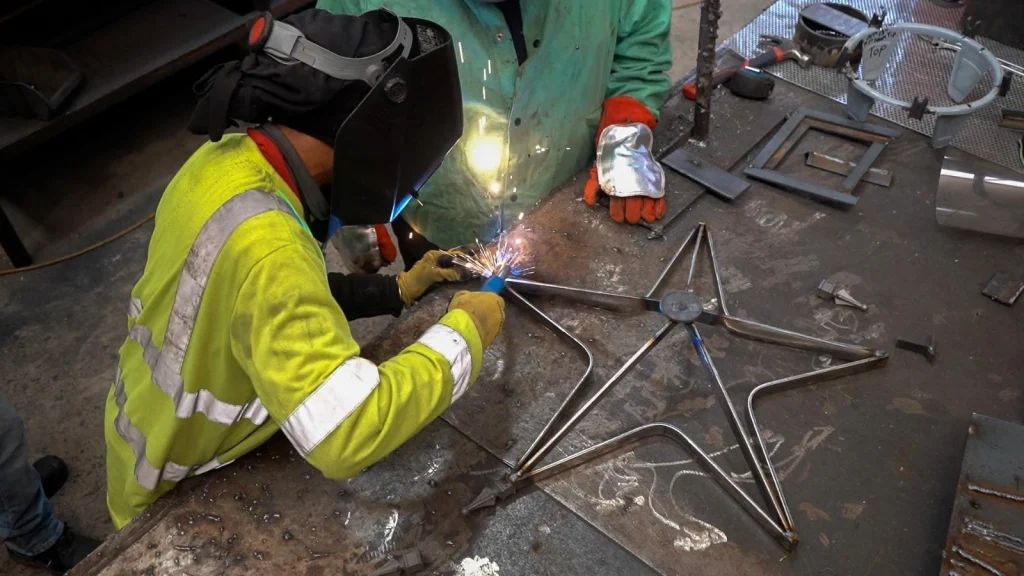
Welding remains one of the most durable trades in the country. Employment of welders, cutters, solderers, and brazers is projected to see roughly 45,600 openings per year through 2034, the majority driven by the need to replace retiring workers. Aging bridges, shipbuilding, and infrastructure repair all require skilled welders, and the site-specific nature of the work makes it difficult to automate. National median pay sits near $48,000, with certified and specialized welders earning significantly more, which places welding firmly among the high-paying trades without a degree. Training is available through PTTI’s Welding Technology program.
Heating, ventilation, air conditioning, and refrigeration is one of the fastest-growing future-proof trades. The Bureau of Labor Statistics projects 8% growth from 2024 to 2034, much faster than the 3% average across all occupations, with about 40,100 openings each year. Rising temperatures, energy-efficiency regulations, and the shift toward heat pumps are all expanding demand. Because every building needs climate control and every system eventually needs service, HVAC sits squarely among the trades that can’t be automated or outsourced. It is one of the clearest skilled trades in demand for the coming decade. PTTI’s HVAC training program prepares students for this steady, high-demand field.
Pipefitters, steamfitters, and sprinkler fitters keep essential mechanical systems running in commercial buildings, hospitals, and industrial plants. The plumbing, pipefitting, and steamfitting category is projected to grow about 4% through 2034, with consistent replacement demand. Fire-suppression systems, high-pressure piping, and mechanical infrastructure all require licensed, trained hands, and much of this work carries strong union pay in the Philadelphia region. Learn more through PTTI’s Steam, Sprinkler & Pipe Fitting program.
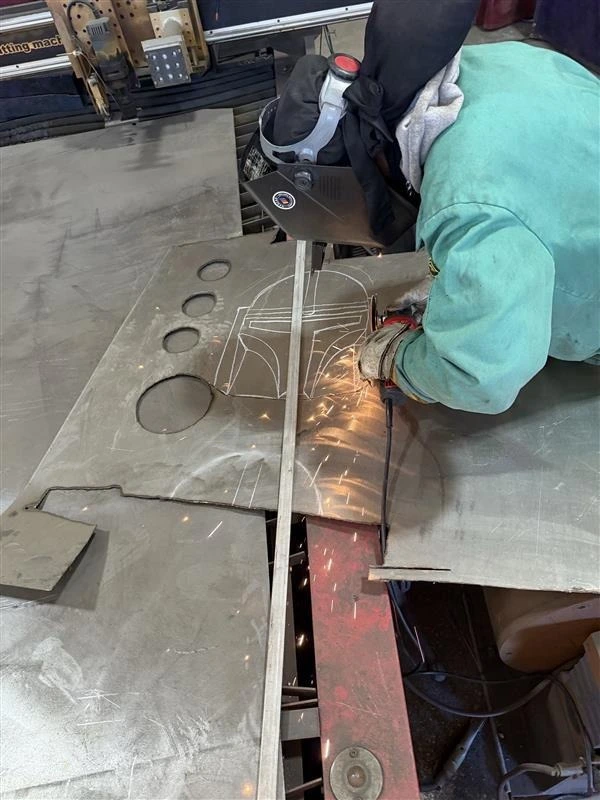
This trade is the clearest example of automation creating jobs rather than destroying them. As factories adopt robotics and smart systems, they need technicians who can install, program, troubleshoot, and maintain that equipment. Manufacturing and automation technicians sit at the intersection of mechanical skill and modern technology, which makes them highly future-proof and among the fastest-rising skilled trades in demand. Employers across Pennsylvania’s advanced manufacturing base are actively hiring for these roles. PTTI’s Manufacturing & Automation program trains students on industry-standard systems.
Americans own roughly 290 million registered vehicles, and the average car on the road is now over 12 years old, which means steady, ongoing repair work. Automotive service technicians are projected to see about 70,000 openings per year through 2034, with a median wage near $49,670. The growth edge is electric and hybrid vehicles, where technicians with EV diagnostic training command premium pay. As cars become rolling computers, skilled diagnosticians become more valuable, not less. Explore PTTI’s Automotive Repair Technology program.
Construction trades built around concrete, masonry, and framing are classic trades that can’t be automated — the work is physically hands-on and different on every site. Every building, road, and structure begins with these skills, and the nation’s aging infrastructure guarantees decades of rebuilding work. These trades reward craftsmanship, precision, and job-site judgment, and they offer clear paths from entry level to foreman and business ownership. PTTI’s Concreting, Masonry & Framing program covers real job-site skills.
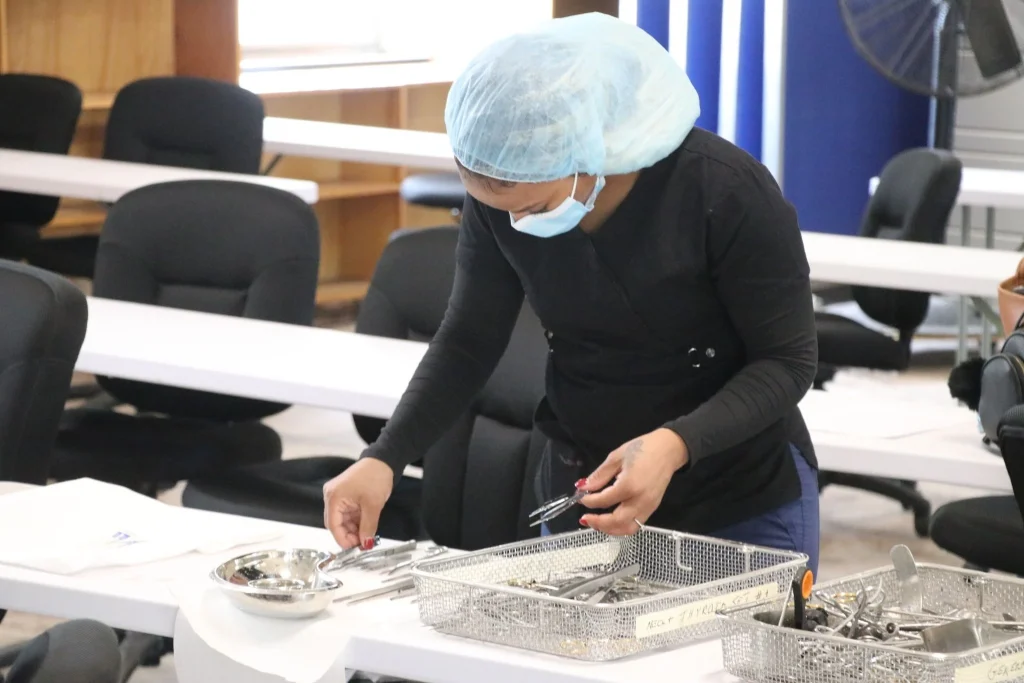
Healthcare is projected to be the fastest-growing sector of the economy, and sterile processing sits at its core. Employment of medical equipment preparers is projected to grow about 10% from 2024 to 2034, much faster than average, as surgical volume rises with an aging population. Every surgery depends on properly sterilized instruments, which makes this one of the most reliable recession-proof careers in healthcare, and the CRCST certification opens the door to the best positions. PTTI’s Sterile Processing & Central Services program prepares students for this growing field.
| Trade | Projected Growth (2024–2034) | Approx. Annual Openings | Median Wage (National) |
| HVAC & Refrigeration | 8% (much faster) | ~40,100 | ~$60,000 |
| Sterile Processing | ~10% (much faster) | ~7,600 net new | ~$47,700 |
| Automotive Repair | 4% (average) | ~70,000 | ~$49,670 |
| Welding | Replacement-driven | ~45,600 | ~$48,000 |
| Pipe/Steam/Sprinkler Fitting | ~4% (average) | Steady | Varies (strong union pay) |
| Manufacturing & Automation | Reshaping upward | Growing | Competitive |
| Concrete/Masonry/Framing | Steady | Steady | Varies by role |
Figures reflect U.S. Bureau of Labor Statistics 2024–2034 projections and current wage data. Local and union wages in the Philadelphia region often run higher.
Most future-proof trades can be trained for in under a year through a focused, hands-on program. Because these careers are performance-based, employers prioritize demonstrated skill over lengthy degrees. A concentrated program that puts students on real equipment gets them job-ready far faster than a traditional college path.
That speed is a major advantage. Instead of spending four years and accumulating debt, a student can complete accelerated technical training, earn industry certifications, and enter the workforce while peers are still in their sophomore year. For career changers, veterans, and adult learners balancing work and family, this fast track into high-paying trades without a degree is often the deciding factor. The right trade school Philadelphia students choose is the one built around this goal, pairing classroom fundamentals with lab time on industry-standard equipment so graduates leave ready to work — which is exactly how PTTI’s programs are structured.
⏱️ Ready to start sooner rather than later? Request information about program length and start dates.
Philadelphia offers unusually deep demand for the skilled trades. The region combines aging infrastructure, active shipbuilding, a major healthcare and life-sciences sector, commercial construction, and a manufacturing base that still fabricates and maintains equipment daily. That diversity keeps a wide range of skilled trades in demand and means a trained technician is not dependent on a single industry. It is also why choosing a trade school Philadelphia employers already recognize gives graduates a head start.
Demand extends well beyond the city center. Opportunities reach across North Philadelphia, South Philadelphia, West Philadelphia, Southwest Philadelphia, and the surrounding Pennsylvania and New Jersey counties. Because most trade credentials are portable, training at a centrally located trade school Philadelphia families can reach positions graduates to take work in whichever direction the strongest opportunity appears. For a broader view of regional demand, PTTI’s overview of in-demand trade careers in Philadelphia is worth reviewing.
Certifications are what keep a trade career durable over time. They prove verified skill to employers, open doors to higher-paying and specialized work, and often satisfy safety or code requirements on regulated job sites. In the future-proof trades, stacking certifications is one of the most reliable ways to protect and grow earning power.
Key credentials vary by trade but commonly include:
A program that prepares students for multiple certifications delivers more long-term value than one that teaches to a single test. Multi-certification training is a hallmark of strong technical education and a smart hedge against a changing job market. It is also the surest way to stay among the skilled trades hiring 2035 will still reward, because stacked credentials keep you competitive as codes, tools, and employer expectations evolve.
These Skilled trade careers suit a wide range of people, which is part of their strength makes up to Future proof trade career:
If you want recession-proof careers that resist automation and will still be hiring in 2035, the future-proof trades are among the most reliable bets available — and the high-paying trades without a degree they include make the math easy to justify.
The next decade will reward people who build skills that machines cannot easily copy. The future-proof trades, from HVAC and welding to automation, automotive, construction, and sterile processing, share a common foundation: hands-on ability, on-site judgment, and demand that holds steady through change. They pay well, they do not require a four-year degree, and they will still be hiring in 2035.
The fastest way into one of these careers is focused, hands-on training that prepares you for real job-site expectations and industry certifications. That is exactly what PTTI delivers across its programs in Philadelphia, with the labs, equipment, and instruction that turn beginners into job-ready technicians.
🚀 Take the next step toward a future-proof career. Explore PTTI’s programs, schedule a campus tour, or contact admissions to get started. If you are ready to begin, apply today and start building a career that lasts.
Trades with durable, automation-resistant demand are the safest bets: HVAC and refrigeration, welding, pipe and steam fitting, manufacturing and automation, automotive and EV repair, concrete and masonry, and sterile processing. Each is backed by strong federal job projections through 2034 and steady replacement demand from retirements.
A future-proof trade requires hands-on physical skill, on-site judgment in changing environments, and problem solving that software cannot replicate. Because this work varies from job to job and cannot be outsourced, it stays in demand through economic and technological change.
No. Automation handles repetitive factory tasks, but most trade work happens in unpredictable settings requiring human dexterity and decision-making. Automation is also creating demand for technicians who install, program, and maintain the machines, strengthening trades like manufacturing and automation.
HVAC, welding, pipefitting, automotive repair, manufacturing and automation, and sterile processing all offer competitive pay without a four-year degree. Most carry median wages near or above the national median of $49,500, and certified or specialized workers earn considerably more.
Many future-proof trades can be trained for in under a year through a focused, hands-on program. Because employers prioritize demonstrated skill over long degrees, accelerated technical training can get you job-ready in months.
No job is fully recession-proof, but skilled trades are among the most stable. Essential services like heating and cooling, healthcare sterilization, and infrastructure repair continue regardless of the economy, and constant replacement demand keeps hiring steady.
Welding, HVAC, pipefitting, automotive repair, manufacturing and automation, construction trades, and sterile processing are all in demand across the Philadelphia region, driven by infrastructure, healthcare, shipbuilding, and manufacturing.
For durable, automation-resistant careers, trade school is often a stronger value than a four-year degree. It costs less, takes less time, and leads directly to fields with steady demand and clear advancement.