
Skill-based jobs are the backbone of any industry. Employers are hiring fast right now. However, they’re getting picky about who they hire. If you want real skilled trade technician skills that 2026 employers actually pay for, this guide breaks it down clearly.
According to data, construction and manufacturing firms in the USA are struggling to fill open roles. 89% of construction firms report difficulty hiring qualified hourly concrete workers, according to the Associated General Contractors’ 2026 workforce survey. Therefore, workers with the right skills have serious leverage right now. It also states that hiring will be high in the coming years.
Look at the scenario of these skills before we go deeper.
| Skill Category | Why It Matters |
| Safety certifications | Required to step on most job sites |
| Blueprint reading | Needed to follow project plans correctly |
| Hands-on technical skill | Core job function, no way around it |
| Digital/tech literacy | Smart tools now run most trades |
| Problem-solving | Fixes delays and saves employers money |
| Communication | Keeps crews and clients on the same page |
Overall, employers want proof, not just promises. A diploma from hands-on training shows that proof fast.
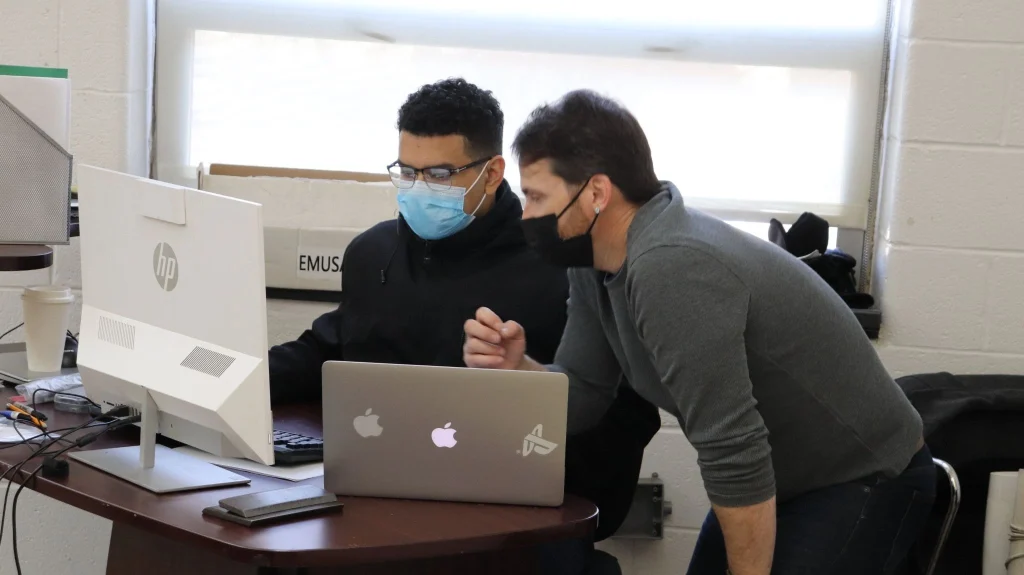
Skilled trade training’s first promise is safety. Safety sits at the top of every hiring manager’s checklist. Most job sites will not let you through the gate without one. With certifications like OSHA 10 and OSHA 30, completion cards are required across construction trades nationwide and never expire. These certifications ensure that the technician and worker are well aware of safety procedures and are assisted in handling the equipment in the workplace.
Furthermore, employers see an OSHA 30 certification as proof that you understand real job-site hazards. This is also explained to them by mentors and employers. It shows you can work safely from day one, without close supervision. Additionally, other credentials like NCCER Core and trade-specific certs boost your resume even more.
These are all guided and taught to students who lack the knowledge. The PTTI career service team will definitely assist you with this. Every trade depends on reading plans correctly. Whether you’re framing walls or laying concrete, you need to measure accurately. Therefore, employers test for basic math and blueprint skills during interviews.
However, this skill isn’t hard to learn. Trade school programs in Philadelphia build blueprint reading into the first few weeks of training. That means new hires arrive job-ready, not confused on day one.
This one seems obvious. The most required thing is the origin, or you can say the heart and soul of the technical skill. Still, employers say new hires often show up short on real hands-on experience. Classroom-only learning doesn’t cut it anymore.
Hands-on training matters especially in skilled trade education because it builds muscle memory. Strengthen the vision with a prob;em solving artitude. Skilled trades mean problem-solving with hands-on equipment used. Moreover, it teaches you how tools actually behave under real conditions. Few skilled trade programs, such as drywall framing or concrete masonry courses, close this gap quickly.
Skilled trade education is not limited to equipments and tools. Trades aren’t just hammers anymore. HVAC systems today often include smart sensors, programmable controls, heat pumps, and high-efficiency equipment. EV hybrid cars, like all cars, require digitally savvy technicians. Similarly, many trades now use apps for scheduling, diagnostics, and reporting.
Therefore, comfort with basic technology has become a real hiring factor. Employers want workers who can adapt to smart tools, not just traditional ones. They even look at how smart and well-aware you are of current digital trends. This trend will only grow stronger through 2026 and beyond.
The real challenges in skilled trades arise from problem-solving under pressure. Problem-solving under pressure does occur, but it also depends on employers wanting workers who can adjust without panicking. When dealing with tools and heavy equipment, panicking is unnecessary. Additionally, strong problem-solvers save companies real money.

The skilled trade job requires crew input rather than a single person . A team with diverse experience helps resolve issues quite fast. Finally, employers rank communication as a top soft skill for 2026 hires. You need to explain issues clearly to coworkers, supervisors, and sometimes clients.
Furthermore, reliable communication reduces mistakes on busy job sites. Workers who act and carry the team together on every project build trust. That trust often leads to raises and promotions.
The labor gap shown is real and expected to continue growing. Skilled trades employment is projected to grow 5.3% from 2024 to 2034, well above the 3.1% overall growth rate for all jobs. Meanwhile, the U.S. construction industry needs more than 530,000 additional workers in 2026 alone.
Overall, that gap means a real opportunity for trained workers. However, employers are still selective about who fills those roles. Certified, hands-on-trained candidates get picked first, every time. As the world’s dynamics are changing so fast, the implementation of modern equipment. Handling digital thermostats to fixing EV navigation and automation. The urgency of acquiring new essential skills has shaped the skilled trades industry to some extent. Therefore, the skills and trades career have been upgraded to another level. There is so much to explore and implement; the choice of people has changed. Therefore, these skills also matter a lot.
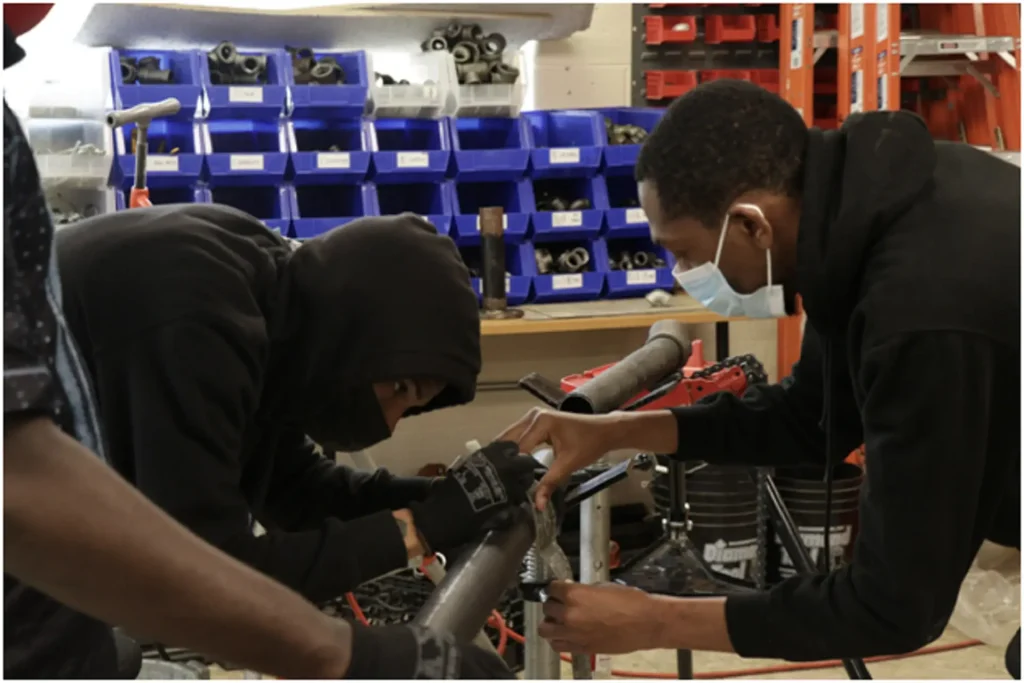
PTTI bakes these exact skills into every program. PTTI offers not only hands-on training but also helps students understand industry expectations. Before joining the workforce, they are ready to face the industry with knowledge and precision. Students get free OSHA 30 certification built into training, at no extra cost. Additionally, programs run heavy on shop hours, not just lecture time.
Whether you choose the Drywall Framing and Finishing Program or the Concreting, Masonry, and Framing Program, you graduate with real, employer-ready skills. Furthermore, PTTI keeps a strong job placement rate, so training actually turns into a paycheck.
if you find this guide helpful connect with a PTTI representative without any further delay.Call 215-381-9403 or email info@ptt.edu to talk with an admissions rep today.
Overall, skilled trade technician skills 2026 employers want come down to six things: safety, math, hands-on ability, tech comfort, problem-solving, and communication. Therefore, the fastest way to build all six is structured, hands-on training. Trade school Philadelphia programs like PTTI’s exist to get you there. Employers also look for soft skills the essential skills requirement is not only fulfilled by the technical knowledge .However,soft skills matters allot.
Safety certification tops the list. OSHA 30 is expected on most job sites nationwide.
Yes. Many trades now use smart tools, sensors, and digital reporting apps daily.
Yes. Hands-on training programs are built for beginners with zero background.
Retirements, low enrollment in trade programs, and rising construction demand all drive the gap.
Many trade school Philadelphia programs get you job-ready in six months to a year.
Overall, skilled trade technician skills 2026 employers want come down to six things: safety, math, hands-on ability, tech comfort, problem-solving, and communication. Therefore, the fastest way to build all six is structured, hands-on training. Trade school Philadelphia programs like PTTI’s exist to get you there.
Read More: