
For years, students have been told that good grades and a four year college degree are the traditional path to a successful future. While college can be the right choice for many people, it is not the only way to build a rewarding career.
Some students learn best through books and lectures. Others learn by doing, practicing, building, repairing, and solving real world problems. If you enjoy practical work and want to develop skills that can be applied in the workplace, skilled trades careers may be worth exploring.
At PTTI US, students can explore career focused education that emphasizes practical skills and preparation for the skilled trades.
Your GPA Does Not Define Your Potential
A GPA is one measure of academic performance. It does not measure every quality that can contribute to career success.
Your grades do not necessarily show how well you solve problems, work with others, handle responsibility, or learn a technical skill. They also cannot predict how much you can grow when you find an area that matches your interests.
Maybe traditional school was challenging for you. Maybe you prefer working with your hands. Or perhaps you want to spend less time studying general subjects and more time developing skills related to a specific profession.
These are all valid reasons to consider an alternative educational path.
Your GPA is part of your academic history, but it does not have to define your career.
The skilled trades cover a wide range of technical professions. Depending on your interests, you might explore areas such as HVAC, electrical work, welding, automotive technology, and other specialized occupations.
These careers require knowledge, training, attention to detail, and practical ability. Professionals may install systems, maintain equipment, diagnose problems, perform repairs, or help keep essential services operating.
For someone who enjoys solving practical problems and seeing the results of their work, this type of career can be rewarding.
Skilled trades also provide opportunities to keep learning. As technology and workplace practices change, professionals can continue developing their knowledge and abilities.
Learn Through Hands On Career Training
Not everyone learns effectively by sitting in a classroom all day.
For many students, practical experience makes new concepts easier to understand. Hands on career training allows students to apply classroom instruction through practical activities and skill development.
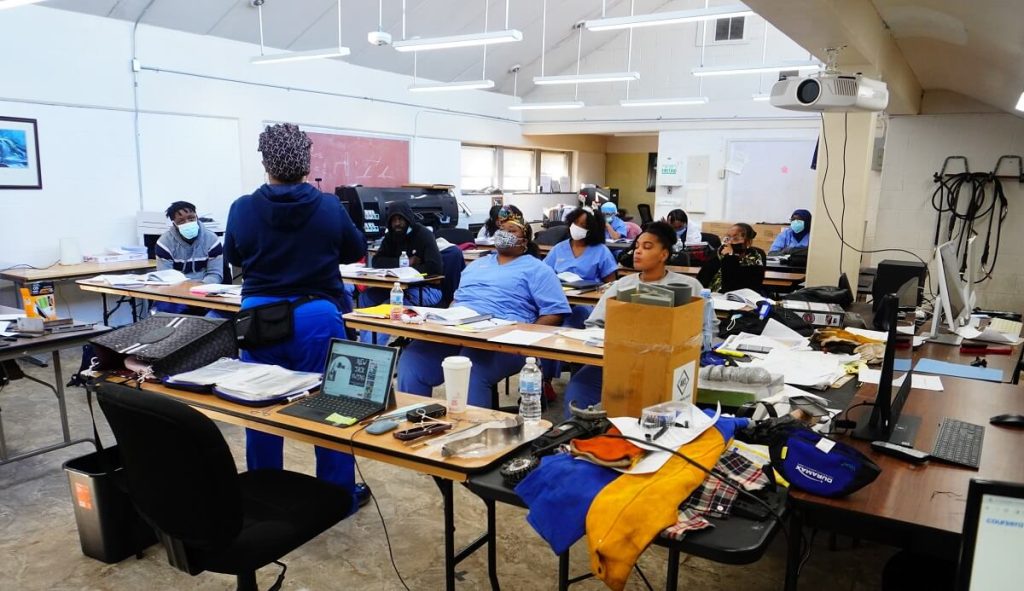
This approach can help students become more comfortable with tools, equipment, safety procedures, and workplace techniques related to their chosen field.
At PTTI, practical education can help students connect what they learn with the skills they want to use in their careers.
Explore Trade School Career Options
A traditional university is not the only place where you can prepare for a career.
Trade school career options can provide focused education for students who want to develop specialized skills. Rather than studying a broad selection of academic subjects, students can concentrate on training related to a particular profession.
This can be a good fit for people who have a clear career interest or who prefer learning through practical experience.
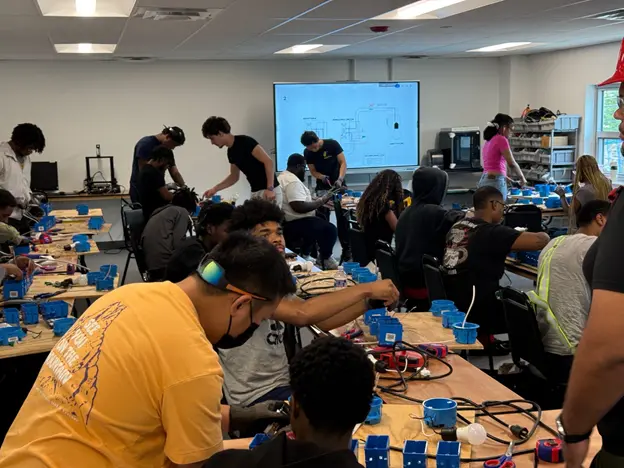
Choosing trade school does not mean choosing an easier path. Technical careers require commitment, attention to detail, practice, and professionalism.
The difference is that education is more closely connected to a specific career goal.
Many students ask whether they need a traditional four year degree to have a successful career.
There are numerous careers without a college degree that require specialized training, technical knowledge, certifications, licenses, or practical experience.
Skilled trades are one example.
However, requirements differ between occupations and locations. Some careers require state licensing or industry certifications, while others may have specific employer requirements.
Before choosing a career, take time to understand the qualifications you will need. Research the occupation, training requirements, certifications, and potential career paths.
The better question is not simply whether you need a degree.
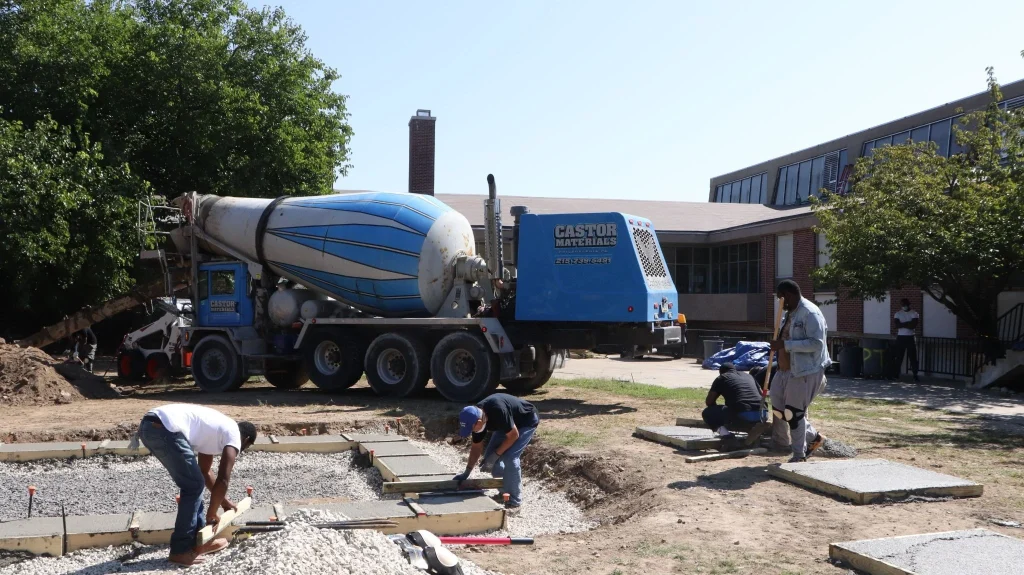
Vocational training programs are designed around specific careers and industries. They can provide students with focused instruction and opportunities to develop practical abilities.
This type of education can be especially appealing if you want to learn skills that connect directly to a particular profession.
Instead of wondering how a subject relates to your future, you can focus your learning around the career you want to pursue.
At PTTI US, career focused training can help students develop practical knowledge and prepare for opportunities in the skilled trades.
Whether you are entering the workforce for the first time or looking for a new professional direction, focused training can give you a starting point for your career journey.
Completing a training program is not the end of your learning. Once you enter the workforce, experience can help you continue developing your technical abilities. You may discover an area of specialization that interests you or find opportunities to take on more responsibility.
Depending on your profession and experience, career growth may include advanced technical roles, leadership opportunities, or entrepreneurship.
For some skilled professionals, owning a business eventually becomes a career goal.
The skills you develop today can become the foundation for opportunities tomorrow.
There is no single formula for success.
Some students enjoy academic study and choose a university. Others prefer practical education that allows them to learn a profession through training and experience.
The right choice depends on your goals, interests, strengths, and learning preferences.
If you enjoy working with tools, equipment, technology, or mechanical systems, or if you simply prefer learning by doing, a skilled trade could be worth considering.
The important thing is to choose an educational path that helps you move toward the career you want.
A lower than expected GPA does not mean you have reached the limit of your potential. You can learn new skills. You can improve through practice. You can gain experience and discover strengths you did not know you had.
Your career journey is shaped by much more than academic grades. It is shaped by your choices, effort, skills, experience, and willingness to keep learning.
That is why exploring a practical career path can be a valuable step for students who want something different from the traditional college experience.
If you are interested in skilled trades careers. The first step is to understand your options and identify the type of work that matches your interests.
PTTI US offers career focused education for students who want to develop practical skills and prepare for opportunities in the trades.
Whether you are researching careers without a college degree, comparing trade school career options, or looking for hands on career training, learning more about your options can help you make a confident decision.
You do not need a perfect GPA to build a successful future. You need the right skills, a clear goal, and the determination to keep moving forward.
A trade can provide a practical starting point for a rewarding career. With education, experience, and continued learning, the skills you develop today can support your professional goals tomorrow.
Not necessarily. Skilled trades often value practical skills, dedication, and hands-on ability just as much as academic performance.
You can explore careers in welding, automotive repair, manufacturing, electrical work, and other fields through specialized trade training.
It gives you a chance to practice real skills, work with tools and equipment, and understand how things work outside the classroom.
Trade schools offer focused training that helps you learn practical skills for a specific career instead of following a broad academic program.
Yes. Once you gain training and work experience, you can build stronger skills, take on more responsibility, and explore new career opportunities.
Read More :