
When people ask whether trade school is “worth it,” they are really asking an ROI question: what does it cost, what does it return, and how quickly. Too often that question gets answered with slogans instead of numbers. This breakdown does the opposite. It lays out what trade school actually costs in 2026, including the expenses most articles leave out, what the return looks like in real starting wages, and how the two compare against a four-year degree once debt, time, and lost income are all counted honestly.
The short version is that the math has shifted meaningfully in the skilled trades’ favor, and 2026 brought two policy changes that make the case even stronger. But the honest version has nuance, and that nuance is exactly what a prospective student, a career changer, or a parent in the Philadelphia region needs before committing time and money. Trade school vs college cost must be known to students,as the college debt is very high .This is written from the perspective of workforce educators who see the cost side and the placement side of this equation every day, and it is meant to help you make a clear-eyed decision rather than an emotional one.
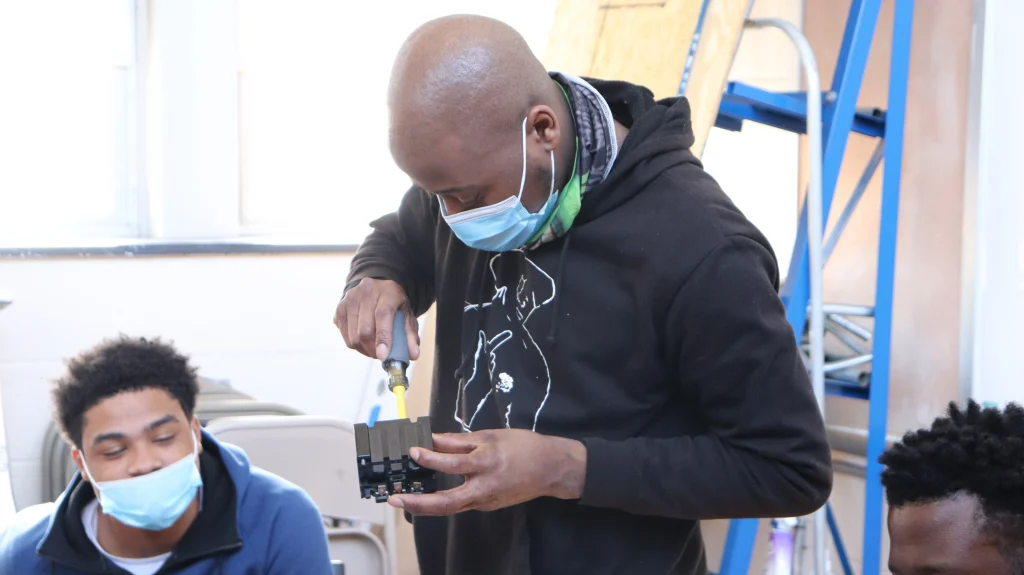
Trade school vs college cost in 2026 generally far less than a four-year degree, with most programs totaling somewhere in the low-to-high five figures rather than six. National estimates put the average trade school program near $17,600 in total, though the real range is wide because programs differ in length, equipment, and field. The honest way to budget is to look past the tuition sticker and add every line item.
Here are the cost components a realistic budget should include:
The reason trade school stays affordable is structural. A focused program teaches the specific competencies employers hire for, so you are not paying for years of general-education credits. That efficiency is the first half of the ROI story, and it is why a detailed Pennsylvania trade school cost comparison of tuition, tools, and lab fees is worth reading before you commit. For the numbers that apply to your own situation, PTTI’s net price calculator gives a full estimate rather than a national average, and you can always contact admissions for an itemized breakdown.
The most overlooked cost in any education decision is time. As the trade school vs college cost the cost of college is quiet high. Every year spent in school full-time is a year of forgone income, and this is where trade school’s shorter timeline becomes a financial advantage rather than just a convenience. A four-year degree that trade school is worth it is designed as four years and frequently takes five or six in practice. Most trade programs trade school tuition Philadelphia
run from a few months to two years, and many finish in under a year.
That difference compounds. A trade graduate who starts earning even $50,000 a year two to three years before a bachelor’s student finishes has banked $100,000 to $150,000 in gross income while the degree-seeker is still paying tuition. This head start is the core idea behind PTTI’s look at how trade school helps you start earning faster than a four-year degree. When you add that earning head start to lower tuition and lower debt, the ROI gap widens well beyond the tuition comparison alone.
A four-year degree’s true cost is much higher than tuition alone once fees, living expenses, loan interest, and lost wages are included. National figures for 2026 place average bachelor’s tuition around $36,000 per year, with the full cost of attendance at a public in-state university reaching roughly $110,000 over four years and private universities exceeding $200,000. Total U.S. student loan debt now sits above $1.7 trillion, and the average bachelor’s borrower graduates owing somewhere between $30,000 and $39,000 before interest.
Two more facts sharpen the picture. A meaningful share of degree holders, by several estimates over 40 percent, end up in jobs that do not require a degree, and recent-graduate unemployment has been elevated. As trade school worth it after high school.None of this means college is a poor choice; for many fields it remains the right and necessary path. It does mean the “college always pays more” assumption deserves scrutiny, which is exactly the question PTTI works through in its guide to trade school vs. traditional college. A degree only delivers its premium when the student finishes, chooses a marketable field, and lands work that uses it for trade school tuition Philadelphia,
| Cost Factor | Focused Trade Program | Four-Year Bachelor’s Degree |
| Typical total tuition | Low-to-mid five figures | $45,000–$200,000+ |
| Program length | Months to ~2 years | 4 years (often 5–6) |
| Average debt at completion | ~$10,000 (often less)> | ~$30,000–$39,000 |
| Time until first full paycheck | Under a year to ~2 years | 4+ years |
| Lost wages while studying | Low | High |
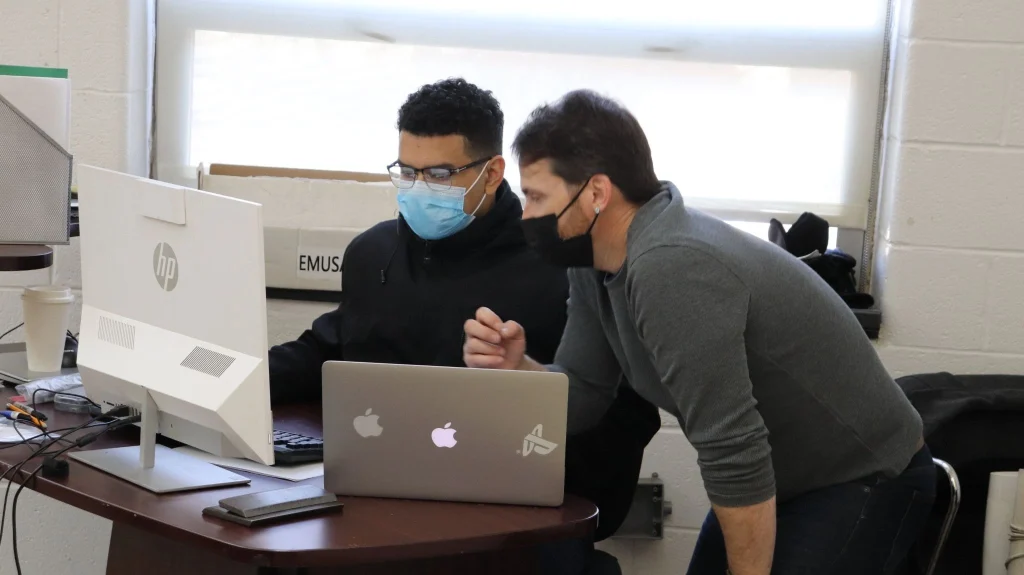
2026 brought a landmark change: for the first time, federal Pell Grants can now fund qualifying short-term workforce programs. Under the Workforce Pell provision that took effect July 1, 2026, eligible short-term training programs (roughly 8 to 15 weeks, or 150 or more clock hours) can receive Pell funding, which does not need to be repaid. Previously, Pell was limited to longer degree-track programs, leaving many trade students to pay out of pocket or borrow.
This matters for ROI because grant aid lowers the “cost” side of the equation directly. The maximum Pell award for the 2026–27 year is $7,395, prorated for shorter programs. Trade school worth it if you know the demand of vocational education training in future .To qualify, a program must meet strict outcome standards, including completion and job-placement benchmarks and an earnings test showing graduates recoup tuition within three years. In Pennsylvania, the state, through the Governor and workforce board, determines which occupations qualify, so availability is program-specific. Students can see the grants, loans, and scholarships that may apply on PTTI’s financial aid pages, and eligible service members and dependents can review veterans’ education benefits separately.
At the same time, federal borrowing rules tightened for expensive degrees. New caps eliminated Grad PLUS loans for new borrowers, limited Parent PLUS borrowing, and set an overall lifetime federal borrowing limit. The practical effect is that financing a high-cost four-year or graduate path became harder, while short, outcome-focused trade training gained a new grant pathway. If keeping debt near zero is the goal, PTTI’s breakdown of how to graduate debt-free through trade school financial aid in Philadelphia is a useful starting point, and the financial aid office can confirm current eligibility for any specific program.
Trade school tuition Philadelphia,ROI is the return your training generates relative to what it cost, and the honest calculation has four inputs: total program cost, aid received, time to first paycheck, and starting-plus-growth earnings. A simple, realistic way to think about it is:
Under this framework, trade programs tend to break even fast. With lower upfront cost and paychecks starting sooner, many trade graduates recover their full investment within roughly two years of completing training, a payback period that most four-year degrees cannot match. That speed, not just the lower price, is the core of the trade-school ROI argument, and it is why so many Philadelphia graduates describe skipping the debt and starting their careers early as the decision that paid off fastest.
The return only makes sense against real wages, so here is a grounded look at what PTTI’s core program areas tend to pay in the Philadelphia region. These are regional estimates that vary by employer, certification, overtime, and specialization, and they are meant as planning ranges rather than guarantees.
| Trade Field | Approximate Regional Earning Range | Notes |
| Welding Technology | $47,000 – $65,000+ | Certified and pipe welders trend higher |
| Steam, Sprinkler & Pipe Fitting | $55,000 – $75,000+ | Strong union presence lifts top-end pay |
| Manufacturing & Automation | $50,000 – $68,000+ | Automation and controls skills add premium |
| Automotive Repair Technology | $45,000 – $62,000+ | Diagnostics and EV skills raise ceiling |
| Concreting, Masonry & Framing | $45,000 – $62,000+ | Commercial and specialty work pays more |
| Central Processing & Sterile Services | $40,000 – $52,000+ | Steady healthcare demand and stability |
Two things stand out. First, several of these fields start near or above the median wage for many bachelor’s-holding entry roles, but with a fraction of the cost and time. Second, the ranges grow substantially with certifications, specialization, and overtime, which means the ROI improves over a career rather than plateauing. To match a field to an earning path, you can compare PTTI’s full range of trade programs or read the deeper dive on whether welding school pays off in 2026 for one field in detail.
A complete ROI analysis includes returns that never appear on a pay stub. In the skilled trades, several of these are substantial:
These factors are why two careers with similar starting salaries can have very different lifetime returns. A stable, debt-light, hard-to-automate trade often delivers more real financial security than a higher-nominal path burdened by debt and uncertainty, which is the same logic behind PTTI’s guide to making $75K to $100K through vocational training without going to college.
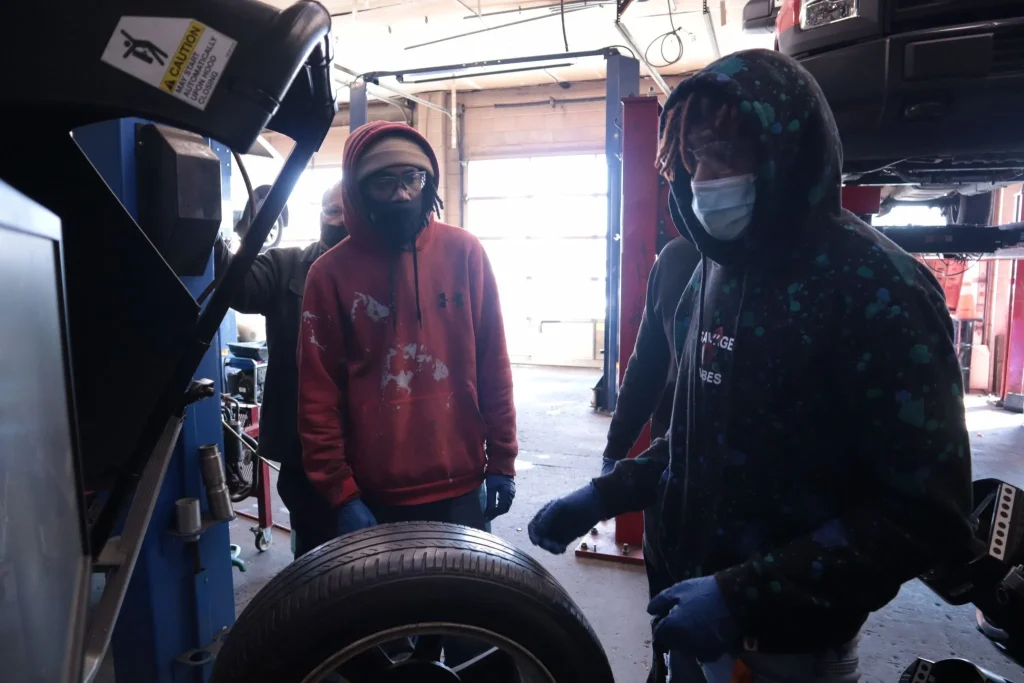
For the right student, trade school tuition Philadelphia
delivers a faster, cheaper, and more certain return than a four-year degree, while college remains the better route for careers that legally or practically require a degree. The distinction is about fit, not superiority. Here is how the two paths compare on the factors that drive return.
| ROI Factor | Trade School | Four-Year Degree |
| Upfront cost | Lower | Higher |
| Time to paycheck | Faster | Slower |
| Debt load | Lower | Higher |
| Break-even speed | ~2 years typical | Often many years |
| Career-specific skills | Immediate, applied | Broader, less applied |
| Best for | Hands-on, in-demand trades | Degree-required professions |
The decisive question is not “which is better” in the abstract, but “which returns more for the career I actually want.” If your goal is a hands-on, high-demand trade, the numbers strongly favor the trade path, and PTTI’s honest assessment of whether it is worth it to go to a trade school walks through the trade-offs in plain terms.
Local labor demand is what turns a good national ROI into a real paycheck, and the Philadelphia region is well positioned. The tri-state area combines aging infrastructure, active shipbuilding and fabrication, healthcare construction, a manufacturing base, and a strong union building-trades presence. That mix creates steady hiring across welding, pipefitting, automotive, manufacturing, masonry, and sterile processing, and PTTI’s career and job opportunities resources connect graduates to that local demand.
Because trade credentials are portable, trade school tuition Philadelphia,
opens work not only across city neighborhoods, from North and South Philadelphia to West Philadelphia, Mantua, and the Spring Garden corridor, but throughout the surrounding communities including Yeadon, Lansdowne, Darby, Drexel Hill, and Ardmore in Pennsylvania, and across the river into Camden, Pennsauken, Collingswood, Cherry Hill, Maple Shade, and Haddonfield in New Jersey. Strong regional demand shortens job searches and raises the odds that your investment converts quickly into earnings, which is exactly what ROI depends on.
Trade school ROI is highest for students who match the model’s strengths:
If you fall into any of these groups, the combination of low cost, short timeline, grant eligibility, and strong local demand tends to produce a return that is both faster and more certain than the alternatives. The best way to confirm the numbers for your own plan is to review the< admissions process and get a real cost-and-outcome estimate for the specific program you are considering.
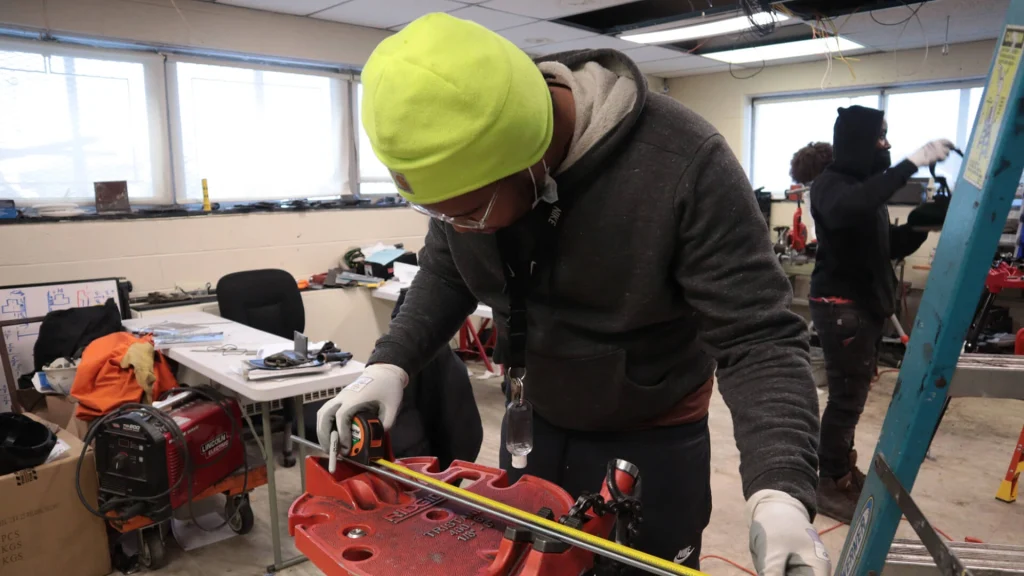
A realistic ROI breakdown makes the trade-school case clear without hype. The cost is lower, the timeline is shorter, the debt is smaller, and, thanks to 2026’s Workforce Pell expansion, qualifying short-term programs now have a federal grant pathway they never had before. Add strong Philadelphia-area demand and returns that resist automation, and the payback often arrives within about two years, faster and more certain than a typical four-year degree.
The right decision still depends on the career you want. But if that career is a hands-on, high-demand trade, the numbers point in one direction. The best next step is to get real figures for a real program rather than rely on averages. Start by browsing PTTI’s trade programs, then schedule a campus tour to see the labs and get a straight answer on cost, aid, and outcomes. When you are ready, contact admissions to take the next step.
Most trade programs total somewhere in the low-to-high five figures, with national averages near $17,600, far below a four-year degree. Beyond tuition, budget for tools, PPE, lab fees, and certification exams. Always ask the school for a full, itemized cost breakdown.
For hands-on, in-demand trades, yes. Lower tuition, less debt, and paychecks that start sooner mean many graduates break even within about two years, a payback speed most four-year degrees cannot match.
In nearly all cases. A four-year degree’s full cost of attendance often reaches $110,000 or more, while trade programs cost a fraction of that. Trade graduates also borrow far less, averaging around $10,000 versus $30,000–$39,000 for bachelor’s graduates.
Many do. As of July 1, 2026, new Workforce Pell Grants can fund qualifying short-term workforce programs, and grants do not need to be repaid. Eligibility is program-specific, so confirm with the school’s financial aid office.
Because upfront cost is low and earning starts quickly, many trade graduates recover their full investment within roughly two years. Fields with higher starting wages, like pipefitting or certified welding, can pay back even faster.
Tools, PPE, lab and materials fees, certification exam fees, and any lost wages while studying. A transparent school will itemize these clearly. Ask directly and compare the total cost, not just the tuition sticker.
Welding, steam and pipefitting, manufacturing and automation, and automotive repair all combine strong regional demand with solid earning ranges and short training timelines, making them among the highest-value options locally.
It can be. Students who already hold a bachelor’s degree can still qualify for Workforce Pell for eligible short-term programs, making a trade a low-cost path to stable, hands-on work.