
Some people curious about building work ask whether putting up walls or fitting frames leads to serious money. Actually, yes – hitting big earnings happens under the right conditions. Getting solid instruction, logging long hours onsite, and wisely picking each next step make a difference.
Progress rarely sits still. It becomes clear once someone pushes past entry moves and keeps refining what they do. Close to $100K in earnings doesn’t happen by accident. Behind it sits daily discipline rather than chance.
Progress builds through repeated action, not sudden breaks. Doing the work teaches more than theory ever could. Hidden from view yet always essential, drywall finishers and framers define both structure and comfort in construction. A single stud set right, paired with a seamless wall surface, turns empty rooms into real places. Throughout the U.S, need keeps climbing – so do pay rates, step by step.
Starting pay tends to be modest for those smoothing walls. As hands gain hours on actual jobs, wages usually climb. Skill sharpens through doing, not just years passed. Where a person works also shapes what they earn. Experience nudges up value, slowly building worth.
Starting, most earn between $35,000 and $45,000 each year. Right away, they spend time getting good at basics – figuring amounts needed, slicing panels to fit, spreading mud where joints meet, then sanding things flat.
Once people have been doing the job for a while, pay usually falls between 50,000 and 70,000 dollars. Handling bigger responsibilities comes naturally, so work gets done more quickly, and outcomes improve.
Some folks with years behind them pull in around $70,000 to $90,000 each year. Working through tough tasks comes naturally – many also help teammates along the way. When someone sharpens their approach and digs into a niche, income can jump past $100,000, particularly if they’re flying solo or working in sought-after fields.
Pay gains in building work never appear. What lifts your drywall pay depends on a mix of real-world conditions stacking up over time.
By paying attention here, you move through the work more quickly. Progress picks up when these
spots get effort.
Staying consistent matters more than rushing through steps, especially when sharpening skills along the way.
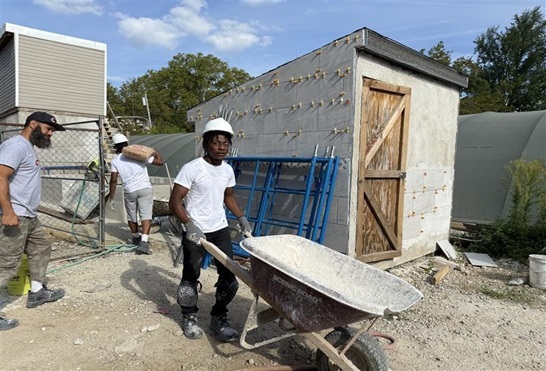
Start by nailing down the basics. Using gear and supplies the right way shapes how good your work turns out. These abilities matter most:
Better jobs start showing up once those abilities grow.
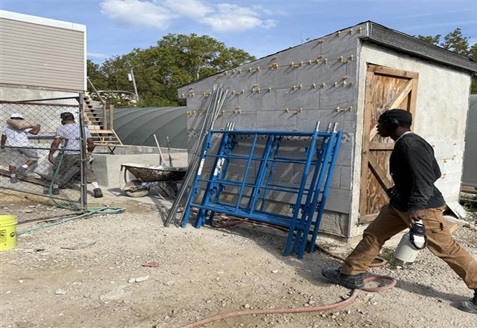
Most of the time, focusing on one skill brings bigger paychecks. Rather than sticking to entry-level jobs, people shift toward complex fields like:
Many professionals follow a structured path to become a licensed drywall professional, which leads to better-paying opportunities:
Tackling larger assignments grows both ability and self-assurance. As days pass, dealing with tough work feels less heavy, which quietly raises your worth in the eyes of those who hire or rely on you.
Few folks boost pay through solo work. Picking freelance gigs means setting your own prices and choosing what to take.
Benefits include:
Still, good organization helps just as much as clear talking and steady oversight.
Out here, where buildings go up fast, wages tend to climb too. Paychecks swell in places buzzing with new projects. Earnings get a boost when people shift toward expanding zones. Where work piles up, pockets fill quicker.
Most people do better when they begin with solid lessons. Learning happens through practice at PTTI, far beyond lectures alone. Real equipment shows up early, along with methods used on active job sites. This kind of experience shapes readiness for what comes after class ends.
Key benefits include:
Starting here makes learners feel more confident, also helping them reach income faster.
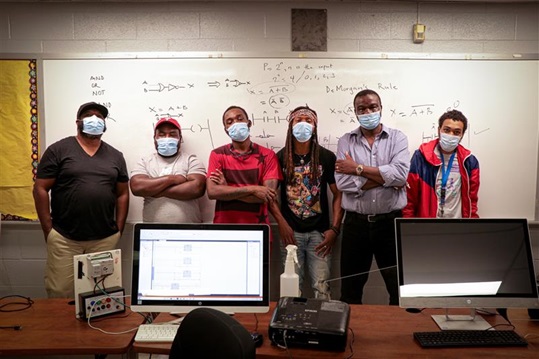
Some choose to shift toward project coordination after a few years. Paths change based on what you want in the long term.
Most people look into jobs like these:
One way opens doors you might not expect. Another brings chances that shift how you earn—a third changes what success looks like over time.
Though making good money is possible here, the work comes with its share of hurdles. Getting ready ahead of time makes dealing with those easier.
Even with tough conditions, plenty stick around thanks to steady pay later on.
Starting in drywall work means steady pay without waiting years to get going. Unlike most jobs, here you make money right away, even as your skills build slowly. Each day on site adds experience, which pushes earnings higher over time.
Key advantages include:
Built for those who learn by doing, this path stands out among options for student minds drawn to real-world work.
Building a strong drywall finishing salary starts with the right training and consistent effort. PTTI training programs give students a clear advantage by focusing on
Practical learning, real tools, and real jobsite experience. Instead of guessing your way through the trade, you learn the skills employers expect from day one.
As your abilities grow over time, so does your earning potential. With time, experience, and specialization in areas such as finishing or framing, many professionals move into higher-paying roles. Working on larger projects, improving speed, and choosing the right opportunities all contribute to steady income growth in this field.
What makes this path even more promising is the ongoing demand across the U.S. construction industry. Skilled workers are needed, and those who stay consistent often see real financial progress. With the right mindset and training, reaching a six-figure income becomes a realistic goal rather than just a dream.
If you are ready to take control of your future, PTTI offers the structure and support to help you succeed.
Read more blogs: