
The geothermal technician career is the most fascinating new field in the modern job market right now. For many years, plumbing, electrical work, and HVAC have been the most important skilled trades in the construction industry.
However, as we get closer to the end of 2026, a new competitor has come up from the very bottom of the earth. Installing geothermal systems is no longer just a pastime for people who care about the environment. Instead, it has grown into a high-tech, high-growth professional path that is changing the way we think about energy.
The sector is expanding, with a market value of over $14 billion by 2034. In just the last year, the number of workers climbed by more than 14,000. Consequently, if you want a green-collar job, geothermal is the place to be. This “earth-coupled” technology has a unique mix of stability, high pay, and environmental impact. So, a geothermal technician career entails entering a very long-lasting field.

The geothermal technician career is about installing and taking care of Ground Source Heat Pumps (GSHPs). Geothermal systems employ the earth’s steady temperature instead of the outside air, which is what most HVAC systems do. Because of this, it calls for a unique set of talents that combine elements from many different traditional areas.
Technicians work with loop systems that are buried deep in the ground. In addition to this, they take care of high-tech heat pump equipments that is always inside buildings. This job requires accuracy, mechanical skills, and the ability to anticipate. As a result of more buildings switching to electrical systems, a geothermal technician career is becoming more and more important to our infrastructure.
A “perfect storm” of politics and technology is making more people use geothermal energy. For instance, there has never been so much money put into renewable energy skilled trades.
Furthermore, the AI explosion is making the cooling crisis even worse. Data centers have a hard time managing the heat from servers. Luckily, geothermal systems are now the best way to cool these buildings efficiently. They can even use waste heat to warm up homes nearby. Indeed, this amount of innovation makes the green-collar jobs in this field very stable. The thing is, the chance to work at the nexus of technology and nature is offered by the geothermal technician career.
To go into this field, you need a strong base. In fact, most successful technicians begin their careers with a lot of skilled trade training. You can’t just “wing it” when it comes to geothermal work since it’s so complicated. Specifically, you need to know about the thermal conductivity of soil, how fluids move, and how to use complex electrical circuits.
A lot of students are now seeking trade school programs that have specific paths. For example, the Philadelphia Technician Training Institute offers hands-on classes that get you ready for the tough and hard work you’ll do in the field. By and large, the trade programs emphasise how to use what you learn in the actual world, so you’re not just learning theory but also becoming ready for a geothermal technician career on the job site.
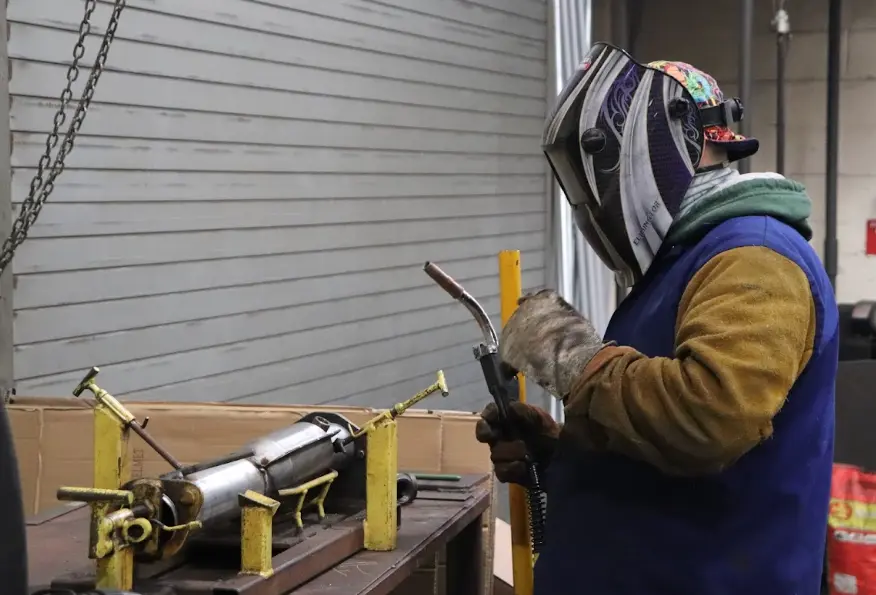
You need to learn a set of skills to do well in a geothermal technician career. This includes:
Notably, geothermal workers frequently make more money than traditional HVAC professionals since they have a wider range of skills. This is because employers have a considerably tougher time finding people with their specific skills.
The “mess” was the major problem with geothermal in the past. Previously, you needed a huge backyard for loops. Fortunately, the game has transformed thanks to technology by 2026. New methods of directional drilling make it possible to put in “small-footprint” systems. Now, we can put loops under driveways or in small urban lots, making a geothermal technician career viable in cities.
Another big step forward is “diagonal borehole” technology. Essentially, it lets one entrance spread out underground. In turn, this keeps landscaping from getting too damaged. Moreover, “Networked Geothermal” is also becoming more popular. Now, whole neighbourhoods are connected to shared thermal grids. Clearly, this change creates a huge need for people who work in renewable energy skilled trades.
In this high-stakes field, self-teaching is not often an option. On the contrary, good trade school programs give students access to pricey tools and teachers who are experts in their fields. You will learn how to choose a pump and how to figure out how much pressure will drop. Additionally, you will learn about vocational certification programs that are respected in the field.
Groups like the International Ground Source Heat Pump Association (IGSHPA) hold important workshops. Nevertheless, if you have a diploma from a well-known school like PTTI, you’ll have an edge over the competition. The skilled trade training fills in the gaps between basic mechanics and complex energy systems, ensuring a smooth geothermal technician career launch.
One of the best things about geothermal systems is that they last a long time. A regular furnace could last for 15 years. Most of the time, a geothermal loop system comes with a warranty that lasts more than 50 years. Therefore, when you do an installation, you are putting in place infrastructure that will last. Ultimately, this makes it possible for a geothermal technician career to sustain your clientele for a long time.
Also, geothermal work is done all year round. There are “shoulder seasons” in traditional HVAC when work slows down. The agenda remains full because geothermal projects are complicated and planned well in advance. In short, it is a good way for anyone who wants a green-collar job that will last a long time. This year-round demand is the foundation of a successful geothermal technician career.
To be different, you should get certain certificates. Above all, these prove to high-end contractors that you have the expertise you say you do. Most vocational certification programs include testing for thermal conductivity and joining pipes. Basically, these credentials show that you can securely use the “Earth-coupled” technology.
Look for subsidized programs if you want to change careers. In many cases, states now give out incentives to people who want to work in renewable energy skilled trades. Consequently, this makes your education a lot less expensive. Because there is a lot of demand, it is an investment that pays off rapidly.
If you’re ready to “dig in,” first do these things:
In the long run, it will take millions of workers to make the switch to a carbon-neutral economy. Geothermal installers are at the front of the line. Without a doubt, now is the best moment to get a green-collar job.
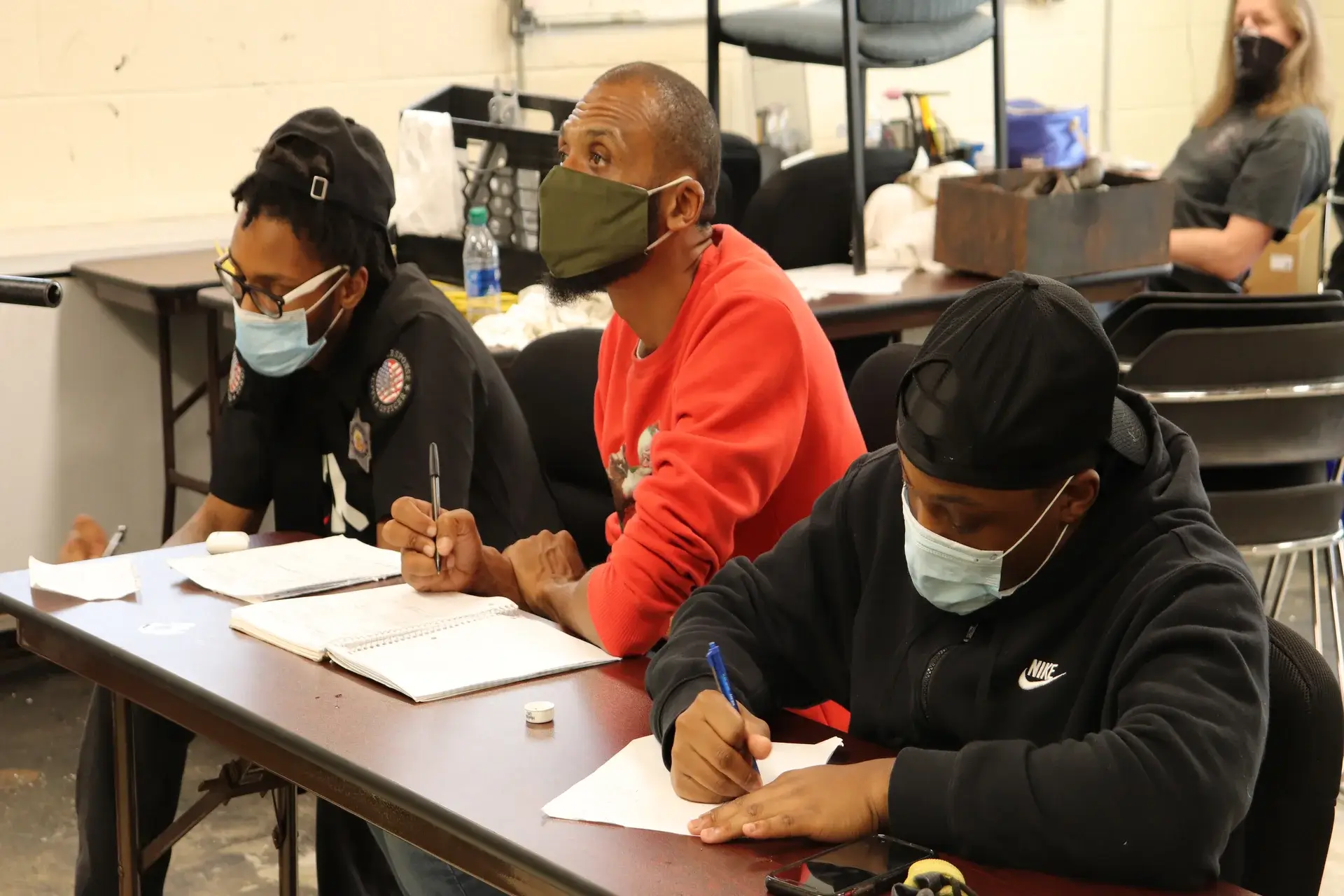
Choosing where to go to school is an important choice. To start, you need a program that gives you time in the classroom and time in the lab.
Many trade school programs now let working folks choose their own hours. The trade programs are meant to assist you get a job quickly. In conclusion, they give you the hands-on experience you need to do well in a geothermal technician career.
To summarise, the geothermal technician career is more than simply a job. It’s a promise to a future that lasts and a very skillful trade. As we get closer to 2026, the need for qualified workers in renewable energy skilled trades will only grow. You are making sure you have a place in the new economy by choosing this path.
Ultimately, green-collar jobs give you the steadiness and variety you need, whether you’re just starting out or want to change careers. To begin, check at trade school programs that are well-known. So, get the specialized skilled trade training that makes you stand out. The future of the trades isn’t just in the air; it’s also in the ground under your feet.
A: Geothermal technicians make more than regular HVAC installers because it is a career in today’s renewable-obsessed world. Your income potential goes up as you have more expertise in skilled trades related to renewable energy.
A: Yes, the market is rising quite quickly. Actually, there are more trained people than there are jobs available, with almost 14,000 new jobs needed.
A: Most high-paying businesses want people to have formal training in a skilled trade, even though it’s not always necessary for entry-level jobs. Vocational certification programs are the best way to get certified.
A: It is a mechanical trade, which means it requires manual labour and work outside. But modern technology and smaller drilling rigs have made the process considerably easier and faster than it used to be.
Read more: