
If you want to enter construction without spending years in school, concrete work can provide a practical career path. Concrete workers help build foundations, walls, floors, walkways, and other structures that communities depend on every day.
However, one question often comes first: How quickly can you complete training and start earning?
For students considering entry-level concrete worker training in Philadelphia, the timeline depends on the program, your attendance, skill development, and the hiring process. At Philadelphia Technician Training Institute (PTTI), the Concreting, Masonry, and Framing program takes 26 weeks, or about six months, to complete. The program combines classroom instruction with substantial hands-on training in construction skills.
That means students can build a foundation of practical skills without committing to a traditional four-year degree.
The short answer is: training can take about six months at PTTI, but your actual employment timeline can vary.
Completing a training program does not automatically mean you start work the next day. There are a few assignments and in-house workshops, along with internal projects. That you need to qualify for the placement. You still need to complete your program requirements, prepare your resume, apply for positions, interview with employers, and meet any employer-specific requirements.
However, a focused construction program can shorten the time between starting education and becoming ready to pursue entry-level opportunities.PTTI’s program prepares students for construction-related work through hands-on instruction in concreting, masonry, framing, safety, blueprint reading, foundation layout, and other practical skills. As a result, students can spend their training time building skills that connect directly to construction work.
Concrete work involves much more than mixing cement.
A trained worker needs to understand measurements, materials, tools, safety procedures, layouts, and construction plans. PTTI’s curriculum includes introductory concreting, concreting safety, blueprint and math, foundations, wall construction, and floor construction.
Students also learn about masonry and framing as part of the broader program.
This wider training matters because construction projects involve several connected tasks. A worker who understands how concrete interacts with foundations, walls, drainage, framing, and other construction components can develop a broader understanding of the job site.
Key Skills Students Can Develop During Entry-Level Concrete Worker Training in Philadelphia: Students can work toward skills such as:
Workplace communication that includes soft skills
These skills can provide a starting point for pursuing construction-related employment.
Construction is a practical industry. You cannot learn every concrete technique simply by reading a textbook. You need to understand how tools feel in your hands, how materials and solutions work when mixed with cement, and how construction steps fit together.

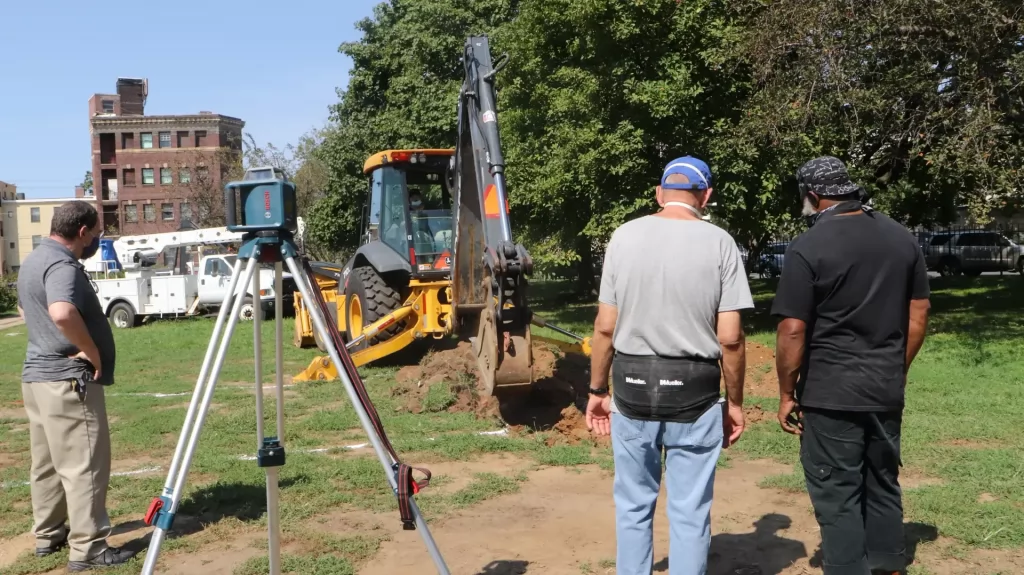
That is why hands-on experience matters. PTTI states that its Concreting, Masonry, and Framing program includes real hands-on experience and practical applications. Students work with construction concepts involving walls, foundations, framing, masonry, and concrete.
Not necessarily. PTTI states that its programs are designed for both beginners and people with previous experience. Its FAQ also states that students generally do not need previous experience to begin training.
That can make construction education accessible to people who are changing careers or entering the workforce for the first time. However, beginners should understand that construction work requires effort and consistency.
Earnings vary based on occupation, experience, employer, location, and the specific type of construction work. According to the , the U.S. Bureau of Labor Statistics reported a $46,680 median annual wage for construction laborers and helpers in May 2025, equivalent to $22.44 per hour when expressed as an hourly figure. Construction laborers alone had a median annual wage of $47,120.
These figures are national occupational statistics. They should not be treated as a guaranteed starting salary for a newly trained concrete worker in Philadelphia.
Entry-level workers may earn less as they gain experience. Pay can increase as workers develop specialized skills, take on greater responsibilities, obtain relevant credentials, or move into more advanced construction positions. Therefore, students should view the first job as the beginning of a career pathway rather than the final destination.
Concrete construction connects with several areas of the building industry.
As you gain experience, you may discover opportunities related to masonry, framing, foundations, finishing, construction assistance, or other specialized work.
PTTI’s program is broader than concrete alone. It combines concreting, masonry, and framing so students can develop knowledge across related construction tasks.
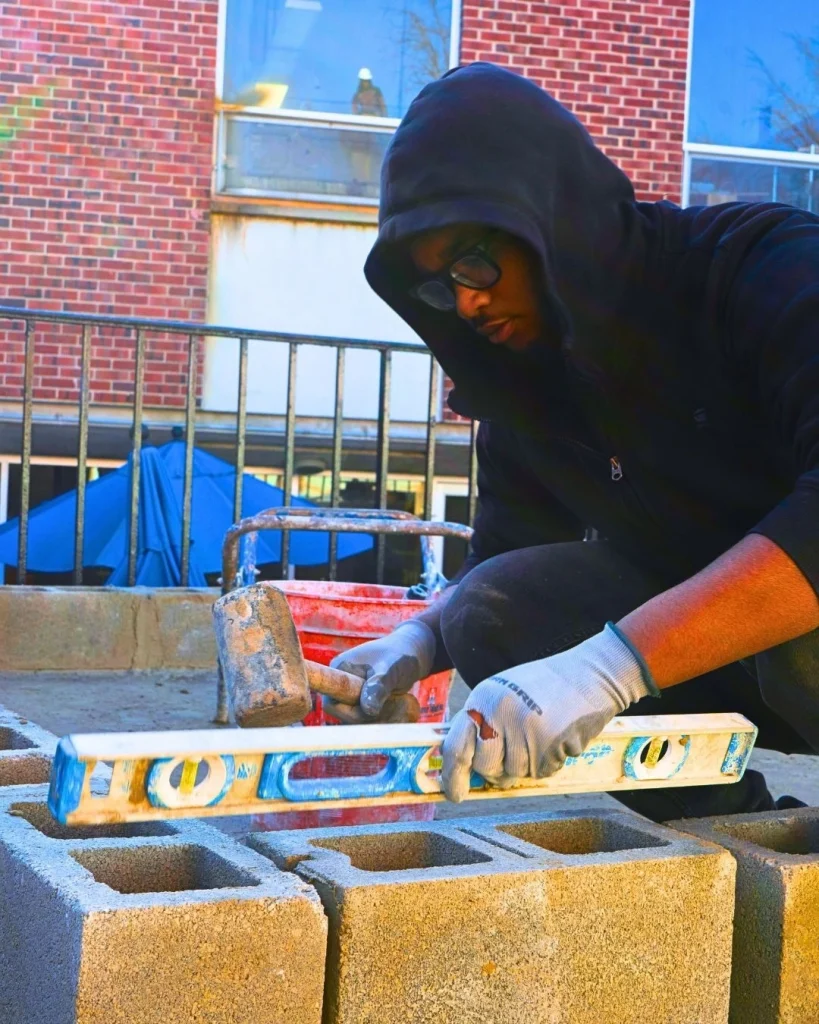
This broader foundation can help students understand where their interests and strengths fit within construction.
For example, one student may enjoy concrete placement. Another may prefer masonry. Someone else may become more interested in framing or construction supervision later in their career.
Building a strong foundation of skills can give you more information when deciding which direction to pursue.
Finishing your training is an important milestone. However, the job search begins after—or even before—graduation.
Career preparation should include several steps.
PTTI career service instructor will help you build a professional resume that highlights your training, your specialization, technical skills, certifications, and relevant projects. Even if you have never held a construction job, practical training can give you relevant skills to discuss.
Employers may ask about safety, teamwork, reliability, tools, construction procedures, and your willingness to learn. Safety certifications like CRCST, OSHA, and skilled trade certifications might be helpful during hiring. Practice explaining what you learned and how you applied those skills.
Look for opportunities that match your current skill level.
Depending on the employer, positions may include construction laborer, construction helper, concrete worker, masonry helper, or other entry-level construction roles.
Your first construction job can introduce you to new tools, materials, equipment, and procedures.
Keep learning.
Over time, experience can help you move beyond entry-level responsibilities.
Training should not stop at technical skills.
PTTI’s construction program includes professional development, resume building, and career support. The program information states that career services can help students with resume writing, career identification, interview coaching, and other professional-development areas.
This can help students prepare for the transition from classroom training to employment.
Career preparation is especially important for someone with little or no previous construction experience.
You may know how to perform a task, but you also need to communicate your abilities to an employer.
A strong resume and confident interview can help you present your training more effectively.
Potentially, yes—but the timeline varies.
PTTI’s program is structured for completion in 26 weeks. After completing the required training, graduates can pursue entry-level construction opportunities. However, the time required to secure a job depends on factors such as attendance, successful program completion, job availability, applications, interviews, employer requirements, and individual circumstances.
The important distinction is between finishing training and starting employment.
Six months can be the education timeline.
Your employment timeline may be shorter or longer.
Therefore, students should begin preparing for employment before completing their final class.
Concrete construction supports essential infrastructure and buildings.
The broader construction and extraction occupational group is projected by the U.S. Bureau of Labor Statistics to grow faster than the average for all occupations from 2025 to 2035. The BLS projects about 587,000 openings per year across construction and extraction occupations during that period, although this figure covers many occupations and is not specific to concrete workers.
For Philadelphia students who enjoy practical work, building, problem-solving, and working with their hands, construction training can provide a direct way to explore the industry.
It also offers an alternative to spending several years completing a traditional college degree before entering a technical occupation.
So, how fast can you start earning after entry-level concrete worker training in Philadelphia?
At PTTI, the Concreting, Masonry, and Framing program is designed for completion in approximately 26 weeks. During that time, students develop practical knowledge in concrete construction, foundations, walls, floors, masonry, framing, blueprint reading, math, and safety.
After completing training, graduates can begin pursuing entry-level construction opportunities.
However, there is no guaranteed employment timeline or starting wage. Your results depend on your skills, effort, job search, employer demand, and other factors.
If you want a practical career that involves building real structures and developing skills through hands-on work, concrete construction may be worth exploring.
PTTI’s Concreting, Masonry, and Framing program is designed to take 26 weeks, or about six months.
Yes. PTTI states that its programs are designed for beginners as well as students with previous experience.
Students learn areas such as concrete applications, safety, blueprint reading, shop math, foundations, wall construction, and floor construction.
Pay in skilled trades varies by experience, location, and employer.
Yes. PTTI’s program information describes career services that include resume building, professional development, interview coaching, and career identification.
Read more links