
A machine operator who learns the systems around them rarely stays an operator for long. In modern plants, the people who understand how automated equipment runs, and how to fix it when it stops, move up the fastest. This guide maps every rung of the ladder: what you do at each stage, what you can realistically expect to earn, the skills that move you up, and how hands-on automation and electrical technician training turns an entry-level position into a long-term career. Whether you are starting out of high school, leaving warehouse work, or changing careers after years in another field, you will see exactly how the climb works and where the strongest manufacturing jobs in the area are heading in 2026.
A modern manufacturing career path typically moves through three stages: machine operator at entry, skilled technician in the middle, and manufacturing supervisor in leadership. Each stage adds technical responsibility and pay. Unlike older factory jobs, today’s ladder rewards workers who understand automated systems rather than those who simply log the most years.
Automation changed the shape of the floor. Robots, programmable controllers, and smart sensors now run much of the repetitive work, so plants need fewer pure laborers and far more people who can set up, monitor, and repair that equipment. This shift is exactly why a clear career path now exists where one used to be flat. Workers who pair floor experience with technical skill can keep climbing, and PTTI’s range of skilled trades programs is built around that reality.
Here is how the ladder looks at a glance, using national median wage figures from the U.S. Bureau of Labor Statistics (May 2025):
| Rung | Role | Typical National Pay (BLS) | What You Do |
| 1 | Machine operator / assembler | ~$45,000–$47,000 | Run and tend production equipment |
| 2 | Automation technician / industrial maintenance | ~$60,000–$70,000+ | Install, program, troubleshoot, and repair automated systems |
| 3 | Manufacturing supervisor | ~$65,000–$80,000 | Lead a crew; manage output, quality, and safety |
| 3+ | Industrial production manager | ~$126,000 | Direct overall plant operations |
Pay varies by employer, shift, region, certifications, and experience, so treat these as reference points rather than promises.
The machine operator role is where most people step onto the manufacturing career path. Operators load materials, run production equipment, monitor output, perform basic quality checks, and keep the line moving. Most employers ask only for a high school diploma or GED and a willingness to learn, which makes this an accessible entry point for new graduates, career changers, and anyone moving out of warehouse or retail work.
Nationally, assemblers and fabricators earn a median of about $45,450 per year, and production occupations overall sit near $46,990, according to BLS. That is a solid starting wage, but the real value of this rung is the view it gives you. An operator who pays attention learns how the automated systems behave, what breaks, and who the plant relies on when something goes wrong. Those are precisely the people who get tapped for technician training.
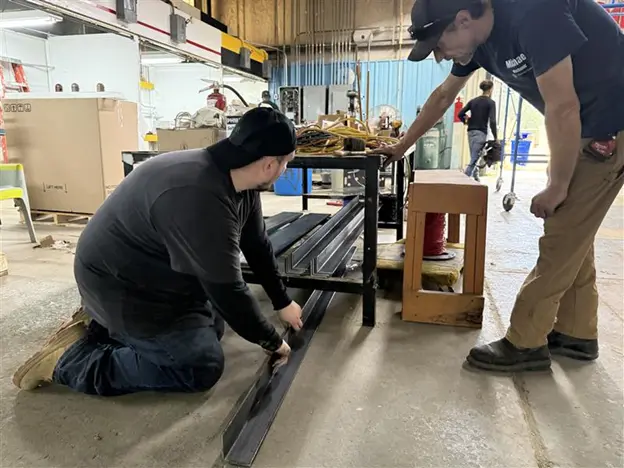
An automation technician keeps automated production systems running by installing, programming, troubleshooting, and repairing robotics, programmable logic controllers (PLCs), sensors, and electrical controls. This is the highest-leverage rung on the manufacturing career path, because it converts hands-on familiarity into a specialized, hard-to-replace role that pays well and stays in demand for automation training.
The pay jump here is significant. BLS reports a median wage of about $64,520 for industrial machinery mechanics and $60,850 for machinery maintenance workers, with specialized automation and mechatronics roles often reaching $70,000 or more. Demand is strong too: industrial machinery mechanic employment is projected to grow roughly 18% over the decade, well above average, and the broader maintenance field is expected to see about 51,900 openings each year. Understanding how automation is reshaping manufacturing roles helps explain why this demand is not slowing down.
What makes this technician rung so powerful is leverage. A plant can hire operators quickly, but a technician who can diagnose a stalled robotic cell or reprogram a controller saves real money every hour the line runs. That value is what pushes pay up and makes this role the clear turning point on the whole ladder.
You become an automation technician by learning the core systems, including electrical fundamentals, PLC programming, robotics, and mechanical maintenance, through focused automation training, then applying them on the plant floor. A hands-on program can prepare you in months rather than years, and employers consistently value demonstrated skill over a traditional degree.
In practice, the path looks like this: build electrical and mechanical fundamentals, learn to read schematics and blueprints, get comfortable with PLCs and robotic systems, practice troubleshooting on real equipment, and layer on safety credentials. Each skill you add makes you more useful on the floor and moves you further up the ladder. For many workers, hands-on training is the difference between staying an operator and becoming the specialist the plant cannot run without.
A manufacturing supervisor leads a team of operators and technicians while managing production targets, quality, scheduling, and safety. Supervisors are usually promoted from skilled technician roles because they already understand the equipment and the workflow, which earns them credibility with the crew. In automation training, First-line production supervisors typically earn in the range of $65,000 to $80,000 depending on plant and region.
This rung is where technical skill meets leadership. The best supervisor candidates are technicians who also communicate clearly, solve problems under pressure, and can coordinate people as well as machines. That combination is why the climb from skilled technician to supervisor tends to be a natural one: the hard part, understanding the systems, is already done.
Beyond the supervisor level sits plant and operations management. Industrial production managers, who direct overall plant operations, earn a national median of about $126,060 according to BLS, though these roles generally require a bachelor’s degree alongside years of floor experience. For workers who begin as operators, reaching this tier is realistic over time, and it shows just how far this career ladder can extend for those who keep building skills.
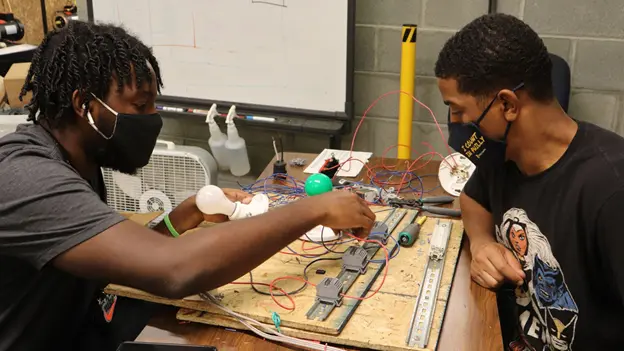
Moving from operator to skilled technician can take as little as one to three years with the right training, and stepping into a manufacturing supervisor role often follows within another few years. The timeline depends far more on the skills you gain than on the years you serve, which is why focused training accelerates the whole process.
Workers who know automation training, wait passively for seniority tend to stall. Those who actively build electrical, controls, and troubleshooting skills, and who seek out technical training early, compress the timeline dramatically. In fast-moving plants, a motivated operator who becomes a capable technician. They can find that advancement opportunities arrive sooner than expected, because skilled technicians are genuinely scarce.
Advancement on this ladder is skill-driven. The capabilities that consistently earn promotions include:
Certifications and stackable credentials reinforce these skills and signal readiness to employers. Cost should not be a barrier to building them, which is why it helps to review financial aid options .The goal is to keep adding verifiable, employer-relevant skills, because each one is a rung you can climb.
Philadelphia remains a genuine manufacturing and fabrication hub, and that depth is what makes this career ladder realistic locally. Plants and shops across the city, from North and South Philadelphia to West Philadelphia and the Allegheny West and Spring Garden corridors. Continue to hire operators, maintenance workers, and controls technicians. Because these skills transfer easily, workers trained here can also pursue manufacturing jobs across the wider region.
That regional reach matters. Opportunities extend into nearby Pennsylvania communities. Such as Yeadon, Lansdowne, Drexel Hill, and Ardmore, and across the river into South Jersey towns including Camden, Pe, as well as into Delaware. For anyone weighing a move into the trades, PTTI’s admissions team can explain how local training connects to these regional employers. The common thread is demand: plants everywhere need people who can run and repair automated systems. That demand sustains the climb from operator to supervisor.
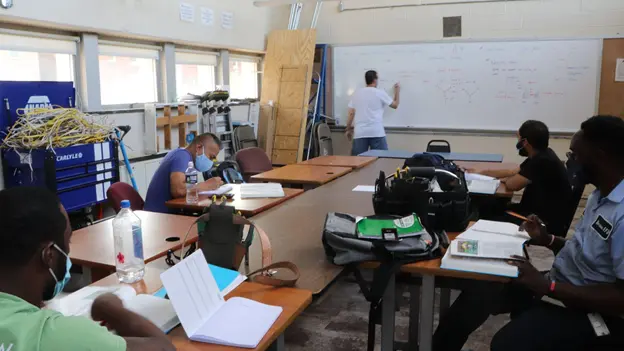
Every rung on this ladder connects back to one thing: the ability to work with automated systems. That is why quality automation training is the real engine of advancement. It takes an entry-level operator and gives them the electrical, controls, and troubleshooting skills that employers reward with better pay and more responsibility.
PTTI’s hands-on Manufacturing & Automation program is built for exactly this journey. It focuses on real equipment and applied practice. It builds workforce-ready skills that help students climb the ladder and keep moving up. PTTI does not guarantee any specific job, salary, or promotion, but it does provide the practical, industry-aligned foundation that makes genuine career advancement in manufacturing possible. For motivated workers, that foundation is often the difference maker.
The move from operator to automation technician to supervisor is not luck or long service; it is a skill-driven climb that any motivated worker can start. Each rung builds on the one below it, pay grows meaningfully at every step, and the whole ladder rests on the ability to understand and maintain automated systems. In a region with steady demand for these skills, that makes the manufacturing career path one of the most dependable routes to upward mobility without a four-year degree.
If you are ready to take the first step, you can schedule a campus visit or contact PTTI’s admissions team to learn how hands-on training can start your climb.
This path moves through three stages: machine operator (entry), automation technician (skilled), and manufacturing supervisor (leadership). Each stage adds technical responsibility and pay, and advancement is driven by the skills you build rather than by seniority alone.
An automation technician’s pay varies by experience, employer, and specialization. Nationally, related industrial maintenance roles earn a median of around $64,520 per year according to BLS, with specialized automation and mechatronics positions often reaching $70,000 or more. Earnings vary by region and certifications.
No. Most operator and technician roles require only a high school diploma or GED plus hands-on skills. Advancement is largely skill-driven. Senior management roles, such as industrial production manager, often do require a bachelor’s degree alongside years of experience.
Focused automation training can prepare you for entry-level technician work in months rather than years, because it concentrates on the specific electrical, controls, and troubleshooting skills employers test for. The exact timeline depends on the program and the pace of the learner.
Philadelphia and its surrounding Pennsylvania and South Jersey communities have steady demand for operators and technicians. Local trade schools like PTTI offer hands-on training that connects students to regional employers, making it a practical starting point for these manufacturing jobs.