
Every industry has its own pros and cons. Thinking through the pros and cons of automation and manufacturing technician careers before committing? That’s a smart move. This trade offers strong pay and real job security, but it’s not for everyone. However, most articles show only the highlight reel and skip the honest trade-offs. Below, we break down the real pros and cons, so you can decide with a clear picture.
Automation and manufacturing technicians install, monitor, and repair machines, robotics, and automated systems used in modern factories. This role also covers programmable logic controllers, electrical panels, and machine vision systems.
Here’s a quick look at daily responsibilities:
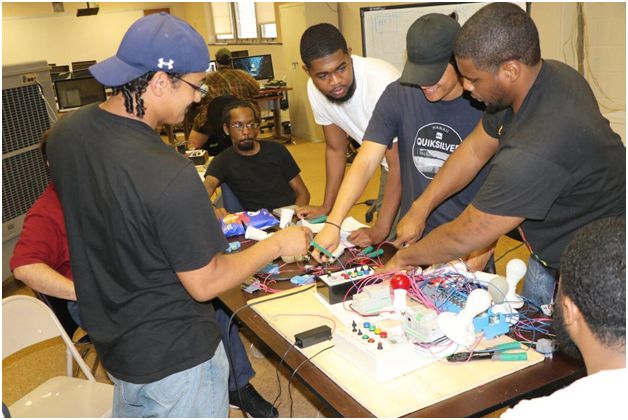
Therefore, understanding the daily work helps clarify whether the pros outweigh the cons for you personally.
Factories are automating faster than they can train workers to run the new equipment. Moreover, this creates a real skills gap that keeps demand and hiring urgency high.
Most skilled-trades training programs run about 12 months, compared to four years for a traditional degree. But PTTI offers a 6-8-month program guided by trained professionals. As a result, students start earning income much sooner.
Entry-level pay in this field often beats many office jobs. If you have graduated from good institutes, the starting pay matters a lot. Overall, this trade offers a strong return on a relatively short training investment.
A skilled trade program mainly involves hands-on work. Therefore, if you want to skip an office desk job and dwell in built-for on-the-ground work, this industry suits you best. Technicians work directly with robotics, machines, and automated systems daily. Additionally, this suits people who prefer active, physical problem-solving over desk work.
Technicians can advance into supervisor, specialist, or engineer support roles. Moreover, many employers offer continued training once hired.
Automated systems still need skilled people to install, monitor, and repair them. Automation and manufacturing training programs require ongoing equipment upgrades and maintenance. Equipment keeps. So this role remains relevant as technology advances.
Trade programs generally cost far less than a four-year degree. Overall, graduates avoid the heavy student debt load common with traditional college paths.
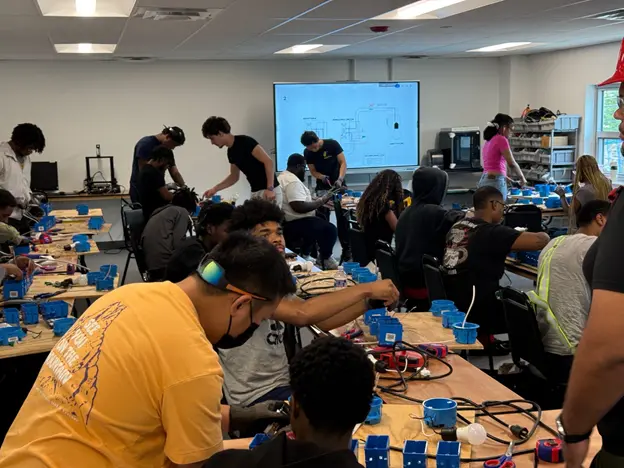
This automation job often involves working with wires and equipment for long periods, including day and night shifts, and working with machines, robots, and tech in industrial environments. Basically, this field requires a lot of physical strength along with cognitive skills. Therefore, it may not suit everyone’s physical comfort level.
Technology in this field keeps evolving quickly. As Automation starts, technicians install undergrounding along with the electrical system, and they also work with HVAC techs in the house. They must keep all of this in mind while laying floor wiring and selecting the right wire gauge. Additionally, technicians must stay current with new equipment, software, and automation systems throughout their careers.
Many manufacturing facilities and construction projects run around the clock. Few concrete workers get noon shifts; few get evening shifts that extend into the night. Most construction happens at night . There are two reasons for that . First, there is less or no traffic if the construction is on roads. Secondly, in summer, the weather is quite pleasant at night. Moreover, technicians sometimes work night shifts, weekends, or rotating schedules depending on the employer.
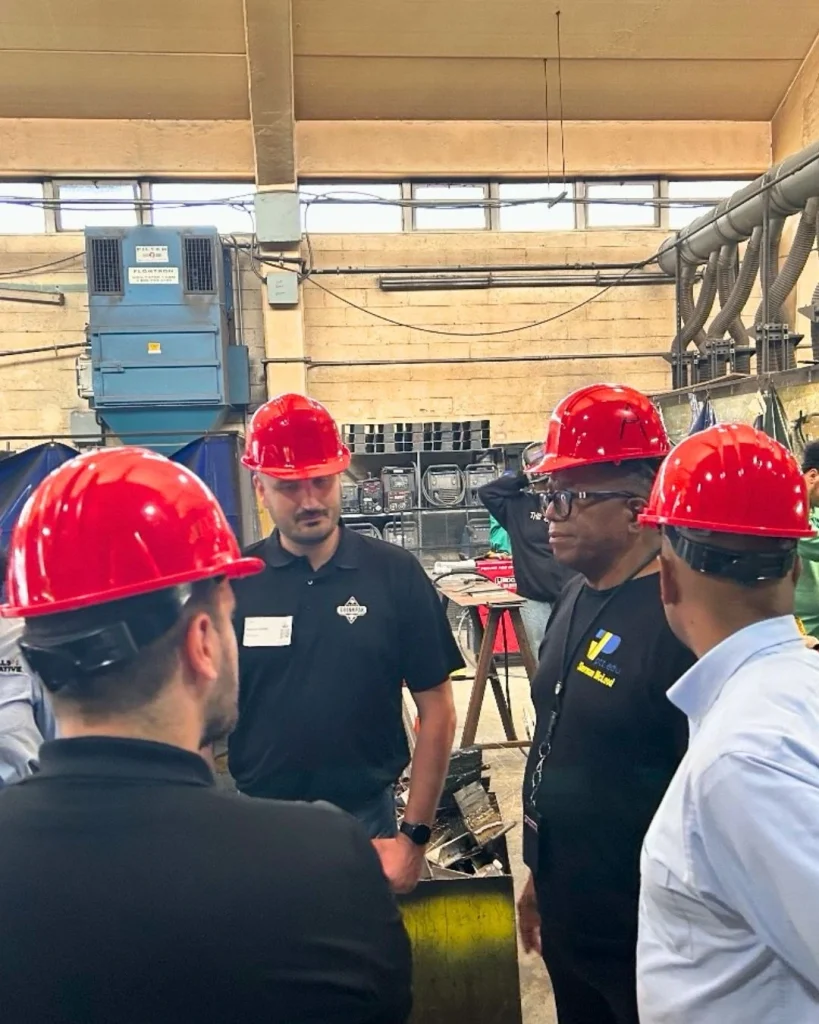
Automation jobs in the trades can be very risky. Safety is important because they tend to deal with Working around industrial machinery at a construction site, which carries real safety risks if protocols aren’t followed carefully. Workers have to wear helmets and neon jackets. Therefore, strong safety training and consistent attention matter throughout a technician’s career.
While demand is strong overall, job availability can vary by region. Every state has different construction demand. That also depends on the severe climatic conditions. Additionally, technicians in areas with fewer manufacturing facilities may need to relocate for stronger opportunities.
In the automation and manufacturing industry, some entry-level tasks involve routine observing, analyzing, and reporting the maintenance before technicians move into more varied, specialized work. They may be asked to maintain the sheet and manage manufacturing activities. Therefore, patience matters early in the career.
Here’s a simple side-by-side comparison:
| Pros | Cons |
| Strong, growing job demand | Physically demanding work |
| Shorter training time (~12 months) | Requires continuous learning |
| Solid entry-level pay | Possible shift work or irregular hours |
| Hands-on, engaging daily work | Safety risks without proper training |
| Room to grow into specialized roles | Demand varies by region |
| Lower overall debt than college | Entry-level tasks can feel repetitive |
Overall, most cons on this list can be managed with proper training, safety habits, and realistic expectations. Skilled trade education is one of the most in-demand training programs.
This career is a good fit for high schoolers or graduates with experience and the ability to solve problems. A problem-solving attitude. That’s roughly what it takes to thrive as an automation and manufacturing technician.
This career tends to fit well if you:
Therefore, self-awareness about these preferences helps determine if this trade is the right fit.
According to the U.S. Bureau of Labor Statistics, employment for industrial machinery mechanics and maintenance workers is projected to grow steadily over the next decade, with wages competitive with many entry-level degree jobs.
Therefore, demand for this career remains strong, even as individual experiences vary by region and employer.
Getting into this trade doesn’t require years of preparation. Here’s the basic process:
Philadelphia Technician Training Institute (PTTI) offers a Manufacturing and Automation program that runs 26 weeks and totals 900 hours. This includes hands-on training in PLCs, robotics, machine vision, and electrical panels, and awards a diploma upon completion.
Here’s how enrollment works at PTTI:
Therefore, start your skilled trade journey with PTTI . The pros and cons of becoming an automation and manufacturing technician show a career with real upside, balanced by honest trade-offs. However, strong pay, shorter training time, and steady demand often outweigh challenges like shift work or physical demands for the right person.
So if you are looking to become an automation specialist in manufacturing, Setup Automation and Manufacturing is the ideal program for you in a skilled trade. Finally, PTTI reports a placement rate near 92%, meaning most graduates actually land jobs in the field. Overall, this career rewards people who enjoy hands-on problem-solving and don’t mind continuous learning as technology evolves.
Ready to see if this career fits you? Contact PTTI at 215-381-9403 or info@ptt.edu to speak with an advisor.
Strong job demand, nationwide shorter training time, and solid entry-level pay rank among the top benefits. It is in high demand, and many high schoolers are choosing this career because it offers financial stability and job security.
Major cons of this career is thar it include physically demanding work, flexible shift schedules, and the need for continuous learning.
It can be, since the work often involves standing, lifting, and active movement throughout shifts.
No. You don’t need a college degree .As Most positions require trade certification rather than a four-year degree.
Yes. PTTI accepts FAFSA applications under school code 042213.
Read More: