
Concrete work requires more than physical strength.A successful technician must understand materials, measurements, testing procedures, safety practices, drawings, and jobsite requirements. Therefore, cognitive learning plays an important role alongside hands-on training.
If you want to become a concrete technician in PA, you should develop both technical knowledge and practical skills. You need to understand why a procedure matters before performing it correctly. For students considering a career in construction, this combination provides a strong foundation.
A concrete technician works with concrete materials, testing, quality control, construction procedures, or related field activities.
The exact responsibilities depend on the position and project. Some technicians focus heavily on field testing and documentation. Others work with concrete placement, quality assurance, construction processes, or inspection.
PennDOT maintains a specific Concrete Technician Certification Program for technicians performing qualifying work for the department. Its program includes ACI Concrete Field Testing Technician – Grade 1 and PennDOT certification components.
Therefore, students should understand that concrete careers can involve both physical work and careful technical decision-making.

Concrete may look simple when you see it being poured. However, technicians must make decisions based on measurements, specifications, test results, procedures, and site conditions.
Cognitive learning helps students develop the ability to:
These abilities support practical work.A student may know how to use a tool, for example, but also needs to understand when and why to use it.
Concrete work requires accuracy. Technicians may work with measurements, quantities, dimensions, ratios, temperatures, test results, and other technical information. Small mistakes can affect the quality of a project. Therefore, students interested in becoming a concrete technician in PA should become comfortable with basic mathematics and measurement. However, you should practice reading measurements, following formulas, checking calculations, and paying attention to details.
Hands-on training can make these concepts easier to understand because students can immediately connect calculations with physical work.
Construction sites do not exactly run like classroom examples. This is the real job site, not a demo class or workshop. Therefore, be prepared for every ongoing activity about to happen on a real job site. Measurements or findings may reveal unexpected results.
A technician needs to respond carefully. Therefore, problem-solving skills help workers identify what happened, review available information, follow the correct procedure, and communicate with the appropriate people. For students, this means treating mistakes as learning opportunities.
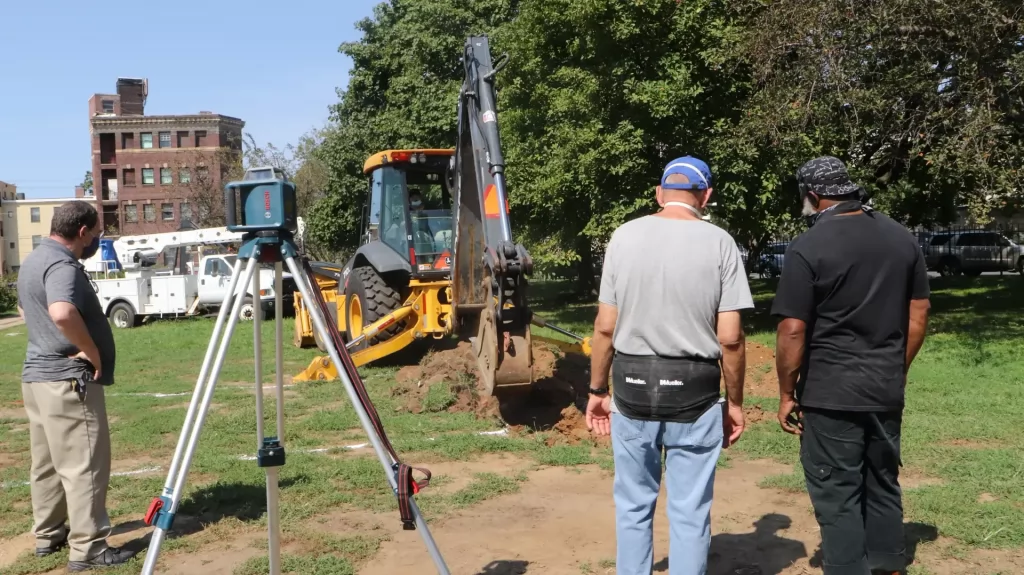
Safety should remain part of every stage of concrete construction training. Students need to understand equipment, personal protective equipment, jobsite procedures, material handling, and safe work practices. Cognitive learning supports safety because workers must recognize hazards and make appropriate decisions before performing tasks.
For example, knowing that a piece of equipment is dangerous is different from understanding how to work safely around it. Training should connect the rule with the reason behind the rule. That approach can help students develop stronger safety habits.
A concrete technician may need to work with specifications, testing procedures, drawings, reports, or other technical documents. Reading these materials requires attention and understanding. Students should practice identifying important information instead of simply reading every word.
Look for:
Developing these habits can help students become more confident with technical documentation.
Learning concrete theory without practical experience can leave gaps. Likewise, performing tasks without understanding the underlying principles can limit problem-solving ability.
That is why concrete technician training Pennsylvania programs should provide opportunities to connect knowledge with practice. Students can learn a concept, observe an instructor, perform the task, receive feedback, and repeat the process.
Certification can become an important part of certain concrete technician career paths.PennDOT’s program identifies ACI Concrete Field Testing Technician – Grade 1 as a component of its certification pathway.Students should always check the current requirements for the specific position or project they want to pursue. Certification requirements can differ by employer, project, agency, and occupation. Therefore, research the credential before planning your training pathway.
A strong concrete technician in PA needs more than one technical ability. Employers can value workers who demonstrate:
Attention to Detail
Pay attention to every detail your supervisor shares. Concrete testing and construction involve measurements and procedures. Careful workers reduce avoidable errors.
Communication
Technicians must communicate clearly with supervisors, contractors, inspectors, and other workers. Be alert and pay attention; if you have any doubts, ask your supervisor and pay attention to instructions,
Reliability
Reliability is important on a construction site .Construction projects depend on teams completing tasks on schedule and following procedures. Each team member is reliable for their work
Students often understand technical concepts better when they can apply them. A classroom can explain how concrete testing works. A practical lab can let students perform the process.
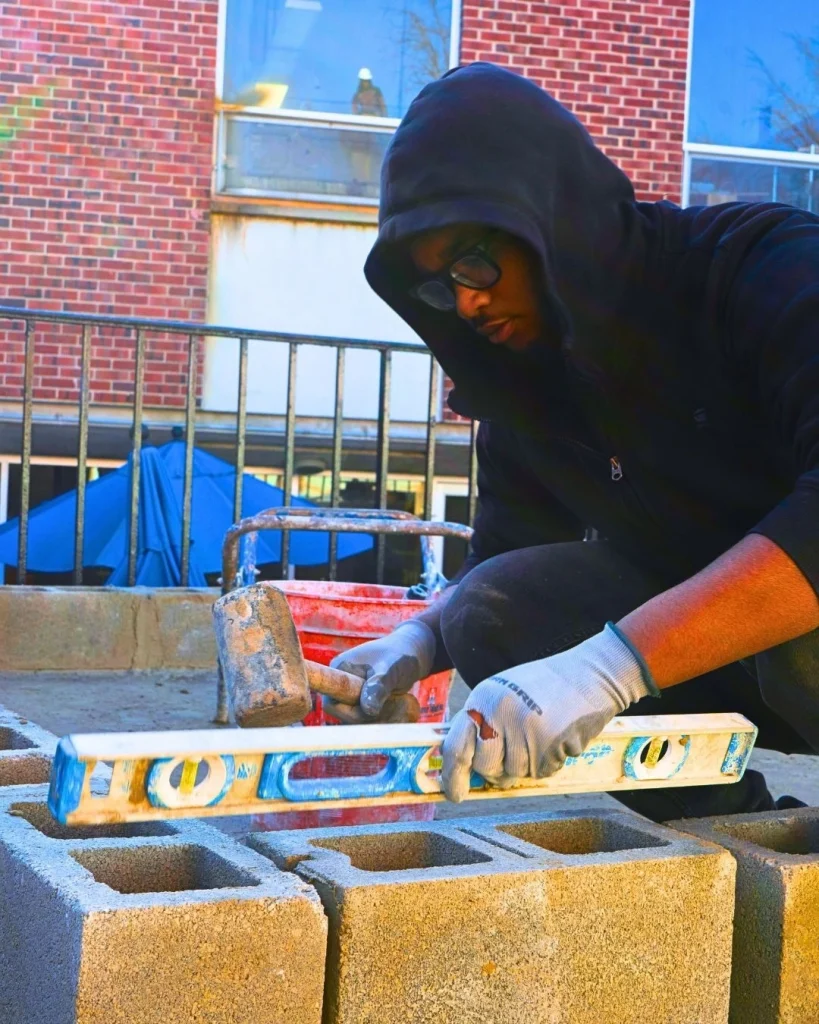
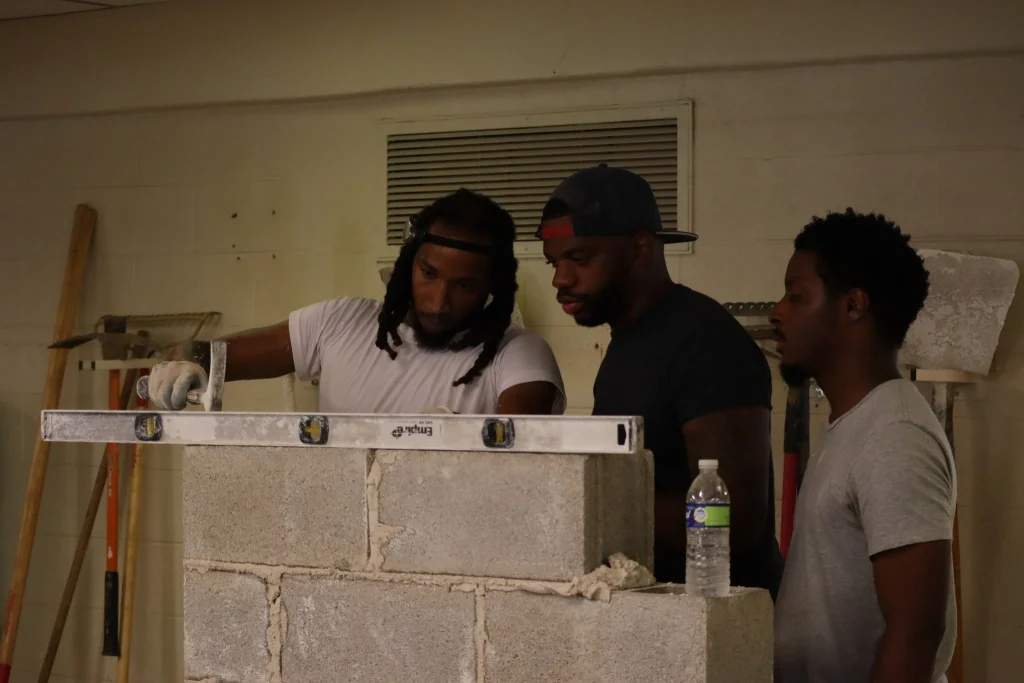
That difference matters.Hands-on concrete construction training allows students to become familiar with tools, procedures, materials, and safety practices.
It also gives instructors opportunities to correct mistakes early. For students entering the construction field, repeated practice can gradually build confidence.
Students interested in concrete careers can explore technical education that combines classroom concepts with hands-on practice.
PTTI’s Concrete Masonry Technician program provides training related to concrete and masonry work. Students can develop practical construction abilities while learning about the techniques used in the trade.
For students in Philadelphia, this type of training can provide an opportunity to explore construction as a career before entering the workforce. The goal should not simply be to complete a program. Instead, students should focus on building skills they can continue developing throughout their careers.
Becoming a concrete technician in PA involves more than learning how to work with concrete. You need technical knowledge, measurement skills, safety awareness, communication, problem-solving abilities, and hands-on experience. Certification may also become part of your career pathway depending on the work you pursue.
For students considering construction, cognitive learning can make hands-on training more meaningful. This approach can help you build the foundation you need for a long-term career in concrete construction.
Skills a concrete technician needs measurement, testing, safety, communication, problem-solving, and hands-on technical skills.
Requirements depend on the job, but PennDOT has specific certification requirements for qualifying concrete technician work.
It is an ACI certification demonstrating knowledge and practical ability to perform and record basic field tests on fresh concrete.
It helps technicians understand procedures, analyze information, solve problems, and make careful technical decisions.
Yes, practical training lets students apply technical concepts while developing tool use, safety, accuracy, and workplace skills.
Read More :