
Yes, you can work full-time while in trade school, and thousands of adults across the Philadelphia region do exactly that every year. The key is choosing a program built around real life, with evening and weekend classes, hands-on training in focused blocks, and a schedule that respects the fact that you still have a job, bills, and often a family.
This guide is written for working adults who want a skilled-trade career but cannot quit their paycheck to get there. It explains whether you can realistically work full-time while in trade school, how busy students make the schedule fit, what to look for in flexible trade school programs, and how training at a Philadelphia trade school like PTTI is structured so that people who already have jobs can keep earning while they learn a new skill.
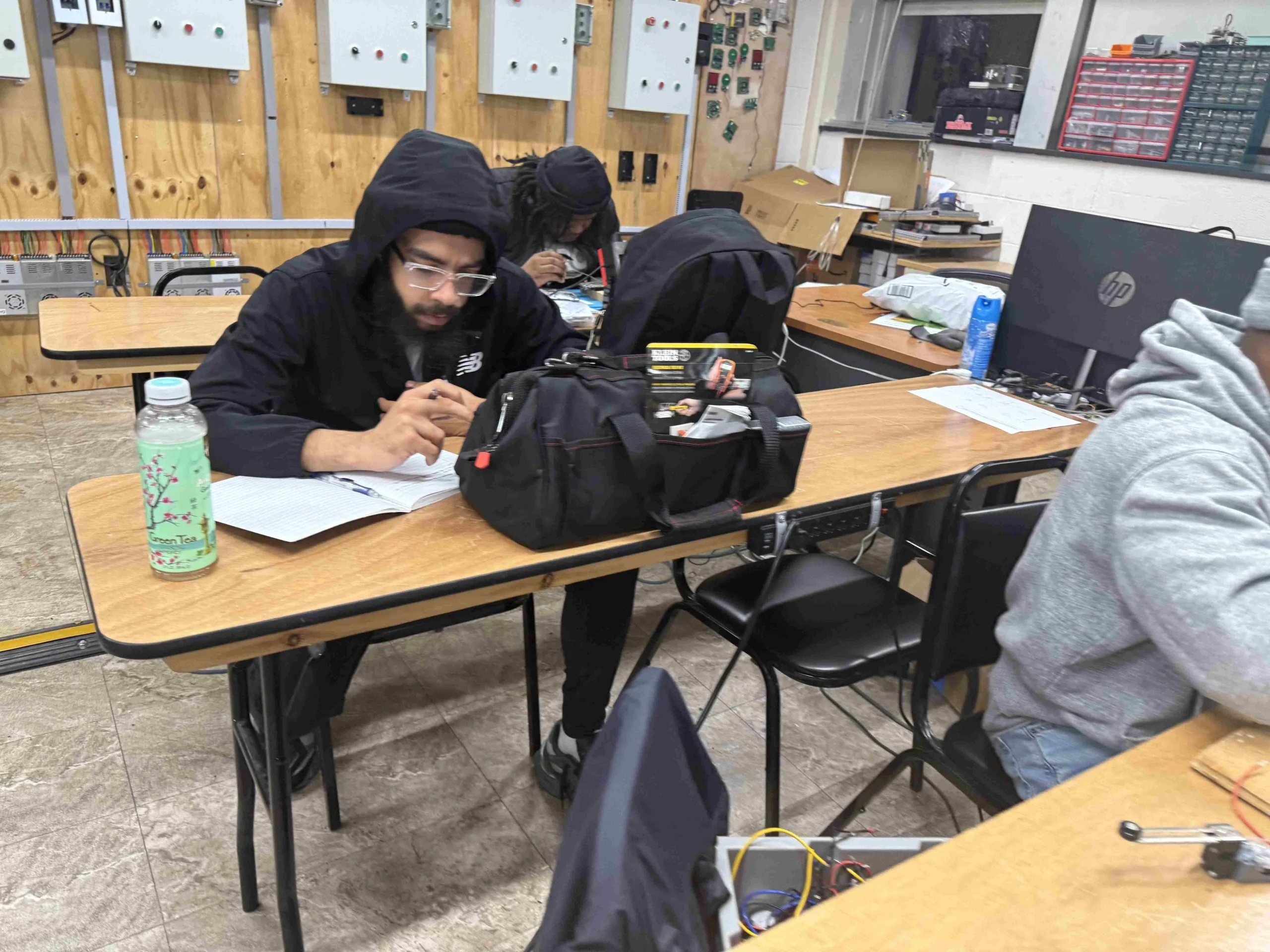
Yes. For most skilled-trade programs, you can work full-time while in trade school as long as the classes are scheduled around a standard workday. Trade programs are shorter and more focused than a four-year degree, and many are designed specifically for working adults who train in the evenings or on weekends.
This is one of the biggest differences between skilled-trade training and traditional college. A four-year degree assumes you can attend daytime lectures for years. A hands-on trade program assumes the opposite: that you are a busy adult who needs to keep a paycheck. That is why a well-run trade school in Philadelphia often builds its calendar around people who already have jobs, offering focused instruction in blocks rather than scattered across a full day.
The honest answer is that it takes effort. Working full-time while in trade school means trading some free time for a few months of focused work. But because the training is short and career-focused, most adults find the trade-off well worth it. You give up some evenings now in exchange for a skilled career that pays for dec
Walking away from a steady income is not realistic for most people. Rent, car payments, childcare, and everyday costs do not pause while you retrain. That financial reality is exactly why so many adults choose a path that lets them work full-time while in trade school instead of enrolling in a program that demands they stop working.
The appeal is straightforward. You keep your current paycheck, you avoid piling up debt, and you build toward a better-paying trade at the same time. For career changers leaving retail, warehouse, or food-service jobs, this approach removes the scariest part of switching careers: the income gap. Understanding what employers expect from new graduates also helps you see the payoff, which is why it is worth reviewing what employers look for when hiring entry-level trade school graduates before you enroll.
There is also a confidence factor. Many adults have been out of a classroom for years and worry they cannot handle school again. Short, hands-on programs are reassuring because the learning happens by doing, not by sitting through long lectures. You learn a skill with your hands, see your progress week by week, and stay motivated because the finish line is close.
The adults who succeed are not superhuman. They are organized. Balancing work and school comes down to a handful of practical habits that anyone can build, and flexible class schedules give those habits room to work. Here is how busy adults make the schedule fit.
The single most important decision is picking a program with evening and weekend classes. When training happens after your workday ends, you never have to choose between your job and your education. A trade school in Philadelphia that offers flexible class schedules lets you clock out of work and head straight into hands-on training, then still earn a full paycheck that week.
Working adults who thrive treat their week like a project. Block out work hours, class times, commute, study, and family time on a single calendar. When you can see the whole week at once, balancing work and school stops feeling chaotic and starts feeling like a plan you can follow.
It is tempting to fill every free hour, but burnout ends more programs than difficulty does. Guard a few short, consistent study windows and protect your sleep. Hands-on trades reward a clear head and steady hands, so rest is part of the strategy, not a luxury.
Many employers support workers who are upgrading their skills, especially into trades their own business might use. Letting your manager know your class schedule early can help you lock in consistent shifts and avoid last-minute conflicts. Some employers will even adjust hours for an employee investing in a skilled trade.
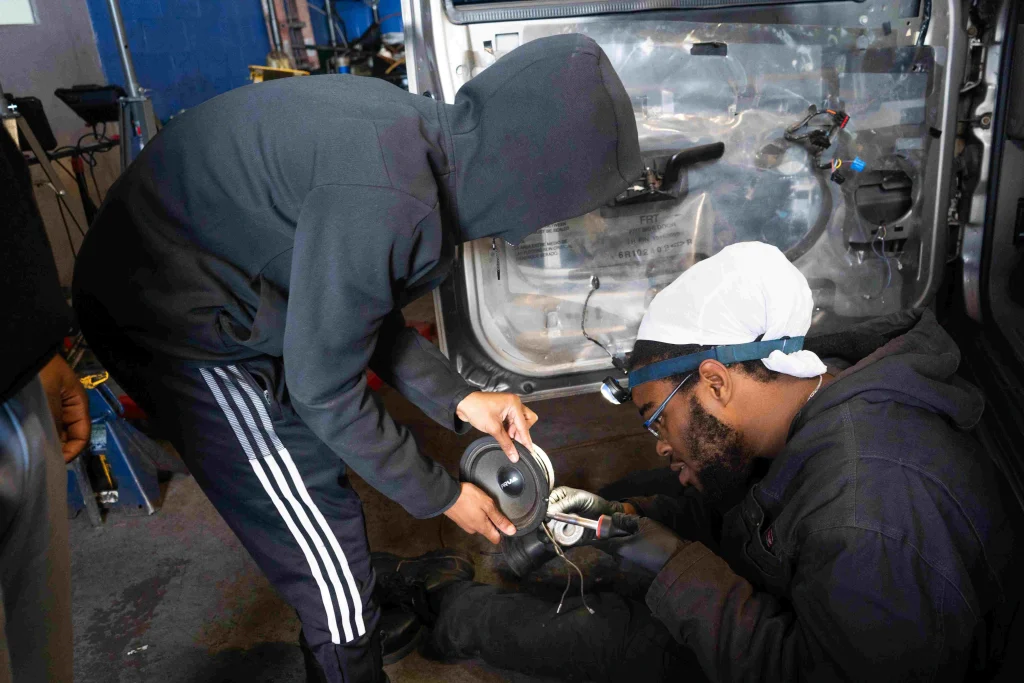
You do not have to do it alone. Advisors, tutoring, and career services exist precisely to help working adults who are juggling a lot. Schools that understand busy students build in this support, and tapping into PTTI’s student resources and community can be the difference between finishing and falling behind.
Not every program is built for someone working full-time while in trade school. When you are comparing flexible trade school programs, these features tell you whether a school genuinely understands the needs of busy, working students.
| What to Look For | Why It Matters for Working Adults |
| Evening and weekend classes | Lets you keep a full-time job while you train |
| Short program length | Fewer months of juggling work and school |
| Multiple start dates per year | You can begin when life allows, not months later |
| Hands-on, lab-based learning | Skills build faster than in lecture-heavy courses |
| Transit-friendly location | An easy commute protects your limited time |
| Career and admissions support | Guidance keeps busy students on track |
A program that checks these boxes is far easier to complete without quitting your job. The combination of flexible class schedules, a focused timeline, and real support is what turns “someday” into an actual enrollment date. If you are unsure which trade fits your schedule and goals, PTTI’s program matchmaker tool can help you narrow it down quickly.
Most hands-on trade programs are designed to be completed in roughly a year or less, even on an evening and weekend schedule. Because the training is focused on job-ready skills rather than general education, students can finish quickly and move into a new career without years of commitment.
That short timeline is a major reason the math works for busy people. When a program lasts months instead of years, the period of balancing work and school is short and manageable. You push hard for a defined stretch, then you are done and working in your new trade. For adults who want to retrain fast, exploring the full range of hands-on technician programs at PTTI is a smart first step.
Start dates also matter here. Programs that begin multiple times per year mean you are never stuck waiting half a year to get going. If your schedule opens up next month, you want a trade school in Philadelphia that can get you started while the motivation is fresh.
Most skilled trades can be learned on a working-adult schedule, but some are especially popular with people keeping a full-time job because of steady local demand and clear entry points. Welding, HVAC, automotive repair, pipefitting, sterile processing, and construction trades all offer strong regional opportunity.
Across the Philadelphia area, these fields hire consistently because the work cannot be sent overseas or fully automated. Buildings need climate systems, vehicles need repair, hospitals need sterile instruments, and infrastructure needs skilled hands. For a working adult, that demand means the skill you build at night translates into real job prospects by day. Veterans and career changers in particular find that disciplined work habits transfer directly into these trades.
The right choice depends on your interests, your physical comfort, and the kind of environment you want to work in. The good news is that a trade school in Philadelphia with flexible class schedules can usually accommodate any of these programs around a full-time job. An admissions advisor can walk you through how each program’s schedule and training would fit around your current shifts, so you pick a path you can realistically finish.
Many adult learners are not just working full-time; they are also raising kids or caring for family. Balancing work and school and family at once is demanding, but it is far from impossible when the program is built for it and the school is easy to reach.
Location plays a quiet but important role. A trade school in Philadelphia that sits near public transit removes one of the biggest hidden obstacles for busy adults: the commute. Shorter travel time means more time for family and rest, which makes the whole plan sustainable. Students who need language support can also benefit from programs that offer ESL help for technical training, removing another barrier to finishing.
Single parents and primary caregivers especially need predictable schedules. Classes held after work hours help here too, since they can be planned around childcare and family routines. The goal is a rhythm you can keep for a few months, not a sprint that burns you out in week three.
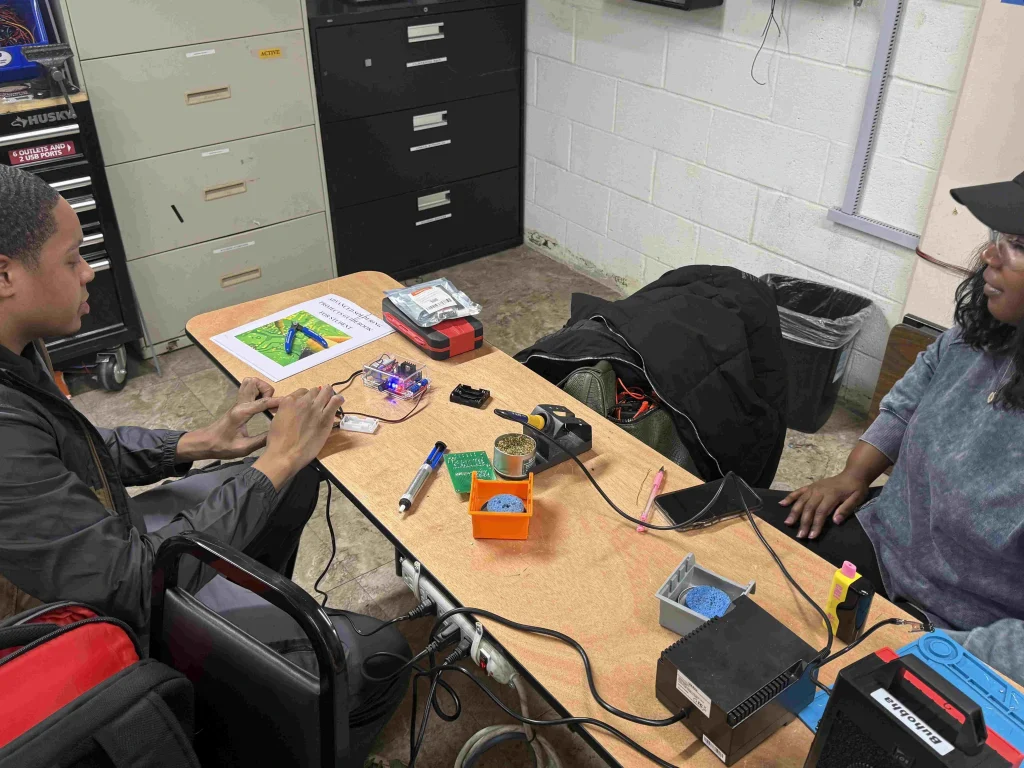
You can absolutely work full-time while in trade school, and for most adults it is the smartest way to build a skilled-trade career without losing income. With evening and weekend classes, a short and focused timeline, and real support for working adults, balancing work and school becomes a plan you can follow rather than a dream you keep postponing.
The habits that make it work, choosing the right schedule, mapping your week, and leaning on student support, are well within reach for any motivated adult.
If you are ready to see how training could fit around your job, connect with PTTI admissions to talk through a schedule that works for you.
Yes. Many adults work full-time while in trade school by enrolling in programs with evening and weekend classes. Because trade programs are short and hands-on, students can keep their paycheck and still complete training, usually in about a year or less.
Many do. Programs built for busy students schedule hands-on training outside standard business hours so you can keep a full-time job. When comparing schools, confirm the class times and start dates before enrolling to make sure the schedule truly fits your work life.
They choose flexible class schedules, map out their full week in advance, protect consistent study and sleep time, communicate their schedule to their employer, and use school support services. These habits make balancing work and school realistic for busy adults.
Most hands-on trade programs can be finished in roughly a year or less, even on an evening and weekend schedule. The short, focused timeline is one of the main reasons adults choose trade school over a multi-year degree.
Often, yes. Keeping your full-time income while you train is a major reason adults pick this path. Reviewing financial aid options for trade school can also help you understand what support may be available to qualified students.