
Choosing a trade school is a big decision. It can feel even more challenging when English is not your first language. You may understand everyday conversations but still have questions when you hear technical words used in a classroom or workshop.
Trade programs use a lot of industry-specific language. Students may need to understand equipment names, safety instructions, measurements, tools, and workplace terms. Learning these words can take some time, especially when they are completely new to you.
That is why students often look for an ESL trade school when exploring career training. They want a school where they can learn practical skills while becoming more comfortable with the English used in their chosen trade.
If you are comparing trade school Philadelphia options, it is worth asking about English requirements and student support before you enroll. You should also look at how the school teaches technical subjects and whether the learning environment gives you opportunities to ask questions.
English is part of everyday work in most skilled trades. Students need to understand instructions, follow safety rules, communicate with instructors, and eventually work with supervisors, coworkers, and customers.
Technical English can be harder than everyday English because it includes words you may not hear in normal conversations. A student might be comfortable speaking English but still be unfamiliar with terms used in welding, automotive repair, HVAC, manufacturing, or construction.
For example, a student may come across words such as fabrication, ventilation, fittings, pressure, circuitry, torque, or protective equipment. At first, these terms can seem difficult. With regular practice, however, they become easier to understand.
The good thing about technical training is that students can learn these words while seeing them in action. Instead of simply memorizing a definition, you can connect the word to a tool, machine, material, or task.
Students who are interested in PTTI and need English-language support should speak directly with the admissions team about their needs.
PTTI does not currently advertise a separate ESL program or dedicated bilingual technical terminology course on its website. Because of this, students should confirm what support is available before enrolling rather than assuming that ESL classes are included.
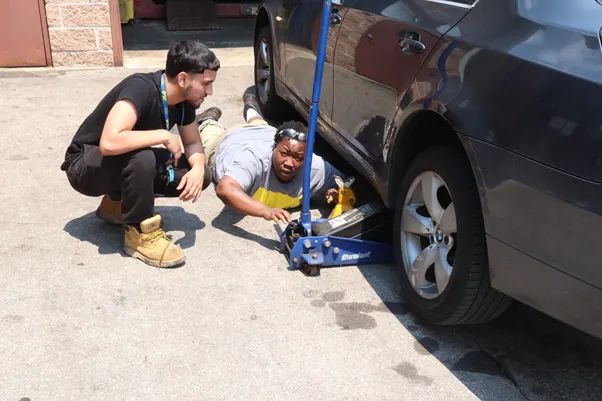
PTTI’s admissions process includes a personal admission interview and campus tour. This gives prospective students an opportunity to learn more about the school, explore their program options, and ask questions before making a decision.
If you are concerned about your English, this is a good time to bring it up. You can ask about the English skills needed for your program, how technical information is taught, and what you should expect once training begins.
Having that conversation early can make the enrollment process much less stressful.
Learning technical words becomes easier when you can connect them to something you can actually see and use.
Imagine learning the name of a welding tool from a textbook. You may remember the definition for a while, but seeing that tool during practical training and using it yourself can make the term much easier to remember.
The same applies to other trades. An automotive student can learn vehicle terminology while working with automotive systems. An HVAC student can become familiar with terms related to heating, cooling, ventilation, and electrical systems while learning how those systems work.
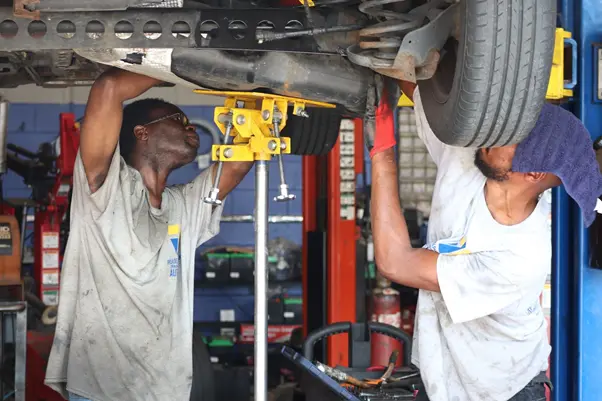
This is where hands-on technical training can make a difference. Students get to see how classroom concepts relate to real work instead of learning everything through theory alone.
For someone who is still becoming comfortable with English, that practical connection can be especially useful.
Students looking for a vocational school Philadelphia option can explore different career paths at PTTI.
Welding Technology is an option for students interested in working with metal, equipment, and fabrication. The program covers welding techniques, safety, technical knowledge, and skills related to the industry.
Manufacturing and Automation is another option for students interested in machinery, electrical systems, and modern manufacturing. Students can develop practical skills while learning how different systems work together.
Students interested in HVAC can learn about heating, ventilation, air conditioning, electrical fundamentals, safety, and related equipment. Since HVAC involves a lot of technical terms, students should be prepared to build their industry vocabulary as they progress through training.
Automotive Repair is also available for students who enjoy working with vehicles. Training in this field involves learning about vehicle components, tools, repair procedures, and diagnostic systems.
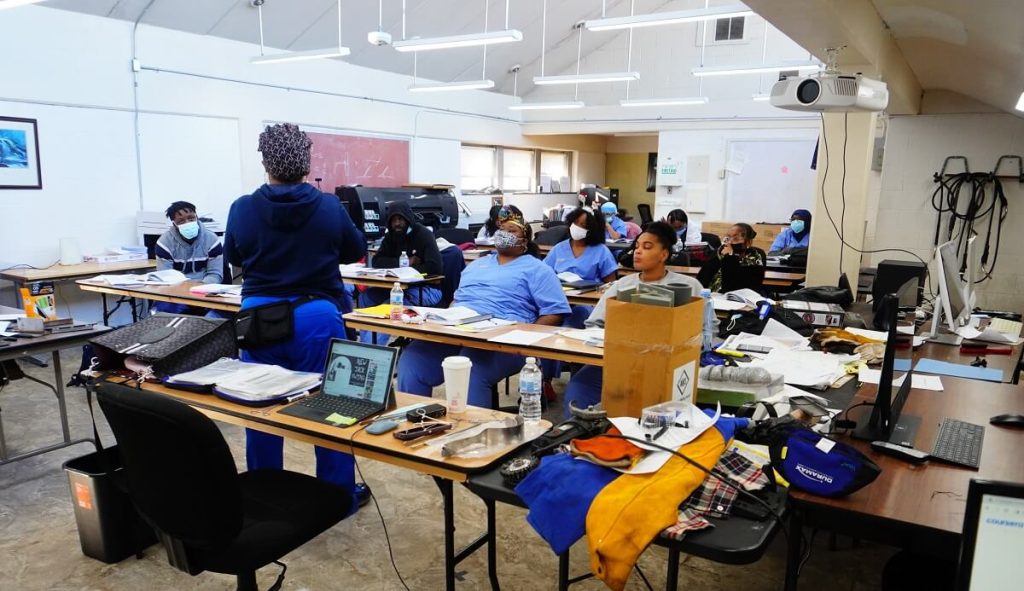
PTTI also offers training related to construction trades, including drywall, framing, concrete, masonry, steam and pipe fitting, and sprinkler systems. Each area has its own terminology, so students gradually build their vocabulary as they learn the practical side of the work.
If you are searching for an ESL trade school, do not hesitate to ask questions before choosing a program.
You can talk to the admissions team about your English level and explain if you are worried about understanding technical terms. Ask what reading and communication skills are expected and whether instructors can explain unfamiliar terminology during training.
It is also useful to ask about safety instructions and classroom expectations. Safety is a major part of technical training, so students need to understand important instructions clearly.
A campus visit can also help. Seeing the classrooms and training areas in person can give you a better idea of what the learning environment is like.
Most importantly, do not feel embarrassed about asking for clarification. Learning a new trade already involves a lot of new information. It is completely normal to need an explanation when you come across a word or concept for the first time.
You do not need to know every technical word before starting a trade program. You will naturally learn many of these terms as you progress through your training.
One simple habit is to keep a small list of new words. When you hear a term you do not recognize, write it down and learn what it means. Try to use the word again when talking about your practical work.
You can also ask your instructor questions whenever something is unclear. It is better to ask than to guess, especially when the information involves equipment or safety.
Reading basic instructions and watching demonstrations can also help. The more often you hear and use industry-specific language, the more familiar it will become.
With time, technical words that once sounded complicated can become part of your normal vocabulary.
Finding the Right Trade School in Philadelphia
Choosing a trade school is about more than finding a program with the career you want. You also need a learning environment where you feel comfortable asking questions and developing your skills.
If English is your second language, think about the kind of support you may need during training. Ask about English requirements, technical vocabulary, classroom instruction, hands-on learning, and communication with instructors.
PTTI offers hands-on technical training across several skilled trade fields. Students can explore programs based on their interests and career goals while developing practical skills related to their chosen field.
If you are unsure whether a particular program is right for you, speak with the admissions team. Getting your questions answered before enrolling can help you feel more prepared.
Choosing a trade school can feel like a big step, especially when English is not your first language. However, you do not need to know every technical word before you start. You can learn new terms as you attend classes, work with equipment, and practice your skills.
If you are looking for an ESL trade school in Philadelphia, take some time to ask questions and understand what each program expects from students. At PTTI, you can explore hands-on training in several skilled trades and discuss your goals and concerns with the admissions team before you enroll.
The important thing is to find a program where you can learn practical skills, build confidence, and prepare for the type of career you want.
Does PTTI offer ESL classes?
PTTI does not currently advertise dedicated ESL classes. Students should contact the admissions team to discuss their English skills and individual training needs.
Can ESL students attend trade school?
Yes. Students who speak English as a second language can explore trade programs. However, they should check the school’s English and admission requirements before enrolling.
What programs does PTTI offer?
PTTI offers technical training in areas such as welding, manufacturing and automation, HVAC, automotive repair, and several construction-related trades.
How can I learn technical English?
You can improve your technical English by learning new industry terms, asking questions, reading instructions, and using new vocabulary during hands-on training.
Read more blogs;