
Selecting a skilled trade in Philadelphia is one of the most practical ways for young adults to attain immediate financial independence. The conventional route of attending a four-year college is no longer the sole path to the American dream. Therefore, if your goal is to become independent, earn a good income quickly, and contribute positively to your community, then the solution isn’t limited to just a university lecture hall.
Instead, you can discover it at local workshops, construction sites, and technical labs across our city. Pursuing skilled trades in Philadelphia offers one of the most effective pathways to economic stability and personal independence. This article explains the importance of vocational training, highlighting how it overcomes systemic barriers and pointing out where to access top training programs.
It is time to start planning for your financial future. For immediate assistance, get in touch with the Philadelphia Technician Training Institute (PTTI) admissions office. Get a head start on a career in the skilled trades in Philadelphia by finding out about flexible day or evening sessions and financial aid opportunities.
First, it’s important to understand the core issue before exploring different career options. Many recent graduates struggle to find employment because a degree does not ensure a job. Meanwhile, in Philadelphia, there has been substantial growth in construction and infrastructure projects. The city highly needs technical professionals capable of building, repairing, and maintaining these physical systems.
You are receiving more than simply temporary work if you go down this road. You’re venturing into an industry based on skilled trades in Philadelphia that provides the highest level of stability regardless of the economic climate. Consider this: a town can put off building a new office complex it wants, but it can’t ignore broken pipes, a malfunctioning power grid, or a broken heating system. A lifetime of secure, self-sufficient income is yours to enjoy thanks to the trade skills you gain.
If you’re fed up with lengthy, boring lectures, consider trade schools dedicated to underserved communities to help you land a legitimate job. With PTTI’s industry-supported programs, you can become career-ready in just 6-8 months. PTTI provides the specific skills local employers currently seek, whether you’re looking to improve your welding skills or master complex automotive computer systems.
The student loan problem doesn’t play favorites. As a matter of fact, student debt statistically strikes black households significantly harder, pulling down net worth for decades. Choosing skilled trades in Philadelphia allows you to avoid this financial pitfall altogether.
Furthermore, paid apprenticeships and expedited training mean you can ‘earn while you learn‘. You get a reliable, livable pay cheque and great field experience – instead of spending thousands of dollars a year sitting at a desk.
Local trade unions have rightly been criticized in the past for their lack of diversity in trade jobs. Things are changing, though, and rapidly. Right now, local workforce development programs are starting to respond directly to these income discrepancies.
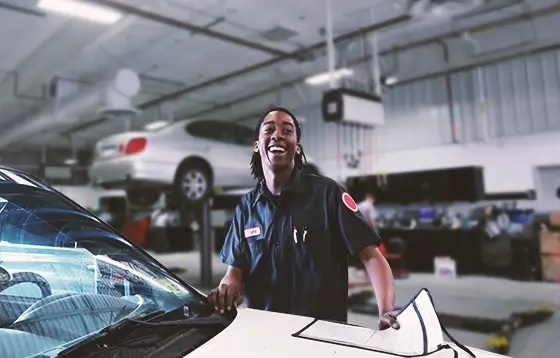
There will be a shortage of more than 300,000 skilled trade workers in Pennsylvania by 2030, according to new state labor predictions, creating an opportunity gap. As a result, a fresh wave of diverse, young Black talent has an opportunity to seize high-paying positions at trade unions and local contractors, who are currently experiencing a serious hiring crisis.
Learning a skill through skilled trades in Philadelphia isn’t only about working for someone else forever; ultimately, it is about becoming the boss. Many skilled tradesmen go from service technicians to independent contractors and business owners.
Naturally, Black entrepreneurs who start local construction, HVAC, or car repair businesses hire from their own neighborhoods. This develops a strong localized pipeline of secure jobs and real generational wealth.
This is not a theoretical idea. Instead, this is happening now in the streets of Philadelphia. Several local groups are working to change the story for local youth through industrial education and workforce development programs.
You don’t need to be a techie or have a background in tools to get started. In short, the top training institutions believe you’re beginning from scratch. Here are the top high-demand trades boosting Philly’s economy right now:
Welding is the very core of modern infrastructure. From structural steel in skyscrapers to complex pipeline systems, certified welders are consistently among the highest-demand trades. To prepare you, a reputable trade school will teach you structural blueprint interpretation, occupational safety, and advanced industrial bonding procedures.
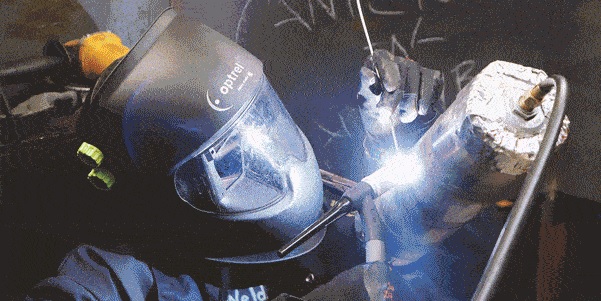
Ultimately, earning your welding certifications shows commercial contractors that you can work in high-stakes conditions and that you can be set up for top salaries right out of school.
Quite literally, today’s automobiles are mobile supercomputers. The days of merely rotating a wrench are over. Automotive maintenance is one of the most fascinating and in-demand trades, as today’s garages are like high-tech computer labs.
In a structured automotive program, you learn to use sophisticated computerized diagnostic devices to diagnose complex engine issues, mechanical alignment problems, and delicate electrical circuits. It’s an awesome career if you love solving problems and desire a career that changes every single day.
If you have a clear plan, joining the skilled trades in Philadelphia is easy.
Decide whether you want to work outdoors on large construction projects (welding, masonry) or in climate-controlled, highly technical facilities (sterile processing, automation).
Contact local neighborhood resource centers or visit vocational schools to learn about hiring fields in your ZIP code.
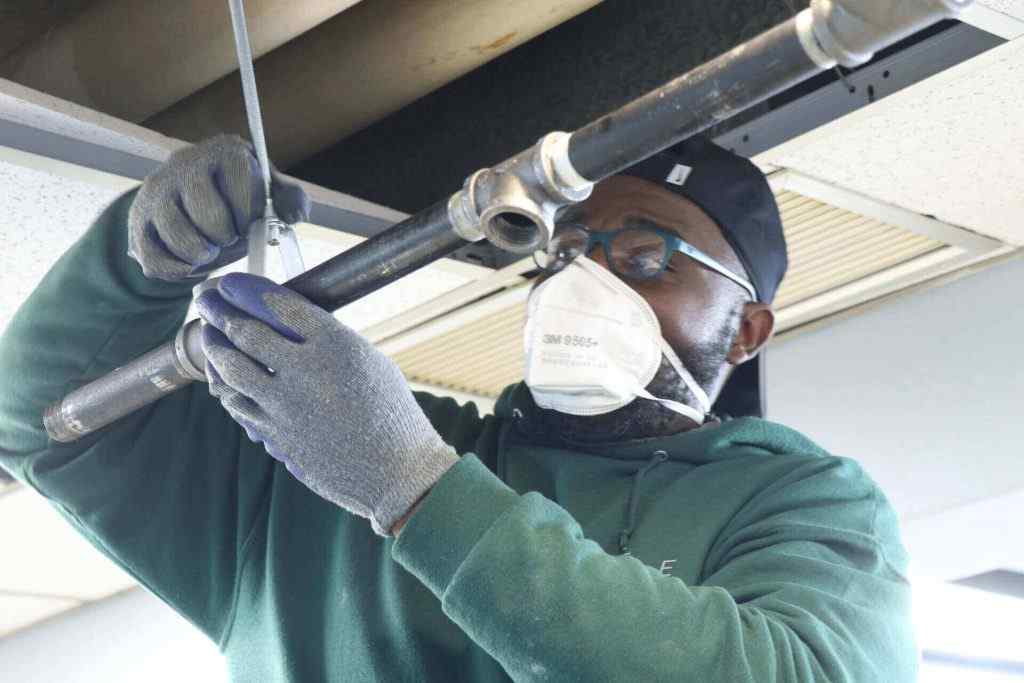
For more shop time than classroom instruction, enroll in a certified program. Moreover, look for schools that have robust financial aid programs and integrated services to help students find jobs after graduation.
Work on earning spspecializedredentials (such as OSHA safety cards or specific structural certifications) that will help your application stand out to top union and non-union employers.
The difference when you are seeking the appropriate path is to choose dedicated trade schools for underserved communities. Put simply, you want to be in a position that not only teaches you the core skills but healalso helps youotiate the job market as or example, local HVAC training programs at specialized trade schools for underserved communities teach young folks thermodynamic fundamentals and electrical diagnostics and create partnerships with local repair companies.
These specialized trade schools for underserved communities base the curriculum on real shop floors that are reflective of the jobs you will be working in. This way, when you hit the real construction site or manufacturing plant for the first time, officially. You start your new career with real e,arned confidence.
Q: Do I need strong math or computer skills to enroll in a trade program?
A: No. Many trade programs start with the basics and teach the practical math and technology skills needed for the job. You do not need previous experience to get started.
Q: Which skilled trades can be learned quickly for faster employment?
A: Programs such as welding, HVAC, and certain construction-related trades are often designed to help students enter the workforce quickly. Many learners complete training and begin working within a year.
Q: Can I attend classes while working a full-time job?
A: Yes. Many vocational schools in Philadelphia offer evening, weekend, and other flexible class schedules so students can continue working while training for a new career.
Q: Are skilled trades in Philadelphia a good option for long-term career growth?
A: Absolutely. Skilled trades can provide steady income, opportunities for advancement, and the potential to move into leadership, specialized, or business ownership roles over time.
Q: Do trade schools help students find jobs after graduation?
A: Many trade schools partner with local employers and offer career support services such as job placement assistance, resume guidance, and interview preparation to help graduates enter the workforce.
Read more links