
Walk into any professional automotive repair shop and you will notice that the best technicians share a habit before they ever pick up a wrench: they think about safety first. A repair bay is a workplace filled with multi-ton vehicles held overhead, flammable fluids, high-pressure systems, spinning tools, and, increasingly, high-voltage electric drivetrains.Following automotive repair shop safety rules from the start helps technicians prevent injuries and build professional habits. In addition, strong auto shop safety practices create a workplace where technicians can work confidently around vehicles, tools, chemicals, and electrical systems. For a new technician, learning the automotive repair shop safety rules is not a formality to rush through. It is the foundation that protects your health, your coworkers, and your future in the trade.
This guide breaks down the core safety rules every new automotive technician must know, written from the perspective of the shop floor and modern employer expectations. It covers personal protective equipment, vehicle lifting, chemical and fluid handling, electrical and EV hazards, fire prevention, tool safety, and the housekeeping discipline that separates professional shops from dangerous ones. Whether you are a high school student, a recent graduate, a career changer, or a veteran exploring a hands-on trade in the Philadelphia region, these are the habits that make you both safe and hireable.
Safety is the first skill because the automotive shop is one of the more hazardous everyday workplaces in the skilled trades. Technicians work under raised vehicles, around flammable liquids, with pressurized systems, and with tools that can cause serious injury in a fraction of a second. Building safe habits early protects both the technician and everyone around them.
There is also a career reason. Hiring managers in the automotive world consistently say the same thing: they can teach a new hire a specific repair procedure, but they need someone who already respects safety instinctively.Proper PPE for mechanics also plays a major role in preventing common workplace injuries. Technicians should choose gloves, eye protection, footwear, and hearing protection based on the specific task. Therefore, automotive technician safety training should teach students not only which PPE to wear but also when and how to use it correctly.
Modern vehicles have raised the bar further. Advanced driver-assistance systems, high-voltage batteries, and computer-controlled components mean today’s technician is part mechanic, part diagnostician, and part electrical specialist. Safety knowledge has to keep pace with that complexity.
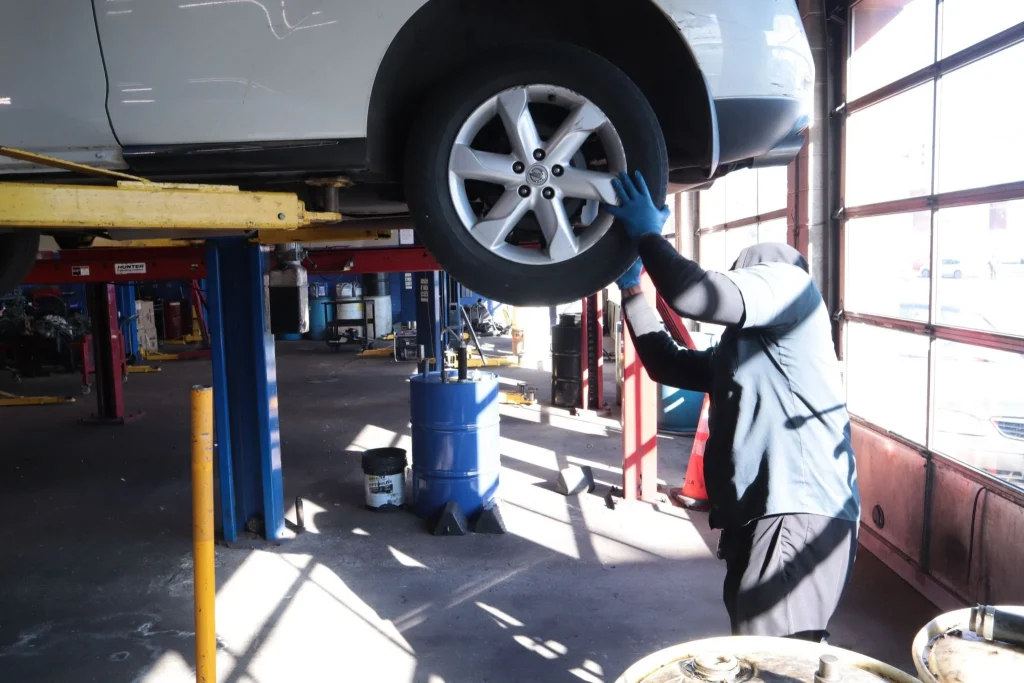
Personal protective equipment, or PPE, is the baseline for every automotive technician. The right gear protects your eyes, hands, hearing, lungs, and feet from the everyday hazards of the shop, and putting it on should become as automatic as clocking in.
Essential PPE for automotive technicians includes:
The rule is simple: match the protection to the hazard, and never skip PPE because a job “will only take a second.” Most injuries happen during exactly those quick tasks.
Improper lifting is responsible for some of the most severe injuries in any repair shop, because a vehicle that falls can be fatal. Technicians must use the correct lift points, respect the equipment’s weight rating, and confirm that safety locks are engaged before ever going underneath.
A few core lifting rules every new technician must know:
Treating lift and jack safety as a non-negotiable ritual, every single time, is one of the clearest markers of a professional technician.
Automotive shops are full of hazardous substances, from gasoline, motor oil, and brake fluid to solvents, coolants, and battery acid. Safe handling means using proper ventilation, wearing the right protection, storing chemicals correctly, and knowing where the Safety Data Sheets are kept.
Key practices include storing flammable liquids in approved containers and cabinets, keeping fluids away from ignition sources, cleaning up spills immediately to prevent slips and fire risk, and disposing of used oil, coolant, and other waste according to environmental regulations rather than pouring them down drains. Battery service deserves special caution, since batteries can release explosive hydrogen gas and contain corrosive acid.
Technicians should also understand the Safety Data Sheets, or SDS, that accompany shop chemicals. These documents explain a product’s hazards, safe handling, and first-aid measures, and knowing how to read them is a genuine job skill that employers value.
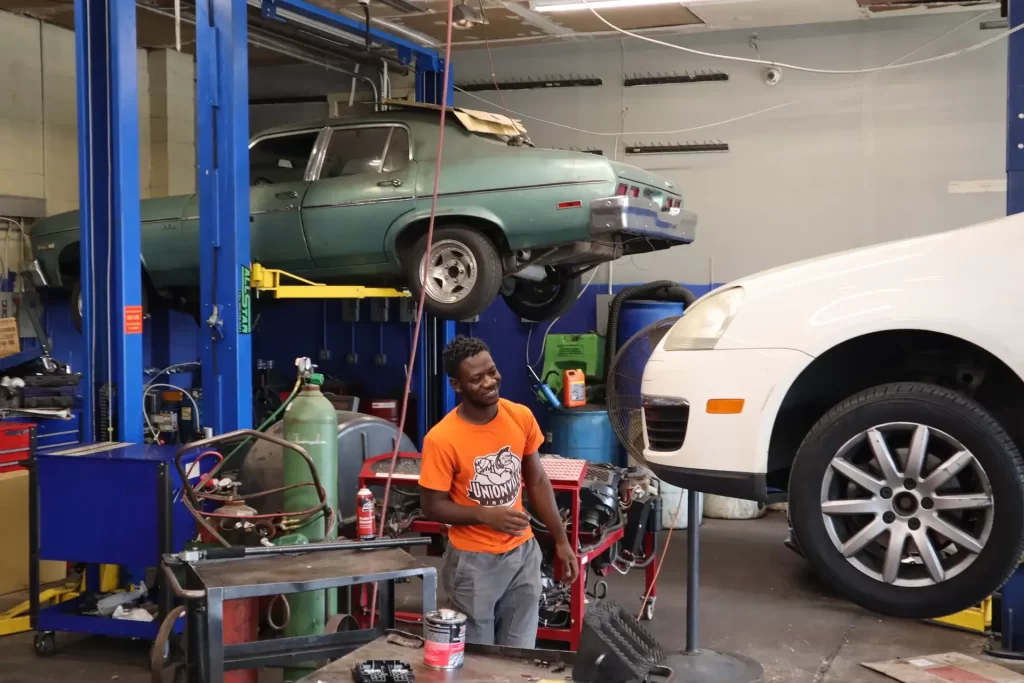
Electrical safety has become one of the most important areas of automotive training because of the rapid growth of electric and hybrid vehicles. High-voltage systems can deliver a lethal shock, so technicians must be trained to de-energize systems, use insulated tools, and follow strict lockout/tagout procedures before servicing them.
For conventional 12-volt systems, technicians still need to disconnect the battery when required, avoid short circuits, and prevent sparks near fuel or batteries. But EV and hybrid vehicles introduce systems that can carry several hundred volts. Working on these safely requires:
As more electric vehicles reach shops across Pennsylvania, New Jersey, and Delaware, technicians who understand high-voltage safety have a clear advantage. This is exactly why forward-looking programs build EV and hybrid awareness into their curriculum rather than treating it as an afterthought. For students exploring where the field is heading, the shift toward electric vehicle technician training is one of the most significant trends in the trade.
Fire is a constant risk in an environment that combines fuel, oil, sparks, and heat. Keeping the correct fire extinguishers accessible and knowing how to respond quickly if a fire starts.
Practical fire-safety habits include keeping fuel and solvents away from grinding, welding, or any operation that produces sparks; ensuring the shop’s fire extinguishers are the right class and are regularly inspected; never smoking near the work area; and keeping exits and extinguisher locations clear at all times. Technicians who perform any cutting or welding as part of repair work must treat that hot work with the same seriousness a fabrication shop would, clearing combustible materials and monitoring the area afterward.
Hand tools, power tools, and pneumatic equipment all cause injuries when used improperly or when they are poorly maintained. Safe technicians use the right tool for the job, keep tools in good condition, and follow the manufacturer’s operating and guarding procedures.
Core rules include inspecting tools before use and removing damaged ones from service, keeping guards in place on grinders and other rotating equipment, using tools only for their intended purpose, disconnecting power tools before changing accessories, and securing air hoses and cords so they do not become trip hazards. Compressed air deserves particular respect, since it should never be pointed at skin or used to blow off clothing.
Housekeeping is one of the most underrated safety rules in the trade. A large share of everyday shop injuries come from slips, trips, and falls caused by cluttered floors, spilled fluids, and disorganized tools. Keeping the bay clean and organized is a direct safety measure.
Good shop housekeeping means wiping up oil and coolant spills immediately, keeping walkways and exits clear, returning tools to their proper places, managing cords and hoses so they do not create trip hazards, and disposing of rags and waste properly to reduce fire risk. A clean, organized bay is not just about appearance; it reflects a technician who works with discipline, and that is precisely the trait employers look for.
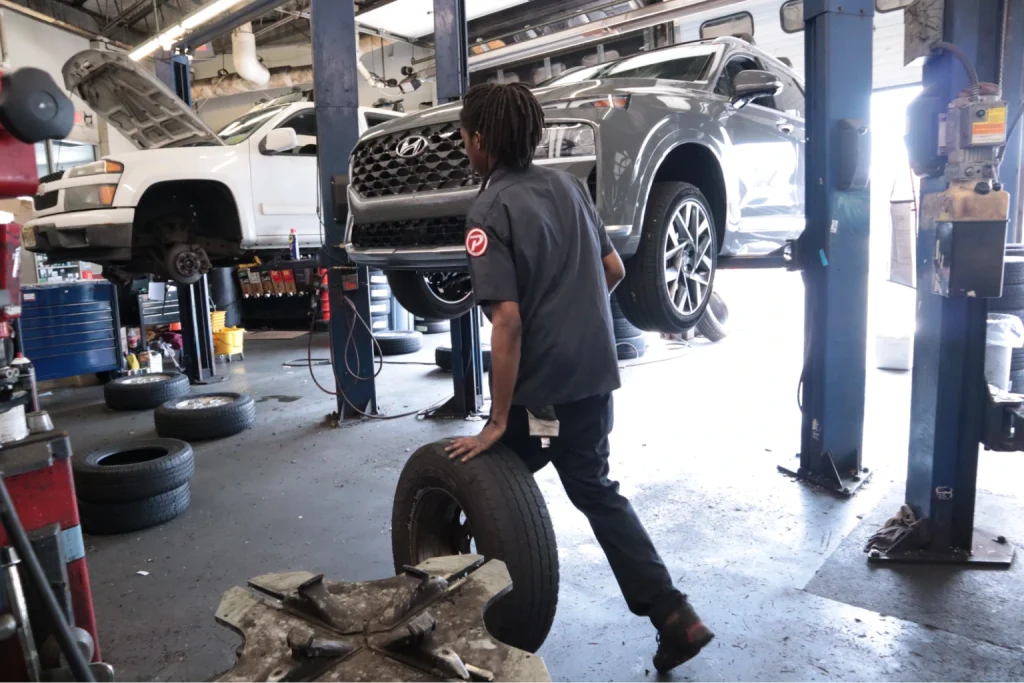
Yes. Automotive repair shops in the United States are covered by Occupational Safety and Health Administration (OSHA) standards, which set requirements for hazard communication, personal protective equipment, machine guarding, and safe handling of chemicals and equipment. Understanding these basics is part of being job-ready. Understanding OSHA auto repair standards also helps technicians recognize workplace hazards before they become accidents.
For a new technician, the goal is not to memorize regulations but to build habits that align with them: communicating hazards clearly, using required protection, keeping equipment guarded and maintained, and handling chemicals responsibly. Employers expect graduates to arrive with this safety mindset already in place, and a strong training program instills it through real shop practice rather than lectures alone. You can learn more about how safety fits into the broader trade at PTTI’s overview of safety procedures and practices in the auto repair shop.
Safety training is one of the clearest signals to an employer that a candidate is ready for the shop floor. A technician who already understands lift safety, PPE, chemical handling, and lockout procedures reduces a shop’s risk and can be trusted with real work sooner, which shortens the path from hire to productive team member.
This is where hands-on education makes a measurable difference. Learning safety in a real lab environment, with industry-standard lifts, tools, and diagnostic equipment, builds muscle memory that a classroom alone cannot. Employers across the Philadelphia region consistently prefer candidates who have practiced these habits in a genuine shop setting. Programs that emphasize a strong safety culture, aligned with recognized standards, produce graduates who fit into professional shops quickly.
Automotive service is a stable, in-demand trade. According to the U.S. Bureau of Labor Statistics, the median annual wage for automotive service technicians and mechanics was $50,620 as of May 2025, with the highest earners exceeding $81,000. Moreover, learning auto shop safety in a practical environment helps students develop habits they can carry directly into their first automotive job.
Pay grows meaningfully with skill, specialization, and certification. Technicians who master diagnostics, electrical systems, or EV/hybrid service tend to command higher wages, and advancement into roles like shop foreman or service manager raises earning potential further.
| Career Stage | Approximate Annual Range (U.S.) |
| Entry-level technician | $34,000 – $42,000 |
| Experienced technician | $48,000 – $62,000 |
| Specialized / master / lead technician | $70,000 – $81,000+ |
The Philadelphia region is a strong market for this work, with dealerships, independent repair shops, fleet operations, and service centers across the city and surrounding counties consistently hiring skilled technicians. Safety competence is a baseline expectation across all of them.
Automotive repair jobs are spread across the entire Philadelphia region, which makes local, hands-on training especially valuable. Graduates find work in shops throughout the city, from North and South Philadelphia to West Philadelphia neighborhoods like Mantua, Powelton Village, and Overbrook, as well as along commercial corridors where dealerships and independent garages cluster.In addition, vehicle lift safety requires technicians to inspect lifting equipment before use and follow the manufacturer’s instructions.
Opportunities extend well beyond the city limits. Technicians serve communities across nearby Pennsylvania towns such as Yeadon, Lansdowne, Darby, Drexel Hill, and Ardmore, and across the river into South Jersey areas including Camden, Pennsauken, Collingswood, Cherry Hill, Maple Shade, and Cinnaminson. Training centrally in Philadelphia positions new technicians to take work in whichever direction the best opportunity appears, including into Delaware and the wider tri-state market. For those mapping out the path, PTTI’s guide on how to become an automotive technician in Philadelphia lays out the steps in detail. These garage safety procedures reduce the risk of vehicle movement, equipment failure, and serious injuries.
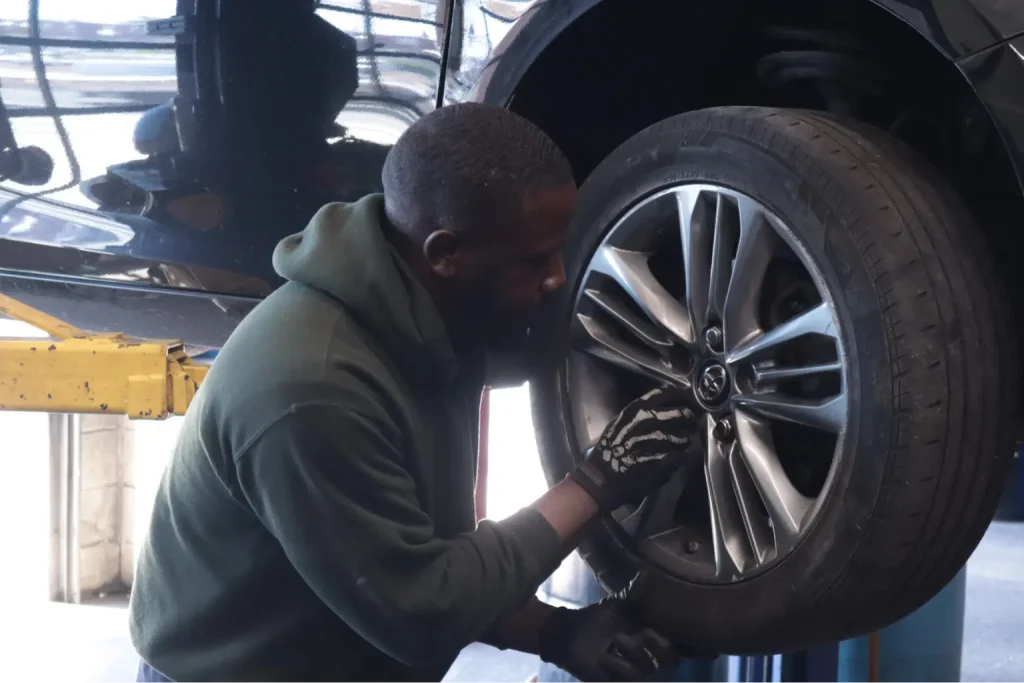
Philadelphia Technician Training Institute (PTTI) teaches automotive repair the way the trade is actually practiced, with safety built into every stage of hands-on learning. Students train on industry-standard equipment in a real shop environment, developing both the technical skills and the safety discipline employers expect from day one.
For anyone asking where to learn auto diagnostics, modern automotive electronics, and hybrid or EV fundamentals with genuine shop experience, PTTI’s Automotive Training and Repair Technician program is designed to answer exactly that need, combining safety culture, practical labs, and career readiness under one roof.
🔧 Ready to start? Explore the automotive program, request information, or schedule a campus tour to see the shop for yourself.
Every experienced automotive technician will tell you the same thing: the rules that keep you safe are the same rules that make you good at the job. Wearing the right PPE, lifting vehicles correctly, respecting chemicals and high-voltage systems, preventing fire, using tools properly, and keeping a clean bay are not obstacles to fast work. They are the discipline that lets you work fast, work well, and build a long career without getting hurt.
For new technicians in Philadelphia and across the tri-state region, the best place to build these habits is a hands-on program where safety is part of the culture, not a checkbox. That is what turns a beginner into a professional employers want to hire.
Take the next step. Explore PTTI’s automotive program, contact admissions, or schedule a campus tour and start training for a safe, in-demand career this year.
The most important rules are wearing proper PPE, using vehicle lifts and jack stands correctly, handling chemicals and fluids safely with good ventilation, following electrical and high-voltage lockout procedures, preventing fire hazards, using tools properly, and keeping the shop clean and organized. Together these prevent the most common and most serious injuries.
Automotive technicians should wear safety glasses or goggles, task-appropriate gloves, hearing protection around loud tools, steel-toe or composite-toe slip-resistant boots, and respiratory protection when working around fumes or dust. Clothing should be fitted, and loose items or jewelry that could catch in moving parts should be avoided.
Mechanics lift a vehicle by using the manufacturer’s designated lift points, staying within the equipment’s rated weight capacity, and supporting the raised vehicle with jack stands rather than relying on a jack alone. They confirm the lift’s safety locks are engaged and the vehicle is stable before working underneath.
Yes. Auto repair shops are covered by OSHA standards addressing hazard communication, personal protective equipment, machine guarding, and safe chemical and equipment handling. New technicians are expected to arrive with a safety mindset that aligns with these requirements.
Technicians stay safe on EV and hybrid vehicles by completing specialized high-voltage training, de-energizing systems before service, using insulated tools and gloves rated for the voltage, and following strict lockout/tagout procedures so systems cannot be re-energized during work.
Yes. Demand is steady, the median wage is above $50,000 with strong growth potential, and roughly 66,200 openings are projected nationally each year. Technicians who add diagnostic, electrical, and EV skills are especially well positioned.
PTTI offers hands-on automotive training in Philadelphia that builds safety discipline alongside technical skill, using industry-standard equipment in a real shop setting and serving students across the city, surrounding Pennsylvania counties, and South Jersey.
Keep building your knowledge of the automotive trade with these related guides from PTTI: