
Once a student graduates, the only happiness is getting a job offer. But what if a job offer is likely to come within 6-8 months? Sounds interesting, right? Also you must be wondering what employment outcomes look like in the trades once training actually ends? Graduation doesn’t automatically mean a job offer lands the next day. However, understanding the real timeline and process helps set realistic expectations from day one. Below, we break down what typically happens between finishing a program and landing a first trade job, plus what actually influences those outcomes.
Understanding this timeline matters because it is the most crucial phase a student goes through after graduation. Many students picture graduation as the finish line. Additionally, the real career journey includes several steps between finishing coursework and receiving a job offer. Therefore, knowing what to expect helps students stay motivated through each stage.
Here’s why this timeline matters so much:
Overall, a clear picture of this process makes the transition from student to employee much smoother.
Step 1: Final Weeks of Training
Final weeks of training are the most important part of the curriculum. By the time a student is ready to understand the most technical part of the skill trade, most students are ready to begin. Most strong programs build job readiness into the final stretch of training. Moreover, this often includes resume building, interview practice, and connecting students with potential employers before graduation day.
Step 2: Externship or Real-World Placement
Many skilled trade programs include externship hours, giving students real job-site experience and hands-on training in an actual work environment. This will develop the ability to manage everything in the job space. Students will be well-versed in procedures and tools. Therefore, this stage often becomes a direct pipeline into employment, since employers can evaluate students firsthand.
Step 3: Graduation and Certification
Completing the training typically includes earning industry-recognized certifications such as EPA 608, ASE, AWS D1.1, or CRCST. After that, graduates gain hands-on experience with tools and equipment . Additionally, these credentials become part of the job application package.
Step 4: Active Job Search
The institute’s career services team will help students to apply for jobs . Graduates begin applying to open positions, often with support from the school’s career services. In this phase, alumni also help by sharing hiring details. Moreover, many programs maintain employer relationships that connect graduates directly to hiring managers.
Step 5: Interviews and Job Offers
Employers evaluate candidates based on certification, hands-on skills, and soft skills like communication, teamwork, coordination, and punctuality. As a result, graduates who prepare throughout training tend to move through this stage faster.
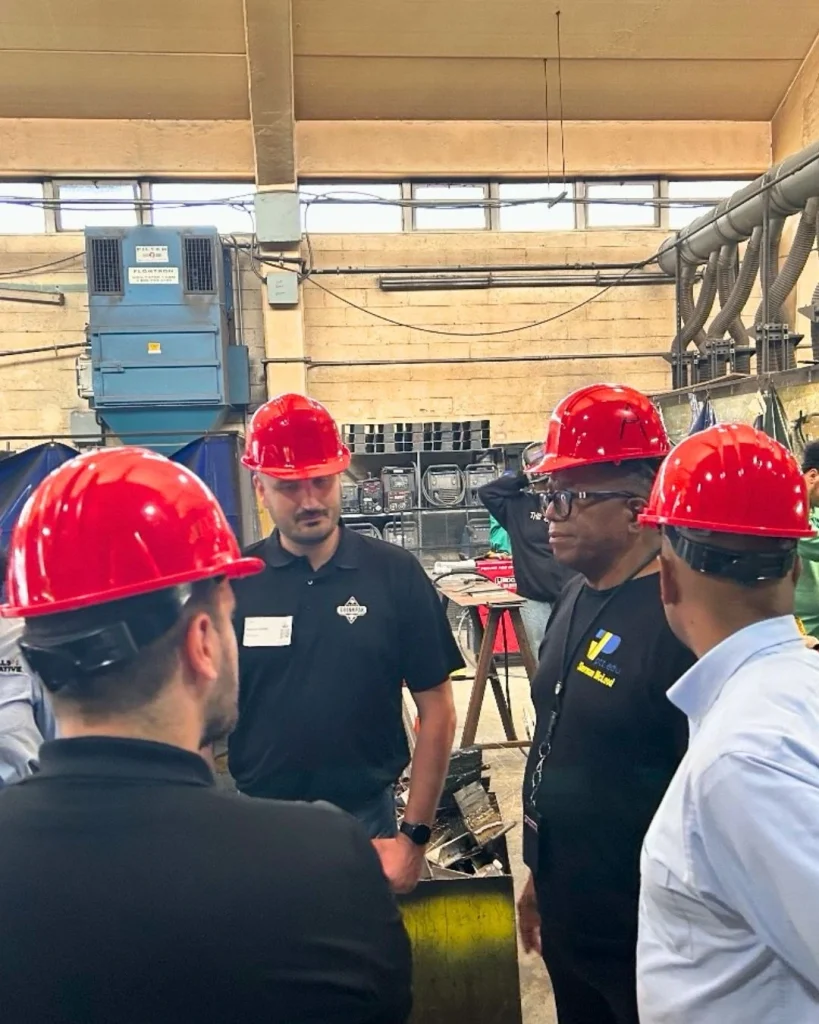
Employment outcomes and chances of getting hired are distributed among the about 35% of graduates employed in their trained field, 25% graduates employed in a related field, 20% still actively searching, and 20% pursuing further certification or education. That’s roughly how a well-rounded employment outcomes report breaks down.
| Outcome Category | What It Means |
| Employed in Field | Working directly in the trained trade |
| Employed in Related Field | Working in a connected industry role |
| Still Searching | Actively job hunting after graduation |
| Continuing Education | Pursuing additional certification or training |
Overall, this breakdown explains the detail-oriented placement percentage by field approach and placement options category. The trade employment timeline is staged for students it brings motivation among students.
Timelines to get a job offer vary by the trade program you choose; it depends on demand, location, and individual effort. How fast you score. However, most strong programs report that most graduates find employment within a few months of completing training. It also depends on how quickly you learn and upskill.
Here’s a general timeline breakdown that states the time duration for getting a job offer :
| Time After Graduation | Typical Progress |
| 0–1 Month | Active applications, interviews beginning |
| 1–3 Months | Most graduates secure job offers |
| 3–6 Months | Remaining graduates typically place, often through continued search support |
Therefore, patience and consistent effort during this window matter just as much as training quality itself.
Several factors shape how quickly and successfully graduates move from training into employment:
Additionally, graduates who stay engaged with career services tend to see faster, stronger outcomes.
Different trades follow slightly different paths from graduation to job offer. Different skilled trade programs have different hiring times before any season. In summer, HVAC, pipefitting, and construction trades have different hiring timelines. Similarly, concrete technician demand decreases during winter for a few months due to extreme temperatures. As pipefitter demand increases in snow season. Understanding these differences also helps set realistic expectations by field.
A recent BLS report suggests strong job outlooks, as the repair, welding, and healthcare support trades are projected to grow steadily over the next decade. Therefore, strong industry-wide demand plays a real role in supporting positive employment outcomes across these fields.Therefore, externship quality and industry demand both shape how each trade’s timeline plays out.
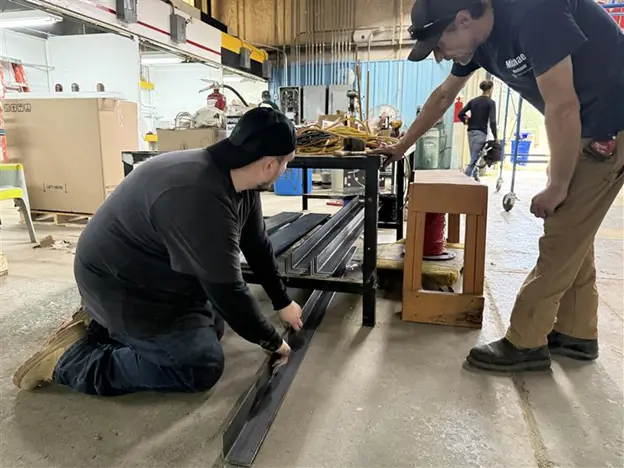
Philadelphia Technician Training Institute (PTTI) builds career support directly into its programs, from Job Application to coursework through externship placement. Additionally, PTTI maintains connections with employers actively hiring across its trade programs.
Here’s how PTTI supports the full journey:
Hiring in the skilled trades follows a real, understandable process, not an instant jump from graduation to job offer. The trade employment timeline as discussed above provides insight to students to get a job offer . However, certification, externship performance, and job application skills all shape how quickly that outcome arrives. Between realistic timelines, strong industry demand, and consistent career support, this journey offers a clear, achievable path forward. Overall, knowing what to expect helps graduates stay confident and prepared through every step.
Ready to start a path with PTTI employment support? Contact PTTI at 215-381-9403 or info@ptt.edu to speak with an advisor.
Most graduates secure job offers within one to three months of completing training.
Yes. Many graduates receive job offers directly through employers they meet during externship.
Factors like Certification, externship performance, and job application skills all play a major role.
No. Timelines vary slightly by trade, region, and local job market demand.
PTTI placement rate near 92% across its trade training programs.
Read more: