
Philadelphia’s trade schools are changing who gets a shot at a stable career. For decades, systemic barriers kept many communities entirely out of construction and skilled trades. However, that story is shifting fast, and the numbers prove it. Philadelphia is opening doors for underrepresented communities who want to excel in these careers but are unable to achieve it and feel powerless.
Trade schools for underrepresented communities now sit at the center of Philadelphia’s workforce strategy. Therefore, understanding how this shift happened helps explain why it matters so much right now.
Philadelphia to place graduates quickly.
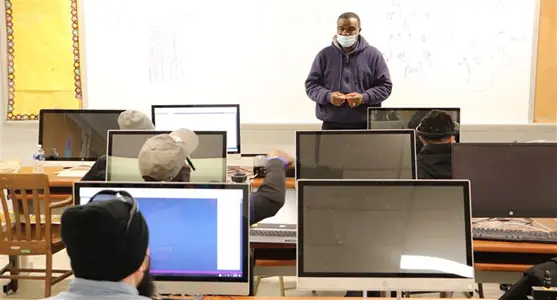
Access to skilled trades wasn’t always fair. Local trade unions have faced real criticism in the past for a lack of diversity, and Black individuals in particular faced systemic obstacles to reaching training and job opportunities in construction. There are communities that often felt discrimination in politics, economics,economin and social culture. Discriminatory hiring practices and limited access to education kept generations out of good-paying trade careers.
However, things are changing, and changing quickly. Workforce leaders across the city have started building real pathways where none existed before. They are a group of people who have faced backlash and have been unable to cope financially.
One program shows this shift clearly. The making of skilled trade education easier and more affordable for black community has strengthened the role of black workers. This program and vocational training. Rebuild has run 10 workforce development programs, with about 82 percent of participants completing them as of July 2023. Even more striking, 96 percent of the 94 graduates came from underrepresented communities, and 30 percent were women.
Additionally, Rebuild of underrepresented communities recruits women and people of color directly, addressing historic underrepresentation in the trades head-on. Making women more financially independent, along with carrying their own identity. This targeted approach makes a real difference. Instead of hoping diversity happens naturally, these programs build it into the pipeline from day one.
Pennsylvania faces a serious labor gap. The oldest city is moving towards the development chores. By enrolling and providing opportunities to youth. The state projects a shortage of more than 300,000 skilled trade workers by 2030. Therefore, this opportunity gap favors new workers entering the field today.
Furthermore, contractors and trade unions are currently experiencing a serious hiring crisis, opening the door to a fresh wave of diverse talent. The talent is recognized by every skilled-trade business owner in the local area. Nationwide construction is ongoing and expected to grow. In the coming years. Overall, this timing creates real leverage for workforce development programs in Philadelphia to place graduates quickly.
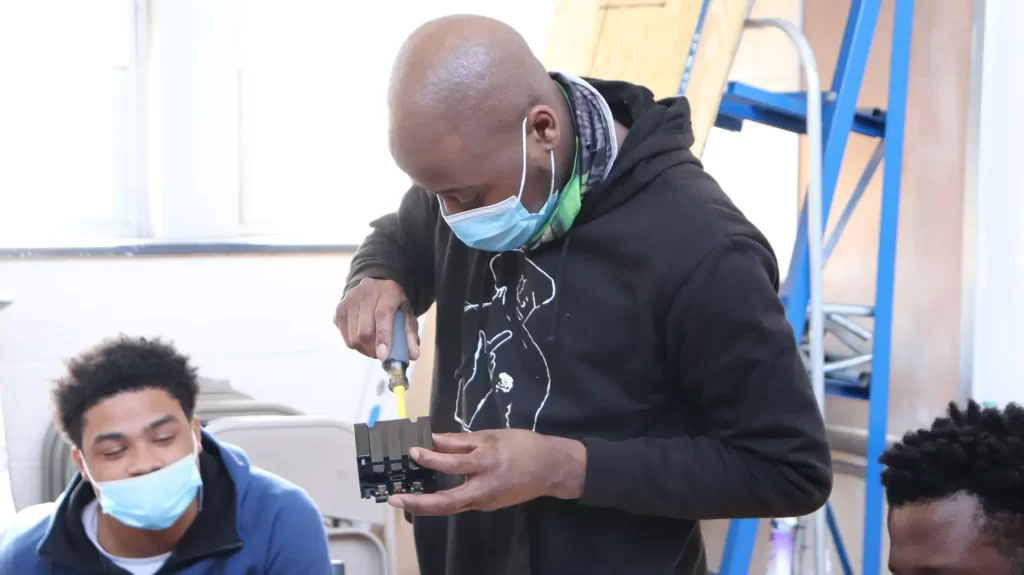
Moreover, the pay gap among workers is driven by high demand. The median annual wage for skilled trade workers in the Philadelphia metro area is $52,243, compared with $46,428 nationally. According to the National Trade Report, the job is expected to open with high demand in 2030. Apparently, apprenticeship pathways allow students to earn while they learn, with funding from unions and employers alike. It builds financial stability while gaining practical knowledge.
Consequently, this earn-and-learn model in skilled trade training attracts serious attention from underserved neighborhoods. Trade work is no longer viewed as a backup plan. Many young people now see it as the express lane to stability. Skilled trade workers contribute significantly to America’s infrastructure, as labor costs are high nationwide compared with those in other European countries.
Underrepresented communities include more than race and gender. Formerly incarcerated individuals, single parents, and career-changers all face their own barriers to entry. Philadelphia’s trade schools have responded here too.
Night school and flexible scheduling options now allow working adults to train without quitting their day jobs. Even Day classes are available only for the Central Processing Time program, which is a hybrid model. Along with that, a day-class, every-day training program is available for mothers. Additionally, second-chance hiring partnerships connect graduates with employers willing to look past past mistakes. Therefore, a criminal record or a nontraditional path no longer has to close every door.
Some programs blend workforce access with cultural preservation. The historic construction sites or any governmental architecture builds up . All these architectural and monumental developments offer paid on-the-job training in traditional trades such as masonry and bricklaying. This program focuses specifically on creating an equal opportunity for underrepresented groups.
Overall, this kind of skilled trade program shows how vocational trade education can honor history while building real futures. The foundation you will build at PTTI helps you grow throughout your career and develop skills that connect directly to Philadelphia’s architecture and identity.
Women remain underrepresented across most trade specialties. However, that number is climbing steadily. Rebuild’s 30 percent female completion rate shows real momentum building citywide. Women, especially in the Central Processing program, are so many. This program supports flexibility for women. Also, the training programs like Central Processing are especially designed to cater to women in their careers
Additionally, mentorship matters enormously here. When you enroll industry experts as mentors, programs will guide you towards your career goal . Women already working in trades see higher retention rates. Therefore, representation on the job site becomes just as important as the training itself.
PTTI has built its entire model around removing these historic barriers. Providing students with affordable education while getting them certified in as little as 6 months. Assurance of financial aid reduces financial dependence . Followed by placement, motivation, and building trust among students. PTTI also provides students with hands-on training from day one, with no prior background required. PTTI also provides OSHA certifications, which are safety procedure certifications that ensure workers are aware of all precautions at the worksite. Financial aid and grants are available to those who qualify, helping to close a gap that traditional four-year colleges often ignore.
Furthermore, PTTI’s campus operates more like a community hub than a typical school. PTTI campus consists of experienced technicians and mentors. Many graduates return to mentor incoming students, creating a cycle that keeps growing stronger. This is exactly why PTTI is known among Philadelphia trade schools for serving underserved communities. You can also visit the campus and have interactive sessions with faculty and students. This will definitely build trust in the institute before enrolling
So if this blog brings a lot more value, expand your skills and experience with PTTI . Call 215-381-9403 or email info@ptt.edu to learn how PTTI can help you start your own trade career.
Overall, Philadelphia’s trade schools are rewriting who gets access to stable, well-paying careers. Programs like Rebuild and PTTI prove that targeted support closes real gaps fast. Therefore, workforce development efforts in Philadelphia today are building a more diverse, more resilient trades workforce for the future. Trade schools for underrepresented communities aren’t just a trend anymore. They’re becoming the backbone of the city’s next generation of skilled workers.
Read More Link: