
Owning a business does not require an MBA or a pile of student debt. For a growing number of people in the Philadelphia area, the fastest route to being your own boss runs straight through the trades. Learn a skill employers pay for, build a few years of real experience, and you have the foundation to run your own shop, crew, or service company. If you are weighing the best skilled trades to start your own business, this guide breaks down which trades give you the clearest path to ownership, what you can earn, and how to get trained close to home at a hands-on trade school in Philadelphia.
The trades reward independence. Construction and related fields carry some of the highest self-employment rates in the country, which tells you something important: these are careers built for people who eventually want to sign the front of a paycheck, not just the back of one. Below, you will find the trades that translate best into a business of your own, the skills each one demands, and the practical steps to launch a company in Pennsylvania.
Trades are built for owners. Construction and skilled-trade fields have far higher self-employment rates than the overall workforce, making them a natural launchpad for owning a business.
Ownership raises your ceiling. Wages are solid as an employee, but running your own trade business can push earnings well past six figures with the right reputation and client base.
Best bets for a business: welding and fabrication, automotive repair, masonry and concrete, pipe fitting, and drywall and framing all convert cleanly into a company.
Pennsylvania keeps entry simple. Most contractors only need a state Home Improvement Contractor registration plus a Philadelphia contractor license, not a four-year degree.
Skill comes first. Hands-on training and a few years of job-site experience are what make a future trade business credible, bankable, and safe.
Philadelphia demand is real. Aging infrastructure, steady construction, and retiring tradespeople keep local demand strong for skilled, license-ready owners.
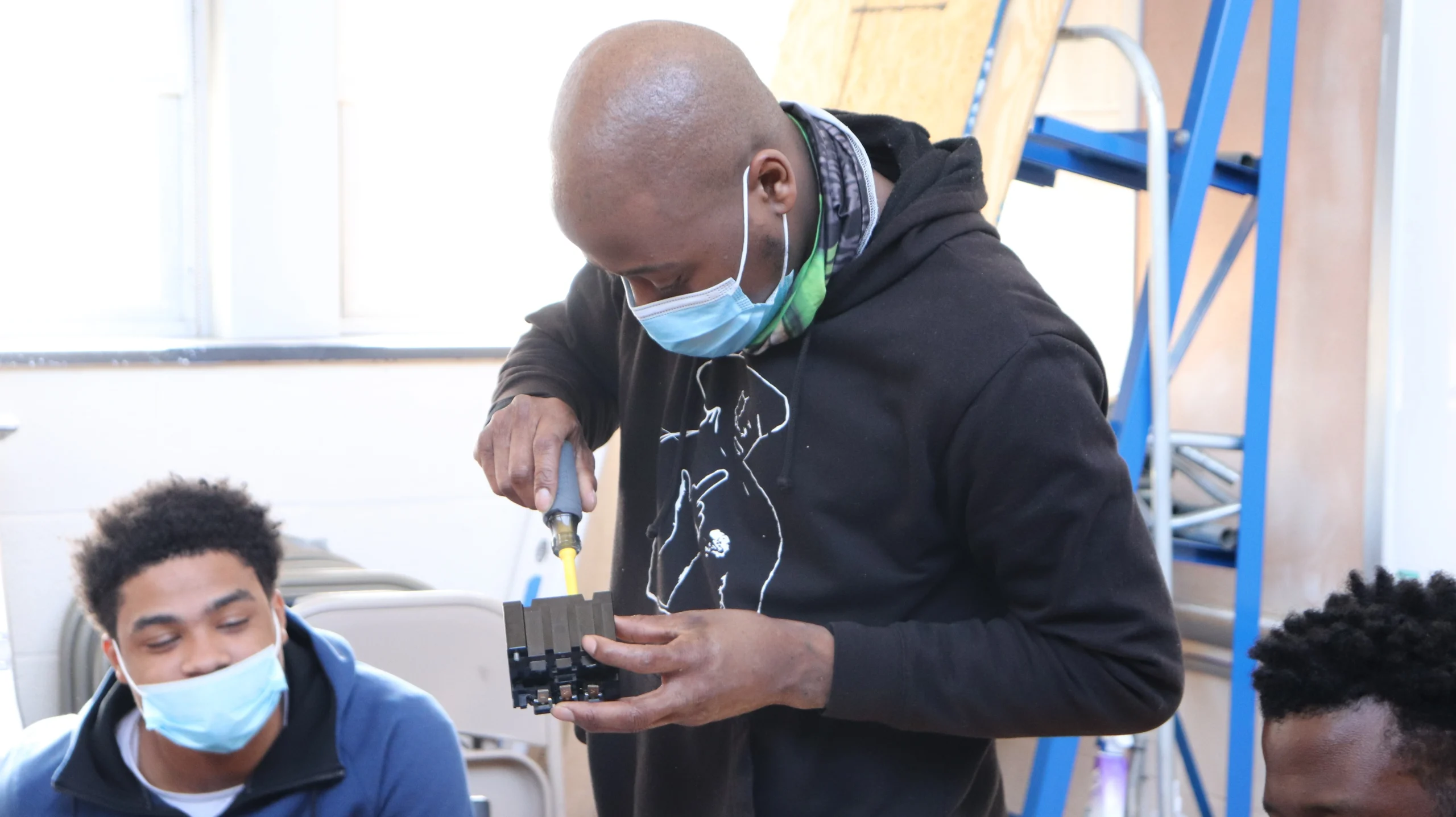
Skilled trades give you a rare combination: a job-ready skill and a repeatable service people will always pay for. That is why so many tradespeople end up self-employed. About 14 percent of construction workers are self-employed, more than double the rate across the U.S. workforce, and by some measures the share of self-employed and independent construction workers runs even higher. When you learn one of the best skilled trades to start your own business, you are not just picking a job. You are picking a service you can eventually sell under your own name.
The logic is simple. A skilled trades career starts with employment, where you get paid to build real experience. Once you know the work cold, business ownership becomes a natural next move because your product is your skill. There is no expensive inventory to guess at and no storefront required on day one. A welder can start with a truck and a machine. A mason can start with a mixer and a crew of two.
Self-employment also protects you. Automation and offshoring hit desk jobs harder than hands-on ones. A clogged drain, a cracked foundation, or a car that will not start has to be fixed on-site, by a person, in your city. That durability is a big reason a skilled trades career offers long-term stability whether you stay an employee or move into running your own company.
What Makes a Trade “Business-Friendly”?
Not every trade turns into a company with equal ease. The best skilled trades to start your own business tend to share a few traits. Look for these before you commit.
A trade that checks these boxes rewards the person who learns it well. This is also where hands-on training matters, because your reputation as an owner rests entirely on the quality of your work. Sloppy skills sink a young business fast. Strong skills, learned through real hands-on training, are what let you charge fairly and keep clients coming back.
Here are the trades that convert most cleanly into a company, along with what each one demands and the kind of business it supports. Each of these maps to a program you can train for at a trade school in Philadelphia like PTTI.
Welding is one of the strongest trades for eventually owning a business. Demand spans construction, manufacturing, repair, and custom fabrication, so a skilled welder can build a business around structural work, mobile repair, ornamental metalwork, or a small fab shop. Startup costs stay reasonable because you can begin with a truck, a machine, and a certification.
The skill bar is real, though. Employers and clients want welders who can pass a weld test, read a blueprint, and work in every position. That is exactly why serious hands-on training pays off before you go independent. Once you can produce sound, inspected welds, you have a service that fabricators, contractors, and homeowners will pay a premium for. Explore how the craft becomes a company through PTTI’s Welding Technology program
Few trades put a business owner closer to steady, recurring demand than auto repair. Cars break, and drivers will always need a mechanic they trust. That trust is the whole business. A skilled technician can start with mobile diagnostics and repair, then grow into a bay, then into a full shop with employees.
Modern vehicles reward technicians who understand diagnostics, electronics, and increasingly hybrid and EV systems. A repair business built on that expertise stands out from the corner garage. This is a skilled trades career where reputation compounds: one honest repair earns a customer for a decade. PTTI’s automotive repair training is built around the diagnostic and hands-on skills a future shop owner needs.
Construction trades like masonry, concrete, and framing sit at the heart of business ownership in the trades. These are the fields where self-employment runs highest, because homeowners, developers, and contractors hire masons and concrete crews directly for driveways, patios, foundations, walls, and additions.
The path from worker to owner is well worn here. You learn the craft, take on side jobs, register your business, and scale into a crew. Physical skill, an eye for finish quality, and reliable scheduling separate the owners who thrive from the ones who fold. Because construction demand in Philadelphia stays steady, a well-run masonry or concrete company rarely runs short of work. PTTI’s concrete, masonry, and framing program covers the job-site skills that anchor this kind of company.
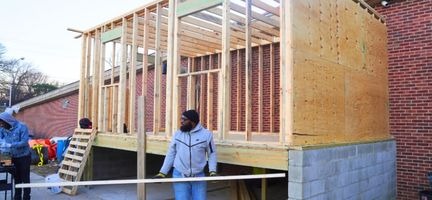
Pipe fitting and mechanical trades offer a higher-skill, higher-margin route to owning a business. Commercial buildings, industrial plants, and fire-protection systems all depend on skilled fitters, and that specialized work commands strong rates. A pipe fitting or mechanical contracting business can serve construction projects, building maintenance, and system installations.
One note for planners: fire-sprinkler and plumbing work often require specific trade licenses beyond a general contractor registration, which raises the bar but also protects your margins by limiting competition. If you like technical, code-driven work with real earning power, this is one of the best skilled trades to start your own business. See what the field involves in PTTI’s steam, sprinkler, and pipe fitting program.
Drywall is one of the most accessible trades to turn into a business, with steady demand from renovations, new construction, and repairs. Startup costs are low, the learning curve is manageable, and finished quality is visible, which drives referrals. A drywall and framing business can run lean as a solo operator or grow into a crew that handles whole buildings.
Because interior work never stops in a busy city, a reliable drywall contractor stays booked. The trade rewards speed, clean finishing, and consistency, all of which come from hands-on training and reps on real job sites. PTTI’s drywall framing and finishing program teaches the finishing and framing skills that turn into paying contracts.
Manufacturing and automation lean more toward high-paying employment than solo ownership, since the work usually happens inside plants. Still, the skills open doors: experienced technicians can launch industrial service, maintenance, or repair businesses that serve local manufacturers. If steady, technical employment with a long-term path appeals to you, PTTI’s manufacturing and automation training is worth a look, even if ownership comes later.
As an employee, most of these trades pay solid, dependable wages. As an owner, your income depends on your reputation, your crew, and how well you run the business, but the ceiling climbs sharply. Owners keep the margin that an employer would otherwise take, which is how skilled tradespeople reach six figures without a degree.
The table below shows rough employee earning ranges in the Philadelphia region to set a baseline. Business owners in these trades can earn well beyond the top of these ranges once they build a client base and add crew.
| Trade | Typical Employee Range (Philadelphia Area) | Ownership Upside |
| Welding & fabrication | $52,000 – $65,000 | Higher with certified/specialty and shop work |
| Automotive repair | $45,000 – $65,000 | Higher with an established shop and loyal clients |
| Masonry & concrete | $45,000 – $65,000 | Strong for busy residential/commercial crews |
| Pipe fitting & mechanical | $55,000 – $75,000+ | High margins on licensed, code-driven work |
| Drywall & framing | $45,000 – $60,000 | Scales well from solo to crew |
A few honest caveats belong here. Owner income is not guaranteed; it follows effort, skill, and market conditions. Early years often mean long hours and financial risk while you build. But the upside is real, and self-employment gives you control over how far you push it. That trade-off, risk for control and higher earnings, is the heart of business ownership.
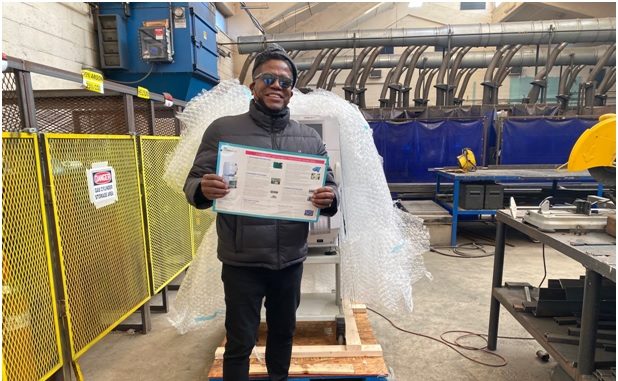
Pennsylvania keeps the door to business ownership refreshingly open. For most trades, you do not need a statewide contractor license or a college degree. Here is the practical path.
Notice what is missing: years of extra school. Pennsylvania does not mandate a general contractor exam for most trades, which is exactly why a focused skilled trades career can lead to business ownership so quickly. Your skill and your license, not a diploma, are what let you operate, which is why starting at a hands-on trade school in Philadelphia is such a practical first move. For the full picture on getting started, PTTI’s admissions team can point you toward the right program and the certifications employers and clients look for.
Here is the part too many aspiring owners skip: you cannot sell a skill you have not mastered. Every successful trade business rests on quality work, and quality work comes from real practice. That is why hands-on training belongs at the start of the journey, before you ever register a business.
A strong program does more than teach technique. It builds the habits owners live on: safety discipline, blueprint and diagram reading, troubleshooting, measurement, and clean, consistent finishing. It also preps you for the certifications that clients and larger contracts require. When you train on industry-standard equipment in real labs, you graduate ready for job-site expectations, not just a classroom.
This is where a hands-on trade school in Philadelphia earns its keep. At PTTI, hands-on training happens in applied lab environments with the tools and materials used on real job sites. Students build the technical competency that makes them hireable first and, later, credible as owners. A few years of paid experience after that, and business ownership becomes a realistic next step rather than a leap of faith. If you want to see how the model works, take a look at PTTI’s hands-on training approach across programs.
Yes. Demand for skilled tradespeople is strong and durable across the Philadelphia region and Pennsylvania. Construction employment is projected to grow faster than the average for all occupations this decade, and the field faces a wave of retirements that keeps opening room for new workers and new businesses.
Several forces feed local demand at once. Aging infrastructure needs repair. Housing and commercial construction continue. Experienced tradespeople are retiring, which thins competition and creates openings for the next generation of owners. For anyone choosing a skilled trades career with an eye on owning a business, that combination is about as favorable as it gets. Learn more in PTTI’s overview of high-paying Philadelphia trade jobs without a degree.
Choosing among the best skilled trades to start your own business comes down to fit. Ask yourself a few honest questions.
There is no single right answer, only the right answer for you. The common thread is that every one of these paths starts the same way: with strong hands-on training and a real skill. Get that foundation from a reputable trade school in Philadelphia, spend a few years mastering the craft, and running your own company moves from a dream to a plan. For guidance on picking a direction, PTTI’s career-focused programs are organized around the trades most likely to support long-term independence.
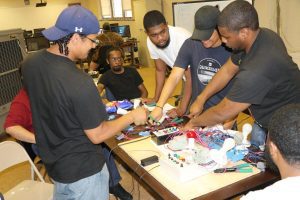
The most reliable route to owning a business is not a shortcut; it is a skill. Learn one of the best skilled trades to start your own business, master it through real hands-on training, gain a few years of experience, and you will hold something valuable: a service people in Philadelphia will always pay for. From welding and auto repair to masonry, pipe fitting, and drywall, the trades give ambitious people a genuine path to independence, strong income, and long-term stability, without the debt of a four-year degree.
Business ownership rewards preparation. It starts in the lab and on the job site, where technical skill and confidence are built. If you are ready to take that first step toward a skilled trades career and, eventually, your own company, explore PTTI’s hands-on trade programs and connect with admissions.
Welding and fabrication, automotive repair, masonry and concrete, pipe fitting, and drywall and framing are among the best skilled trades to start your own business. Each has direct customer demand, manageable startup costs, and a clear path from employee to owner in the Philadelphia area.
No. A skilled trades career leads to business ownership through hands-on training, certification, and experience, not a four-year degree. In Pennsylvania, most trade businesses need a Home Improvement Contractor registration and a local license rather than a college diploma.
Drywall and framing are among the easiest to start because tools and startup costs stay low and demand is steady. Welding and masonry are also accessible. The right choice depends on your interests and how much licensing complexity you want to manage.
Focused programs at a trade school in Philadelphia can prepare you for entry-level work in months, often under a year. Most owners then spend a few years gaining paid experience before launching, which builds the skill and reputation a business needs.
Employee wages in these trades commonly run from the mid-$40,000s into the $70,000s in the Philadelphia region. Owning a business raises the ceiling well past six figures for owners who build a strong reputation and add crew, though income follows effort and market conditions.
Most contractors register as a Home Improvement Contractor with the state, obtain a Philadelphia contractor license, and carry insurance. Plumbing, electrical, and sprinkler work require additional trade licenses. Pennsylvania does not require a general contractor exam for most trades.
Yes. Hands-on trades resist automation and offshoring because the work must be done on-site. Steady construction, aging infrastructure, and retirements keep a skilled trades career in demand, which supports both employment and self-employment.