
Starting a trade program can feel like the smartest decision ever in today’s world, where job security is very low. However, staying focused until graduation takes more than attending classes. Students need practical training, guidance, encouragement, and a clear path toward their career goals.That is where PTTI student support becomes important.
At Philadelphia Technician Training Institute (PTTI), students receive more than technical instruction. The school combines hands-on learning, instructor guidance, career preparation, and student services to help learners move through their training with greater confidence. PTTI also provides placement assistance, while its catalog makes clear that employment after graduation is not guaranteed and students must actively participate in the job-search process.
For students considering a trade school in Philadelphia, this broader approach can make the training experience more practical and career-focused.
Students who are beginner in skilled trades training must learn technical concepts, practice procedures, follow safety expectations, and develop workplace habits. Some skills may feel difficult at first. Others require repeated practice before they become natural.
Therefore, students benefit from having people around them who can explain difficult concepts and provide useful feedback.
A supportive training environment can also help students recognize their progress. Instead of focusing only on what they have not mastered, students can identify what they have already learned and what they need to improve next.
This step-by-step approach can make a large graduation goal feel more manageable.
PTTI student support extends beyond simply delivering lessons.
PTTI’s published student services include orientation, academic and student support information, career assistance, and placement assistance. During orientation, students learn about school expectations, important dates, available services, and what they need to succeed in their program.
This early guidance matters because students need to understand their responsibilities from the beginning.They also need to know where to turn when they have questions.
When students understand available resources, they can address challenges earlier rather than allowing small problems to become larger obstacles. Moreover, support can encourage students to take greater ownership of their progress.
Reading about a technical task is different from performing it. That is why hands-on trade training plays such an important role in technical education. Students need opportunities to work with tools, equipment, materials, and procedures related to their chosen field.
PTTI describes its programs as combining technical knowledge with hands-on experience. Its current programs include welding, automotive repair, manufacturing and automation, central processing, concrete and masonry, steam and pipe fitting, and other technical fields. Practical training allows students to connect classroom concepts with real tasks.
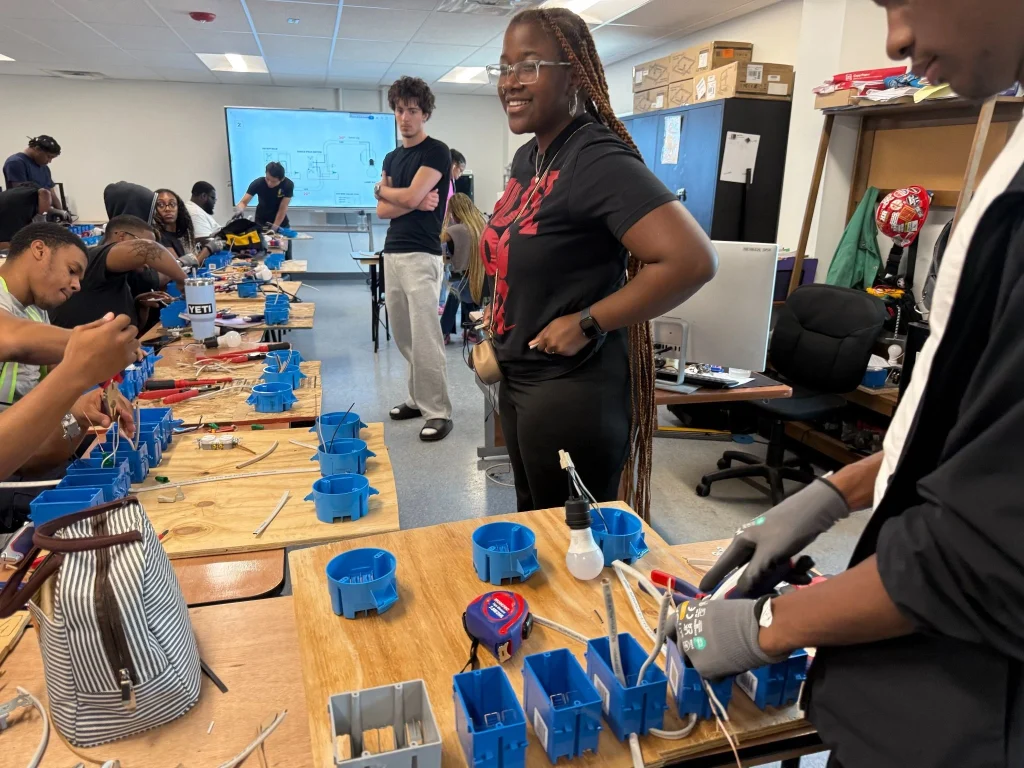
For example, a student learning welding can practice techniques instead of only reading about them. An automotive student can work through a vehicle’s technical procedures. A concrete technician can develop familiarity with materials and tools. As a result, students can better understand how to use tools and equipments .
Learning a skilled trade requires patience. Students will not master every technical skill immediately. Mistakes can happen during practice. However, mistakes can also become valuable learning opportunities when instructors provide constructive feedback.
Experienced instructors can demonstrate a task, explain the correct process, observe student performance, and identify areas for improvement.
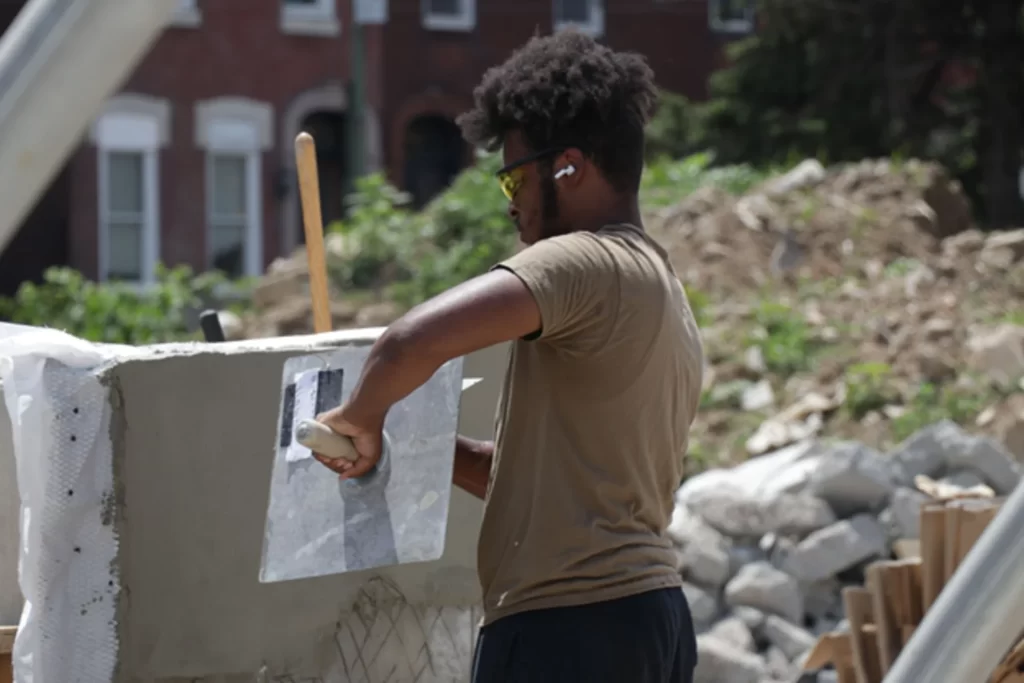
Mentorship also gives students an opportunity to learn workplace expectations. Technical ability matters, but employers also value communication, reliability, teamwork, professionalism, and problem-solving.Therefore, skilled trades training should help students develop both technical and professional abilities.
Graduation is an important milestone. However, students also need to prepare for what happens afterward. PTTI’s Career Services offerings include professional development, resume building, career identification, interview coaching, and connections with employers. PTTI also works with trade employers through job postings, internships, career fairs, interviews, and other employment-related activities.
This preparation can help students understand how to present their skills to potential employers. A resume, for example, should communicate more than the name of a training program. Students can learn how to describe practical experience, projects, certifications, technical abilities, and professional strengths.Interview preparation can also help students communicate more clearly.
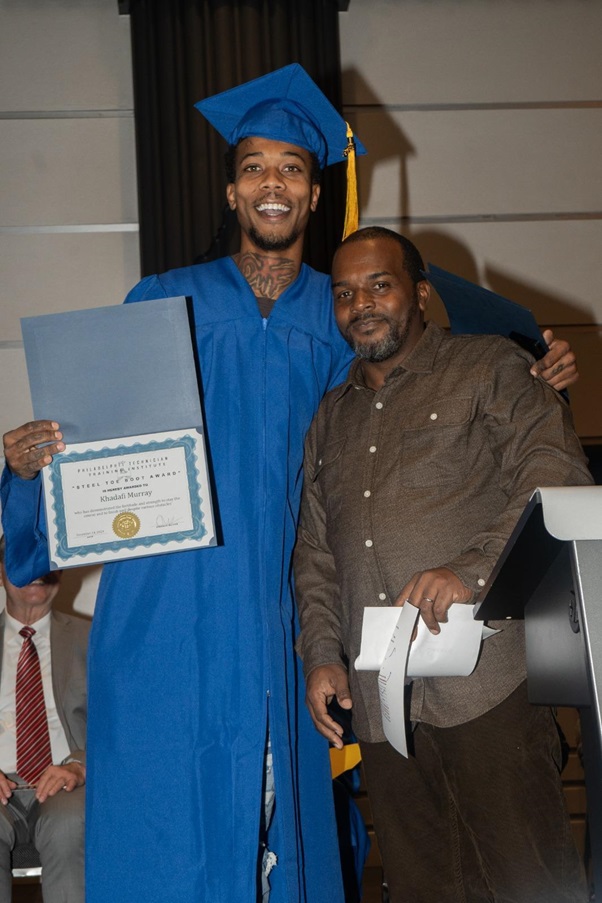
Additionally, learning how to find opportunities gives students an important skill they can use throughout their careers.
Financial concerns can create stress for students considering career training. That is why financial guidance forms another part of the student experience. PTTI states that financial aid may be available for qualifying students and provides assistance with the financial aid process. Its financial aid information explains that counselors can help students understand the FAFSA process, eligibility, award information, and payment options.
Students should still review eligibility requirements and understand the terms of any financial assistance before enrolling. However, having access to guidance can make the process easier to understand. For students comparing a trade school in Philadelphia, financial planning should be part of the decision not an afterthought.
Large goals can sometimes feel overwhelming.
“Graduate from trade school” feels like one major objective that adds value to your career growth . However, students can break it into smaller milestones . This opens various paths to your career . Attend classes to maintain a strong punctuality score followed by completing assignments.
Each step contributes to the larger goal.This approach can also help students recognize progress along the way. Every completed project, improved technique, and successfully completed training requirement represents another step toward graduation.
Employers need more than people who can operate equipment. They also need dependable workers who communicate clearly, follow instructions, arrive prepared, respect safety procedures, and work effectively with others. So students should start building these habits while they are still in school.
Hands-on training naturally creates opportunities to practice them. Students may need to work with classmates, follow procedures, manage equipment, solve practical problems, and complete tasks within expected guidelines. These experiences can help connect technical education with workplace expectations. Over time, students can begin to see professionalism as part of their trade, not something separate from it.
A successful training experience involves more than receiving a certificate. Students need technical knowledge. They also need practice, confidence, professional skills, and an understanding of how to move toward employment. That is the broader purpose behind PTTI student support.
PTTI combines hands-on education with student career services, professional development, and financial aid guidance. For Philadelphia students exploring skilled trades, this can create a training experience that connects classroom learning with practical career preparation.
PTTI provides student services, by orientation, hands-on training, career preparation, and placement assistance.
Yes. PTTI describes its programs as combining technical knowledge with hands-on experience across several skilled trade fields.
Mentorship helps students understand skills and develop professional habits.
Yes. Career Services includes resume development, professional development, interview coaching, career identification, and employer connections.
Financial aid may be available to qualifying students. PTTI’s financial aid team provides guidance through the application and financial planning process.
Read more blogs