
Finding the right path in skilled trades for beginners is the first step toward a high-paying, future-proof career. The “college for everyone” narrative has long faded. For years, we were convinced that the only way to have a steady existence or life was to get a four-year degree.
However, in 2026, things are very different. Because so many experienced workers are retiring, there is a huge gap in the workforce. Consequently, the demand for skilled trades for beginners—and the high income that comes with them—is at an all-time high. Moreover, new reports indicate that millions of skilled trades jobs will be available for the next generation as roughly 40% of the present workforce retires by the end of this decade.
In fact, you’re at the proper place if you’d rather be moving than sitting in front of a screen. You don’t need a sophisticated CV or a lot of experience to get started. You only need a plan.
In the following sections, let’s go over your plan for starting a career from scratch with on-the-job training and some good old-fashioned hard work.
“The Trades” isn’t just one job; rather, it’s a full world of specialized pathways. Before you get in, think about what kinds of puzzles you like to solve. As a result, finding the right fit is the first step in exploring skilled trades for beginners.
| Trade | The Vibe: | The Challenge: |
| Electrician | Precision-focused and rational | Wiring, schematics, and paying close attention to every little thing. |
| Plumber | Solving problems as they happen. | A strong body and a talent for complicated systems. |
| HVAC Tech | High-tech and mechanical | Thermodynamics and repairing the “lungs” of a building. |
| Welder | Creative but intense | Fire, intense attention, and hand-eye coordination. |
Furthermore, other than these listed skilled trades, don’t forget about those “niche” skilled trades for beginners. Because they are so specialized, jobs like elevator mechanics or CNC machining sometimes pay even more at the start.
Therefore, ask yourself: What do you want to be doing in five years? Would you rather work in a high-tech lab or atop a skyscraper? In addition, niche roles often require specific hands-on learning but offer incredible job security in 2026.
The thing is, you need to decide how you want to learn because you don’t have any experience yet. Generally speaking, there are three basic ways to get into the business:
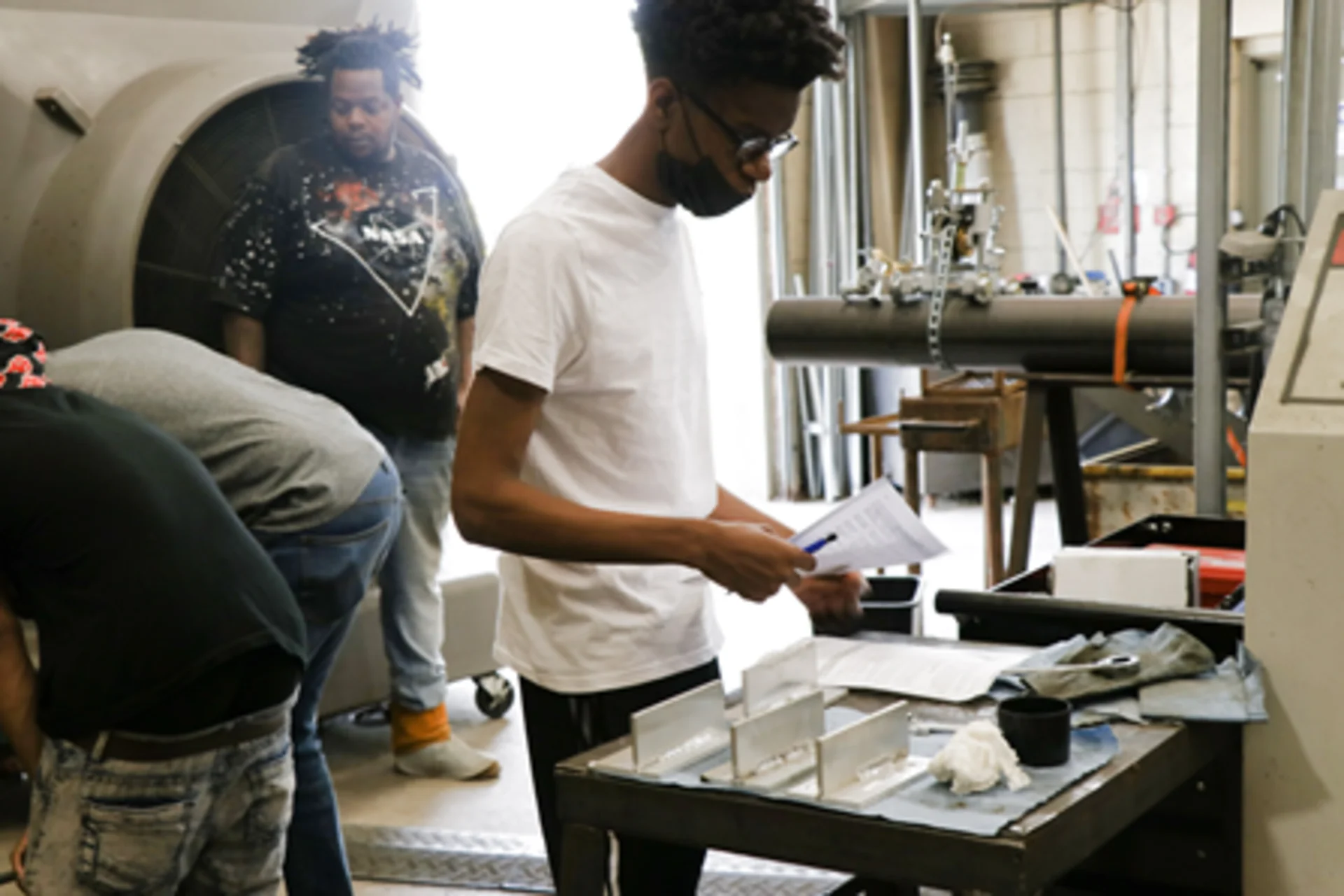
Undoubtedly, the best way to learn is through apprenticeships. You work with a pro during the day (and get paid!) and go to class a few nights a week.
Alternatively, a trade school program (6–24 months) is a terrific way to feel ready for a job before you even set foot on the site. It’s where you obtain those short-term vocational certificates that make employers think, “Okay, this person knows what they’re doing.”
Specifically, the Philadelphia Technician Training Institute (PTTI) has fantastic trade school program services that can help you go from “clueless” to “capable” through hands-on learning if you want to start in a supportive setting.
PTTI stands out because they focus on the actual application of skills. For instance, rather than just reading about electrical circuits, you are physically building them. This bridge between theory and practice is vital for those entering entry-level trade jobs.
Moreover, the vocational certification provided by PTTI ensures that you are not just another applicant but a qualified professional. This is a crucial step for skilled trades for beginners looking to skip the long wait times of some union lists.
In contrast, this is the “old school” way to find entry-level jobs in the trades. You search for a contractor and ask to be an assistant. Initially, you start by cleaning up and carrying things. During this time, you will be watching the pros all the time. Eventually, if you come in early and work hard, they’ll ultimately give you a tool and let you do on-the-job training.
Surprisingly, you can beat individuals with a lot more experience just by being a good, self-motivated person. Your reputation is essential when you’re just starting out in skilled trades for beginners. While you’re learning on the job, keep these things in mind:
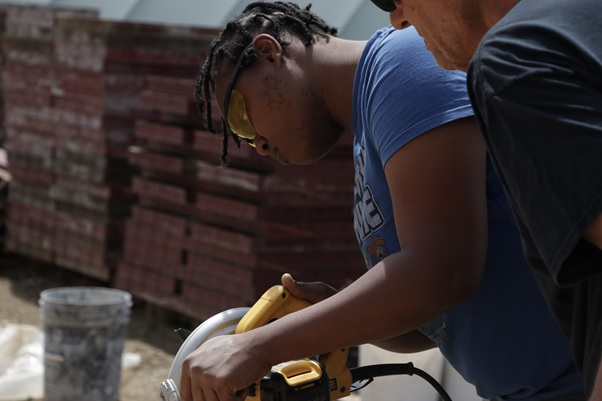
Beyond the physical labor, you must develop a thick skin. Sometimes, site supervisors are stressed and blunt. However, if you take their feedback as a learning opportunity rather than a personal insult, you will thrive in these entry-level trade jobs.
You need to look the part, even if you have no experience. This is how to get ready for skilled trades for beginners:
As it turns out, big job boards don’t have the greatest positions. Rather, they are at the supplies store in the area by 6:00 AM. So, if you really want to learn skilled trades for beginners, go where the pros are.
Additionally, follow local contractors on social media, like and comment on their posts, and let them know you’re a real person who wants to work. For instance, when you meet a manager for the first time, such a vocational certification from a trade school like PTTI can also be a wonderful conversation starter.

Supply houses are the social hubs of the trade world. By simply being a familiar face at the local plumbing or electrical supply counter, you often hear about jobs before they are ever made public. This is networking at its most basic and effective level.
To conclude, to start in skilled trades for beginners, you need to be humble, fast, and reliable. For a while, you’ll be the “new kid.” Nevertheless, look at the horizon: in four to five years, you may be a Journeyman with no college debt and making $80,000 to $120,000 a year.
Ultimately, the dirt under your nails today is what will set you free financially tomorrow. In the end, the way is completely open for you to pick between an apprenticeship and a trade school.
Q: Can I truly get a job without any experience?
A: 100%. Most trades are in the “teaching” business. First and foremost, employers want people who are reliable and have a “can-do” mentality. Afterwards, they will teach you the technical stuff on the job.
Q: Which is better, an apprenticeship or a trade school?
A: It depends! On one hand, you may start making money right away with an apprenticeship. On the other hand, you can earn short-term vocational qualifications faster at a trade school, which can help you get a higher starting salary.
Q: What is the most popular trade in 2026?
A: Because of new green energy technology, there is a huge need for electricians and HVAC technicians right now. Thus, both are great for beginners who want to learn by doing.
Q: How much will I make when I first start?
A: Most entry-level trade occupations pay between $18 and $25 an hour to start, but that number goes up quickly as you get more experience and qualifications.
Read more: