
Most welding guides only sell the upside. This one gives you both sides. A welding career offers fast entry, strong pay, and steady demand. It also asks for physical stamina, safety discipline, and real focus. Knowing the honest pros and cons of a welding career helps you decide with clear eyes, not hype.
If you live in Philadelphia or the surrounding region, welding is a serious option. The work is hands-on. The pay is competitive. The skill travels with you. But it is not for everyone, and pretending otherwise helps no one. Below, you get the full picture, including the downsides few people mention.
A welding career is worth it for people who want fast, hands-on entry into a stable, well-paid trade. Welders earn competitive wages without a four-year degree. Demand stays steady across Philadelphia and the wider region. The trade-off is physical, hazardous work that rewards skill, safety, and consistency.
That is the honest short answer. Now let us go deeper. Whether welding is “worth it” depends on your goals and how you handle the work. The pros are real. The cons are real too. Weighing both is the smart move.
Philadelphia keeps welders busy. The region has active shipbuilding, fabrication shops, and pipefitting contractors. Aging bridges and water systems need constant repair. Commercial and healthcare construction continues across the city. All of this work needs skilled hands.
The demand also spreads beyond the city core. Welders find jobs across nearby communities. That includes Camden, Cherry Hill, Drexel Hill, Lansdowne, and Darby. A certification earned here works across Pennsylvania, New Jersey, and Delaware. Where you train matters less than how well you train.
Welding fits people who prefer doing over sitting. It rewards patience, steady hands, and attention to detail. It suits high school graduates, career changers, and veterans. Adult learners often thrive because the path is short and practical.
You do not need prior experience to start. You need willingness to learn a real skill. A focused welding technology program builds that skill from the ground up. If you enjoy building things, welding is worth a close look.
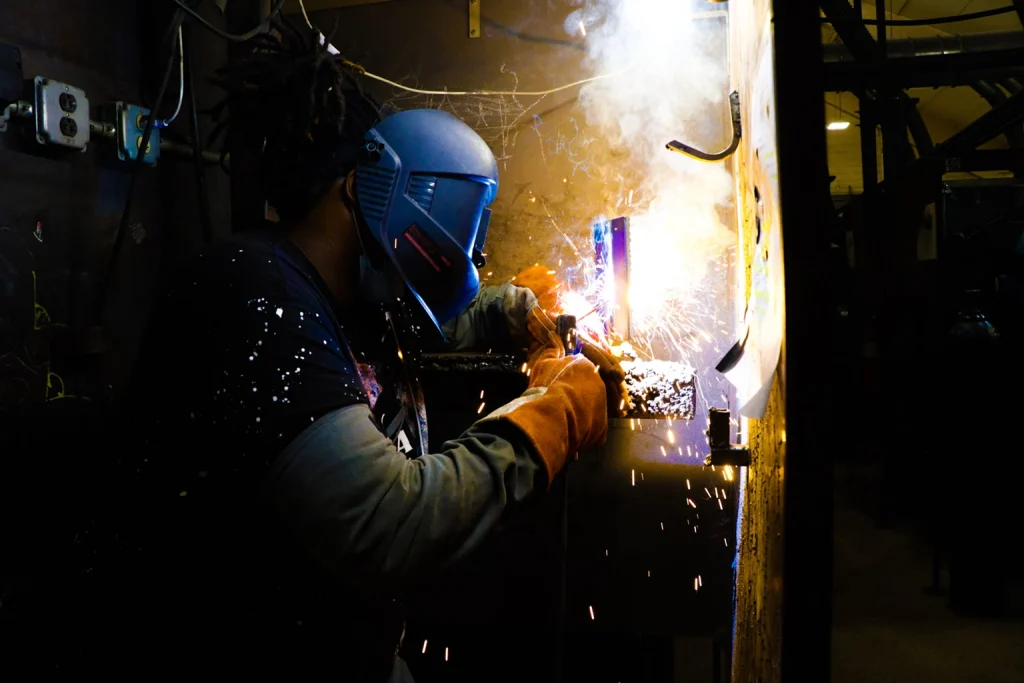
The upside of welding is strong and well documented. You train fast. You earn well. You stay in demand. These are the main reasons people choose the trade. Let us break down each benefit clearly.
Welding does not require years of study. A focused program can prepare you in months. That speed is one of its biggest advantages. You start earning far sooner than a four-year graduate.
The cost is lower too. You avoid heavy student debt. You can explore financial aid options to lower the price further. For many students, this fast, affordable path is the deciding factor.
Welders earn competitive wages without a college degree. Pay depends on skill, certification, and specialty. Certified and union welders earn the most. Overtime can push income higher still.
This is a key part of the pros and cons of a welding career. The pay is real, but you build it over time. You can read more in our welder salary state-by-state guide for a wider view.
Here is a realistic picture of welder salary in Philadelphia by stage. Figures are regional estimates. They vary by employer, process, overtime, and certification.
| Career Stage | Approximate Annual Range (Philadelphia Area) |
| Entry-level welder | $45,000 – $52,000 |
| Experienced welder | >$55,000 – $65,000 |
| Certified / specialized / union welder | $68,000 – $80,000+ |
For context, the U.S. Bureau of Labor Statistics places the national welder median just under $50,000. Philadelphia trends higher due to union wages and industrial demand.
Welding offers strong job security. The reason is simple. Many experienced welders are retiring. Someone has to replace them. The Bureau of Labor Statistics projects roughly 45,600 welding openings each year nationwide.
Local demand adds to this. Infrastructure, shipbuilding, and manufacturing all need welders. The work is also hard to automate at the skilled level. That keeps the welding job outlook for 2026 stable and dependable.
A welding skill is portable. Once you can pass a weld test, you can work almost anywhere. Your certification moves with you between states. That freedom is rare in many careers.
This mobility matters for long-term planning. You are not tied to one employer or one city. You can follow the best opportunities. Many welders value this flexibility highly.
Welding is not a dead-end job. You can grow in several directions. You might specialize in pipe or structural welding. You could move into inspection or supervision. Some welders even start their own shops.
Each step raises your earning ceiling. Stacking certifications speeds this up. Our guide on welding certifications for 2026 shows how. Advancement rewards those who keep learning.
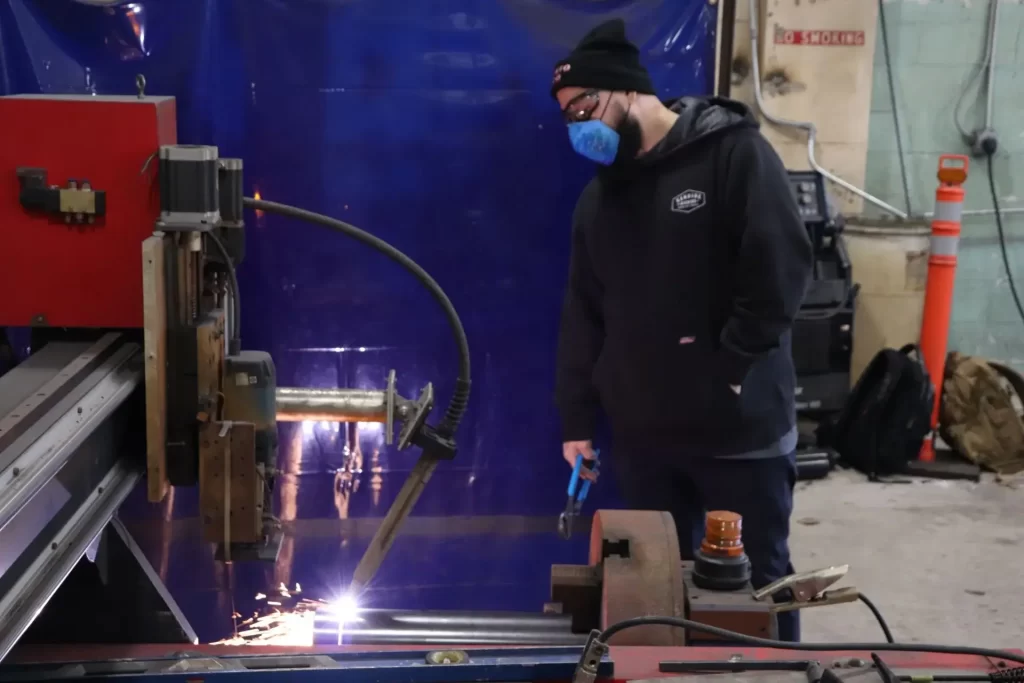
Now for the honest downsides. Welding is rewarding, but it asks a lot. The work is physical and sometimes uncomfortable. Safety is a daily responsibility. Ignoring these realities would be dishonest. Here is what to expect.
Welding is hard on the body. You often work standing, bending, or kneeling. Sometimes you weld overhead or in tight spaces. You may lift heavy materials during a shift.
Over time, this takes a toll. Good technique and fitness help a lot. Still, comfort with physical work is essential. If you dislike using your body, welding may frustrate you.
Welding involves genuine hazards. You face intense heat and bright arc light. You deal with fumes, sparks, and hot metal. These risks are manageable, but they are real.
This is a core part of any honest look at welding’s downsides. The good news is that safety is teachable. Proper gear and habits protect you. Our overview of welding safety practices explains the essentials.
Strong training makes welding far safer. You learn to use protective equipment correctly. You practice safe setup before every weld. You build habits that prevent injury.
Employers expect this discipline from day one. That is why hands-on safety training matters so much. A quality welding training program builds safety into the curriculum. Skill and safety grow together.
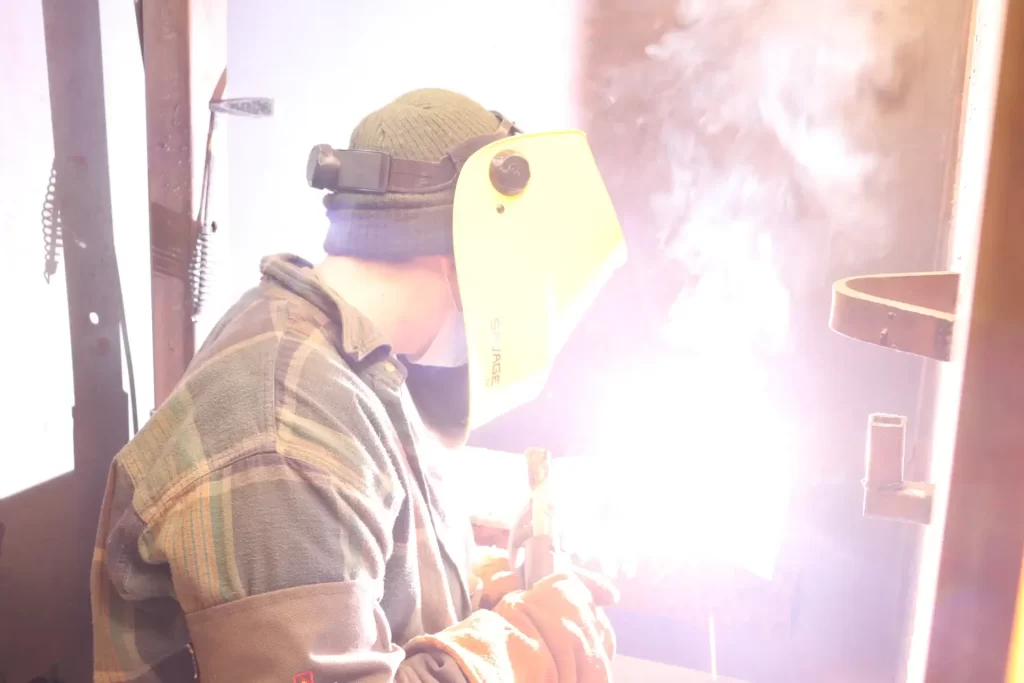
Welders do not always work in comfort. You may work outdoors in heat or cold. Some jobs require night or weekend shifts. Shipyards and plants often run around the clock.
Shift work affects your schedule and rest. Some welders enjoy the pay that comes with it. Others find it hard on family life. Our guide on night-shift work for welders covers this honestly.
Welding looks simple but takes practice. A clean, sound weld requires real skill. Beginners often feel frustrated at first. That is normal and expected.
Progress comes with repetition. The more you practice, the faster you improve. This is why booth time matters more than lectures. Patience during training pays off later.
Welding pay is strong but not always steady. Some work is project-based or seasonal. Entry-level wages start lower than experienced pay. Your income grows as your skills grow.
Certification helps stabilize and raise your pay. Specialties like pipe welding command premiums. Planning your path reduces income surprises. Steady skill-building leads to steady earnings.
Here is a simple side-by-side view. It sums up the honest pros and cons of a welding career. Use it to weigh the trade quickly.
| Pros | Cons |
| Fast, affordable training | Physically demanding work |
| Strong pay without a degree | Real safety hazards |
| Steady, replacement-driven demand | Tough conditions and shift work |
| Portable, transferable skills | A genuine learning curve |
| Clear path to advancement | Income can vary early on |
The pattern is clear. The benefits are strong. The challenges are manageable with training. That balance is why welding remains a smart choice for many.
The right training tips the balance toward the pros. It shortens the learning curve. It builds the safety habits that reduce risk. It prepares you for the certifications employers want. In short, training turns raw interest into real employability.
Welding is a performance-based trade. You learn it by doing, not by reading. That is why hands-on training beats other paths. Online courses cannot give you booth time.
A four-year degree is slow and costly for this work. Self-teaching skips the safety discipline employers require. Generic programs often lack real equipment. Applied training on professional gear prepares you best. It matches what job sites actually demand.
Certifications separate hired welders from hopeful ones. They prove your skill to employers. They also raise your pay. Most quality jobs expect verified weld testing.
A strong program prepares you for these tests. It builds exam readiness into daily practice. You can explore how skills lead to hiring on our careers and job opportunities page. Certification is one of the best investments a new welder makes.
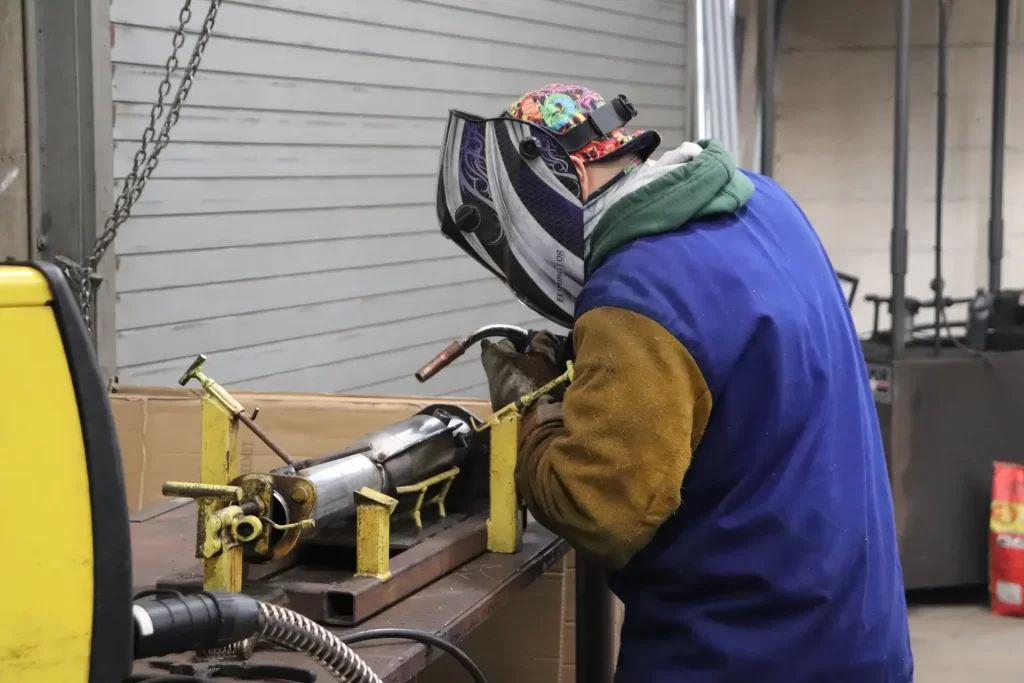
Deciding takes honesty about your goals. Ask yourself a few simple questions. Your answers reveal whether welding fits. This short roadmap helps you choose.
If you answered yes to most, welding likely fits you. The next step is simple. Take the Program Matchmaker Quiz to confirm your fit. You can also compare paths in our pipefitter vs. welder guide.
The pros and cons of a welding career are now clear. The upside is strong for the right person. The challenges are real but manageable with training. If welding fits your goals, the path is short and practical.
The best next step is to see the work in person. Explore the welding technology program, then schedule a campus visit to see the labs. You can also contact admissions with questions or take the Matchmaker Quiz to confirm your fit. Your welding career in Philadelphia can start this year.
The main pros are fast training, strong pay, steady demand, portable skills, and clear advancement. The main cons are physical strain, safety hazards, shift work, a real learning curve, and variable early income. Good training and certification tilt the balance toward the pros.
Yes, for people who like hands-on work and want fast entry. Demand stays steady due to retirements and infrastructure needs. Pay is competitive without a four-year degree. A hands-on welding training program prepares you for real job-site expectations quickly.
Most welders in the Philadelphia area earn about $52,000 to $60,000 per year. Entry-level pay starts lower, while certified, specialized, and union welders often exceed $70,000. Overtime and pipe welding can raise earnings further.
The honest downsides include physical strain, exposure to heat and fumes, and frequent shift work. Beginners also face a real learning curve, and early income can vary. Proper training and safety habits make these challenges manageable.
Welding is physically demanding and can strain the body over time. You often stand, bend, or work overhead. Good technique, fitness, and safety training reduce the wear. Many welders build long, healthy careers by working smart.