
If you are thinking about a career in welding, fabrication, or manufacturing, learning from a textbook is only the beginning. You need to understand the basics, but you also need time to work with tools, equipment, and materials.
This is why many students look for fabrication training in Philadelphia that combines classroom learning with hands-on shop experience. When students learn a concept in class and then practise it in a lab, they can better understand how that knowledge applies to actual work.
Philadelphia Technician Training Institute (PTTI) offers technical training that combines classroom instruction with practical experience. Its welding and manufacturing programmes give students opportunities to learn technical concepts and practise job-related skills in a hands-on setting.
Fabrication is a skill that develops through practice. You can learn about welding processes, metal preparation, measurements, and safety in a classroom, but working with the equipment gives you a different type of experience.
In a shop environment, students can practise preparing materials, setting up equipment, following measurements, and completing welding and fabrication tasks. They can also make mistakes, ask questions, and improve their techniques with instructor guidance.
This practical experience can help students become more comfortable with the type of work they may encounter after completing their training.
Students looking for welding training in Philadelphia can explore technical schools that combine classroom lessons with practical shop training.
PTTI’s Welding Technology and Training Program covers areas such as welding safety, blueprint reading, MIG welding, Stick welding, TIG welding, plasma cutting, and joint preparation. Students also spend significant time developing these skills through practical training.
This approach allows students to move between learning the theory and applying it. Instead of only reading about a welding process, they can practise using the equipment and see how different techniques affect the finished work.
A fabrication lab gives students a controlled environment where they can practise technical skills using real equipment and materials.
Depending on the programme, students may work with welding machines, plasma cutters, fabrication tools, measuring equipment, and other shop equipment. They learn how to set up their work area, follow safety procedures, prepare materials, and complete assigned tasks.
The hands-on environment also gives students the chance to become more familiar with equipment. This can make the transition from school to an entry-level job easier because they have already spent time working in a shop setting.
Hands-on training does not replace classroom learning. The two work together.
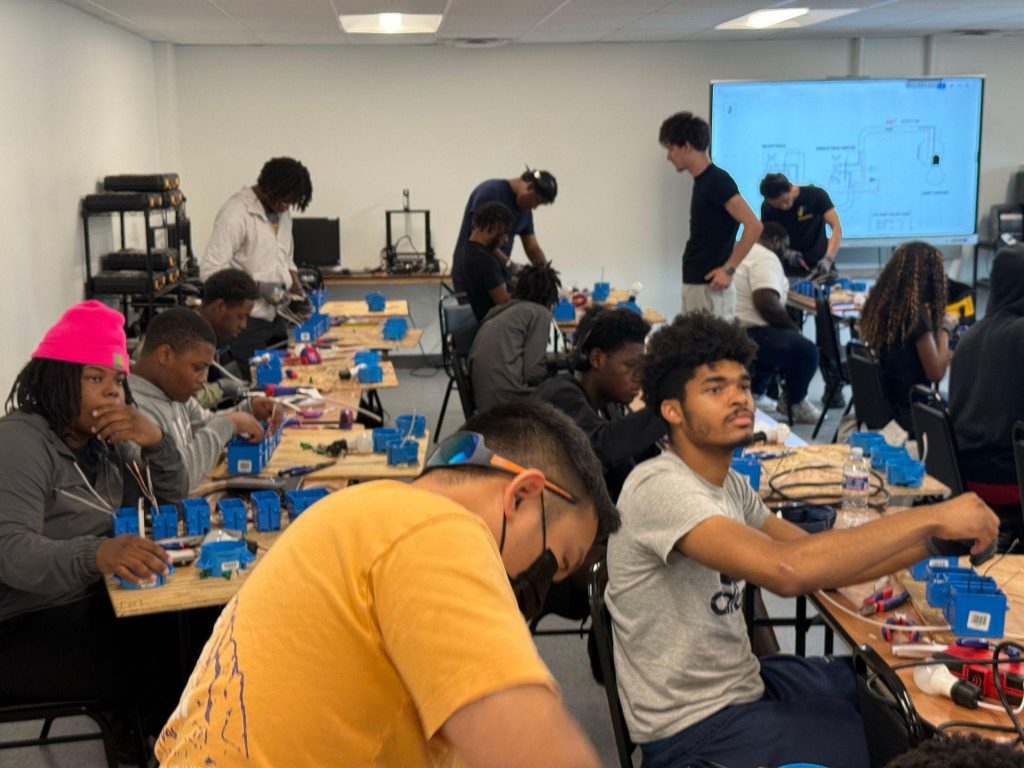
Before using equipment, students need to understand what they are doing and why. They may need to learn about materials, welding processes, measurements, blueprints, equipment settings, and workplace safety.
For example, a student may learn how to read a blueprint in class and then use that information during a shop assignment. This connection helps turn a theoretical lesson into a practical skill.
If you are comparing fabrication training programmes, ask how much time students actually spend in the shop. A programme may describe itself as hands-on, but the amount of practical training can vary.
PTTI’s Welding Technology and Training Program includes classroom instruction along with substantial shop and externship training. Students get opportunities to practise welding and fabrication skills rather than spending the entire programme in a traditional classroom.
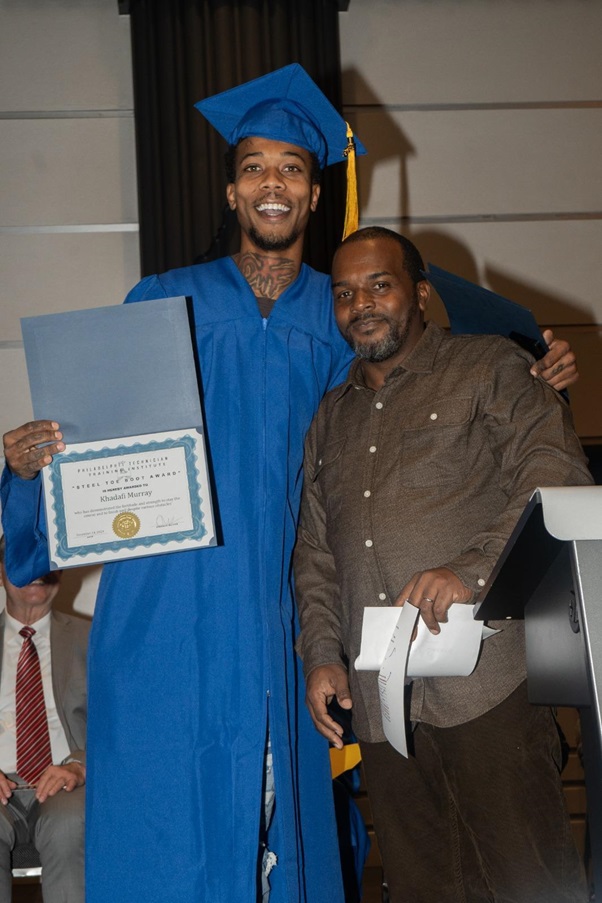
When researching schools, ask what percentage of the programme involves practical training. Also find out what equipment students use and whether they get to operate it themselves or mainly watch demonstrations.
Hands-on fabrication training can help students develop a range of practical skills. These can include material preparation, equipment setup, blueprint reading, welding techniques, plasma cutting, joint preparation, measurements, and workplace safety.
Students also learn how to work carefully and follow instructions. These habits matter in fabrication because even a small measurement or preparation mistake can affect the final result.
Regular practice can also help students become more comfortable with tools and equipment. With instructor feedback, they can identify areas that need improvement and work on their technique.
Fabrication is closely connected to other technical areas, especially in modern manufacturing. Many workplaces use automated equipment, electrical systems, mechanical components, sensors, and controls.
Students interested in this side of the industry may also consider manufacturing and automation training. PTTI offers training in areas such as electrical systems, mechanical systems, sensors, controls, and automation.
This type of programme can be useful for students who want to explore technical careers that go beyond traditional welding and fabrication.
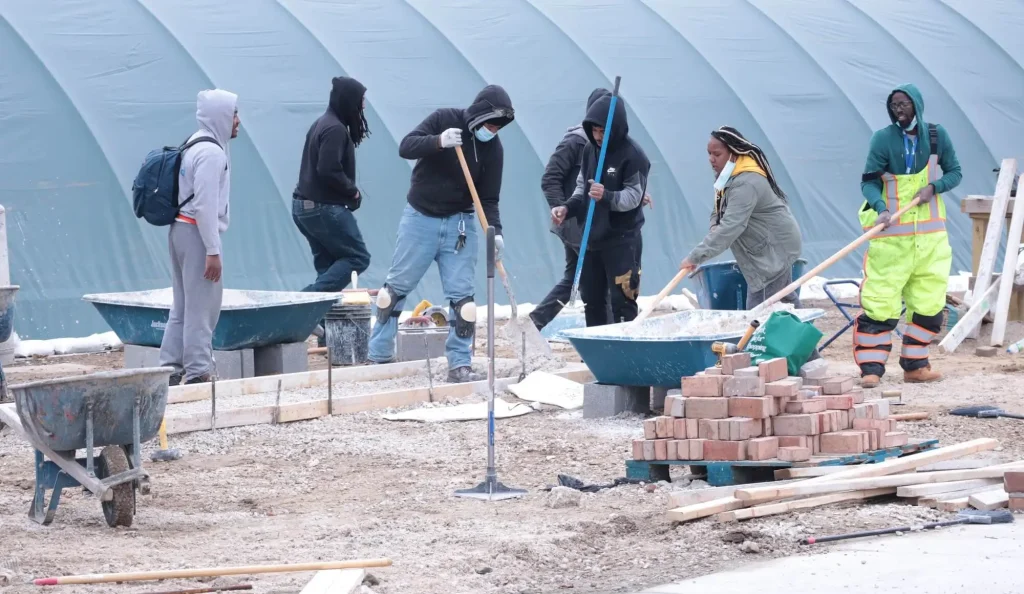
Before choosing a programme, ask how the training is divided between classroom learning and practical work. Find out how much time students spend in the lab or shop and what equipment they have access to.
It is also worth asking about instructor support, safety training, curriculum, externship opportunities, and the types of entry-level positions the programme prepares students for.
If possible, visit the school before enrolling. Seeing the training environment in person can help you understand what the programme actually offers.
Combining classroom and shop training allows students to connect knowledge with practice.
A lesson about welding safety becomes more meaningful when students have to follow those procedures while working with equipment. Learning about measurements becomes more useful when students use them to prepare materials. Blueprint reading becomes a practical skill when students use drawings to complete a shop task.
This combination can make technical education more engaging and give students a clearer idea of what the work involves.
If you are looking for fabrication training in Philadelphia, consider programmes that give you both classroom knowledge and plenty of practical experience.
Classroom instruction can teach you about welding processes, materials, measurements, blueprints, and safety. Hands-on fabrication training gives you the opportunity to put those lessons into practice while working with real tools and equipment.
PTTI combines classroom instruction with practical training in its Welding Technology and Training Program. Students can develop skills in areas such as welding, blueprint reading, plasma cutting, joint preparation, and fabrication while gaining experience in a shop environment.
Before enrolling, ask about the amount of hands-on training, available equipment, instructor support, and opportunities for real-world experience. A programme that connects classroom learning with practical work can help you build a stronger foundation for a career in welding, fabrication, or manufacturing.
Students can explore technical schools that combine classroom instruction with hands-on shop training. PTTI offers Welding Technology and Manufacturing and Automation training with practical components.
Classroom learning provides the technical foundation, but fabrication is a practical skill. Hands-on training allows students to work with tools, equipment, and materials while applying what they learn.
Training can cover welding safety, blueprint reading, MIG, Stick, plasma cutting, material preparation, equipment setup, measurements, and fabrication techniques.
Shop time allows students to practise the skills they learn in class. It also helps them become more familiar with equipment and working safely in a technical environment.
Yes. PTTI’s Welding Technology and Training Program combines classroom instruction with substantial practical training. Students have opportunities to practise welding and fabrication skills in a shop environment.
Read more blogs: