
You want training that teaches practical skills, prepares you for real job-site conditions, and helps you understand what comes after graduation. However, comparing programs can feel confusing when every school claims to offer quality training.
Start by looking beyond advertisements and program names. The right training program should give you practical experience, knowledgeable instructors, safety training, technical skills, and career preparation.
Most importantly, it should match your career goals.
If you want to enter the plumbing and piping trades without spending several years earning a traditional degree, focused technical training can provide a more direct path toward developing job-ready skills.
The best plumbing program for one student may not be the best choice for another.
Therefore, create a checklist before applying.
Compare schools based on:
This approach helps you compare the actual training experience instead of relying on marketing language.
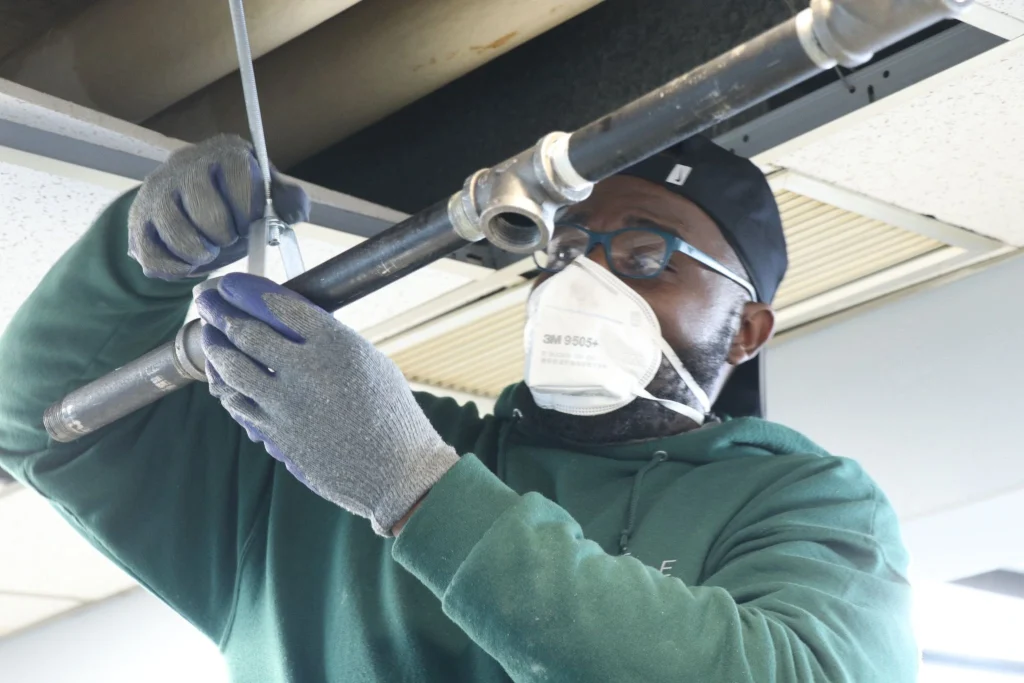
Plumbing is a practical trade you can’t learn from a book. You need to understand how systems work, but you also need to install, maintain, inspect, and troubleshoot components . A strong plumbing training program in Philadelphia should give students opportunities to work with tools, piping materials, valves, fittings, and other trade-related equipment.

Do not choose a school simply because it offers a “plumbing” program. Read the curriculum. A strong program should cover the fundamentals you will need on the job.
Look for subjects such as: fundamentals of plumbing; the drainage system linked to the pipe system; installation; fabrication; reading blueprints; and valve installation understanding .Pipe fabrication, maintenance, and workplace safety. Some Philadelphia programs combine plumbing with related piping trades.That can be useful because plumbing, pipefitting, and other piping occupations share certain technical foundations.However, always check exactly which skills and credentials a program provides.
“Hands-on” can mean different things at different schools. Like, how many hours will you spend in a lab or shop? How many students share each workstation? What tools will you use? Will you perform actual installations? Will instructors observe your work? These questions will clear most of your doubts about the program. A good training environment should let you repeatedly practice key skills while receiving feedback. The goal is to graduate with more than theoretical knowledge. You want practical experience you can discuss during an interview.
Your instructors can strongly influence your learning experience. Plumbing involves many details that are difficult to understand from textbooks alone.
An experienced instructor can demonstrate techniques, explain common mistakes, answer questions, and show students how classroom concepts apply to actual work. Therefore, ask about instructor backgrounds before choosing a program. Find out whether instructors have industry experience.

Also, ask how much individual feedback students receive during practical training.The best learning environment should encourage students to ask questions and improve through practice.
Plumbing work can involve tools, pressurized systems, hot water, chemicals, confined spaces, electrical hazards, and other workplace risks. Safety training should therefore form a major part of your education. Look for a program that teaches students how to: know the hazards . Know the machine and equipment and use appropriate protective equipment . Follow workplace procedures .
A certificate from a school and a professional license are not necessarily the same thing.
This distinction is important when comparing plumbing schools in Philadelphia.
Ask the admissions team:
Technical training is only one part of starting a career.
You also need to know how to find opportunities and present yourself to employers.
Look for schools that provide career preparation such as:
Career support can be especially useful for students entering the workforce for the first time. You may have strong technical skills but still need help explaining those skills on a resume or during an interview. A school that prepares students for both the trade and the job search can provide a more complete training experience.
Must know About hiring procedures related to employer connections . Ask career services team if employer has good connections
Ask for details. What types of companies hire graduates?
Does the school host employer events? students introduced to local employers? Does career support begin before graduation? These questions can help you understand how closely a program connects training with employment. PTTI, for example, currently emphasizes relationships with Philadelphia employers, hands-on education, and comprehensive placement assistance as part of its training model.
However, students should still understand that career support does not mean a guaranteed job. Employment depends on qualifications, job availability, interviews, employer requirements, and the student’s own job-search efforts.
A shorter program is not automatically better.Likewise, a longer program is not necessarily more valuable.
Instead, compare the training time with the skills covered.
Ask:
What will I know how to do when I graduate?
A focused program may help students develop entry-level skills in a shorter period. However, students should make sure the curriculum provides enough practical experience for their career goals. For someone looking to enter the workforce quickly, program length matters. But job readiness matters more.
Tuition is only one part of the cost of training.
Ask whether the total cost includes:
Then ask about financial aid. Qualifying students may have access to federal aid or other funding depending on the institution and program. Understanding the complete cost before enrolling can help you make a more informed decision.
There is no single answer. A technical school and an apprenticeship can provide different experiences. A trade school may offer structured classroom and hands-on training within a defined program. An apprenticeship typically combines workplace experience with related instruction and is designed around learning the trade while working.
Philadelphia students can find both types of pathways. For example, plumbing-related apprenticeship and training opportunities are available through organizations such as Plumbers Union Local 690, while PSA PHCC Training Center provides plumbing and HVAC-related training in the Philadelphia region.
The right choice depends on your career goals, eligibility, preferred learning environment, schedule, and how you want to gain experience.
For students comparing trade schools in Philadelphia, PTTI is one option to investigate.
PTTI’s current program listings include Steam, Sprinkler and Pipe Fitting. The program covers areas including safety, pipe fabrication, valve installation, blueprint reading, engineering plans, and basic shop math.
The school also emphasizes hands-on education, experienced instructors, and career support. Its main campus is located at 1901 West Girard Avenue in Philadelphia. Students should review the current curriculum and admissions information directly before enrolling because program details can change.
Before making your final decision, schedule a campus visit or speak with admissions.
Ask these questions:
How much hands-on training will I receive?
You want to know how much time you will spend practicing skills instead of listening to lectures.
What equipment will I use?
Training should expose you to tools and equipment relevant to the occupation.
Who teaches the program?
Ask about instructors’ professional experience and technical backgrounds.
What credentials can I earn?
Understand exactly what certificate, certification preparation, or other credential the program provides.
How does career support work?
Ask when career services begin and what type of support you receive.
What are the total costs?
Request a complete breakdown rather than looking only at advertised tuition.
Can I tour the training facility?
A campus visit can tell you a lot.
Choosing among the best plumbing schools in Philadelphia should not be about finding the school with the biggest advertisement. Instead, focus on value. Look for a program that gives you:
Practical training + technical knowledge + safety skills + experienced instruction + career preparation. That combination can help you build a stronger foundation for your first job and future career development. Also, remember that getting hired faster is not something any responsible school can guarantee.
Your timeline depends on your attendance, skills, credentials, interview performance, job availability, employer requirements, and willingness to apply.
However, choosing a program that prepares you for the actual workplace can put you in a better position to compete for opportunities.
Look for hands-on training, experienced instructors, safety instruction, career services, placement assistance and clear program costs.
Yes. Plumbing is a practical occupation, so students benefit from practicing with tools, piping, fittings, valves, and other job-related equipment.
A career-focused program can help you develop job-ready skills and prepare for resumes and interviews. However, no school can guarantee a specific hiring timeline.
Your choice should depend on your career goals, eligibility, schedule, , and desired combination of classroom and workplace experience.
Yes, PTTI currently offers a Steam, Sprinkler and Pipe Fitting program
Read more links